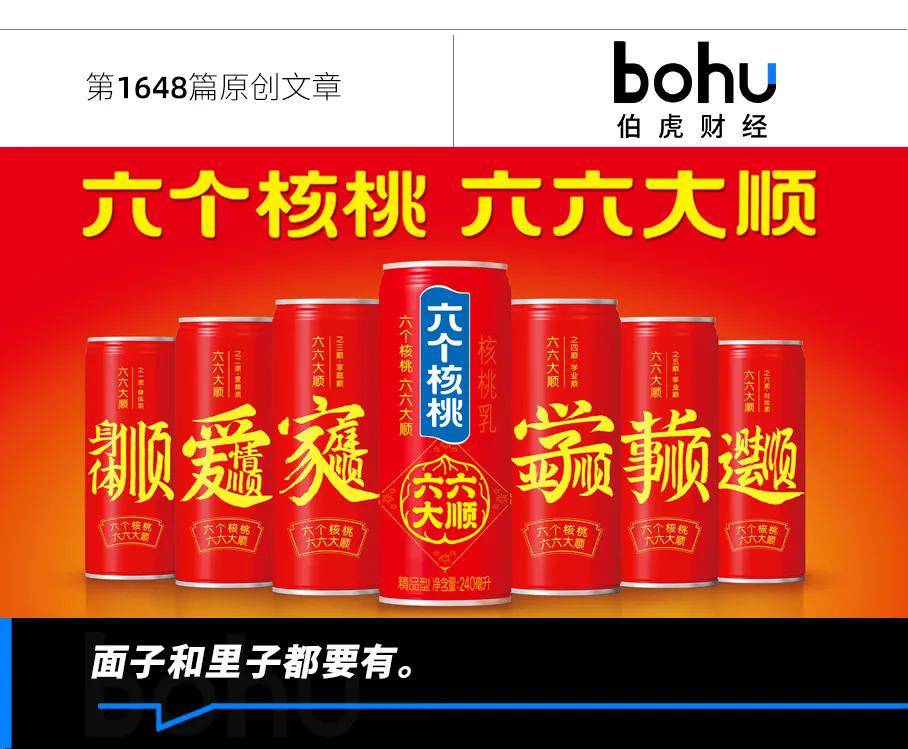
六个核桃

Search documents
你嫌弃的外卖袋,成了非洲最流行的时尚单品
3 6 Ke· 2025-12-19 02:06
Group 1 - The article highlights the growing presence of Chinese brands and products in Africa, particularly through the use of recognizable takeaway bags that have become popular among local residents [3][6][10] - Brands like "霸王茶姬" and "曼玲粥店" have not yet established physical stores in Africa, but their takeaway bags are already familiar to the local population, indicating a strong brand recognition [3][6] - The demand for reusable bags in Africa has surged due to strict regulations against single-use plastic bags, with 34 African countries implementing punitive measures against plastic bag usage by 2019 [19][21] Group 2 - The Chinese non-woven fabric industry has seen significant growth, with a production capacity of 8.56 million tons in 2024, accounting for 60% of global capacity [36] - The cost of Chinese non-woven fabric is notably lower than that of similar products from other countries, with an export price of $2.92 per kilogram compared to higher prices from Taiwan, Turkey, and Germany [36] - China's robust petrochemical industry, which has developed through strategic investments and technological advancements, supports the production of non-woven fabrics, making them both affordable and high-quality [42][50]


高质量发展与消费升级-2025年度美好生活新消费高峰论坛圆满结束
Jing Ji Guan Cha Wang· 2025-11-22 07:15
Core Insights - The forum focused on "High-Quality Development and Consumption Upgrade," emphasizing the importance of both supply and demand sides in achieving sustainable growth in the Chinese consumer market [1][2] - The event highlighted the integration of high-quality development with consumption upgrades, indicating a shift in consumer goals, motivations, and trust in food safety [2][3] Group 1: High-Quality Development - High-quality development encompasses both supply-side and demand-side aspects, requiring investments to yield returns, companies to generate profits, and consumers to have diverse needs met with quality products [1] - The food industry is urged to transition from quantity expansion to quality enhancement and efficiency optimization, focusing on innovation, collaboration, food safety, sustainability, and brand cultivation [2][3] Group 2: Consumer Trends - The rapid consumer goods market is currently in a low-speed adjustment phase, characterized by fragmented consumption trends, including the rise of the silver economy and single-person economy [2] - New consumption trends necessitate businesses to reconstruct narrative scenarios, target specific demographics, and leverage cultural appeal [2][3] Group 3: Community Dining and Market Growth - The community dining market is projected to grow from 1.8 trillion to 3.2 trillion by 2025, becoming a significant growth sector within the overall dining industry [3] - New models in community dining, such as smart convenience canteens and cross-industry integration, are emerging as pivotal community hubs [3] Group 4: Brand Growth and Marketing - Brand marketing should shift from merely capturing attention to creating lasting memories, emphasizing trust-building and repeat purchases through companion marketing [4] - Brands can enhance their value through cross-industry collaborations and embracing national cultural trends as part of a long-term strategy [4] Group 5: Z Generation Consumer Insights - The roundtable discussion focused on decoding the consumption mindset of Generation Z, analyzing their evolving needs and the implications for product development and brand interaction [5] Group 6: Practical Experiences from Companies - Companies are evolving from functional consumption to holistic health approaches, emphasizing transparency and scientific logic in product offerings [7] - The dairy industry is focusing on functional differentiation, high value-added routes, and supply chain optimization to enhance resilience and risk management [7] Group 7: Challenges and Innovations in the Restaurant Industry - The restaurant sector faces challenges such as slowing growth, shrinking profit margins, and rising costs, yet digitalization and AI are driving a shift towards smarter operations [8] - New business models and technologies, like pre-prepared meals and cooking robots, are improving operational efficiency while addressing consumer concerns about maintaining a personal touch [8][9] Group 8: Recognition of Industry Leaders - The forum recognized outstanding companies leading the charge in high-quality development and consumption upgrades, including Budweiser, Luckin Coffee, and Yuanqi Forest, among others [11] - The event underscored the dynamic nature of consumption upgrades, from emotional engagement to health-focused value chains, reflecting the industry's commitment to continuous improvement [11]
嘉美包装:六个核桃、旺旺、王老吉、银鹭食品、露露等头部饮料品牌一直稳居前十客户行列
Mei Ri Jing Ji Xin Wen· 2025-10-15 03:37
Core Viewpoint - The company, 嘉美包装 (Jia Mei Packaging), has a diverse client base in the beverage and beer industry, including both well-known and emerging brands, indicating a strong market presence and operational capability [1] Group 1: Clientele and Market Coverage - The company serves major domestic beverage brands, including 六个核桃 (Six Walnuts), 旺旺 (Wang Wang), 王老吉 (Wang Lao Ji), 银鹭食品 (Yin Lu Food), and 露露 (Lu Lu), which have consistently ranked among the top ten clients for over twenty years [1] - The company also collaborates with leading beer brands such as 燕京 (Yanjing), 雪花 (Snow Beer), and 青岛 (Tsingtao), showcasing its extensive reach in the beer market [1] Group 2: Business Model and Strategy - The company's full industry chain beverage service platform allows it to engage with a wide range of soft drink brands, both established and new, as well as private label products in the new retail sector [1] - The company has achieved favorable results in meeting its market coverage sales targets, indicating effective alignment between its business strengths and the supply chain demands of its brand clients [1]

文化何以成为战略
Sou Hu Cai Jing· 2025-09-28 06:45
Group 1 - The core viewpoint emphasizes the need for traditional brands to find new positioning strategies to navigate consumer cycles and for new brands to achieve rapid growth across categories [1] - Cultural strategy has become a key element in brand strategy, especially in the high-end market, where product characteristics alone are insufficient to build brand momentum [2][4] - The Chinese market shows a disparity in brand momentum between local and international brands, with examples like China Red Bull and Austrian Red Bull illustrating different market scales and brand strategies [4] Group 2 - The white liquor industry in China is experiencing a shift from quantity to quality, with market size increasing from 536.4 billion yuan in 2018 to 756.3 billion yuan in 2023, despite production halving [8] - Major liquor brands are adopting cultural strategies to connect with younger consumers, moving from traditional relationship-based consumption to self-expression and cultural values [9] - Successful brands like Moutai and Wuliangye are developing comprehensive cultural systems to enhance their brand value and consumer connection [9] Group 3 - The article discusses the pitfalls of brands that focus solely on product attributes, such as Wanglaoji and Six Walnut, which have struggled to maintain market relevance [4][5] - The case of Nongfu Spring illustrates the importance of evolving brand narratives beyond product quality to include cultural and environmental themes, leading to a resurgence in market leadership [7] - The need for liquor brands to embrace cultural strategies is highlighted, as many still rely on outdated marketing approaches that fail to resonate with modern consumers [12] Group 4 - The article notes that many liquor brands lack a strategic understanding of consumer culture, which hinders their ability to establish effective brand positioning [12] - It emphasizes the importance of emotional and ideological engagement in building brand culture, as seen in successful examples from both domestic and international markets [15] - The competitive landscape necessitates that brands connect consumer culture with added value to differentiate themselves effectively [17]






“送六个核桃,赢黄金核桃”出圈,中秋送礼不愁了
Sou Hu Cai Jing· 2025-09-25 01:55
Core Viewpoint - The recent promotional event by "Six Walnuts" during the Mid-Autumn Festival successfully combined product marketing with cultural significance, enhancing its position in the gift box market and driving consumer engagement through innovative strategies [4][12][20]. Group 1: Marketing Strategy - The promotional event "Buy Six Walnuts, Win Golden Walnuts" attracted significant attention, with a participant winning a 6.66-gram golden walnut, which sparked discussions on social media [4][6]. - "Six Walnuts" has effectively tapped into the emotional value associated with gift-giving during traditional festivals, aligning its product offerings with cultural sentiments [7][9]. - The brand has established itself as a leader in the gift box market, achieving annual sales of 2.5 billion cans, surpassing competitors like Yili and Mengniu in the plant-based beverage segment [6][10]. Group 2: Consumer Insights - The brand's success is attributed to its understanding of consumer psychology, particularly during festive seasons, where emotional connections and unique marketing tactics are crucial [10][12]. - "Six Walnuts" has maintained a balance between product quality and emotional appeal, ensuring that its marketing resonates with consumers while providing tangible rewards [12][20]. Group 3: Product Quality and Innovation - The company has invested significantly in research and development, with billions spent from 2018 to 2023 to enhance product quality and innovation, leading to a competitive edge in the market [13][15]. - "Six Walnuts" has developed a unique production process that improves the taste and nutritional value of its products, achieving a nutrient utilization rate of over 97% [15][17]. Group 4: Distribution Channels - The brand has transitioned from a traditional distribution model to a dual-channel approach, combining traditional and emerging channels to better meet market demands [19]. - As of June 2025, "Six Walnuts" has expanded its distributor network to 2,727, with a notable increase in direct sales revenue, indicating a successful adaptation to changing consumer behaviors [19][20].