
包装

Search documents
安琪酵母(600298):收入目标稳健,成本红利可期
CMS· 2026-04-01 05:32
Investment Rating - The report maintains a "Strong Buy" rating for the company with a target price of 49.00 CNY, while the current stock price is 40.41 CNY [2][7]. Core Insights - The company achieved a revenue and net profit growth of 15.35% and 15.23% year-on-year in Q4 2025, respectively, indicating a strong finish to the year [6][7]. - The domestic demand for traditional yeast remains stable, driven by growth in the baking industry, while international market competitiveness is enhanced through differentiated strategies and capacity investments [6][7]. - The company aims to become the "global number one yeast enterprise" as part of its clear 14th Five-Year Plan, with projected EPS of 2.13 CNY and 2.39 CNY for 2026 and 2027, respectively [6][7]. Financial Performance - In 2025, the company reported total revenue of 167.29 billion CNY, a year-on-year increase of 10.1%, and a net profit of 15.44 billion CNY, up 16.6% [6]. - The revenue from yeast and deep-processed products reached 119.49 billion CNY, with a volume increase of 15.8% but a price decrease of 5.0%, resulting in a gross margin increase of 2.67 percentage points [6]. - The company’s gross margin for 2025 was 24.71%, an increase of 1.18 percentage points year-on-year, while the net profit margin improved to 9.50% [6][7]. Future Outlook - For 2026, the company targets a revenue growth of over 10% and steady net profit growth, benefiting from a significant drop in molasses prices, which is expected to enhance profit margins [6][7]. - The overseas revenue for 2025 was 68.48 billion CNY, reflecting a year-on-year growth of 19.88%, with the overseas revenue share increasing by 5.8 percentage points to 41% [6][7]. Valuation Metrics - The current valuation is at the bottom of the past 10 years, with a target valuation of 23 times earnings, corresponding to a target stock price of 49.0 CNY [7]. - The projected PE ratios for 2026 and 2027 are 19.0 and 16.9, respectively, indicating a favorable valuation outlook [8][14].

UK packaging EPR rules tighten data reporting for producers
Yahoo Finance· 2026-03-25 09:54
Core Points - The UK has implemented extended producer responsibility (EPR) regulations requiring organizations that supply or import packaging to collect detailed packaging data [1][2] - The updated guidance aims to enhance recycling rates and enforce stricter environmental compliance [2] Data Collection Requirements - Organizations must report data on all packaging placed on the UK market, including material type, weight, and supply method [3] - Additional reporting may include recyclability and the potential for packaging to become waste across different UK nations [3][7] Retention and Compliance - Companies are required to retain supporting evidence for at least seven years, emphasizing the need for robust internal data systems [4] - The EPR system differentiates between large and small producers, with large producers submitting data biannually and small producers annually [5] Producer Thresholds - Obligations apply to organizations handling over 25 tonnes of packaging and with an annual turnover exceeding £1 million [6] - The regulations encompass a variety of activities, including supplying packaged goods, importing products, and operating online marketplaces [8] Financial Implications - The expanded data requirements support a full-cost recovery model for packaging waste, making producers responsible for funding the collection, sorting, and recycling of packaging waste [9]
Kaiser Aluminum(KALU) - 2025 Q4 - Earnings Call Presentation
2026-02-19 15:00
Fourth Quarter 2025 Earnings Conference Call February 19, 2026 Forward Looking Statements The information contained in this presentation includes statements based on management's current expectations, estimates and projections that constitute "forward-looking statements" within the meaning of the Private Securities Litigation Reform Act of 1995. Such statements include statements regarding the company's anticipated financial and operating performance, relate to future events and expectations and involve kno ...

Packaging: the backbone of global trade
Yahoo Finance· 2026-02-06 08:57
Core Insights - Packaging is essential for the movement of goods in global trade, acting as a critical enabler that ensures products arrive intact and on time [1][3][7] Group 1: Role of Packaging in Global Trade - Packaging protects goods from physical damage, contamination, and environmental exposure during transportation, which is vital for maintaining product quality over long distances [3][4] - Well-designed packaging absorbs stresses from vibration, stacking pressure, and temperature changes, preventing increased breakage rates that could make long-distance trade uneconomic [4] - Standardized packaging formats enhance logistics efficiency by allowing warehouses, ports, and transport networks to operate at scale, optimizing storage and reducing handling costs [5] Group 2: Information and Compliance - Packaging carries essential information such as shipping marks, handling instructions, barcodes, and tracking data, which are crucial for the correct identification and routing of goods in international trade [6] - Compliance with regulatory requirements is supported by packaging, which helps businesses meet legal, safety, and documentation standards necessary for cross-border trade [8][9] - Specific packaging rules apply to various products, especially in sectors like food and pharmaceuticals, where failure to comply can lead to rejected shipments or market exclusion [9]
Packaging reporting requirements expand in Singapore
Yahoo Finance· 2026-02-05 09:27
Core Insights - Singapore's Mandatory Packaging Reporting (MPR) framework mandates companies to report detailed packaging data to the National Environment Agency (NEA) and submit waste reduction plans, aiming to enhance packaging waste management and establish a foundation for extended producer responsibility (EPR) measures [1][5][6] Group 1: Regulatory Framework - The MPR framework has been effective since July 2020, targeting companies with an annual turnover exceeding S$10 million that import or use packaging in Singapore [2] - Obligated companies include brand owners, manufacturers, importers, and large retailers, required to collect and report data on packaging types and amounts supplied to the Singapore market annually [3] Group 2: Reporting Requirements - Companies must submit a data report detailing packaging material, form, and weight, along with at least one 3R plan (Reduce, Reuse, Recycle) for managing packaging waste [3] - A methodology for data collection must be documented, with supporting evidence retained for verification by authorities for up to five years [4] Group 3: Compliance and Deadlines - The submission deadline for packaging data collected in a calendar year typically runs from January to March, with the next deadline set for 31 March 2026 [4] - NEA has conducted regulatory outreach, including industry briefings, to assist businesses in understanding compliance obligations [4] Group 4: Focus on Sustainability - The MPR framework is part of a broader strategy to reduce packaging waste and promote sustainable business practices, encouraging companies to identify opportunities for material reduction and improved packaging design [5] - The framework supports the future implementation of an EPR scheme for packaging waste, expected by 2025, which will increase producer responsibility for end-of-life packaging management [6] Group 5: Support for Companies - NEA and partner organizations have developed technical resources and industry programs, including a guidebook for packaging reporting and initiatives under the Packaging Partnership Programme to help firms meet regulatory and sustainability obligations [7]
Cimpress(CMPR) - 2026 Q2 - Earnings Call Transcript
2026-01-29 14:00
Financial Data and Key Metrics Changes - Cimpress achieved a milestone by exceeding $1 billion in quarterly revenue for the first time, with reported revenue growth of 11% and organic constant currency growth of 4% in Q2 [10][11] - Adjusted EBITDA increased by $6.6 million year-over-year, with profit dollars rising 8% on a consolidated basis [12][13] - Adjusted free cash flow declined by $9.2 million to an inflow of $124 million, attributed to lower net working capital inflows [15][17] Business Line Data and Key Metrics Changes - In the Vista segment, organic constant currency growth was 5%, up from 3% in the prior year quarter, driven by double-digit growth in promotional products, apparel, gifts, and packaging [11][12] - The Print Brothers segment reported a revenue growth of 26%, with a contribution of $18 million from a tuck-in acquisition [12][17] - Legacy products, such as business cards and stationery, declined by 1%, consistent with previous quarters [11][12] Market Data and Key Metrics Changes - Strong performance in North America was the main driver of growth, with all markets in Vista showing growth [12][13] - Customer and order count increased in the Upload and Print segment, fueling a combined organic constant currency revenue growth of 6% [12] - National Pen revenue benefited from tariff-related price increases, contributing to overall segment performance [12] Company Strategy and Development Direction - Cimpress is focused on enhancing customer lifetime value through elevated products, which have shown a 9% year-over-year increase in variable gross profit per customer [4][11] - The company is investing in manufacturing efficiencies and new product introductions, with a roadmap targeting at least $600 million in EBITDA by fiscal 2028 [8][9] - Cross Cimpress fulfillment (XCF) is a strategic initiative aimed at driving efficiencies and innovation across brands, enhancing competitive advantage [5][6][34] Management's Comments on Operating Environment and Future Outlook - Management expressed confidence in achieving fiscal 2028 targets, with expectations for significant efficiencies across profit and loss statements [8][9] - The impact of tariffs is expected to lessen in future quarters as supply chain remediation continues [14] - Management highlighted the importance of AI and technology investments in driving operational efficiencies and customer value [6][64] Other Important Information - The company raised its annual guidance for revenue, adjusted EBITDA, and free cash flow based on strong first-half results [10][17] - Net leverage at the end of Q2 was 2.97 times trailing twelve months EBITDA, down from the previous quarter [16][18] - Cimpress completed a tuck-in acquisition for $10.4 million, with significant synergy opportunities anticipated [52][53] Q&A Session Summary Question: How would you characterize the holiday season for Vista? - Management reported a strong quarter for Vista, particularly in North America, with flat volume in holiday cards in the U.S. and double-digit growth in Canada [20][21][22] Question: Can you discuss the biggest areas of outperformance versus initial FY 2026 guidance? - Management noted solid execution across the board, with some unexpected challenges, but overall performance aligned with plans [26][27] Question: What are the underlying trends for promotional products and elevated categories? - Strong growth in elevated products demonstrates increased wallet share among small business customers, with variable gross profit per customer growing consistently [32][33] Question: How is the North American business for the Print Group trending? - The Print Group is on track with revenue growth, focusing on building production capabilities, with revenues around $3 million for the first half [36][37] Question: What is the company's view on Cross Cimpress Fulfillment? - Management sees significant growth potential in Cross Cimpress Fulfillment, which has doubled in revenue within a year, contributing to gross profit increases [45][46] Question: Can you provide details on the tuck-in acquisition made this quarter? - The acquisition involved an Austrian printing group with significant synergy opportunities, expected to yield returns comfortably above the 15% hurdle rate [52][53][55]

港股冷链赛道迎来硬核玩家 红星冷链三大核心优势构筑“护城河”
Zhi Tong Cai Jing· 2026-01-07 02:09
Core Insights - The Hong Kong stock market continues to thrive, with the red star cold chain (01641) emerging as a key player in the cold chain logistics sector, leveraging its unique "transaction + storage" model and advanced automation technology to establish a competitive advantage [1] Group 1: Business Model and Financial Performance - The company integrates specialized low-temperature storage with an active trading platform, creating an ecosystem that enhances efficiency and reduces costs for customers while generating dual revenue streams from rental and storage services [2] - From 2022 to the first half of 2025, the company maintained a gross margin above 50% and a net profit margin between 33% and 38%, significantly outperforming the logistics industry average [2] - The gross margin for rental services increased from 57.1% in 2022 to 65.3% in the first half of 2025, reflecting strong profitability and a commitment to shareholder returns, with cash dividends totaling 200 million yuan from 2022 to 2024 [2] Group 2: Comprehensive Cold Chain Services - The company has developed a full-service cold chain ecosystem through partnerships, integrating unloading services, trunk logistics, and value-added services to achieve a breakthrough from "point" to "chain" [3] - Over 70% of customers utilize both storage and rental services, with collaborative customer revenue consistently around 80%, and a store rental rate exceeding 94% with a renewal rate above 90% [3] Group 3: Automation and Technological Infrastructure - The company’s regional leadership is supported by automated technology, with a new cold storage facility utilizing automated conveyor lines and high-rise storage racks to enhance efficiency [4] - Advanced temperature control systems maintain storage conditions at or below -18°C, with IoT technology enabling real-time monitoring and immediate alerts for any temperature deviations [4] - The company operates two major storage bases in Changsha with a total design capacity exceeding 1 million cubic meters, serving over 700 clients across eight provinces, solidifying its position as the largest cold chain storage provider in Central China [4] Group 4: Future Outlook - With its regional advantages, robust profitability, unique ecosystem, and clear growth plans, the company is poised to strengthen its leadership position in the market, making it a rare long-term investment opportunity in the Hong Kong stock market [5]
Packaging producers face new UK fees from 2026
Yahoo Finance· 2025-12-18 09:27
Core Viewpoint - The UK's packaging landscape will undergo significant changes in 2026 with the implementation of Extended Producer Responsibility (EPR), making businesses responsible for the end-of-life recycling of their packaging products [1]. Group 1: EPR Overview - EPR for packaging aims to ensure that producers manage the environmental impact of their packaging [3]. - The scheme targets UK organizations with an annual turnover of £1 million or more that handle over 25 tonnes of packaging annually [3]. Group 2: Compliance Requirements - Businesses must collect and report data on the types and quantities of packaging they place on the UK market, which will inform a fee structure for recycling and waste management services [4]. - All types of packaging, including primary, secondary, tertiary, and shipment packaging, are covered under this legislation [4]. Group 3: Obligations for Businesses - Companies that supply goods under their own brand, import packaged products, or operate online marketplaces for international sales into the UK are considered obligated under the EPR scheme [5]. - Even reusable or hireable packaging is included, necessitating a thorough assessment of packaging portfolios by businesses [5]. Group 4: Fee Structure and Reporting - Fees are calculated based on the volume and material of packaging introduced to the market, with heavier or less recyclable materials incurring higher fees [6]. - Small producers may have reduced obligations but must still report packaging data to remain compliant [6]. Group 5: Registration and Record-Keeping - Businesses must register with a recognized compliance scheme or report directly to the regulator, with accurate record-keeping being essential [7]. - The UK Environment Agency will audit reported data, and late or inaccurate submissions can lead to financial penalties and reputational damage [7].
智能装备+绿色工艺全覆盖!2026济南国际化工展,3万专业观众共赴智能制造盛宴
Sou Hu Cai Jing· 2025-12-18 09:08
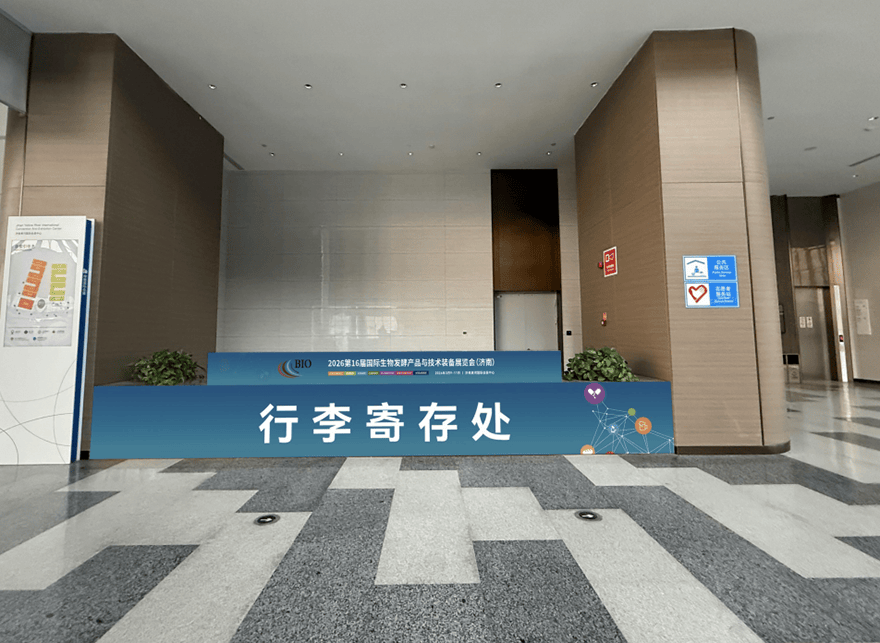
Core Viewpoint - The Chinese chemical industry is undergoing a profound transformation centered on "intelligent, green, and clustered" development, with the 2026 China (Jinan) International Chemical Equipment and Intelligent Manufacturing Exhibition (CIEIM 2026) set to take place from March 9 to 11, 2026, in Jinan, aiming to showcase the industry's shift towards high-end, intelligent, and green practices [1][3]. Group 1: Exhibition Overview - The exhibition will feature over 500 top global companies and attract more than 30,000 professional visitors, marking a significant milestone in the chemical industry's transition [1]. - The event will cover an exhibition area of 100,000 square meters and will integrate with the BIO CHINA exhibition, showcasing a full spectrum of "chemical + biological manufacturing" [3]. Group 2: Product Coverage - The exhibition will comprehensively cover two main areas: chemical equipment and intelligent manufacturing, emphasizing the dual themes of "intelligent + green" [4]. - The chemical technology equipment section will include a full range of devices from raw material processing to finished product delivery, highlighting key technologies for emission reduction and energy efficiency [4]. Group 3: Intelligent Manufacturing and Digitalization - The intelligent manufacturing and digitalization section will focus on cutting-edge technologies such as smart factories, industrial internet, artificial intelligence, and big data analytics, demonstrating how the chemical industry can optimize production and enhance safety through digital transformation [5]. Group 4: Forums and Industry Insights - The exhibition will host the 2026 Chemical Equipment Innovation Development Conference, featuring three major forums that will discuss topics such as digital transformation, green processes, and fluid technology applications [7]. - These forums aim to provide actionable solutions for enterprises by interpreting national policies and industry trends through real case studies [7]. Group 5: Participation Benefits - Participating in CEM CHINA 2026 offers opportunities to gain insights into policy and market trends, especially during the critical early phase of the "14th Five-Year Plan" [8]. - The exhibition serves as a platform for companies to enhance brand influence and connect with high-quality global customers [8]. Group 6: Target Audience - The audience will include users from various end industries such as petrochemicals, pharmaceuticals, food, and environmental sectors, ensuring efficient and precise business matching for exhibitors [10]. - CIEIM 2026 is positioned not only as a product and technology showcase but also as a platform for industry collaboration and innovation [10].

伊之密:接受平安证券等投资者调研
Mei Ri Jing Ji Xin Wen· 2025-11-10 09:35
Core Viewpoint - Yizhiming (SZ 300415) announced an investor research meeting scheduled for November 10, 2025, where the company’s board secretary and securities affairs assistant will address investor inquiries [1] Revenue Composition - For the year 2024, Yizhiming's revenue composition is as follows: Other industries 29.01%, Automotive 26.31%, 3C products 17.89%, Home appliances 6.97%, Daily necessities 6.4%, Packaging 5.78% [1] Market Capitalization - As of the report, Yizhiming's market capitalization stands at 11.5 billion yuan [1]
