罗氏(Roche)

Search documents
香港组建出海专班 今年底首次推广
Nan Fang Du Shi Bao· 2025-10-09 23:13
Core Points - The Hong Kong government has launched the "Outbound Support Task Force" to assist mainland enterprises in expanding their international business, as part of the 2025 Policy Address initiative by Chief Executive John Lee [3][4] - The task force aims to provide a comprehensive support platform, including tax, legal, financing, and ESG consulting services, to facilitate the overseas expansion of mainland companies [4][6] - The initiative is seen as a response to the growing need for mainland enterprises to establish strategies, overseas networks, and bases for international operations, particularly in emerging markets [7][10] Group 1 - The Outbound Support Task Force is a key measure to enhance Hong Kong's role as a platform for businesses to "go global" [4][5] - The task force will coordinate resources across various sectors to provide tailored support for enterprises, including tax incentives and carbon accounting services [4][6] - The initiative is expected to help mainland companies leverage Hong Kong's international business environment to navigate challenges in overseas markets [10] Group 2 - The task force plans to discuss strategies and hold promotional activities by the end of the year to raise awareness of its services [5] - Hong Kong's engagement with emerging markets, including recent diplomatic exchanges with countries in the Caribbean and Africa, highlights its commitment to expanding international trade [8] - The introduction of over 100 key enterprises, including major pharmaceutical companies, is projected to bring approximately HKD 60 billion in investments and create around 22,000 jobs [9] Group 3 - The rapid growth of emerging economies in the Global South presents opportunities for mainland enterprises to expand their supply chains and services [7] - The collaboration between Hong Kong and the Greater Bay Area is expected to provide significant growth opportunities, particularly in sectors like AI, biotechnology, and renewable energy [9][11] - The unique institutional advantages of the Greater Bay Area can empower enterprises to steadily expand their operations in both Hong Kong and mainland China [11]


宋雪涛:关税豁免日到期后会发生什么?
雪涛宏观笔记· 2025-07-05 07:59
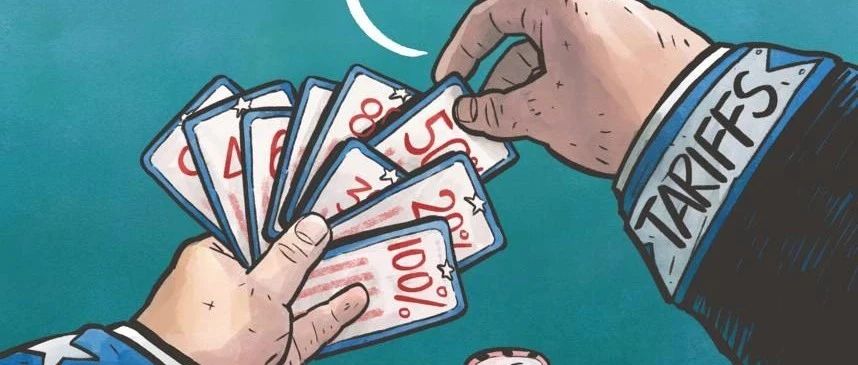
Core Viewpoint - The article discusses the ongoing trade negotiations between the United States and various countries, focusing on the U.S. demands in the tariff negotiations and the potential outcomes as the July 9 deadline approaches [2][21]. Group 1: U.S. Demands in Tariff Negotiations - The U.S. aims to use "reciprocal tariffs" as leverage to increase government revenue, reduce fiscal spending, attract foreign investment, enhance supply chain security, and create a more favorable global operating environment for American companies [3]. - One of the primary demands is to expand U.S. exports, particularly in the energy and agricultural sectors, which account for an average of 28% of total U.S. exports over the past five years [4][5]. - The U.S. government seeks to reduce overseas spending, particularly foreign aid, using tariffs as a tool to compel recipient countries to lessen their dependency on U.S. support [6]. - Another key demand is to promote the return of manufacturing to the U.S. to enhance supply chain resilience, especially in critical industries like semiconductors and medical supplies [9][10]. Group 2: Specific Negotiation Developments - The U.S. has made significant progress in negotiations with countries like India, Pakistan, and Switzerland, with expectations of reaching trade agreements or frameworks [15][21]. - The article highlights specific investments from various countries, such as Diageo's $415 million investment in Alabama and Japan's $44 billion investment in a natural gas project in Alaska, indicating active engagement in trade discussions [11]. - The U.S. has also been addressing discriminatory taxes imposed by other countries, particularly the digital services tax (DST), which targets major U.S. tech companies [12][13]. Group 3: Potential Outcomes and Future Negotiations - As the July 9 deadline approaches, the U.S. has shown a fluctuating stance on tariff increases, indicating that the outcome will depend on the substantive compromises made by both parties [14][21]. - Countries like the EU and Japan face significant uncertainties in negotiations due to disagreements over issues like the digital services tax and automotive tariffs [18]. - The article suggests that countries with large trade deficits with the U.S. may agree to purchase more American goods and ease market access in order to reach trade agreements [16][20].