Synchron

Search documents
东北证券:脑机接口聚焦落地 把握三大主线
智通财经网· 2026-02-09 06:20
核心技术:壁垒凸显,中外同步突破 智通财经APP获悉,东北证券发布研报称,当前脑机接口产业正处于"技术验证向商业化初期过渡"的关 键节点,医疗康复领域因需求刚性、政策支持,成为率先实现规模化落地的核心赛道。建议重点关注三 类标的:一是非侵入式产品商业化领先企业;二是侵入式/介入式技术临床突破标的;三是产业链核心部件 供应商。同时重点跟踪三大催化因素:医保支付范围扩围、海外头部企业技术路线映射、一级市场硬科 技企业上市进程。 东北证券主要观点如下: 脑机接口 脑机接口BCI作为突破生物神经边界的颠覆性人机交互技术,核心通过"读脑解码"与"写脑编码"的双向 通信机制,搭建大脑与外部设备的直接连接通道,是未来人机融合的核心载体。目前行业已形成侵入 式、半侵入式、非侵入式三大技术路径,历经百年技术积淀,已逐步从实验室研发阶段迈向临床落地与 产业规模化初期。 市场空间:医疗为核,增长明确 全球市场层面,2024年脑机接口市场规模已达26.2亿美元,据Precedence Research预测,2025-2034年行 业复合增长率将维持17.35%,至2034年市场规模有望突破124亿美元;国内市场呈现稳步扩容态势,20 ...

“脑科学”的新淘金热
3 6 Ke· 2026-02-06 13:37
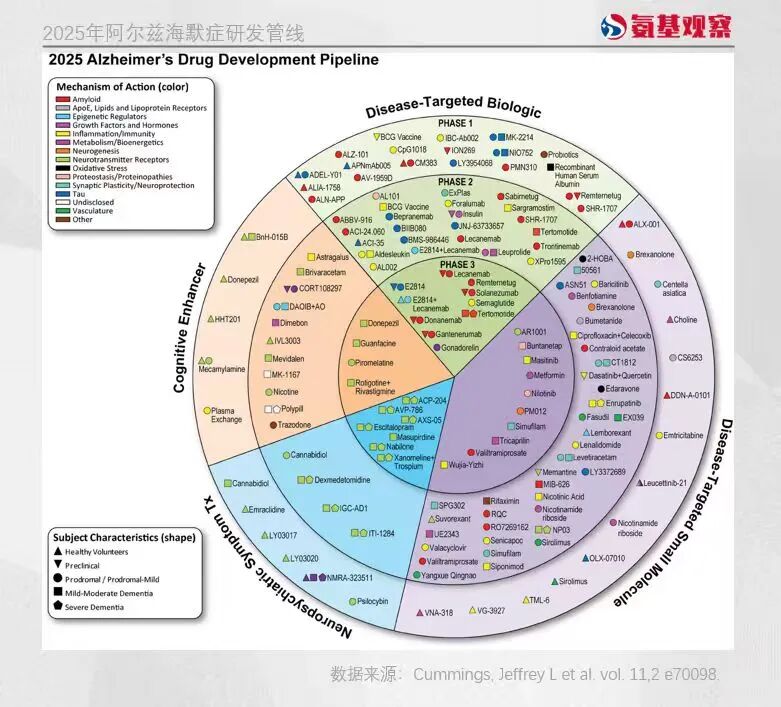
Core Insights - Neuroscience has historically been viewed as a high-risk area in pharmaceutical R&D, particularly for conditions like Alzheimer's disease and schizophrenia, due to complex pathophysiological mechanisms leading to high failure rates [1] - Recently, there has been a notable shift as the neuroscience sector is gaining momentum, driven by commercial success in Alzheimer's treatments and advancements in technologies such as small molecules, RNAi, cell therapy, and AI [1][6] - The combination of technological breakthroughs and market confidence is prompting multinational corporations (MNCs) to engage in mergers, acquisitions, and collaborations, signaling a potential "gold rush" in neuroscience [1] Industry Trends - The number of clinical trials and transactions in the neuroscience field is increasing, with 138 new drugs currently undergoing 182 clinical trials for Alzheimer's disease, marking a 9% increase from 2024 [2] - Over the past five years, more than 200 new clinical trials have been initiated for Alzheimer's disease, depression, and Parkinson's disease, indicating a growing interest in these areas [5] Market Developments - Confidence in the sector is rising, particularly due to breakthroughs in Alzheimer's treatments, such as Biogen's Leqembi, which achieved sales of $214 million in 2024 and $121 million in Q3 2025, reflecting an 82% year-over-year increase [6] - The approval of diagnostic methods, such as the Elecsys® pTau181 blood test by Roche and Eli Lilly, is enhancing the efficiency of Alzheimer's diagnosis and treatment [7] Technological Innovations - Emerging technologies like brain-computer interfaces and brain stimulation devices are becoming part of the investment narrative in neuroscience, with companies like Neuralink and Synchron conducting human clinical trials [8] - Advances in biomarkers and imaging agents are improving patient stratification in drug development, enhancing predictability of treatment efficacy [8] Policy Support - Significant government investments in brain science initiatives, such as the U.S. "Brain Initiative" with over $4 billion funding from 2014 to 2023, and China's brain plan with a budget exceeding 5 billion yuan, are fostering growth in the sector [8] Treatment Paradigms - The treatment landscape for Alzheimer's is evolving, with new therapies targeting Tau proteins gaining prominence over traditional Aβ-targeting approaches [9] - Innovations in drug delivery methods, such as brain-penetrating antibodies and RNAi technologies, are redefining treatment boundaries in neuroscience [11][12] Conclusion - After decades of exploration, the neuroscience field is experiencing unprecedented research intensity and commercialization, marking the onset of a new "gold rush" in the industry [13]


2026前沿科技趋势:塑造自己的下一个版本
3 6 Ke· 2026-01-30 09:58
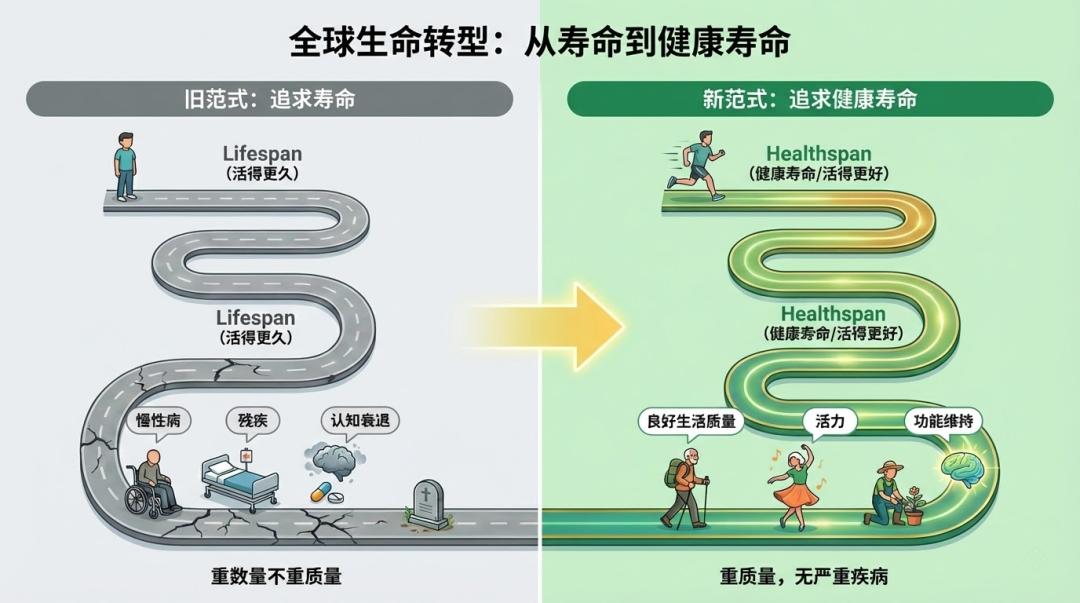
Group 1 - The rapid evolution and application of artificial intelligence and cutting-edge technologies are causing societal adaptation challenges, leading to feelings of uncertainty among people [1][2] - The focus of technological advancement should be human-centered, with an emphasis on shaping a better future through technology by 2030 [2] Group 2 - The "third transformation" of human life aims to extend healthy lifespan rather than just lifespan, with significant implications for global health and economy [3][5] - Human life expectancy has doubled over the past century, but the growth rate has significantly slowed down, with some regions experiencing stagnation or decline [4] - By 2030, the quality of life is projected to be a major focus, with non-communicable diseases potentially costing the global economy up to $47 trillion if not addressed [5] Group 3 - Advances in gene therapy and artificial intelligence are expected to play crucial roles in extending healthy lifespan, with technologies like CRISPR and AI enhancing medical capabilities [9][17] - Clinical breakthroughs in preventive gene therapy and RNA therapies are showing promise in treating chronic diseases effectively [10][12] - Epigenetic reprogramming is emerging as a potential method to reverse aging, with ongoing research aiming for clinical trials by 2026 [15] Group 4 - Artificial intelligence is set to enhance medical efficiency and understanding of human health, with applications in drug development, disease screening, and personal health management expected to yield significant results by 2030 [17][18] - AI is accelerating drug development processes, reducing timelines from years to months, and improving the success rates of new treatments [18][19] Group 5 - The development of exoskeleton technology is enhancing human physical capabilities, with applications in medical rehabilitation, industrial safety, and personal use expected to expand significantly [24][25] - Innovations in exoskeletons are making them more adaptable and user-friendly, with advancements in sensor technology and materials [28][30] Group 6 - The eVTOL market is projected to grow significantly, with advancements in battery technology and noise reduction strategies being critical for its acceptance and integration into urban transportation [31][32] - The evolution of drones into autonomous aerial robots is enhancing their capabilities for both consumer and industrial applications [34] Group 7 - The development of brain-computer interfaces (BCIs) is transforming the treatment of neurological conditions and enhancing human capabilities, with both invasive and non-invasive technologies showing promise [51][54] - BCIs are moving from experimental to standard treatment options for conditions like paralysis, with significant advancements in technology and regulatory approval processes [52][53]
2026前沿科技趋势:塑造自己的下一个版本
腾讯研究院· 2026-01-30 08:18
Core Insights - The article emphasizes the rapid evolution and application of artificial intelligence and cutting-edge technologies across various fields, urging a human-centered approach to technological advancement [3][4][5]. Group 1: Human Life's "Third Transformation" - Extending Healthy Lifespan - Human life expectancy has doubled over the past century, with significant improvements attributed to public health, antibiotics, and vaccines [7]. - Recent research indicates a dramatic slowdown in the growth rate of life expectancy, with the average increase dropping to below 0.25 years per decade in the last 30 years [8]. - A shift is occurring from merely extending lifespan to enhancing healthspan, which is the period of life spent in good health, with potential economic implications of up to $47 trillion in costs from non-communicable diseases by 2030 [9]. Group 2: Programmable Life - Gene Therapy - Gene therapy is moving towards optimizing the "life code," with advancements in CRISPR technology and delivery systems expected to mature by 2030 [11]. - Clinical breakthroughs in preventive gene therapy, such as Verve Therapeutics' treatment for cardiovascular disease, show promising results with significant reductions in LDL-C levels [12]. - The success of personalized CRISPR therapy in curing a fatal metabolic disease in a patient highlights the potential of gene therapy [14]. Group 3: Health Planning - AI Enhancing Medical Efficiency - AI is set to revolutionize drug development, disease screening, and personal health management by 2030, significantly reducing the time and cost associated with traditional drug development [21]. - AI combined with multi-omics technology is facilitating faster and more accurate disease screening, with notable advancements in cancer detection [23]. - Aging clock technology is evolving, enabling precise monitoring of aging processes and identifying underlying causes of aging [25]. Group 4: Enhancing Physical Capability - Exoskeleton Technology - Exoskeleton technology is advancing to enhance human physical capabilities, with applications in medical rehabilitation, industrial safety, and personal use [30]. - In the medical field, exoskeletons are evolving from mere mobility aids to intelligent devices that promote neurological recovery [31]. - Consumer-grade exoskeletons are expected to become popular for outdoor activities, significantly improving mobility for users [32]. Group 5: Flying Technology - eVTOL Development - The eVTOL market is projected to reach $41 billion in China by 2040, with significant advancements in battery technology expected to triple flight ranges [37]. - Noise reduction technologies are being explored to enhance social acceptance of eVTOLs, with strategies like "noise corridors" being implemented [38]. - The evolution of drones into aerial robots is enhancing capabilities in both consumer and industrial applications, with significant advancements in autonomous operations [40]. Group 6: Brain-Machine Interfaces - A New Era of Interaction - Brain-machine interfaces (BCIs) are transitioning from experimental therapies to standard treatment options for conditions like paralysis, with companies like Neuralink leading the way [61]. - Non-invasive BCIs are emerging, allowing for enhanced human-computer interaction, with applications in consumer technology [63]. - The integration of BCIs with AI could redefine human-AI collaboration, raising ethical considerations regarding privacy and data protection [64].

招商证券:2025年国内政策明显加码 脑机接口产业爆发临界点将至
智通财经网· 2026-01-30 02:37
Core Insights - The brain-computer interface (BCI) technology is at a critical industrial turning point, transitioning from academic exploration to commercial application, driven by policy and demand [1][4] - The medical field is the primary battlefield for BCI applications, accounting for 56% of the market, while non-medical sectors such as consumer, industrial, and education represent a combined 44%, indicating strong expansion potential [2][3] Industry Overview - BCI technology enables direct communication between the brain and external devices, facilitating bidirectional interaction from neural signals to control commands. The technology is categorized into invasive, semi-invasive, and non-invasive methods, with no absolute superiority among them; suitability depends on specific applications [1][3] - The global BCI market is projected to grow from $1.98 billion in 2023 to $7.63 billion by 2029, with China's market expected to reach 1.73 billion yuan in 2023, increasing its global share to 12.5% [2] Development Challenges - The BCI industry faces several challenges, including balancing high-throughput, high signal-to-noise ratio signal acquisition with long-term biocompatibility, and the need for breakthroughs in decoding algorithms and adaptive control precision [3] - Clinical challenges include the need for large-scale trials to verify the long-term safety and efficacy of invasive products, as well as the maturity of indication definitions, surgical standardization, and postoperative management systems [3] Global and Domestic Progress - The global BCI industry ecosystem is rapidly developing, with leading companies like Neuralink and Synchron innovating in high-throughput flexible implants and vascular interventions to enhance brain signal acquisition and interaction systems [4] - In China, significant progress has been made in system integration and application implementation, with a diverse enterprise matrix represented by companies such as Strong Brain Technology (non-invasive), Borui Kang (semi-invasive), and Xinwei Medical (interventional) [4] Relevant Companies - Key players in the primary market include Strong Brain Technology, Borui Kang, Ladder Medical, and others; in the secondary market, upstream companies like Maipu Medical and Meihao Medical, midstream companies like Xinwei Medical-B and Xiangyu Medical, and downstream companies like Sanbo Neuroscience are notable [5]

科技巨头竞争:从AI迈向脑机接口
Xin Lang Cai Jing· 2026-01-20 05:30
Core Insights - OpenAI's investment in Merge Labs signals a competitive shift in the brain-computer interface (BCI) sector, indicating it may become a focal point in the next wave of technological competition [1][5] - The BCI market is projected to grow significantly, with estimates suggesting it could exceed $10 billion by 2030 [8] Group 1: Company Developments - Merge Labs has raised $252 million in funding, led by Bain Capital, with OpenAI as the largest investor, bringing the company's valuation to $850 million [2][3] - Unlike Neuralink, Merge Labs aims to develop non-invasive BCI technologies that connect neurons using molecules rather than electrodes, avoiding the need for surgical implantation [3] - OpenAI plans to collaborate with Merge Labs to develop foundational models and advanced tools, enhancing the technological progress in the BCI field [4] Group 2: Competitive Landscape - The competition between OpenAI and Neuralink is intensifying, as both companies are vying for dominance in the BCI market, which is characterized by significant financial stakes and long-term public rivalry [5][6] - Other startups like Paradromics, Precision Neuroscience, and Synchron are also actively developing BCI technologies, indicating that the competition extends beyond just OpenAI and Neuralink [6] Group 3: Market Potential - The global BCI market is expected to reach approximately $1.27 billion by 2025, with a potential to surpass $10 billion by 2030, highlighting the substantial growth opportunities in this sector [8] - China's BCI sector is rapidly advancing, with significant investments and government support aimed at achieving key technological breakthroughs by 2027 [9][10] Group 4: Industry Trends - The integration of AI in BCI technology is anticipated to enhance user interaction and operational reliability, positioning BCI as a critical interface for future human-computer interactions [4][7] - The BCI field is evolving into a strategic battleground for major tech companies, with the potential to redefine human capabilities and interactions with technology [7][10]
财经观察:科技巨头竞争从AI迈向脑机接口
Huan Qiu Shi Bao· 2026-01-19 22:40
Core Insights - OpenAI's investment in Merge Labs signals a competitive shift towards brain-computer interface (BCI) technology, indicating it may become a central focus in the next tech race [1][6] - The BCI market is projected to grow significantly, with estimates suggesting it could exceed $10 billion by 2030 [10] Investment and Company Developments - Merge Labs has raised $252 million in funding, led by Bain Capital, with OpenAI as the largest investor, bringing its valuation to $850 million [3][4] - The company aims to develop non-invasive BCI technologies that connect humans and AI without the need for surgical implants [4][9] Competitive Landscape - The competition between OpenAI and Neuralink, founded by Elon Musk, highlights a personal rivalry that may elevate public interest in the BCI sector [4][7] - Other startups like Paradromics, Precision Neuroscience, and Synchron are also actively developing BCI technologies, indicating a broader competitive environment beyond just two companies [7] Technological Implications - AI is expected to enhance BCI development by enabling systems that can understand user intent and operate reliably, potentially making Merge Labs a key player in integrating AI with BCI [5][9] - Current BCI technologies allow paralyzed patients to control devices, but future advancements could enable more complex tasks, marking a significant technological paradigm shift [8] Market Trends and Future Outlook - The global BCI market is anticipated to reach approximately $1.27 billion by 2025, with significant investments already made in both invasive and non-invasive technologies [10][14] - China's rapid development in the BCI field, supported by government initiatives, positions it as a strong competitor to the U.S., particularly in non-invasive applications [12][13]
脑机接口大盘点:从科幻到现实,谁在引领这场“读心术”的革命?
3 6 Ke· 2026-01-15 02:29
Core Insights - Neuralink's brain-computer interface (BCI) devices are set for mass production in 2024, with 13 patients already implanted, enabling them to control devices using their thoughts [1][5] - The global BCI market is projected to reach $400 billion, indicating explosive growth in this sector [2] - Various companies are competing in the BCI space, with different approaches to technology, safety, and performance [2][8] Group 1: BCI Technology Overview - BCI establishes a direct communication channel between the brain and external devices, bypassing traditional neural pathways [2][3] - The BCI process involves four steps: signal acquisition, signal decoding, outputting commands, and feedback [5][6] - There are three main technological routes for BCI: non-invasive, semi-invasive, and invasive, each with its own trade-offs in safety and performance [8][10] Group 2: Non-Invasive and Invasive Approaches - Non-invasive BCIs are safe but have weak signals, making them suitable for consumer applications [10][12] - Semi-invasive BCIs require surgery but offer better signal quality than non-invasive options [16][19] - Invasive BCIs provide high signal strength and precision but come with significant risks, including potential immune responses and long-term degradation of electrodes [19][21] Group 3: Material Innovations - New flexible materials are being developed to reduce damage to brain tissue during electrode implantation [22][26] - The focus is on creating soft, durable materials that can withstand the brain's environment while maintaining high performance [26][29] Group 4: AI's Role in BCI - AI is crucial for processing the vast amounts of data generated by BCIs, enabling real-time translation of brain signals into actions [33][35] - AI enhances the decoding of complex neural signals, making it possible for users to control devices with their thoughts [39][40] - The integration of AI is essential for both reading and writing brain signals, facilitating advanced neural modulation [40][42] Group 5: Key Players in the BCI Market - Neuralink, founded by Elon Musk, aims to create a comprehensive BCI system with high channel density and wireless capabilities [43][45] - Synchron offers a less invasive approach by implanting devices through blood vessels, focusing on practical applications for patients [69][71] - Paradromics targets high-performance BCIs with the ability to record a vast number of neural signals simultaneously [77][79] - Blackrock Neurotech is a long-established player known for its reliable Utah Array technology, widely used in BCI research [82][84] Group 6: Future Prospects and Challenges - Neuralink plans to expand its technology to enhance human capabilities, including speech and vision restoration [63][66] - The BCI industry faces ethical challenges regarding privacy, autonomy, and the implications of enhanced human capabilities [96] - The competition among BCI companies is intensifying, with various strategies being employed to capture market share and advance technology [96]
国内融资20亿、全球排队1万人:脑机接口让老人用“意念”重获新生?
3 6 Ke· 2026-01-14 08:45
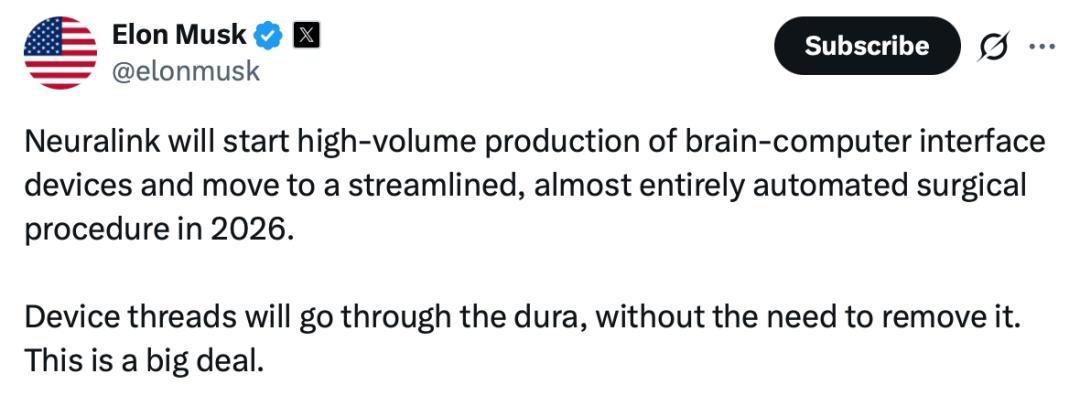
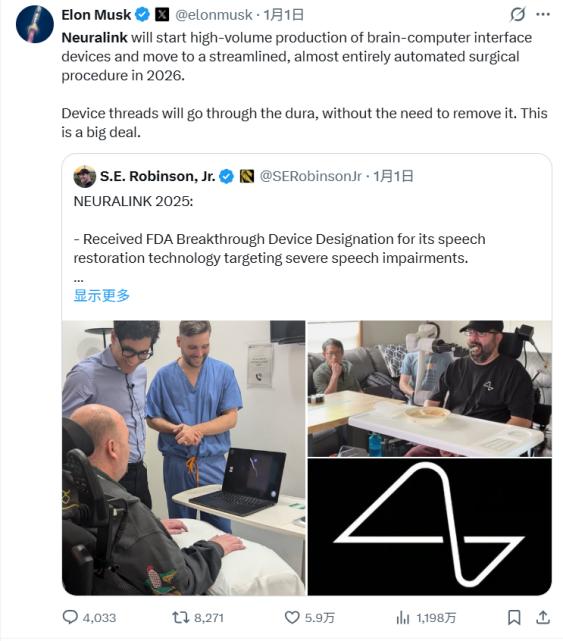
前言 然而,随着脑机接口技术的不断成熟,我们正在经历一场关于"生命终点"的叙事重构。当数字信号开始接管受损的生物信号,科技不仅在为老年人延长生 命的长度,更是在修补他们的尊严。 宣布量产,脑机接口迎来"奇点时刻" 2026年开年第一天,"钢铁侠"马斯克便抛出了一个重磅消息。 1月1日,马斯克宣布其旗下的神经科技和脑机接口公司Neuralink将在2026年进行"大规模生产",并转向"更加精简和几乎完全自动化的外科手术流程"。这 一消息迅速引发全球关注,因为它标志着脑机接口进入"商业化跃迁"的关键节点。 脑机接口(Brain-Computer Interface)是一种直接在大脑与外部设备之间建立通信路径的技术,广泛用于运动/言语重建、感觉恢复、神经调控与人机交互 等场景。科幻电影《黑客帝国》中,男主角尼奥的"脑后插管",或许就是脑机接口最初的想象。 图源:X 图源:电影《黑客帝国》剧照 如果站在更久远的未来回望,2026年或许是科幻加速踏进现实的开始。 衰老——曾被视为不可逆的命运,伴随着肌肉的萎缩,人类的意识仿佛只能在渐深的黑暗中走向消亡。 然而,现实中的脑机接口技术发展,早已超越了科幻作品。如今,这项技术 ...
光大证券:2025脑机接口行业发展现状、支持政策、临床情况及行业进展分析报告
Xin Lang Cai Jing· 2026-01-11 12:28
Industry Overview - Brain-Computer Interface (BCI) is a new cross-disciplinary technology that creates a communication channel between the brain and external devices, enabling direct information exchange [6] - BCIs can be classified into three types: invasive, semi-invasive, and non-invasive, with applications in medical rehabilitation, consumer interactions, and military fields [7] - The global BCI market is projected to reach $7.63 billion by 2029, growing from $1.2 billion in 2019 to nearly $2 billion in 2023, with a compound annual growth rate (CAGR) exceeding 13% from 2019 to 2023 [13][14] - Over 1,500 financing events in the global BCI sector have raised nearly $10 billion, with significant investments in both the U.S. and China [16] Policy Guidance - Major countries have launched brain initiatives to support BCI development, with the U.S. investing approximately $4.5 billion in its BRAIN Initiative since 2013 [37][40] - China has initiated its "Brain Science and Brain-Like Intelligence Technology" project, with funding expected to reach hundreds of billions of yuan [39][42] Clinical Situation - The medical demand for BCIs is driven by the need for rehabilitation in stroke and disabled populations, with significant clinical research already underway for various diseases [3][33] - Clinical trials for BCIs are accelerating globally, with a rapid increase in the number of trials in China [3][11] Industry Progress - Notable advancements include Neuralink's implantation of over 10 devices and Synchron's achievement of brain-controlled iPad functionality [4][4] - Key overseas companies like Neuralink and Synchron are leading in the invasive BCI field, focusing on treatment and human-computer interaction [4][4] - Domestic companies are also making strides, with clinical trials accelerating and real-time Chinese language decoding being achieved [4][4] Industry Chain Analysis - The BCI industry chain consists of upstream hardware and software supply, midstream BCI product supply, and downstream applications in various fields [18] - Upstream technology innovation barriers are high, with breakthroughs in flexible electrodes and chips being critical [20][21] - Downstream applications are primarily in the medical field, which is the most mature area for commercialization [30]