WeShop唯象

Search documents
听完 15 位创业者的「开放麦」,我看到了初创和大厂的注意力差异
Founder Park· 2025-12-24 11:22
Core Insights - The article discusses the rapid acceleration of AI technology in 2025 and the key concerns in the venture capital community regarding which AI projects are worth pursuing and how to identify viable market needs [1][4]. Group 1: AI Entrepreneurship Landscape - The V-START accelerator aims to clarify the underlying logic of AI entrepreneurship, helping startups navigate the complexities of the AI landscape [4]. - In 2024, the AI boom began, but the current applications remain relatively singular, focusing on generative dialogue and role interaction. By 2025, advancements in model reasoning and multimodal capabilities are expected to broaden entrepreneurial opportunities across various sectors [4][5]. - The rise of multimodal generation projects reflects a growing demand among younger users for self-expression and creativity, leading to a positive feedback loop in product development and user engagement [5]. Group 2: Notable AI Projects - **呼波特**: Focuses on AI telephone digital employee products for sales and customer service, enhancing user engagement through real-time interaction capabilities [9]. - **弋途科技**: Develops a voice assistant for vehicles that understands complex user intents, covering over 30 use cases in automotive settings [11]. - **萱禾映画**: Specializes in AIGC generative animation, providing tools for high-quality animation production and IP development [13]. - **亮亮视野**: Offers AR + AI solutions with a focus on real-time translation for international events, supporting over 100 languages [15]. - **智灵动力**: Known for its ability to generate videos from text, enhancing production efficiency across various media formats [17]. - **心影随形**: Creates AI gaming companions that provide real-time guidance and emotional support during gameplay, with over 10 million users [19]. - **小宿科技**: Focuses on AI infrastructure, providing solutions for intelligent search and model deployment, serving clients in over 80 countries [21]. - **爱诗科技**: Aims to democratize AI video generation, attracting over 100 million users with its products [23]. - **OneOneTalk**: Develops a cognitive operating system for personalized learning experiences, enhancing user engagement in language education [25]. - **船水智能**: Offers AI solutions for financial data analysis and smart meeting assistance, integrating various functionalities [27]. - **数美万物**: Provides a high-resolution 3D modeling solution for manufacturing and content creation, significantly reducing costs [29]. - **镜绽科技**: Focuses on next-generation 3D humanoid action generation, applicable in gaming and animation [31]. - **赛博创力**: Develops AI-driven character-based smart hardware, enhancing IP engagement [33]. - **WeShop唯象**: A one-stop AI commercial photography platform that simplifies the creation of high-quality images and videos [35]. - **Rokid**: Specializes in AR glasses and human-computer interaction technologies, integrating AI capabilities for various applications [37].

出图率从25%提至60%,Jazi靠AI改图在亚马逊、SHEIN 间抢沙特市场
虎嗅APP· 2025-09-27 09:44
Core Insights - The article discusses the differences in e-commerce strategies between domestic and international markets, particularly focusing on the use of AI-generated images to enhance product presentation and reduce costs [6][8]. - It highlights the case of Jazi, a Saudi e-commerce platform, which improved its AI-generated image usability from 25% to over 60% through collaboration with WeShop [7][18]. Group 1: E-commerce Market Differences - Domestic e-commerce sellers face homogenization challenges, relying on similar wholesale sources, making content differentiation crucial for competitive advantage [6][9]. - In contrast, international sellers, particularly in Europe and the US, often have unique products but struggle with high marketing and content production costs [6][10]. - The article emphasizes that while domestic sellers focus on creating differentiation, international sellers prioritize cost-effective solutions for showcasing their products [8][10]. Group 2: Jazi's Case Study - Jazi aims to establish itself as a local e-commerce platform in Saudi Arabia, competing against international giants like Amazon and SHEIN [7][19]. - The collaboration with WeShop began with basic image editing needs, evolving to include more complex requirements as Jazi sought to enhance its brand image and local appeal [24][25]. - Jazi's strategy includes using local models and culturally relevant backgrounds to resonate with Saudi consumers, addressing the challenge of relying on Chinese supply chains [20][36]. Group 3: AI Tools and Their Impact - WeShop's AI tools have enabled Jazi to streamline its image generation process, significantly increasing the efficiency and quality of product images [27][34]. - The AI-generated images have a success rate of 60-70%, compared to the previous 20-25% when Jazi attempted in-house solutions [30][34]. - The article notes that the AI tools are particularly valuable in regions with high labor costs and frequent holidays, allowing for batch processing of tasks [36]. Group 4: Market Insights and User Demographics - WeShop's user base is predominantly international, with a significant portion from the US and Europe, where independent sellers utilize AI for product differentiation [15][17]. - The article identifies that the demand for AI-generated images varies by product category, with fashion being the largest segment, followed by home goods [12][14]. - The article also highlights the cultural and aesthetic considerations necessary for successful AI image generation in different markets, particularly in the Middle East [35].

走进交个朋友&网易云商,看AI如何为品牌增长铺路搭桥
Sou Hu Cai Jing· 2025-08-08 17:56
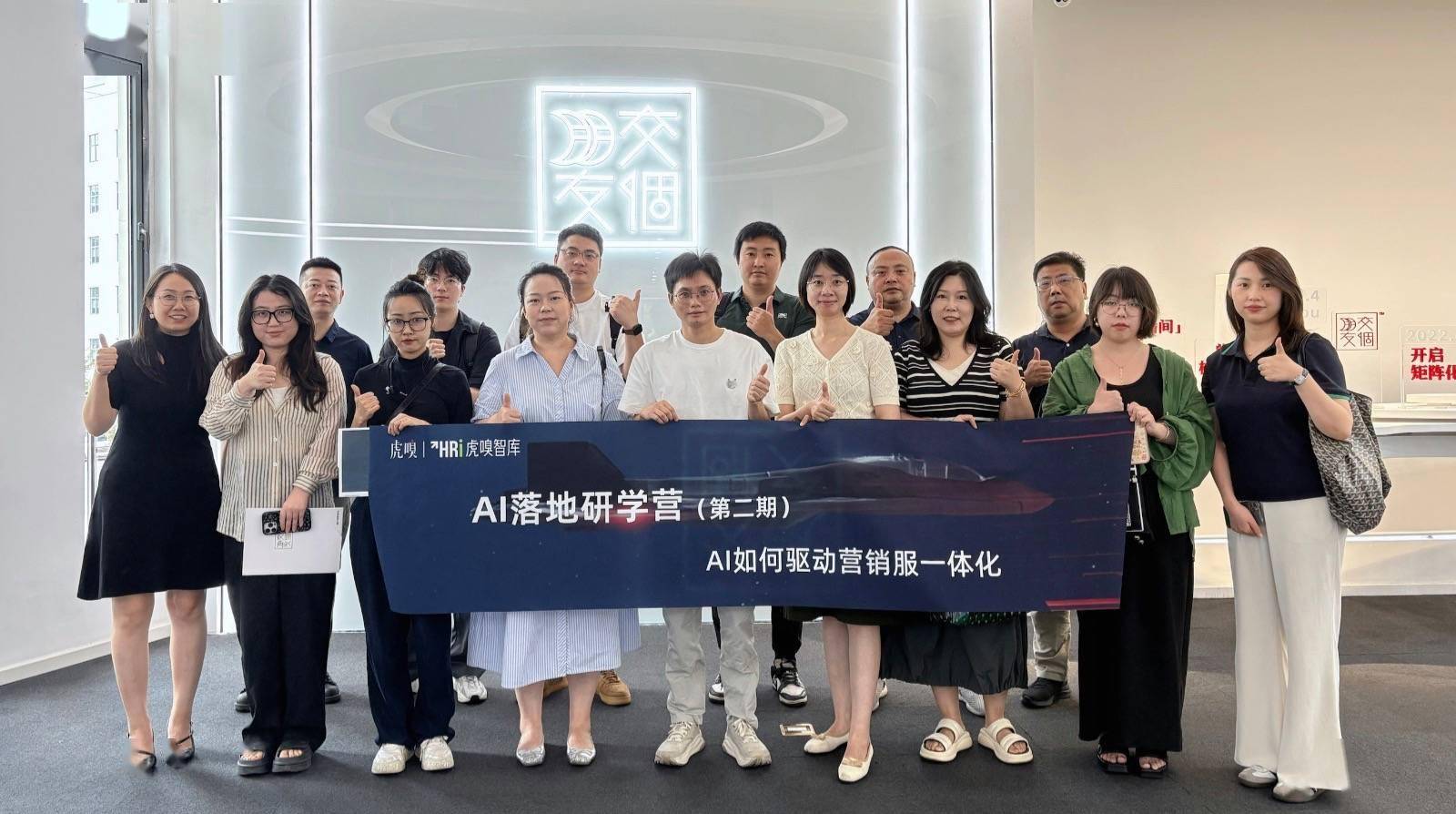
Core Insights - The core viewpoint of the articles emphasizes that AI has transitioned from a trial phase to being fully integrated into core business operations, yielding significant results across various sectors [2][3]. Group 1: AI Implementation in E-commerce - Companies are now focused on how to effectively utilize AI rather than whether to adopt it [3]. - "交个朋友" has established a comprehensive live-streaming e-commerce platform called "Friends Manus," which integrates AI for product selection, legal review, and content generation, aiming for a fully automated live-streaming process [6][7]. - The "双数字人互动直播间" launched by "交个朋友" achieved a GMV of 55 million in a single session, showcasing the potential of AI in enhancing live-streaming interactions [7]. Group 2: Customer Service Transformation - "网易云商" is evolving customer service from a passive role to an active one, utilizing AI to create a "digital employee" matrix that enhances user engagement and growth [9][10]. - The "金牌推荐官" initiative by 王府井集团 and "网易云商" employs AI agents for personalized shopping assistance, significantly improving customer experience and order conversion rates [9][10]. Group 3: Cost Efficiency in Product Photography - "WeShop唯象" has developed an AI-driven tool that allows merchants to generate high-quality commercial images and videos without the need for traditional photography setups, drastically reducing costs and time [10][11]. - The platform has gained over one million global users since its launch in May 2023, indicating strong market demand for AI solutions in e-commerce [11]. Group 4: Streamlining Fashion Design and Production - "凌迪科技" employs AI and 3D technology to streamline the entire clothing design process, reducing the time required for sample production from weeks to just two hours [13][14]. - The introduction of the Style3D AI module allows for automated garment pattern generation and design, significantly enhancing efficiency in the fashion industry [13][14]. Group 5: Industry Consensus on AI Adoption - Industry leaders agree on the importance of identifying specific pain points for AI implementation, emphasizing the need for structured data and user-friendly technology to facilitate adoption [15]. - The consensus also highlights the necessity of cultivating talent that understands both AI technology and business operations to bridge the gap between the two [15].

36氪East Forward 2025出海全球化创新系列名册|重磅发布
36氪· 2025-07-22 10:21
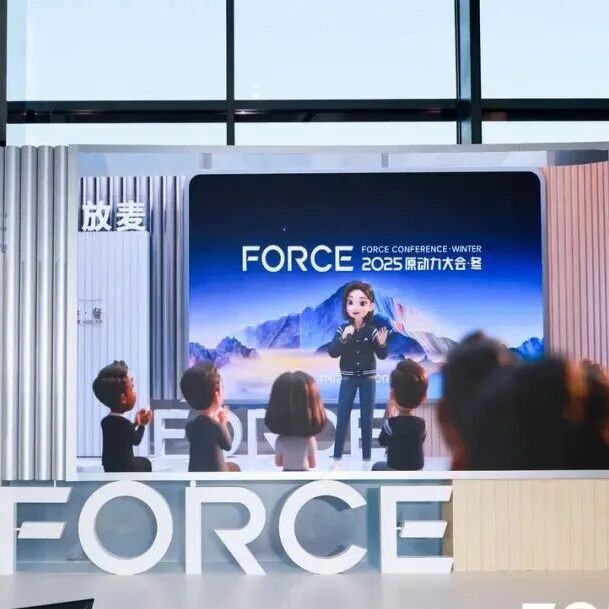
Core Viewpoint - Chinese enterprises are actively engaging in the long-term proposition of becoming "global enterprises," with significant growth in overseas market contributions and a shift towards innovation and localization in their global strategies [2][3]. Group 1: Market Expansion and Revenue Contribution - The market scale for Chinese enterprises going global is expanding, with a record export value of 13 trillion RMB in the first half of 2025, a year-on-year increase of 7.2% [2]. - In Q1 2025, China's total foreign direct investment reached 40.9 billion USD, up 6.2% year-on-year [2]. - A-share companies' overseas revenue is projected to exceed 10 trillion RMB in 2024, marking a 2.8-fold increase over the past decade, with overseas revenue accounting for 14.28% of total revenue, a rise of 4.65 percentage points compared to ten years ago [2]. Group 2: Globalization Trends and Strategies - The current phase of globalization for Chinese enterprises emphasizes not just "going out," but also the ability to "stay" and "integrate" into foreign markets [3]. - The transition from "goods going out" to "value going out" is driven by systematic evolution in technology, organization, and market strategy, focusing on product innovation and localization [3][4]. - A notable trend is the shift from "manufacturing" to "intelligent manufacturing," with many enterprises concentrating on key technology sectors such as smart manufacturing and AI [3]. Group 3: Localization and Organizational Changes - Many technology-driven enterprises are establishing R&D centers overseas from the outset, adopting a "native globalization" approach rather than the traditional "local first, then global" model [4]. - Over two-thirds of selected enterprises have set up local operational teams and decision-making centers abroad, enhancing local market responsiveness [4]. - The concept of localization has evolved from mere channel development to a comprehensive approach that includes organizational adaptation and local management integration [4]. Group 4: Sustainable Global Layout and Innovation - Content-driven enterprises are moving away from "traffic export" models to focus on building sustainable local content ecosystems, with some establishing "content outposts" for local narrative participation [5]. - The globalization of Chinese enterprises is now characterized by a need to reconstruct capabilities, driven by product, investment, and value outputs [5]. Group 5: Leadership and Governance - "Leading figures" in the globalization process are those who optimize organizational, governance, and product structures to build globally capable enterprises [7]. - These enterprises are increasingly establishing comprehensive overseas management systems that encompass strategic planning, brand building, and ESG responsibilities [7]. Group 6: Innovation and Market Responsiveness - Innovative figures focus on "opportunity structures," seeking unmet user needs and distribution gaps in global markets, emphasizing speed and product adaptability [27]. - Successful practices involve designing products for global users from the start, with flat organizational structures and market-aligned decision-making [27]. Group 7: Emerging Enterprises and Industry Concentration - The characteristics of outbound enterprises are becoming industry-specific, with technology-driven companies playing crucial roles in global applications of AI, robotics, and software services [56]. - Consumer brands leverage China's supply chain advantages to create closed loops of "front-end branding + back-end manufacturing" in overseas markets [56]. - Cultural and content enterprises are deeply engaging in local narrative construction, moving beyond simple content export strategies [56].
WeShop唯象总经理吴海波:AI创业已非“套壳应用”时代 | 2025 AI Partner大会
3 6 Ke· 2025-04-27 05:45
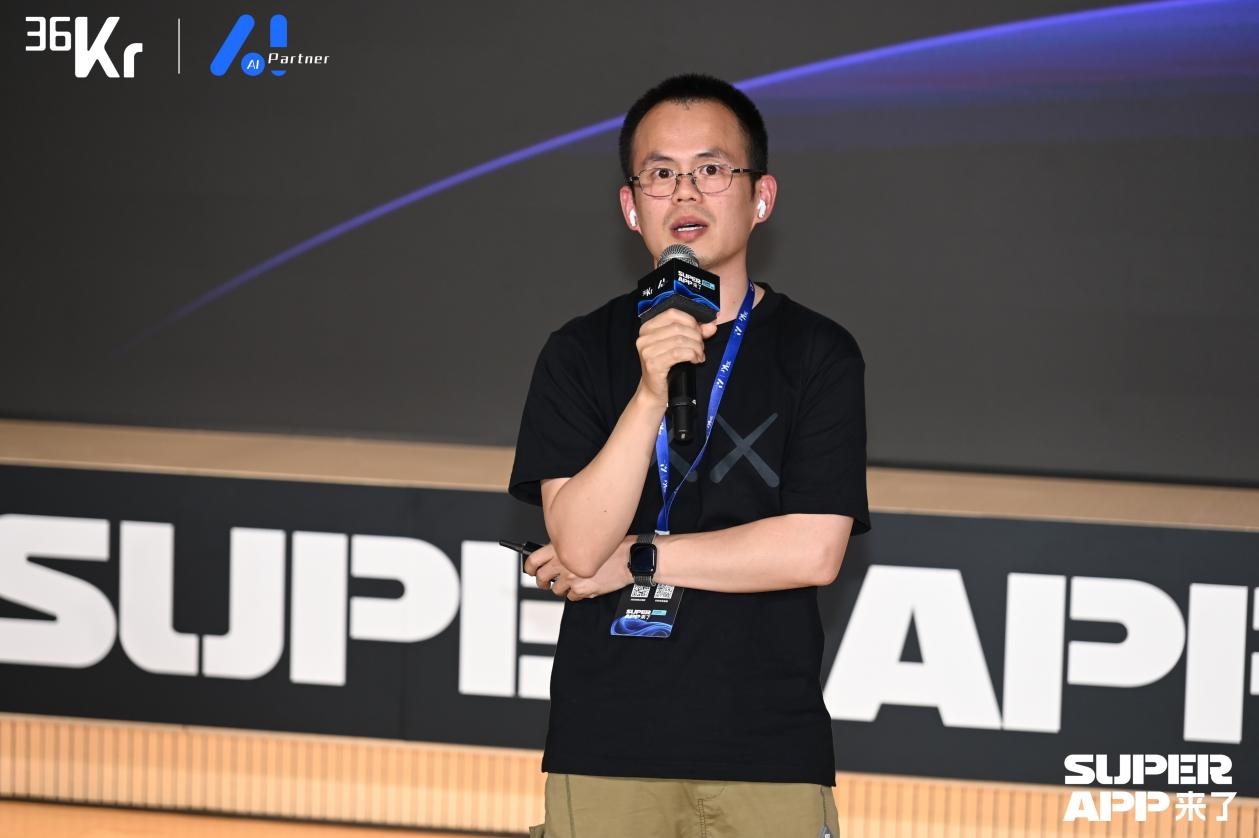
2025年是AI应用爆发的元年,当全球AI竞赛步入"中国时刻",一场深刻的技术变革正悄然改写产业格局。在此关键节点,行业面临核心命题:如 何跨越AI技术到规模化应用的鸿沟?下一个颠覆性的AI超级应用将诞生于何处? 4月18日,由36氪主办的2025 AI Partner大会于上海模速空间盛大启幕。本次大会以"Super APP来了"为主题,聚焦AI应用对千行百业的颠覆性变革。大会分 为"Super App来了"和"谁是下一个超级应用"两大篇章,覆盖"在AI世界中长大""2025卷AI就卷超级应用"等七大话题,涵盖10+场主题演讲、3场圆桌对话与 两大优秀AI案例企业名册发布环节,深度剖析AI技术如何重构商业逻辑、重塑产业格局,探索AI超级应用带来的无限可能。 当日,WeShop唯象总经理吴海波带来了《WeShop唯象的全球化之路:进化or淘汰》的主题分享。 以下为吴海波演讲内容,经36氪整理编辑: 感谢 36 氪的邀请!大家下午好,我是来自WeShop唯象的吴海波。今天,我想结合这两年WeShop的创业历程,分享一些实战中的观察与思考,希望能为身 处AI浪潮中的创业者带来启发。 WeShop唯象总经理吴海波 ...