
乡土文化

Search documents
(新春走基层)福建屏南:古桥“万安”横碧水 乡宴“万安”庆新春
Xin Lang Cai Jing· 2026-02-20 12:24
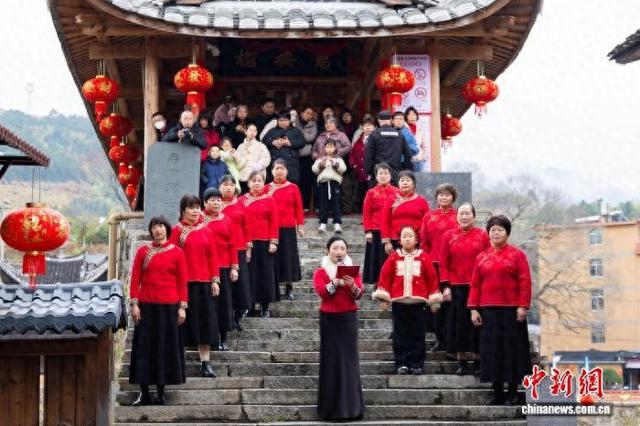
中新网宁德2月20日电 (叶茂 甘叶斌)龙舞桥畔辞旧岁,宴聚万安迎新春。正月里的福建省宁德市屏南县 长桥镇长桥村,因一座古桥和一场乡宴而格外热闹。 活动伊始,万安桥头锣鼓齐鸣,由长桥村村民自发组建的万安舞龙队队员们,手持彩龙,随着鼓点舞 动,时而腾跃翻滚,时而盘旋游走,翩跹起伏,用最地道的民俗表演迎接四方来客。 身着红衣 的盘诗队艺人分立台阶两侧,用地道的本土方言即兴对唱。陈伟杰 摄 横跨于溪水之上的万安桥,始建于北宋,桥长98.2米,宽4.7米,有着五墩六孔多跨的独特结构,是全国 现存长度最长的一座木拱廊桥。19日以来,这座全国重点文物保护单位再度热闹起来,舞龙祈福、盘诗 对唱的民俗表演轮番登场,承载着乡愁与温情的万安宴如期开席,村民与游客欢聚一堂,品美食、赏民 俗、话团圆。 来自福州市的吴先生说,这么多人热热闹闹地围坐在一起,第一次感受到别样热闹的春节氛围,真是不 错的一次乡村体验。 万安桥上 的万安宴,数十张餐桌依次排开。陈伟杰 摄 作为"中国乡宴"的典型代表,万安宴承载着"平安顺遂、团圆和美"的美好祈愿。它以万安桥为依托,以 屏南特色农家菜为媒介,将古桥建筑、民俗表演与饮食文化融为一体,成为展现长桥文 ...

回乡过年,看见不一样的家乡
Xin Lang Cai Jing· 2026-02-17 21:44
Core Viewpoint - The article highlights the transformation of rural areas in Northeast China, emphasizing improved transportation, enhanced living conditions, and the revival of traditional customs, which collectively strengthen the emotional ties of returning migrants to their hometowns [6][14]. Group 1: Transportation Improvements - The introduction of the Shenyang-White High-Speed Railway has significantly reduced travel time for returnees, allowing for more frequent visits home [8]. - The completion of local road projects, such as the 300-meter cement road in Lizi Fang Town, has improved accessibility and convenience for villagers [9]. - Dalian's investment in road infrastructure, totaling nearly 1,000 kilometers of hardened roads and over 3,000 new streetlights, has positively impacted over 330,000 residents [10]. Group 2: Environmental Enhancements - Villages have undergone significant beautification, with clean roads and well-maintained public spaces, contributing to a more appealing living environment [12]. - The implementation of waste sorting and management practices has led to cleaner villages, enhancing community pride and quality of life [13]. - The establishment of cultural activity centers, such as the "Spring Square" in Bayuan Chuan Village, has fostered community engagement and revitalized local traditions [11]. Group 3: Cultural Revival and Economic Opportunities - Traditional customs and local delicacies have seen a resurgence, with events like the "pig-killing feast" attracting younger generations and fostering cultural identity [14][16]. - The agricultural sector has adapted to modern demands, with local produce like wild vegetables being marketed beyond regional boundaries, reflecting a shift from subsistence to commercial agriculture [15]. - The transformation of abandoned houses into guesthouses has created new economic opportunities for villagers, encouraging them to return and invest in their communities [12].
红纸一剪年味浓
Xin Lang Cai Jing· 2026-02-02 23:09
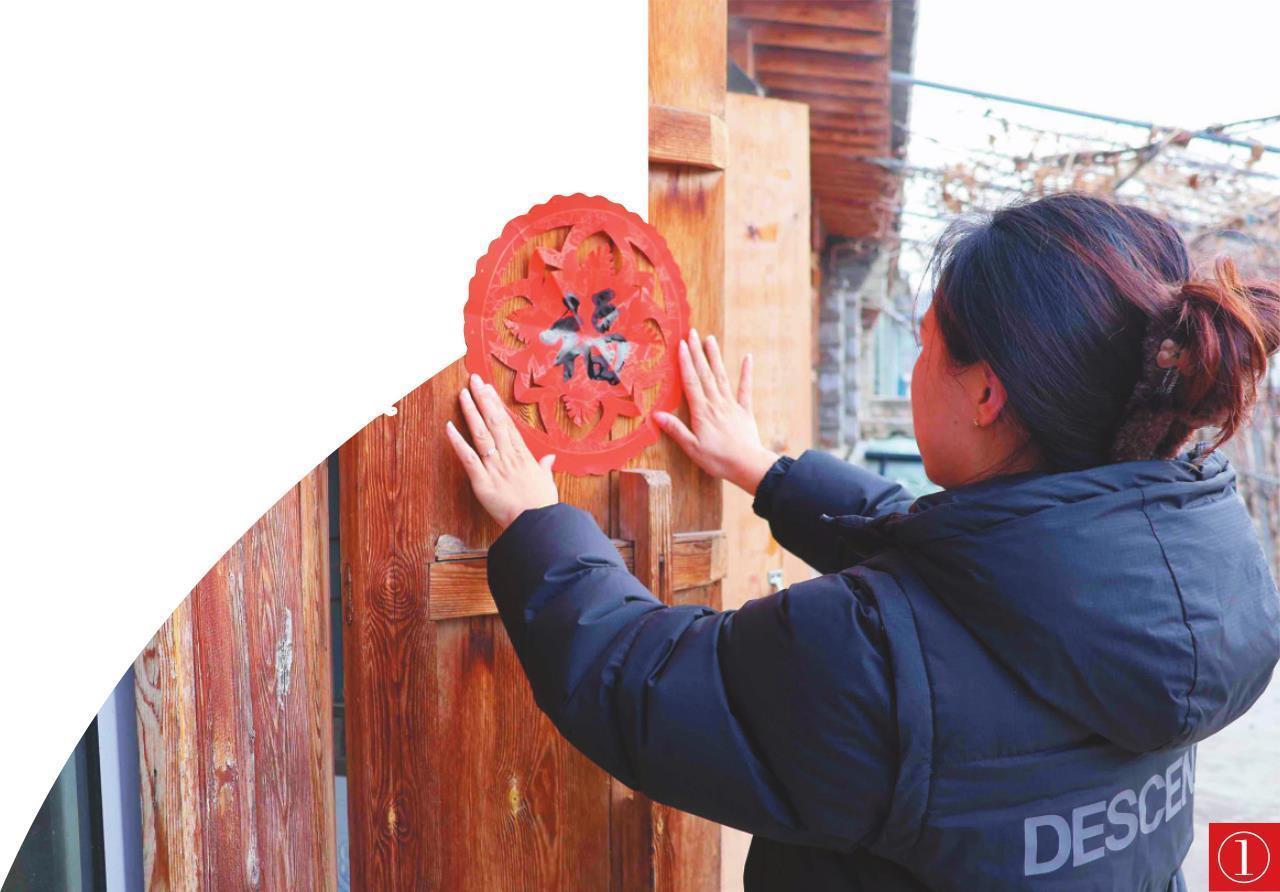
Core Viewpoint - The article highlights the cultural significance and vibrant traditions of paper-cutting in Gaomi, Shandong, particularly during the New Year celebrations, showcasing the local craftsmanship and community spirit associated with this art form [3][4][5]. Group 1: Cultural Significance - Gaomi is characterized by various red symbols, including "red sorghum culture," "pu gui year painting," "mud sculpture," and "paper-cutting," all of which contribute to a sense of abundance and cultural richness during the New Year [3][4]. - The local paper-cutting art is renowned for its vitality and originality, with intricate designs that reflect the community's heritage and creativity [4]. Group 2: Community Engagement - The article describes lively scenes in Gaomi, where people participate in paper-cutting competitions, with winners receiving traditional red paper couplets, emphasizing the competitive yet festive atmosphere [4][5]. - Children are actively involved in learning and practicing paper-cutting, ensuring the tradition is passed down to future generations while also incorporating modern themes into their creations [5][6]. Group 3: Artistic Expression - The paper-cutting art features various themes, including traditional motifs like children and auspicious symbols, which convey messages of prosperity and good fortune [5][6]. - A large interactive paper-cutting display allows visitors to engage with the art form, symbolizing the connection between the community and its cultural heritage [6].
年货上线,山亭大集已调至“春节档”
Qi Lu Wan Bao· 2026-01-22 23:22
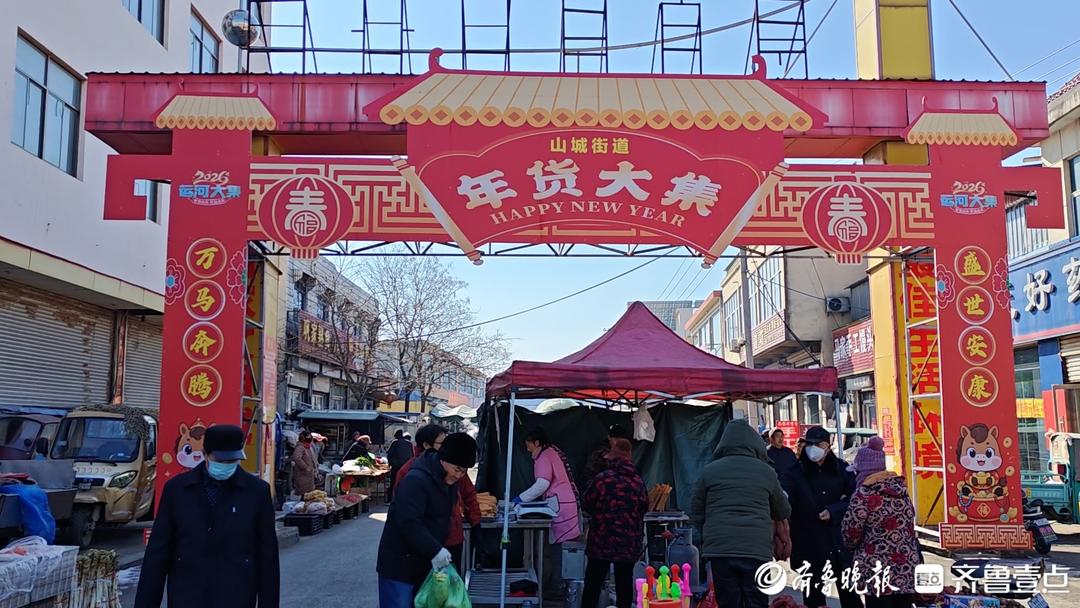
Core Viewpoint - The article highlights the vibrant atmosphere and cultural significance of the Shanting Rural Market in Zaozhuang, which attracts thousands of visitors and serves as a cultural landmark, blending traditional practices with modern influences [1][11]. Group 1: Market Dynamics - The Shanting Rural Market, held on specific lunar calendar dates, spans over 50 acres with more than 400 stalls, attracting an average of over 10,000 visitors daily and nearly 30,000 during peak times [1]. - The market has evolved from a small riverside trading spot to a well-organized cultural hub, serving not only local villages but also drawing visitors from nearby cities like Jining and Linyi [1][11]. Group 2: Traditional Crafts and Vendors - Local vendors, such as Qin Jingli and Wang Yuyan, maintain traditional methods in their products, like the "Old Locust Tree" sesame oil, which has been made using ancient techniques for over a century [3]. - Blacksmith Liang Xuexian continues a family tradition of over a hundred years, producing essential farming tools and kitchenware, indicating the enduring demand for traditional craftsmanship [5]. Group 3: Cultural Significance - The market serves as a platform for cultural expression, featuring performances of intangible cultural heritage such as clay sculpture and traditional arts, enhancing community engagement [7]. - Local authorities have invested over 3.2 million yuan in upgrading the market's infrastructure, including improved facilities and safety measures, to preserve its traditional charm while enhancing visitor experience [11].
长沙城乡之间一场场杀猪宴热辣滚烫,唤醒冬日温情与传统记忆
Chang Sha Wan Bao· 2026-01-15 23:57
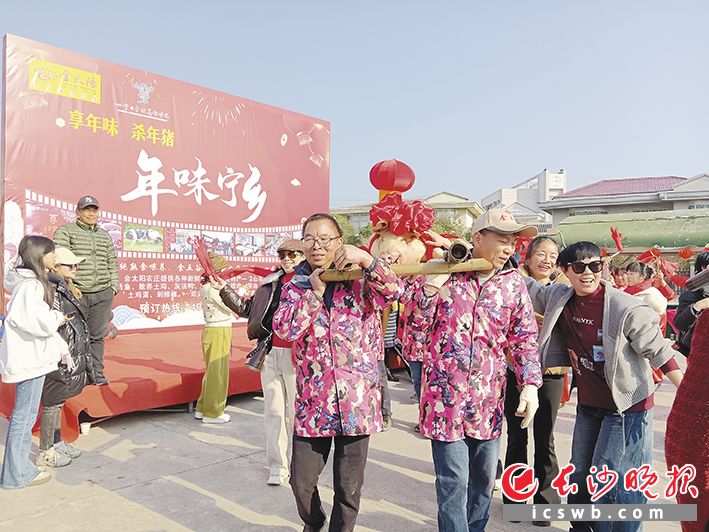
Core Viewpoint - The article highlights the resurgence of traditional pig-slaughtering feasts in Changsha, showcasing a blend of cultural heritage and modern tourism, attracting both locals and visitors to experience the festive atmosphere and local cuisine [1][3][5]. Group 1: Traditional Pig-Slaughtering Events - In Ningxiang, the "Kill the New Year Pig" event at the Jin Taiyang Hot Spring attracted many visitors, featuring interactive rituals and fresh pork distribution, enhancing the festive experience [3]. - In Liuyang, the local community organized a pig-slaughtering feast that quickly gained popularity, leading to an increase in the number of tables to accommodate the unexpected influx of guests [5]. - Villagers in Xiangjiang New District spontaneously organized a pig-slaughtering feast, emphasizing community spirit and traditional practices, with participants contributing homegrown ingredients [8][9]. Group 2: Urban Adaptation of Traditions - The "City Pig-Slaughtering" event in Yuhua District combined traditional elements with modern entertainment, drawing large crowds and providing a nostalgic experience for urban residents [11]. - Local entrepreneurs initiated the urban pig-slaughtering event to reconnect city dwellers with traditional New Year flavors, ensuring that everyone could enjoy the experience [11]. - Various upcoming events across different locations, such as the "Kill the New Year Pig" activities in Heimi Peak and Liuyang, aim to further promote local culinary traditions and cultural experiences [12][13].
村晚 乡土文化盛宴
Xin Lang Cai Jing· 2025-12-29 22:22
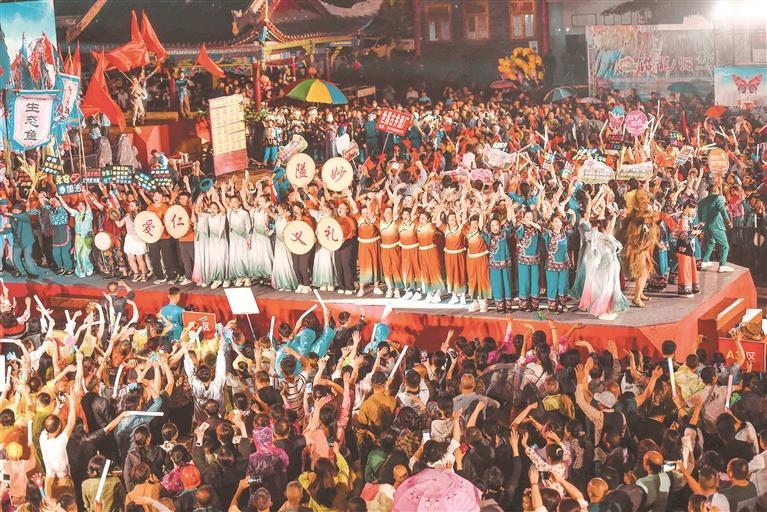
Core Insights - The "Songtao Village Evening" has transformed local villagers from spectators to performers, showcasing rich local culture and generating significant online engagement with over 15.5 million live views and more than 1 billion total video plays [1] - The event has not only attracted attention but also translated into tangible economic benefits, with over 500,000 tourists and a total tourism revenue exceeding 12 million yuan [1] - The event has fostered ethnic unity and collaboration, with performances from both local and external participants, highlighting community bonds and cultural exchange [2] Summary by Sections - **Cultural Impact**: The "Songtao Village Evening" has allowed villagers to express their cultural heritage through self-directed performances, enhancing community pride and engagement [1] - **Economic Benefits**: The event has significantly boosted local tourism, attracting over 500,000 visitors and generating more than 12 million yuan in revenue, demonstrating the economic potential of cultural events [1] - **Community and Unity**: The event has brought together diverse groups, fostering a sense of unity and collaboration among different ethnic communities, as seen in joint performances and shared stories [2]
最近,又一个山东大集火了!
Ren Min Wang· 2025-12-04 05:10
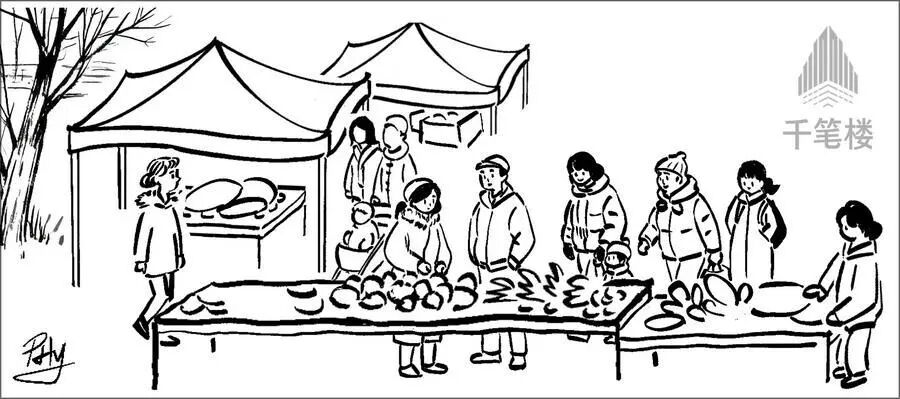
Core Insights - The Cao Wa market in Shandong has gained significant popularity, attracting over 100,000 visitors in a single day and generating a consumption volume of 5 to 6 million yuan, with online engagement exceeding 400 million views [1][5] Group 1: Market Characteristics - The Cao Wa market spans 170 acres with over 2,000 stalls and employs more than 5,000 people, making it one of the largest markets in the region [1] - The market features a diverse range of products, including local delicacies such as lamb soup and various snacks, appealing to both local and cross-province visitors [1][2] Group 2: Cultural and Social Appeal - The market offers a unique blend of local culture and culinary experiences, with traditional performances and local crafts enhancing the visitor experience [2][3] - Visitors express a nostalgic connection to their childhood experiences at markets, highlighting the emotional and cultural significance of the gathering [4] Group 3: Economic Impact - Specific stalls report impressive sales figures, such as a fried bun stall selling 7,000 yuan worth of goods and a rice cake stall selling two tons, contributing to the overall market's substantial economic activity [5] - The market serves as a model for rural economic revitalization, demonstrating how local markets can be transformed into vibrant economic hubs through community engagement and cultural integration [5]
千笔楼|10万人赶曹洼大集,到底在“赶”什么?
Xin Hua She· 2025-12-03 12:25
Core Insights - The Cao Wa market has become a significant attraction, drawing over 100,000 visitors in a single day and generating a consumption volume of approximately 5 to 6 million yuan [1][5] - The market's appeal lies in its rich cultural offerings and local delicacies, which resonate with visitors seeking authentic experiences [3][4] Group 1: Market Dynamics - The Cao Wa market, located in Linyi City, covers an area of 170 acres with over 2,000 stalls and employs more than 5,000 people, making it one of the largest markets in the region [1][2] - Visitors are drawn from various provinces, with a notable presence of vehicles from Henan, Anhui, and Jiangsu, indicating a broad geographic interest [2][3] - The average spending per visitor is around 50 yuan, which, while modest, translates into substantial overall sales due to the high foot traffic [5][7] Group 2: Cultural Significance - The market serves as a cultural hub, showcasing local crafts such as traditional gourd painting and live performances of regional opera, enhancing the visitor experience [2][3] - The integration of local culture and culinary offerings creates a unique atmosphere that attracts urban dwellers seeking a connection to rural traditions [3][4] Group 3: Economic Impact - Specific stalls report impressive sales figures, such as a fried bun stall selling 7,000 yuan worth of goods per market day and a rice cake stall selling two tons, contributing to the overall market's economic vitality [5][7] - The market exemplifies the potential for rural markets to stimulate local economies, aligning with national initiatives to enhance county-level commercial activities [7]
10万人赶曹洼大集,到底在“赶”什么?
Xin Hua She· 2025-12-03 11:27
Core Insights - The Cao Wa market in Shandong has become a significant attraction, drawing over 100,000 visitors in a single event and generating a consumption volume of 5 to 6 million yuan [1][5] - The market's appeal lies in its combination of local culture, diverse products, and a vibrant atmosphere, making it a unique destination for both locals and tourists [2][4] Group 1: Market Dynamics - The Cao Wa market spans 170 acres with over 2,000 stalls and employs more than 5,000 people, making it one of the largest markets in the region [1] - Visitors are drawn to the market for its affordable and delicious local foods, with an average spending of about 50 yuan per person, which is significantly lower than urban dining costs [4][5] - The market has seen impressive sales figures, such as a single stall selling 100 pans of fried buns for a revenue of 7,000 yuan, and another selling two tons of rice cakes for 30,000 to 40,000 yuan per event [5] Group 2: Cultural Significance - The market serves as a cultural hub, showcasing local crafts like willow weaving and traditional performances, enhancing the visitor experience beyond mere shopping [3] - The atmosphere is described as warm and inviting, with a strong sense of community and nostalgia, attracting visitors who seek a connection to their roots [2][4] Group 3: Economic Implications - The success of the Cao Wa market exemplifies the potential for rural markets to stimulate local economies and enhance consumer spending, aligning with national initiatives to improve rural commerce [5] - The market's ability to transform small individual purchases into substantial overall sales highlights the untapped consumer potential in rural areas [5]
“我的故乡在冀中赵州”,《铁扬文集》首发暨研讨会举办
Xin Jing Bao· 2025-09-27 23:17
Core Viewpoint - The event marked the launch of "Tie Yang's Collected Works," showcasing the author's literary and artistic journey, emphasizing the deep connection between his works and his rural roots in Hebei [1][2]. Group 1: Event Overview - The launch event was co-hosted by multiple literary organizations, including the Chinese Writers Association and the Hebei Provincial Writers Association [1]. - Key attendees included prominent figures in the literary community, highlighting the significance of the event [1]. Group 2: Content of the Collected Works - "Tie Yang's Collected Works" consists of 870,000 words, featuring various genres such as essays, short stories, and a long novel [1]. - The works reflect the author's deep thoughts on art and life, as well as a genuine record of the changes in Chinese rural culture [1][3]. Group 3: Artistic Perspective - The collected works are described as a prism reflecting Tie Yang's unique artistic characteristics across novels, essays, and cultural reflections [1]. - Tie Yang's dual identity as both a painter and a writer enriches his observations and expressions of life, beauty, and human nature [2][3]. Group 4: Themes and Inspirations - The narratives explore themes of resilience during historical events like the Anti-Japanese War and the early days of China's reform and opening up [1]. - The author draws inspiration from his childhood experiences and the rural environment, which significantly influence his storytelling [3].