农村消费

Search documents
税收数据折射农村消费变化
Sou Hu Cai Jing· 2026-02-02 01:56
Group 1 - The consumption market in China is showing new highlights driven by a series of consumption-boosting policies, with significant growth in rural-related consumption demand [2] - Retail sales in the home appliance sector, such as refrigerators, kitchenware, and communication devices, are projected to grow by 17.4%, 12.9%, and 18.6% respectively in 2025, indicating a shift towards quality upgrades in rural consumption [2] - The sales and revenue of new energy passenger vehicles are expected to increase by 24.3% and 21.1% respectively, reflecting the impact of large-scale equipment renewal policies in agricultural production and circulation [2] Group 2 - The growth of cultural tourism and service consumption is expanding opportunities for rural industry development, with significant increases in sales revenue from cultural performances, scenic spots, and leisure activities [3] - Digital consumption is increasingly influencing the rural market, with sales in internet life service platforms and food delivery services continuing to grow, and new sales methods like live streaming and online transactions gaining traction [3] - There is a steady increase in consumption demand related to elderly care and childcare services, supported by the ongoing development of the childcare service system, which enhances the rural public service framework [3]


最近,又一个山东大集火了!
Ren Min Wang· 2025-12-04 05:10
Core Insights - The Cao Wa market in Shandong has gained significant popularity, attracting over 100,000 visitors in a single day and generating a consumption volume of 5 to 6 million yuan, with online engagement exceeding 400 million views [1][5] Group 1: Market Characteristics - The Cao Wa market spans 170 acres with over 2,000 stalls and employs more than 5,000 people, making it one of the largest markets in the region [1] - The market features a diverse range of products, including local delicacies such as lamb soup and various snacks, appealing to both local and cross-province visitors [1][2] Group 2: Cultural and Social Appeal - The market offers a unique blend of local culture and culinary experiences, with traditional performances and local crafts enhancing the visitor experience [2][3] - Visitors express a nostalgic connection to their childhood experiences at markets, highlighting the emotional and cultural significance of the gathering [4] Group 3: Economic Impact - Specific stalls report impressive sales figures, such as a fried bun stall selling 7,000 yuan worth of goods and a rice cake stall selling two tons, contributing to the overall market's substantial economic activity [5] - The market serves as a model for rural economic revitalization, demonstrating how local markets can be transformed into vibrant economic hubs through community engagement and cultural integration [5]
千笔楼|10万人赶曹洼大集,到底在“赶”什么?
Xin Hua She· 2025-12-03 12:25
Core Insights - The Cao Wa market has become a significant attraction, drawing over 100,000 visitors in a single day and generating a consumption volume of approximately 5 to 6 million yuan [1][5] - The market's appeal lies in its rich cultural offerings and local delicacies, which resonate with visitors seeking authentic experiences [3][4] Group 1: Market Dynamics - The Cao Wa market, located in Linyi City, covers an area of 170 acres with over 2,000 stalls and employs more than 5,000 people, making it one of the largest markets in the region [1][2] - Visitors are drawn from various provinces, with a notable presence of vehicles from Henan, Anhui, and Jiangsu, indicating a broad geographic interest [2][3] - The average spending per visitor is around 50 yuan, which, while modest, translates into substantial overall sales due to the high foot traffic [5][7] Group 2: Cultural Significance - The market serves as a cultural hub, showcasing local crafts such as traditional gourd painting and live performances of regional opera, enhancing the visitor experience [2][3] - The integration of local culture and culinary offerings creates a unique atmosphere that attracts urban dwellers seeking a connection to rural traditions [3][4] Group 3: Economic Impact - Specific stalls report impressive sales figures, such as a fried bun stall selling 7,000 yuan worth of goods per market day and a rice cake stall selling two tons, contributing to the overall market's economic vitality [5][7] - The market exemplifies the potential for rural markets to stimulate local economies, aligning with national initiatives to enhance county-level commercial activities [7]
10万人赶曹洼大集,到底在“赶”什么?
Xin Hua She· 2025-12-03 11:27
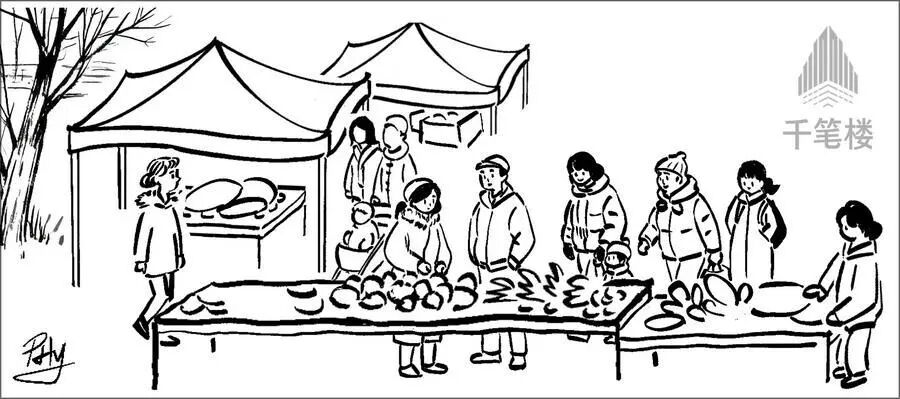
Core Insights - The Cao Wa market in Shandong has become a significant attraction, drawing over 100,000 visitors in a single event and generating a consumption volume of 5 to 6 million yuan [1][5] - The market's appeal lies in its combination of local culture, diverse products, and a vibrant atmosphere, making it a unique destination for both locals and tourists [2][4] Group 1: Market Dynamics - The Cao Wa market spans 170 acres with over 2,000 stalls and employs more than 5,000 people, making it one of the largest markets in the region [1] - Visitors are drawn to the market for its affordable and delicious local foods, with an average spending of about 50 yuan per person, which is significantly lower than urban dining costs [4][5] - The market has seen impressive sales figures, such as a single stall selling 100 pans of fried buns for a revenue of 7,000 yuan, and another selling two tons of rice cakes for 30,000 to 40,000 yuan per event [5] Group 2: Cultural Significance - The market serves as a cultural hub, showcasing local crafts like willow weaving and traditional performances, enhancing the visitor experience beyond mere shopping [3] - The atmosphere is described as warm and inviting, with a strong sense of community and nostalgia, attracting visitors who seek a connection to their roots [2][4] Group 3: Economic Implications - The success of the Cao Wa market exemplifies the potential for rural markets to stimulate local economies and enhance consumer spending, aligning with national initiatives to improve rural commerce [5] - The market's ability to transform small individual purchases into substantial overall sales highlights the untapped consumer potential in rural areas [5]
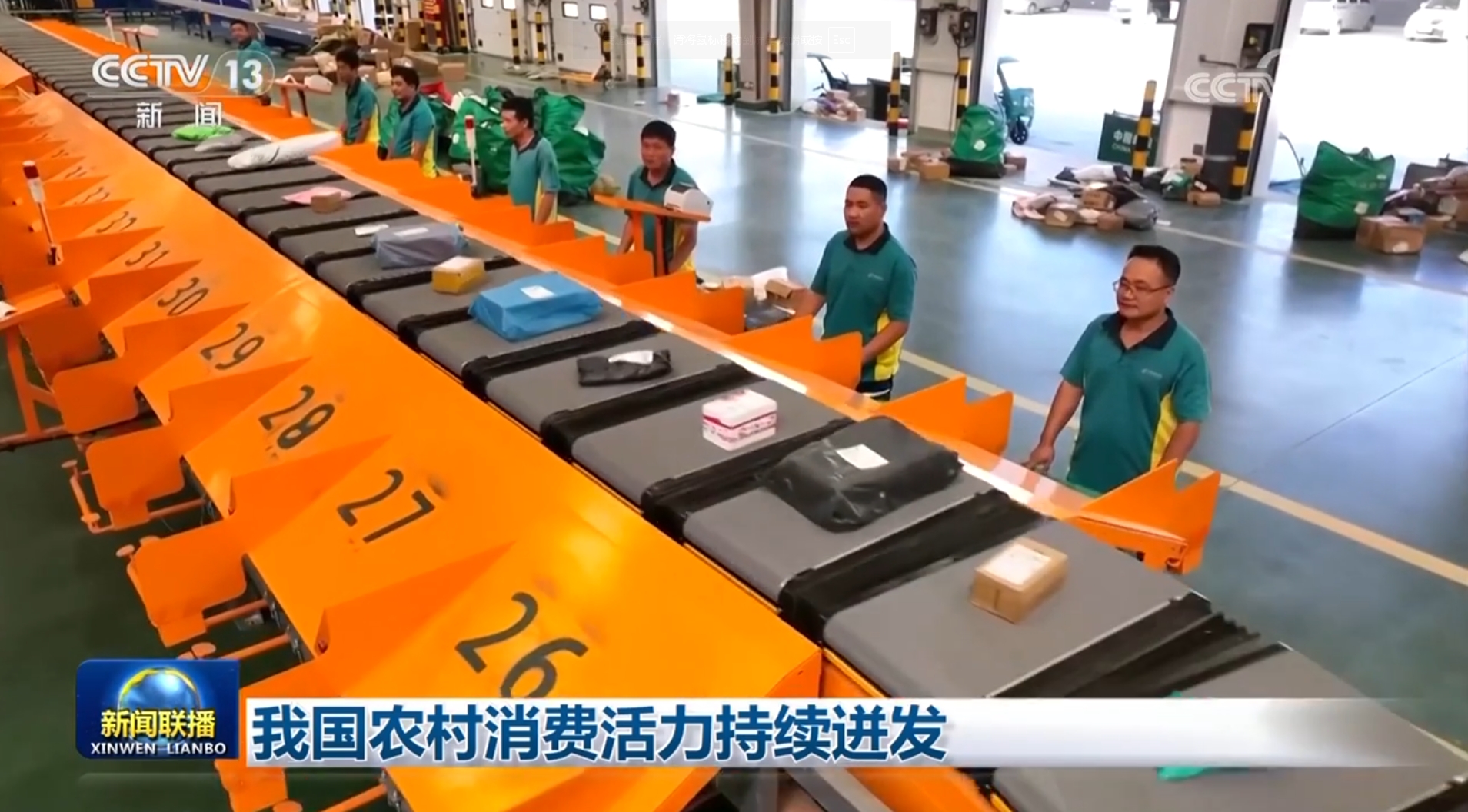
我国农村消费活力持续迸发
Yang Shi Wang· 2025-08-23 12:31
Core Viewpoint - The rural logistics distribution system in China has been significantly improved this year, leading to increased e-commerce activity and stimulating rural consumption vitality [1] Group 1: Rural E-commerce Growth - In the first seven months of this year, rural online retail sales increased by 6.4% year-on-year, enhancing the availability of quality goods for farmers [3] - The number of rural online merchants has exceeded 19.5 million, marking a 6.4% year-on-year growth [7] - The online retail sales of agricultural products grew by 7.4% from January to July [7] Group 2: Logistics System Development - Since 2022, 1,285 county-level logistics centers and 1,457 township express logistics stations have been built or renovated across the country [5] - The coverage rate of express delivery services in administrative villages has reached 95%, with over one-third of counties achieving same-day delivery [5] - The continuous expansion of the rural logistics distribution network has facilitated the growth of e-commerce entrepreneurship among rural youth and local leaders [7] Group 3: Rural Income and Consumption - The per capita disposable income of rural residents increased by 6.2% year-on-year in the first half of this year [7]