人性

Search documents
人际关系暗黑法则:你强大时所遇皆人品,你弱小时所遇皆人性
洞见· 2026-03-26 12:39
Core Viewpoint - The article discusses the reality of human relationships, emphasizing that people's attitudes often depend on one's utility and status, revealing the true nature of human interactions during times of success and failure [5][23][39]. Group 1: Personal Experiences and Observations - The author shares the experiences of various individuals, such as Shi Yuzhu and Jia Pingwa, who faced abandonment by friends during difficult times, highlighting the superficiality of relationships based on personal gain [6][9][11]. - Shi Yuzhu's experience during a financial crisis illustrates how quickly friends can turn away when one is no longer perceived as beneficial [7][8]. - Jia Pingwa's decline in social interactions during his hardships further emphasizes the theme of "human feelings being as thin as paper" [10][11]. Group 2: Insights on Human Nature - The article reflects on the idea that people often fail to recognize the transactional nature of relationships until they experience hardship, leading to a clearer understanding of human nature [21][22]. - It suggests that individuals should not overestimate emotional connections and should maintain a rational perspective on interpersonal relationships [23][24]. - The narrative encourages readers to focus on self-improvement rather than being affected by others' attitudes, as one's value ultimately dictates the dynamics of relationships [30][31][36]. Group 3: Lessons Learned - The experiences shared lead to the conclusion that true maturity involves understanding and respecting the rules of human nature while striving for personal growth [39][40]. - The article advocates for a mindset that prioritizes self-development and resilience, suggesting that maintaining a strong inner self is crucial for navigating social dynamics [35][36][38].


导演滕华涛:要讲的依旧是人性
Xin Lang Cai Jing· 2026-02-27 07:05
Core Viewpoint - The new series "除恶" (Eliminate Evil) by director Teng Huatao marks his return to the crime genre after nearly 30 years, focusing on human nature rather than traditional drug enforcement narratives [8][12]. Group 1: Series Overview - "除恶" is a 16-episode short drama adapted from a novel by Remy, set in a small southern county, exploring the desires, struggles, and downfalls within a close-knit community [8][9]. - The series opens with a tense police confrontation but shifts focus to character development and personal dilemmas, contrasting with typical fast-paced crime dramas [9][10]. Group 2: Character Dynamics - The show features three sisters with contrasting roles: one is a drug enforcer, another a dealer, and the third an addict, highlighting the complexities of their relationships [10]. - The main character, Cheng Ken, portrayed by Wang Xiao, is depicted as an ordinary father who, under pressure, makes choices that lead him deeper into crime, resonating with viewers [10][11]. Group 3: Casting and Performance - The casting of "除恶" has been praised for its precision, with actors embodying their roles authentically, contributing significantly to the series' success [11]. - Teng Huatao emphasizes that the actors' dedication and preparation were crucial, with many immersing themselves in their roles to enhance authenticity [11][12]. Group 4: Market Trends and Future Directions - The series reflects a shift in viewer preferences towards shorter, more focused narratives, with Teng predicting that short dramas will become a dominant trend in the industry [12][13]. - "除恶" is designed to be a tightly woven narrative without extraneous subplots, appealing to audiences who favor intense, character-driven stories [12][13].

用热血与忠诚书写时代史诗
Xin Lang Cai Jing· 2026-02-19 17:50
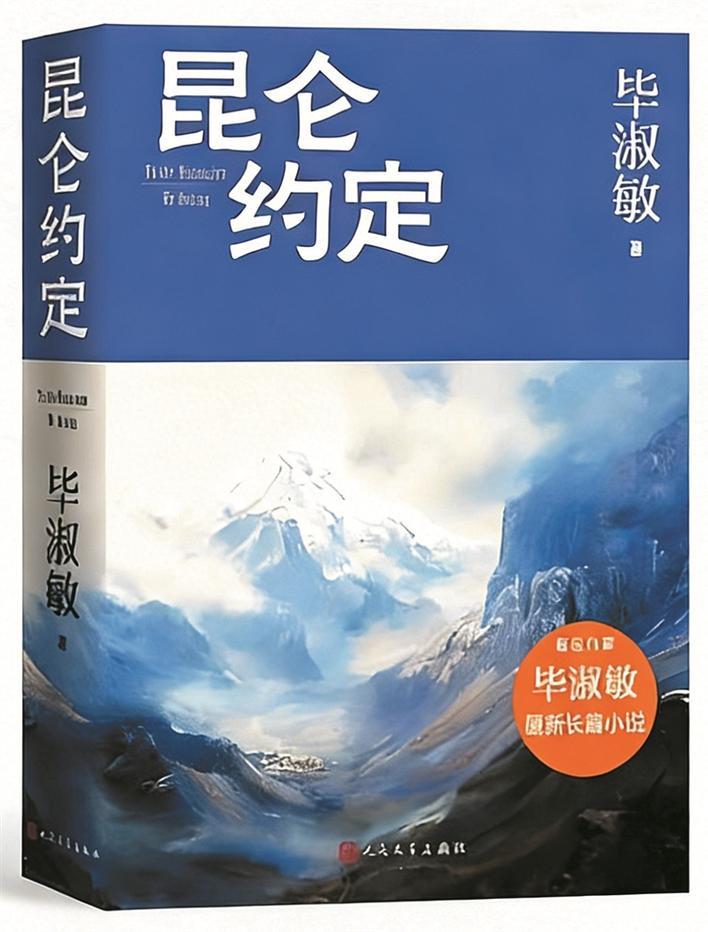
Core Viewpoint - The novel "Kunlun Agreement" by Bi Shumin is a profound exploration of the lives of border soldiers in the 1960s and 1970s, revealing the resilience of human spirit and the weight of history through its characters and their experiences [2][3][4][5] Summary by Sections Story Background - The narrative is set against the backdrop of the highland border defense during the 20th century, drawing from the author's personal experiences to create a vivid historical tapestry [3][4] - The focus is on ordinary yet remarkable soldiers, highlighting their daily lives, emotional struggles, and aspirations, rather than grand military scenes [3][4] Character Development - Key characters include Guo Huanjin, a soldier embodying loyalty and perseverance; Jing Zilian, an idealist inspiring those around him; and Mai Qingqing, a courageous woman bringing warmth to a male-dominated environment [3][4] - Each character represents a shared trait of unwavering loyalty to the country and a strong sense of duty [3][4] Themes Explored - The novel delves into themes of human nature, love, and friendship, showcasing the brilliance of humanity in extreme conditions [4] - The bonds of friendship among soldiers serve as a guiding light through adversity, while the love stories depicted are marked by steadfastness rather than romanticism [4] Writing Style - Bi Shumin's writing is characterized by simplicity and sincerity, effectively conveying deep emotions without ornate language [4] - The narrative structure intertwines multiple storylines, enriching the overall narrative and adding complexity [4] Overall Significance - "Kunlun Agreement" is viewed as a significant historical epic that prompts readers to reflect on the sacrifices made by soldiers for peace and happiness [5] - The book serves as a mirror for contemporary society, encouraging resilience and appreciation for genuine relationships [5] - It aims to inspire readers to draw strength from the stories of border soldiers and to carry forward their spirit [5]
一个人人际关系的不幸,都是单纯造成的
洞见· 2026-02-04 12:38
Group 1 - The article emphasizes the complexity of human nature and warns against being overly naive in interpersonal relationships, suggesting that excessive simplicity can lead to personal harm [3][5][15] - It shares anecdotes illustrating the consequences of blind trust, such as a colleague taking advantage of another's willingness to help, leading to betrayal and loss [6][10][15] - The narrative highlights the importance of recognizing the duality of human nature, where kindness can coexist with selfishness, and encourages a balanced approach to trust and caution in relationships [32][42][45] Group 2 - The article references successful individuals like Bill Gates, who understood the necessity of setting clear boundaries in partnerships to protect relationships from being compromised by financial interests [36][39][42] - It advocates for a mindset that combines kindness with a degree of skepticism, suggesting that one should be open-hearted yet maintain a level of awareness to avoid being exploited [47][49] - The conclusion encourages individuals to engage sincerely with those who deserve it while being cautious with those who do not, promoting a balanced approach to relationships [50][51]

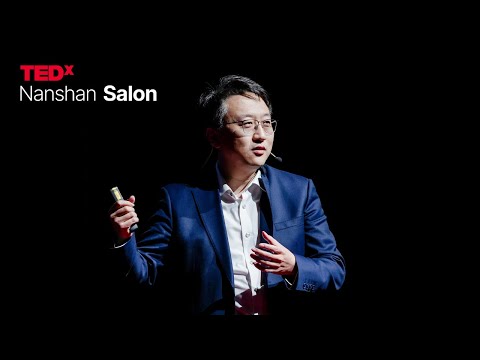
具身智能时代的温情突围:给机器一颗“暖”心 | 劲 张 | TEDxNanshan Salon
TEDx Talks· 2026-01-30 17:30
当机器人能跳舞、能劳作,我们害怕的究竟是什么? 张劲博士指出,我们恐惧的不是被机器取代,而是在效率至上的世界里失去“被需要”的尊严。 在他的演讲中,他分享了如何将机器人设计成“人性的放大器”,让技术回归服务人的本质,守护每个平凡个体的价值。 深圳大学人工智能学院助理教授 人工智能领域青年学者 This talk was given at a TEDx event using the TED conference format but independently organized by a local community. Learn more at https://www.ted.com/tedx ...
面对人性最好的方式:一手烧香,一手拿枪
洞见· 2026-01-20 12:35
Core Viewpoint - The article emphasizes the complexity of human nature and the importance of balancing kindness with self-protection in interpersonal relationships [5][32][58]. Group 1 - The story of a merchant and a robber illustrates the duality of human nature, where one must sometimes act harshly to prevent further harm [4][5]. - Understanding human nature allows individuals to navigate relationships without unnecessary entanglement, promoting a more peaceful coexistence [10][22]. - The narrative suggests that being forgiving and understanding can lead to a more harmonious life, but one must also be aware of the potential for exploitation [21][30]. Group 2 - The example of a single mother who remains calm and kind despite being wronged highlights the power of grace and composure in difficult situations [25][28]. - A friend's experience with relatives taking advantage of her kindness demonstrates the necessity of setting boundaries and being assertive when needed [36][41]. - The article advocates for a balance of compassion and assertiveness, suggesting that one should be both kind and firm to navigate the complexities of human interactions effectively [57][60].

一位历史学者的2025观影手记:抗战、二战与人性微光
Xin Lang Cai Jing· 2026-01-10 07:44
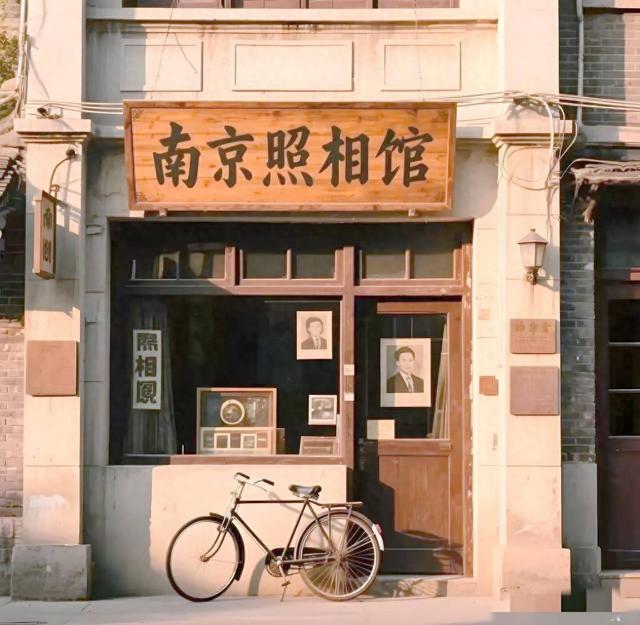
Core Viewpoint - The article discusses the significance of films reflecting the themes of the Chinese Anti-Japanese War and World War II, highlighting two notable films released this year: "Nanjing Photo Studio" and "De Xian Jin Zhi" [2][8]. Group 1: Film Analysis - "Nanjing Photo Studio" is based on historical events during the Nanjing Massacre, showcasing the struggles of civilians and their resilience in the face of brutality [4][5]. - "De Xian Jin Zhi" uses the backdrop of the Anti-Japanese War to narrate the experiences of ordinary people, emphasizing themes of resistance and the quest for dignity [8][10]. - Both films aim to portray the human spirit and the collective struggle against oppression, resonating deeply with audiences [22][28]. Group 2: Historical Context - The year marks the 80th anniversary of the victory in the Chinese Anti-Japanese War, leading to a resurgence of interest in films that depict this historical period [2][11]. - The films reflect a broader trend in cinema to focus on the experiences of ordinary individuals during wartime, moving away from glorified heroism to a more nuanced portrayal of human emotions [8][22]. - The historical significance of these films is underscored by their ability to evoke empathy and a deeper understanding of the past [22][28]. Group 3: Artistic Expression - The use of music in both films enhances their emotional impact, with "Nanjing Photo Studio" featuring "Forever Smile" and "De Xian Jin Zhi" using "Congratulations" to convey contrasting sentiments of loss and hope [10][11]. - The artistic choices in storytelling and character development in both films aim to connect with audiences on a personal level, highlighting the resilience of the human spirit [22][28]. - The films serve as a reminder of the enduring relevance of historical narratives in contemporary society, emphasizing the importance of remembering and reflecting on past struggles [28].
“如果用一个字证明你不是AI,你会选哪个?”这堂语文课值得一听!
Xin Lang Cai Jing· 2026-01-07 09:58
Core Viewpoint - A recent high school Chinese class in Shenzhen sparked discussions with a unique essay prompt asking students to choose one word to prove they are not AI, highlighting the emotional and human aspects that AI cannot replicate [1][3]. Group 1: Student Responses - One student chose the word "妈" (mother), emphasizing that robots do not have mothers and that this word symbolizes protection and the emotional bond between parents and children [1][4]. - Another student selected "急" (urgent), illustrating the human experience of anxiety while waiting for important news, which AI cannot comprehend [4][5]. - A contrasting response was "慢" (slow), where a student expressed the desire to savor moments in life, suggesting that while AI is designed for speed, humans appreciate the beauty of taking things slowly [4][5]. Group 2: Teacher's Insights - The teacher reflected on the significance of human emotions, stating that the essence of being human lies in the imperfections and emotional experiences that cannot be replicated by algorithms [3][5]. - The teacher referenced a famous poem by Mu Xin, highlighting the contrast between the fast-paced nature of machines and the slow, deliberate pace of human life, reinforcing the idea that humans cherish moments of slowness [5].

一个字证明,你不是AI!54份高中生回信火爆成b站Top 5,全网泪目
猿大侠· 2026-01-05 05:44
Group 1 - The article discusses a viral video where high school students were asked to choose a single word to prove they are not AI, highlighting the emotional and human aspects of their responses [3][4][5] - A significant portion of the answers shared common themes, with one word being particularly popular among the students, showcasing a collective human experience [5][30] - The responses reflect deep human emotions and experiences that AI cannot replicate, such as love, pain, and the concept of time [7][21][26] Group 2 - Specific words chosen by students include "妈" (mother), "急" (urgent), and "慢" (slow), each representing unique human experiences and emotions that AI cannot understand [9][11][13] - Other notable words include "信" (trust), "爱" (love), and "恨" (hate), emphasizing the complexity of human feelings that AI lacks [21][24][30] - The article concludes that the most valuable aspect of humanity may not be the wisdom achieved but rather the ongoing journey of unfulfilled experiences and emotions [35]
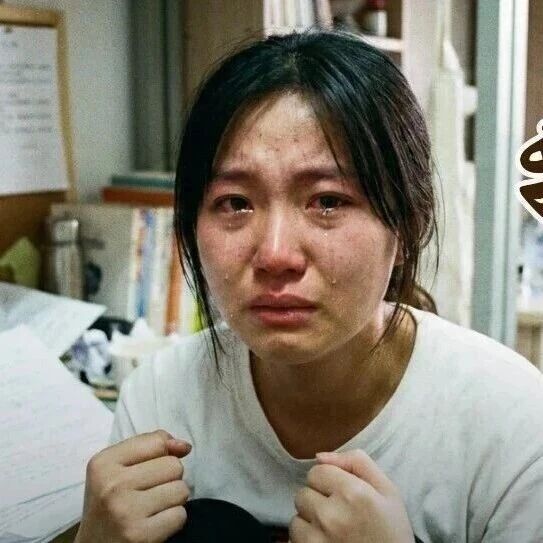
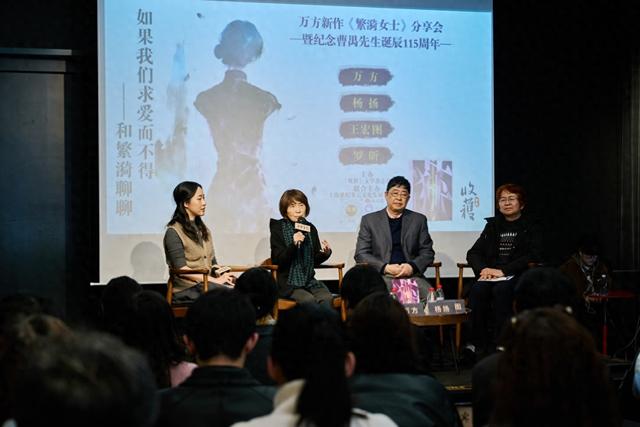
《雷雨》面世92年后,曹禺女儿万方续写繁漪的生命
Xin Lang Cai Jing· 2025-12-28 06:03
Core Viewpoint - The article discusses the significance of the character Fang Yi from Cao Yu's play "Thunderstorm" and the release of the novel "Ms. Fang Yi" by Wan Fang, exploring themes of love, identity, and the evolution of female perspectives on love over time [1][6]. Group 1: Character Analysis - Fang Yi is portrayed as one of the most controversial characters in Cao Yu's works, often depicted as "dangerous," "extreme," and "mad" [3]. - The novel "Ms. Fang Yi" provides a deeper exploration of Fang Yi's background and personal history, aiming to present a more complete life trajectory beyond the condensed dramatic time of the original play [3]. - Wan Fang describes her evolving relationship with the character, from initial fear to a deeper understanding and appreciation, highlighting Fang Yi's complex nature as a woman with powerful life energy [3][6]. Group 2: Themes of Love and Identity - The discussion at the event emphasized that "Ms. Fang Yi" centers around the theme of love, contrasting Wan Fang's warm writing style with the more detached approach of authors like Eileen Chang [6]. - Wan Fang notes a significant shift in contemporary women's attitudes towards love compared to Fang Yi's era, where modern women may feel less compelled to seek love as a means of self-affirmation [6]. - The narrative suggests that while love remains unique, the experiences surrounding it have changed, reflecting a broader commentary on personal freedom and identity in contemporary society [6][9]. Group 3: Legacy and Reflection - Wan Fang expresses a desire to understand her father's life and works more deeply after his passing, indicating a complex parent-child relationship that evolves over time [9]. - The event also touches on the enduring relevance of "Thunderstorm," with discussions on how interpretations of the play have changed across different decades, showcasing its timeless nature [10][11]. - The connection between Cao Yu and his contemporaries, such as Ba Jin, is highlighted, emphasizing their shared insights into human nature and the pursuit of freedom and love [11].