侨乡文化

Search documents
(新春见闻)侨乡新观察:一杯“洋饮料”里的中国年味变迁
Xin Lang Cai Jing· 2026-02-22 04:33
Core Viewpoint - The article highlights the transformation of traditional Chinese New Year celebrations in the overseas Chinese hometown of Qingtian, Zhejiang, where coffee culture has become an integral part of local life, blending with traditional customs [1][3]. Group 1: Coffee Culture Integration - The rise of coffee shops in Qingtian has led to a significant increase in foot traffic during the Spring Festival, particularly among returning overseas Chinese and university students, who use these cafes as social hubs [3][5]. - Qingtian, known for its large overseas Chinese population of 381,000 spread across 146 countries, has seen coffee evolve from a mere travel item to a staple in local life, with over 600 coffee shops now operating in the area [3][6]. - The integration of coffee into local culture has not diluted traditional practices but has instead provided new ways for people to connect, as exemplified by locals enjoying coffee alongside traditional foods [5][6]. Group 2: Cultural Significance - The emergence of coffee shops has added a new cultural dimension to the Spring Festival in Qingtian, with many shop owners being overseas Chinese who blend international coffee concepts with local aesthetics [8][9]. - The artistic elements in coffee shops, such as locally inspired artwork, enhance the experience for visitors, making these cafes unique representations of Qingtian's culture [9]. - The shift in perception of coffee from being unpalatable to a beloved beverage among older generations signifies a cultural bridge between traditional and modern tastes, showcasing the vibrancy and inclusivity of Qingtian's culture [6][9].


(新春见闻)厦门小渔村:一台“村晚” 五洲乡愁
Xin Lang Cai Jing· 2026-02-17 15:25
Core Viewpoint - The Xiamen village's Spring Festival Gala, themed "Overseas Chinese Unite the World," serves as a vital cultural bridge for overseas Chinese, showcasing traditional and contemporary Chinese culture while connecting them to their roots through a global live broadcast [1][3][6]. Group 1: Event Overview - The Spring Festival Gala took place on February 17, attracting over 4 million online viewers on a single platform by 9:40 PM [1][6]. - This event has been held for five consecutive years, evolving from a simple cultural performance to a significant platform for overseas Chinese to connect with their hometown [3][6]. Group 2: Cultural Significance - The gala integrates traditional Minnan culture with the unique characteristics of the overseas Chinese community, allowing expatriates to experience the warmth of their homeland [3][5]. - Non-material cultural heritage elements, such as Nanyin music and traditional puppet shows, are central to the gala, conveying the stories and cultural essence of Minnan people [3][5]. Group 3: Community Involvement - The event's director, Jiang Yongtai, emphasized the goal of allowing overseas compatriots to hear their hometown's voice during the Spring Festival, which motivated the initial organization of the gala in 2022 [5]. - Local volunteers and artists contribute significantly to the event, showcasing a collective effort from the community to celebrate their culture and heritage [5]. Group 4: Growth and Impact - The viewership of the gala has increased from over 500,000 in its first year to 5.43 million by the fourth year, with a reach extending to over 80 countries and regions [6]. - Starting in 2023, the gala introduced interactive segments for overseas Chinese, receiving greetings from expatriate communities in over ten countries, enhancing the sense of connection [6].

侨乡里的中国年
Zhong Guo Qing Nian Bao· 2026-02-14 01:45
Group 1 - The "Cultural Entering Thousands of Homes - 2026 Zhejiang Qingtian New Year Beneficial Performance" was held in Qingtian County, Zhejiang Province, showcasing the importance of cultural resources in empowering local cultural development [1] - Qingtian County is known for its overseas Chinese population of 381,000, distributed across 146 countries and regions, highlighting its significance as a prominent overseas Chinese hometown [1] - The event included performances and activities that integrated local traditions and international cultural exchanges, with artists participating in village celebrations and creative activities [1] Group 2 - The "Overseas Chinese New Year" initiative in Qingtian has been ongoing since 2018, inviting over 1,800 international friends and overseas Chinese from more than 40 countries to celebrate the Chinese New Year together [2] - The initiative has led to various cultural events, including temple fairs and garden parties, with an estimated 390 related activities conducted [2] - The presence of international figures, such as Ukrainian influencer Nataly, who has gained popularity through social media in Qingtian, reflects the growing cultural exchange and community engagement [2] Group 3 - Local entrepreneurs like Zheng Xiaojian are capitalizing on the growing coffee consumption in China, with annual sales of approximately 200 tons of coffee beans, indicating a shift towards domestic coffee production [3] - Spanish returnee entrepreneur Ji Jianxin has established a production facility for Spanish salami in China, demonstrating the successful integration of European products into the Chinese market [3] - The demand for local products is increasing, as evidenced by the high sales volume and production challenges faced by Ji Jianxin, emphasizing the importance of adhering to production standards [3]
(走进中国乡村)广西侨乡特色年货热销 “侨”味促文旅融合
Zhong Guo Xin Wen Wang· 2026-01-31 10:26
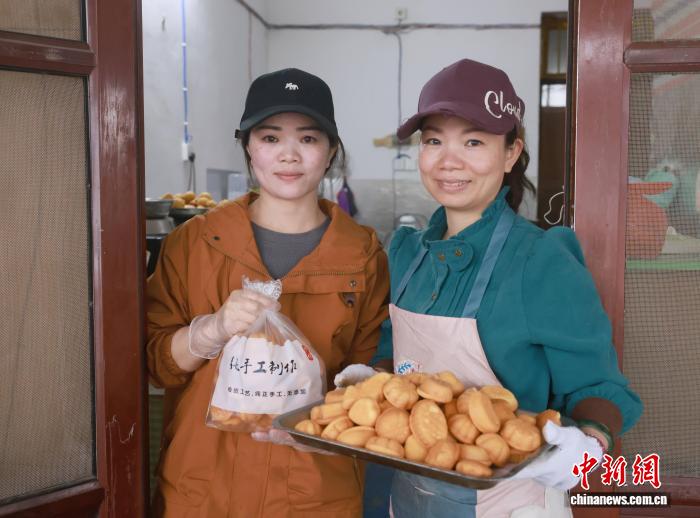
Core Viewpoint - The article highlights the growing popularity of Southeast Asian delicacies, particularly during the Lunar New Year, in Guangxi's Liucheng Overseas Chinese Farm, showcasing the integration of cultural heritage and local tourism [1][4]. Group 1: Cultural Integration and Heritage - The production of traditional Southeast Asian cakes, such as Indonesian layer cake and pandan cake, is a testament to the cultural fusion in the region, with local residents preserving these culinary traditions [1][3]. - The cake shop run by sisters Luo Shelan and Luo Xuekui reflects the influence of their heritage, as Luo Shelan learned the craft from her mother-in-law, who returned from Vietnam [3][4]. Group 2: Economic Impact and Tourism - The Liucheng Overseas Chinese Farm has become a popular destination for both locals and tourists, with orders for traditional cakes being shipped to cities like Liuzhou, Shenzhen, and Shanghai, indicating a significant demand for these products [1][3]. - The farm's annual Southeast Asian Food Festival has successfully attracted around 100,000 visitors in 2025, generating social consumption of 10 million yuan and increasing income for overseas Chinese by over 4 million yuan [5]. Group 3: Local Business Growth - The cake shop has become a favored spot for local residents and overseas Chinese, contributing to the local economy by providing unique products that resonate with cultural nostalgia [3][4]. - The sisters' commitment to using authentic Indonesian ingredients helps maintain the traditional flavors, further enhancing the appeal of their offerings [3][4].
莆田园头村:木兰溪畔侨韵绵延
Xin Lang Cai Jing· 2026-01-22 23:18
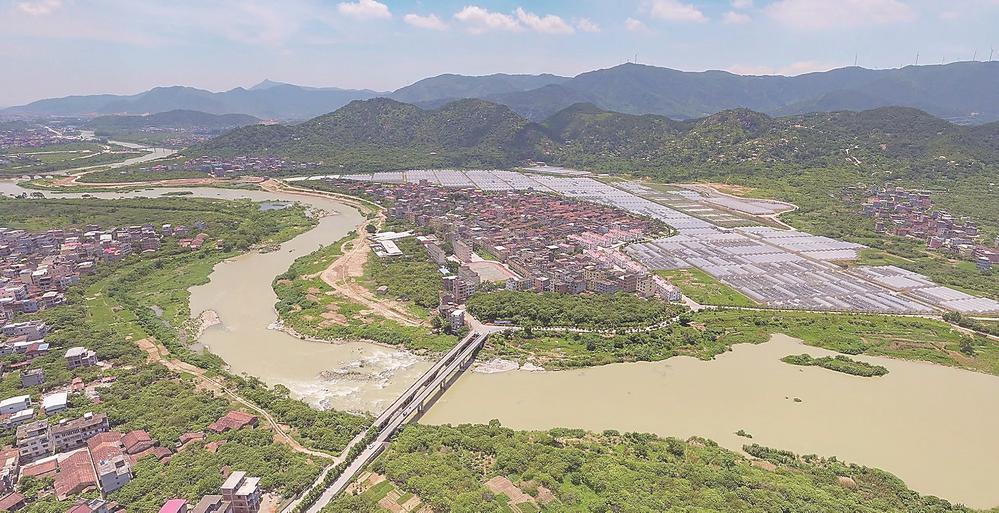
Core Insights - The article highlights the unique cultural and historical significance of Yuantou Village, which has transformed from an "island village" to a peninsula, and its strong ties to overseas Chinese communities, particularly in Southeast Asia [6][10]. Group 1: Historical Background - Yuantou Village, known as "Yunzhang," has a history of over a thousand years and was once isolated due to a flood that created a new river channel, making it an island [7]. - The village has a rich history of emigration, with many residents leaving for Southeast Asia during turbulent times to seek better livelihoods, leading to a significant overseas Chinese population [8][9]. Group 2: Overseas Chinese Contributions - The village has approximately 5,000 overseas Chinese, which exceeds the local registered population, creating a phenomenon of "one Yuantou at home, one Yuantou abroad" [6]. - Overseas Chinese have significantly contributed to the village's development by funding infrastructure, educational institutions, and cultural initiatives, thereby fostering a unique diasporic culture [6][15]. Group 3: Educational Impact - The early generations of overseas Chinese prioritized education, leading to the establishment of schools such as the Yunzhang Academy and Yuantou Primary School, which became vital educational institutions in the region [15][16]. - Numerous scholarships have been established by overseas Chinese to support local students, reflecting their commitment to education and community development [17]. Group 4: Architectural Heritage - The village features unique architectural styles that blend traditional Chinese and Southeast Asian influences, with several ancestral homes recognized as historical buildings [12][13]. - Recent efforts have been made to restore and preserve these historical structures, enhancing the village's cultural heritage and promoting eco-tourism [13][14].
他在开平“修复”乡愁 | 创建助力百千万
Nan Fang Nong Cun Bao· 2026-01-21 01:53
Core Viewpoint - The article highlights the journey of Zhang Xiaoming, a local resident of Kaiping, who has transformed from a construction worker to a "nostalgia restorer" by revitalizing historical buildings and creating a museum that showcases the cultural heritage of the overseas Chinese community [8][10][59]. Group 1: Background and Transformation - Zhang Xiaoming has been engaged in the revitalization of historical architecture and the operation of homestays for over ten years [12]. - His transformation began after the "Kaiping Diaolou and Villages" was listed as a UNESCO World Heritage Site in 2007, prompting him to return to his hometown and pursue opportunities in tourism [19][22]. - He initially started by offering car rentals and later opened the first homestay in Kaiping, which has since expanded significantly [36][38]. Group 2: Cultural Preservation Efforts - Zhang has collected over 3,000 historical items, which he displays in a museum he established within his homestay, emphasizing the importance of these artifacts as cultural witnesses [50][48]. - His efforts include restoring significant buildings such as the "Pinlu" and "Zhongren Lou," which serve as symbols of the local heritage and the stories of overseas Chinese [64][59]. - The restoration work has not only preserved the physical structures but also provided a sense of belonging and nostalgia for descendants of the original owners [66][70]. Group 3: Community Impact and Recognition - Zhang's initiatives have revitalized the local economy, attracting tourists and enhancing the community's infrastructure, such as installing streetlights and improving roads [87][90]. - His work has garnered recognition from both locals and visitors, with many expressing gratitude for his role in helping them reconnect with their roots [91][92]. - The article emphasizes the significance of Zhang's contributions to the preservation of cultural heritage and the promotion of local tourism, positioning him as a key figure in the community's development [93].

马帮古镇“驮”起百年侨乡风华(侨界关注)
Ren Min Ri Bao Hai Wai Ban· 2026-01-20 22:50
Core Viewpoint - Yisa Town, located in Yunnan Province, is a historical hub known for its horse caravan culture and overseas Chinese community, having developed significant trade routes to Southeast Asia over a century ago [1][6][7]. Group 1: Historical Significance - Yisa Town was established as a key trading post with 11 trade routes to Southeast Asia, creating a unique cultural blend of horse caravan and overseas Chinese traditions [1][6]. - The town's historical development peaked between 1912 and 1949, with hundreds of horse caravans operating annually, marking a significant era in cross-border trade [6][7]. Group 2: Cultural Heritage - The architectural landscape of Yisa features a mix of Chinese and Western styles, earning it the titles of "Architectural Garden of the Outside River" and "Museum of Border Architecture" [3][4]. - The local museum showcases 457 artifacts related to the horse caravan and overseas Chinese culture, providing a comprehensive narrative of Yisa's historical journey [8]. Group 3: Community and Identity - Approximately 75% of the local overseas Chinese population resides in Yisa, reflecting the town's strong ties to its diaspora [1]. - Recent years have seen over 10,000 overseas Chinese and international friends visiting Yisa, reinforcing its status as a cultural and ancestral hub [12]. Group 4: Future Development - Yisa is set to upgrade to a national 4A tourist attraction by 2024, focusing on cultural tourism and leveraging modern technology for commerce [12]. - Plans for the local museum include enhancing exhibitions and creating interactive experiences to promote cultural exchange and attract international visitors [15].

委内瑞拉,有座广东小城
3 6 Ke· 2026-01-06 02:24
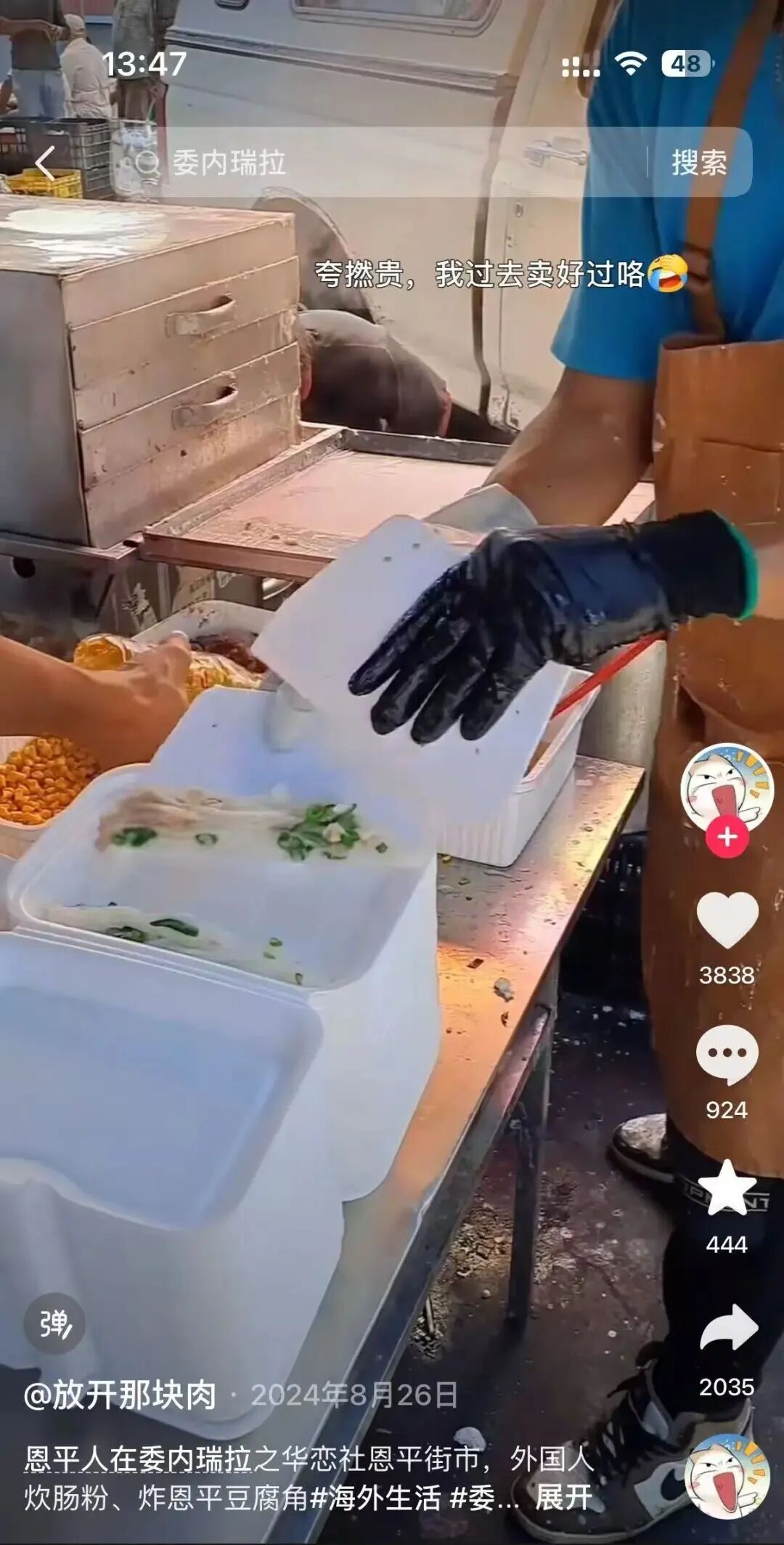
Core Viewpoint - The article highlights the significant connection between the city of Enping in Guangdong, China, and the Venezuelan community, particularly focusing on the historical migration patterns and the current situation of Venezuelan-Chinese residents amidst recent turmoil in Venezuela [1][15]. Group 1: Historical Context - Enping has a long history of migration to Venezuela, with the first Chinese immigrants arriving in the 19th century, primarily from Peru and later from Panama [3][4]. - The migration wave from Enping has been ongoing for over a century, driven by limited local resources and the need for better living conditions [4][6]. - The early Chinese immigrants in Venezuela established a strong community, leading to a network that facilitated further migration from Enping [6][14]. Group 2: Current Situation - Recent events in Venezuela have caused panic among the local Chinese community, with residents queuing for essential goods amid fears for their safety [1][15]. - The Venezuelan economy, once thriving due to its oil reserves, has faced significant turmoil over the past decade, impacting the lives of Enping residents in the country [14][15]. - The cultural integration of Enping immigrants in Venezuela is evident, with local customs and languages blending, creating a unique cultural identity [9][13]. Group 3: Economic Impact - Enping residents have established a strong presence in various industries in Venezuela, particularly in the restaurant sector, where over 80% of Chinese restaurants are operated by Enping people [13]. - The remittances sent back to Enping from Venezuelan immigrants have become a crucial economic support for many families in the region [13]. - The community's entrepreneurial spirit has led to the creation of a robust business network, contributing to the local economy in both Enping and Venezuela [13][14].
百余名华裔青少年齐聚广东中山 开启岭南文化寻根之旅
Zhong Guo Xin Wen Wang· 2025-12-26 01:17
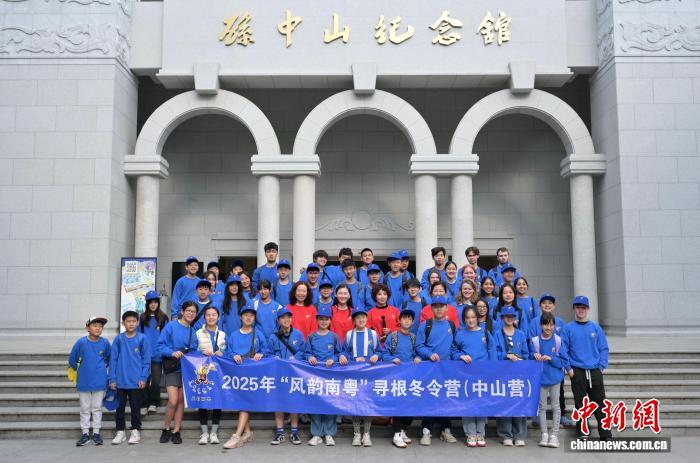
Group 1 - The 2025 "Fengyun Nanyue" Winter Camp (Zhongshan Camp) officially opened on December 23 at the Sun Yat-sen Memorial Museum, gathering 104 participants from 10 countries for a ten-day cultural exploration of Lingnan culture [1][3] - The winter camp is organized by the Guangdong Provincial Overseas Chinese Federation and hosted by the Zhongshan Overseas Chinese Federation, serving as a joint event for the 2025 Chinese and Overseas Chinese (Zhongshan) Essay Competition [2] - The theme of the camp is "Overseas Chinese Memories: Youth Writing," focusing on traditional Chinese culture and incorporating Zhongshan's cultural characteristics through various learning courses and experiential activities [2] Group 2 - Participants will have opportunities to learn about Chinese history, Bay Area development, intangible cultural heritage, and overseas Chinese culture through visits to science and technology enterprises, Hanfu experiences, drone operations, Chinese writing classes, and cultural exchange activities [2] - The event will also host the finals of the 2025 Chinese and Overseas Chinese (Zhongshan) Essay Competition, where overseas participants will compete with local students from Zhongshan and Guangzhou, fostering friendships and expressing their thoughts on Chinese culture and homeland [2] - The camp aims to create a complete chain of "experience—perception—creation," encouraging students to transform their vivid experiences into inspiration for writing heartfelt stories about their cultural heritage [2]
国庆反向游,就来广东这个「最美小镇」吧
3 6 Ke· 2025-09-27 02:59
Core Viewpoint - The article highlights the charm and cultural richness of Jun'an, a town in Shunde, known for its beautiful landscapes, historical significance, and culinary heritage, making it a unique travel destination in China [1][6][12]. Group 1: Cultural and Historical Significance - Jun'an is recognized as a "cultural town" and is home to the world's largest Bruce Lee statue, celebrating the legacy of the famous martial artist who was born here [12][57]. - The town retains historical elements such as the last remaining "self-braiding women's house," which tells the story of women who traveled abroad for work and returned to their roots [14][75]. - The local community actively preserves traditional arts, particularly Cantonese opera, which is a significant part of Jun'an's cultural identity [62][64]. Group 2: Natural Beauty and Lifestyle - Jun'an is described as a picturesque town with scenic views of the West River, offering various outdoor activities such as cycling, horseback riding, and enjoying sunsets by the river [10][40][42]. - The town's lifestyle is characterized by a relaxed pace, where residents engage in leisurely activities and maintain a strong connection to nature [5][44][83]. - The local environment, including the Dolphin Bay and surrounding greenery, provides a tranquil escape from urban life, attracting both locals and tourists [25][28][49]. Group 3: Culinary Heritage - Jun'an's culinary scene is highlighted by the unique "Ma Jie" cuisine, which has evolved from the cooking skills of women who worked abroad, making it a significant part of the local food culture [93][94]. - Signature dishes such as fish cakes and steamed pork are emphasized for their traditional preparation methods and local ingredients, showcasing the town's rich culinary heritage [96][99][101]. - The article mentions the importance of fresh river seafood, which is a staple in Jun'an's dining experience, reflecting the town's geographical advantages [99][105].