
宜居城市建设

Search documents
贵安两个民生项目完工
Xin Lang Cai Jing· 2026-01-14 21:48
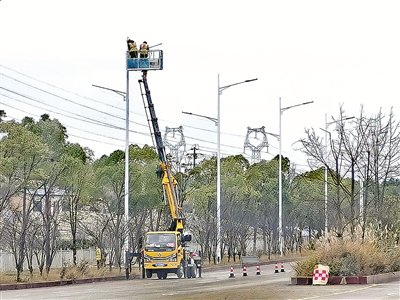
据介绍,项目的顺利建成投用,不仅进一步完善了城市功能、优化了人居环境,切实解决了群众反映强 烈的'夜间黑''过街难'问题,提升了市民的获得感、安全感和满意度,更让宜居城市建设更有温度,为 贵安新区推进'产、城、人'融合发展筑牢了民生根基。 本报讯 目前,贵安新区民安路、星月大道等16条道路的市政照明整治和平面过街设施整治两个民生项 目已完工,施工方正组织开展竣工预验收工作。 据施工方贵安建设工程有限公司工作人员介绍,两个项目均较原计划工期提前10天完成,目前运行稳 定。其中,市政照明整治项目覆盖沿线多个楼盘、轨道交通站、市域快铁站以及贵州轻工职业大学等高 校,通过新增路灯、更换灯具、完善高低压电缆10万余米等配套设施等方式,累计点亮路灯2000余盏, 解决了16条道路路灯长期不亮的问题,惠及周边数万居民与师生。 平面过街设施整治项目主要涉及星月大道与民安路交叉口、上善路至贵阳信息科技学院段等15处关键路 口,通过优化红绿灯配时、调整人行横道位置、增设安全岛和斑马线等举措,共完成安全岛等设施改造 2437平方米,更新安全指示标志107块,有效缓解交通压力,提升了路网的循环功能。 转自:贵州日报 2025年12月 ...

背街小巷里的“大民生”——“城”长记系列报道之三
He Nan Ri Bao· 2025-11-01 23:14
Core Insights - The transformation of back alleys in Hebi is a significant urban improvement initiative aimed at enhancing the quality of life for residents [1][3] - The project emphasizes community involvement, with residents actively participating in the design and implementation of improvements [2][3] Group 1: Urban Transformation - Hebi has completed the renovation of 91 back alleys, with 17 designated as demonstration alleys [1] - The improvements include clean stone paths, cultural walls, and pocket parks, creating a pleasant environment for residents [1][2] Group 2: Community Engagement - Residents are not only suggesting changes but also participating in the renovation process, including the removal of illegal structures and debris [2] - The design of the alleys incorporates community ideas, such as the "Love Theme Alley," inspired by a local couple's story [1][2] Group 3: Management and Sustainability - The city employs a meticulous management approach, combining community participation with a "responsibility alliance" involving street offices, businesses, and volunteers [2] - The initiative aligns with provincial urban planning goals, focusing on improving living convenience, comfort, and public service accessibility [2][3]
西安2364个老旧小区“提颜值增品质”
Xi An Ri Bao· 2025-10-30 06:55
Core Points - Xi'an has implemented significant improvements in old residential areas since 2019, including the renovation of 2,364 old communities and the installation of 1,025 elevators, enhancing residents' quality of life [1] - The city has focused on upgrading basic infrastructure in old neighborhoods, including water, electricity, heating, and natural gas, to fundamentally improve living conditions [1] - Xi'an aims to create a livable and comfortable environment through targeted improvements in public services and facilities, ensuring convenience and comfort for residents [1] Infrastructure Improvements - A total of 397 million square meters of damaged roads have been repaired, and 116,000 meters of drainage pipelines have been renovated, significantly enhancing the convenience of life for residents [2] - The city has added 40,000 ground parking spaces and 4,363 non-motor vehicle charging piles since 2019, improving community facilities [2] - Environmental improvements include the demolition of 1.25 million square meters of illegal buildings and the addition of 1,129 public green spaces, enhancing the overall environment around communities [2] Cultural and Community Development - The city government has been recognized for its efforts in improving infrastructure in old neighborhoods, with suggestions for enhancing performance supervision and ensuring efficient use of funds [3] - There is a focus on preserving historical and cultural resources during renovations, with recommendations to create themed cultural districts to enhance cultural depth [3] - The ongoing renovation of old neighborhoods is viewed as both a livelihood project and a development initiative, aimed at continuously improving residents' sense of happiness and well-being [3]
中国银行10月16日全情报分析报告:「中国银行助力宜居城市建设」对股价有积极影响
3 6 Ke· 2025-10-16 14:13
Core Viewpoint - China Bank's stock price has shown a positive trend, with a 1.89% increase on October 16, closing at 5.38, indicating strong market performance and investor interest [1] Group 1: Stock Performance - On October 16, China Bank's stock opened at 5.28 and closed at 5.38, with a trading volume of 4.0772 million shares and a turnover rate of 0.19% [1] - The stock has seen a 3-day increase of 3.46% and a 5-day increase of 2.87%, with a total market capitalization of 1,733.503 billion [1] - The trading value for the day was 2.177 billion, and the stock price is close to its average closing price over the past year, showing a slight decrease of 0.01% [1] Group 2: Public Sentiment Analysis - As of October 16, there were 1,299 total online public sentiment messages regarding China Bank, with 908 positive messages (69.9%), 8 negative messages (0.6%), and 383 neutral messages (29.5%), indicating a significantly positive sentiment [2] - The primary platform for this sentiment was WeChat, accounting for 64 messages, or 4.93% of the total [4] Group 3: Business Innovations and Impacts - China Bank's "Housing Finance+" model launched by its Zhejiang branch is expected to attract more customers and increase business volume and revenue, positively impacting the bank's stock price [5] - Measures such as lowering down payment ratios and extending loan terms are anticipated to stimulate demand in the real estate market, further benefiting the bank's loan business and stock price [5] - The introduction of products like non-property parking space loans and customized renovation consumer loans is expected to enhance business diversity and customer loyalty, positively influencing the bank's stock price [5] - Initiatives supporting local economic development, such as financing for port economies and heritage preservation, are likely to create more business opportunities for the bank, positively affecting its stock price [5] - Overall, these initiatives are expected to have a short-term positive impact on the bank's stock price by increasing business volume and enhancing brand image, contributing to long-term sustainable development and market competitiveness [5] Group 4: Market Trends and Outlook - Recent public sentiment events have ranked China Bank's influence, with significant mentions including cross-border bond repurchase transactions and partnerships for tax refund services [8] - The banking sector is experiencing a strong performance, with China Bank benefiting from increased dividend attractiveness and stable cash flow, attracting long-term investment [8] - The bank's fundamentals are showing resilience, with improved net interest margins and continued growth in non-interest income, indicating a positive outlook for future development [8]


宜居城市怎么建?国家正式发布标准了
Zhong Guo Jing Ying Bao· 2025-10-15 18:38
Core Points - The National Standard for Sustainable Urban Development, titled "Overall Requirements for Livable Cities and Communities" (GB/T 46391—2025), has been approved and will be implemented starting October 5, 2025 [1] - This is the first national standard in China to systematically construct an evaluation framework for livable cities, applicable to urban planning, construction, management, and assessment [1] Summary by Dimensions - **Environmental Dimension**: The standard specifies requirements for air, water, and soil management, as well as green coverage rates, emphasizing ecological protection and resource conservation [1] - **Social Dimension**: It includes aspects such as housing, employment, and healthcare, focusing on the equalization of basic public services [1] - **Economic Dimension**: The standard incorporates the urban-rural income ratio into monitoring and evaluation, highlighting inclusiveness and coordination [1] - **Cultural Dimension**: It emphasizes the importance of historical and cultural heritage preservation alongside the enhancement of modern public cultural services [1] - **Governance Dimension**: A framework for "government services + collaborative governance + public safety" is established, detailing online processing rates for government services and success rates for resolving social conflicts [1] - **Infrastructure Dimension**: The standard promotes a coordinated approach to urban construction, systematically laying out six major infrastructure systems, including municipal public facilities, safety assurance facilities, and information communication facilities [1]
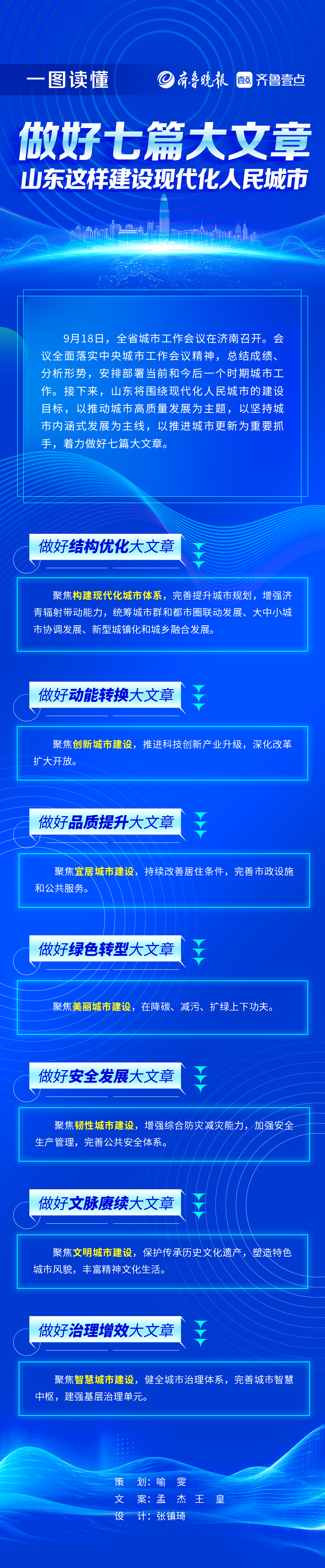
壹图读懂|做好七篇大文章,山东这样建设现代化人民城市
Qi Lu Wan Bao· 2025-09-18 12:29
Core Viewpoint - The meeting held in Jinan on September 18 focused on implementing the central urban work meeting's spirit, summarizing achievements, analyzing the current situation, and planning future urban work in Shandong province [1] Group 1: Urban Development Strategies - The province aims to build a modernized people's city, emphasizing high-quality urban development and inner-city development [1] - Key strategies include optimizing urban structure, enhancing urban planning, and promoting coordinated development among cities and urban-rural integration [3] - The focus will also be on innovation in urban construction, technological upgrades, and expanding reforms and openness [4][5] Group 2: Quality of Life Improvements - Efforts will be made to improve living conditions, municipal facilities, and public services to create a more livable city [3] - The initiative includes enhancing resilience in urban planning to improve disaster prevention and public safety management [6][7] Group 3: Cultural and Governance Enhancements - The plan emphasizes the protection and inheritance of historical and cultural heritage, shaping unique urban characteristics, and enriching cultural life [8][9] - There will be a focus on smart city development, improving urban governance systems, and strengthening grassroots governance units [10][11]
从有房住到住好房,山东全面推进宜居城市建设
Qi Lu Wan Bao· 2025-09-17 05:33
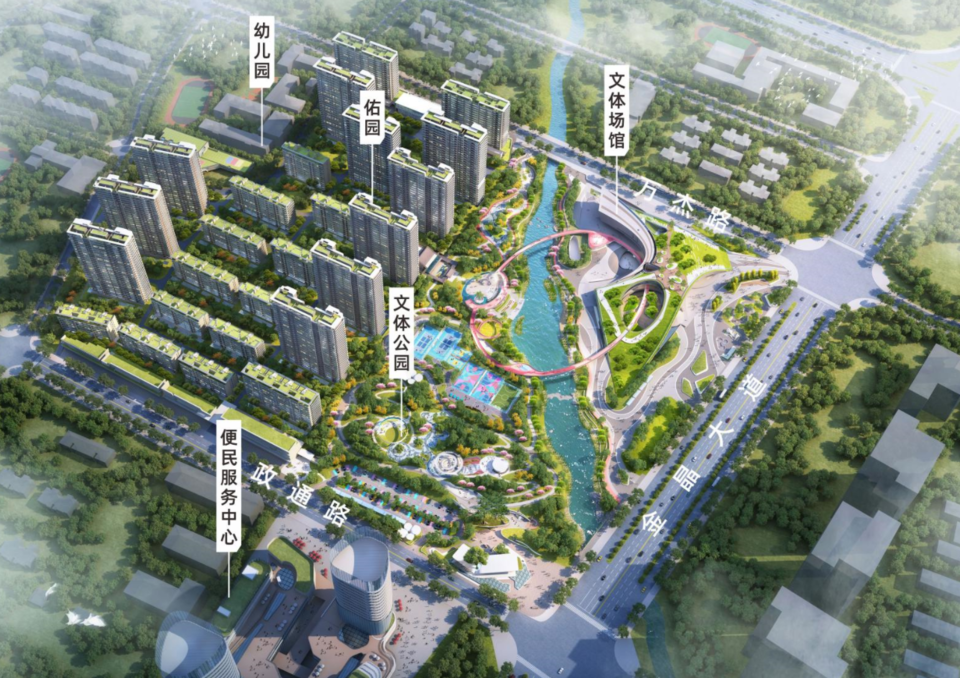
Group 1: Core Insights - The central theme of the articles is the commitment of Shandong province to enhance housing quality and living conditions through various initiatives, including the construction of high-quality residential projects and the renovation of old neighborhoods [1][2][9]. Group 2: High-Quality Housing Initiatives - Shandong has launched its third batch of high-quality residential pilot projects, totaling 103, bringing the total to over 200 projects [2]. - The government work report emphasizes the need for "good houses" that meet the high-quality living requirements of the public, with a focus on safety, comfort, and sustainability [2]. - New construction standards have been established, including a minimum ceiling height of 3 meters and a parking space ratio of at least 1:1.2, along with mandatory electric vehicle charging facilities [2][6]. Group 3: Renovation of Old Neighborhoods - Shandong has successfully renovated 15,000 old neighborhoods, benefiting over 2.7 million households [9]. - The renovation efforts include improving infrastructure, adding green spaces, and enhancing community facilities, significantly upgrading residents' living conditions [7][9]. - The province plans to continue these renovations, with a target of upgrading 844 old neighborhoods by 2025, impacting approximately 137,000 households [13]. Group 4: Urban Village Transformation - The transformation of urban villages is a key strategy for improving urban quality and living conditions, with 307,000 housing units under construction as of 2024 [16]. - Shandong employs various methods for urban village renovation, including demolition and new construction, to ensure effective implementation [16][18]. Group 5: Affordable Housing Supply - Shandong is increasing the supply of affordable housing, particularly for new citizens and young people, with a focus on rental and purchase options [19][21]. - The province aims to deliver over 100,000 rental housing units by the end of 2025, addressing the housing challenges faced by new residents [27]. - The affordable housing projects adhere to high construction standards, ensuring they meet modern living requirements [27].
城市建设“见物”更要“见人”(记者手记)
Ren Min Ri Bao· 2025-09-16 22:12
Group 1 - The core idea emphasizes the importance of creating a livable urban environment, focusing on the harmonious coexistence of people and cities as a central goal of urban work [1][2] - From 2019 to 2024, a total of 280,000 old residential communities will be renovated, with 3.87 million parking spaces added and 78,000 community service facilities constructed, enhancing the convenience and comfort of urban life for residents [1] - The recent Central Urban Work Conference highlighted the need for a people-centered approach in urban development, aiming to improve infrastructure, public services, and urban governance to meet the high-quality living standards desired by the populace [2][3] Group 2 - The construction of livable cities requires balancing new developments with the renovation of existing structures, particularly in public services such as education, elderly care, and healthcare, which are critical to the public [2] - The shift from large-scale urban expansion to improving existing urban areas is underway, with a focus on integrating livelihood improvements with urban renewal to create new consumption scenes and urban landmarks [2] - Urban construction should focus on details that directly impact residents' lives, such as installing elevators in old communities and creating pocket parks, ensuring that urban development is responsive to the needs of the people [3]
【理响中国·经视图】把握宜居城市建设着力点
Zhong Guo Jing Ji Wang· 2025-09-02 05:58
Core Viewpoint - The article discusses the recent financial performance and strategic developments of a specific company, highlighting key metrics and future outlooks [1]. Financial Performance - The company reported a revenue increase of 15% year-over-year, reaching $2.5 billion in the last quarter [1]. - Net income rose to $300 million, reflecting a 10% increase compared to the previous year [1]. - Earnings per share (EPS) improved to $1.50, up from $1.36 in the same quarter last year, indicating strong profitability [1]. Strategic Developments - The company announced plans to expand its market presence in Asia, targeting a 20% growth in that region over the next two years [1]. - A new product line is set to launch in Q3, expected to contribute an additional $500 million in revenue [1]. - The company is investing $100 million in technology upgrades to enhance operational efficiency [1]. Market Outlook - Analysts predict a continued upward trend in the company's stock price, with a target of $75 per share by the end of the fiscal year [1]. - The overall industry is expected to grow at a rate of 5% annually, with the company positioned to outperform its competitors [1].
侯喜保:宜居城市怎么建
Jing Ji Ri Bao· 2025-08-29 00:09
Group 1 - The core idea emphasizes the importance of building comfortable and convenient livable cities as a key task, reflecting the people's city concept and marking a new stage of high-quality urban development [1][2] - The article highlights that the essence of a livable city lies in the people's experiences and daily interactions, rather than just cold data [1][2] - Current urban issues include traffic congestion, resource shortages, and imbalances in public services, which need to be addressed for better urban living conditions [1][3] Group 2 - Urban development is transitioning from rapid growth to stable development, focusing on quality improvement and efficiency in existing urban spaces [3] - Housing is identified as a fundamental aspect of people's livelihoods, with a goal to ensure not just availability but also quality housing for urban residents [3][4] - The demand for public services is shifting towards quality, necessitating the creation of a "15-minute living circle" and enhancing the accessibility and balance of basic public services [4] Group 3 - The construction of livable cities is closely tied to the aspirations of the public for a better life, encapsulating the narrative of "people's cities for the people" [4]