
幸福河湖

Search documents
从“水电摇篮”到幸福河湖
Xin Lang Cai Jing· 2026-01-28 11:36
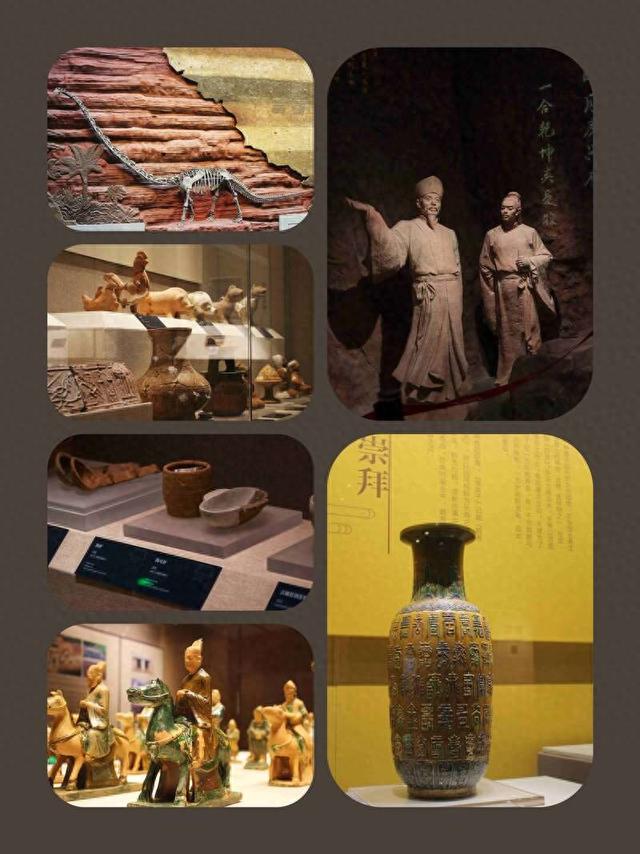
Core Viewpoint - The article highlights the historical significance and modern transformation of the Changshou District in Chongqing, particularly focusing on the development of hydropower and its cultural heritage, emphasizing the integration of natural resources with human civilization. Group 1: Historical Significance - The Changshou District's history is closely linked to the river systems, particularly the Longxi River, which is a primary tributary of the Yangtze River, shaping the unique geographical environment of the area [3] - The Taohua Creek Power Station, completed in August 1941, was the first hydropower station in China designed and constructed independently, generating over 1.5 million kilowatt-hours monthly, playing a crucial role in energy supply during the Anti-Japanese War [3][4] Group 2: Cultural Heritage - The Taohua Creek Power Station symbolizes not only a technological breakthrough but also the spirit of national resilience during a time of crisis, marking the first instance of harnessing natural power for national defense [4] - The Changshou District is recognized as the starting point of China's hydropower industry, with the preservation of the first water turbine generator set serving as a testament to its historical importance [11] Group 3: Modern Transformation - The modern approach in Changshou has shifted from solely focusing on power generation to creating comprehensive value, reflecting a deeper understanding and practice of river management [10] - The "Happiness River and Lake" initiative aims to promote water culture and resource protection, embodying a creative inheritance of the district's glorious history while transitioning towards an ecological civilization that emphasizes harmony between humans and nature [12]

两河治理,看见“幸福”模样
Xin Lang Cai Jing· 2026-01-12 22:06
Core Viewpoint - The governance of the two rivers marks a new starting point for "people-water symbiosis," focusing on ecological restoration and cultural tourism development, ultimately enhancing the quality of life for local residents [1] Group 1: Environmental Governance - The Bai Fu River aims to restore the ecological chain of the Wumeng Mountains, while the Zhang River seeks to activate the cultural and tourism potential of the Karst landscape [1] - Key engineering projects include dredging for clearer water and bank protection for safer living conditions, emphasizing the importance of improving local livelihoods [1] Group 2: Community Impact - The concept of "Happy Rivers and Lakes" transcends environmental metrics, embodying the joy of elderly people practicing Tai Chi by the river and children playing in the waves [1] - The stories of the two rivers will serve as a testament to the continuous improvement of people's lives in Guizhou [1]
水利部:2025年全国建成幸福河湖1700多条
Yang Shi Wang· 2026-01-09 23:25
Core Viewpoint - The "Happy Rivers and Lakes" initiative aims to enhance public safety, satisfaction, and sense of gain through ecological improvements and harmonious human-water interactions, with a target of constructing over 1,700 such projects by 2025 [1] Group 1 - The initiative is part of a broader civil engineering project focused on ecological restoration and improving the quality of life for citizens [1] - The program emphasizes the revival of river ecosystems and the rejuvenation of river basins, contributing to environmental sustainability [1]
柳江入选全国幸福河湖优秀案例
Guang Xi Ri Bao· 2026-01-06 02:42
Core Viewpoint - The recent recognition of the Liujiang River (Liuzhou section) as one of the "Happy Rivers and Lakes" by the Ministry of Water Resources highlights significant environmental improvements and successful management practices in the region [1] Group 1: Recognition and Awards - Liujiang River has been included in the list of 28 rivers and lakes recognized as "Happy Rivers and Lakes" for 2025, marking it as the second such recognition for the region after the Yongjiang River (Yujian section) was awarded in 2024 [1] - The recognition reflects the successful implementation of local regulations aimed at protecting the river, particularly through the river chief system [1] Group 2: Environmental Improvements - Historically, the Liujiang River faced severe pollution, with over 350 million tons of wastewater discharged annually by various industries during the 1980s and 1990s, leading to water quality often rated as Class IV or V [1] - Recent efforts have led to significant environmental restoration, including the inspection of over 500,000 river patrols, remediation of 1,442 river issues, and the cleanup of 27,900 tons of waste [1] Group 3: Infrastructure and Management Initiatives - The "Hundred Miles Liujiang" comprehensive management project has been implemented, which includes the restoration of 55.5 kilometers of river channels, wastewater treatment, and landscape development [1] - The project has successfully intercepted 34 sewage outlets along the river, contributing to improved water quality and earning the "China Habitat Environment Model Award" [1]
全国累计建成幸福河湖超5500条(个)
Ren Min Ri Bao· 2026-01-04 22:25
Group 1 - The Ministry of Water Resources has released a list of exemplary cases for "Happy Rivers and Lakes" for the year 2025, which includes 28 rivers and lakes, such as Beijing's Liangma River [1] - As of now, over 5,500 "Happy Rivers and Lakes" have been established nationwide [1]
亮马河入选全国“幸福河湖”
Xin Lang Cai Jing· 2026-01-04 22:08
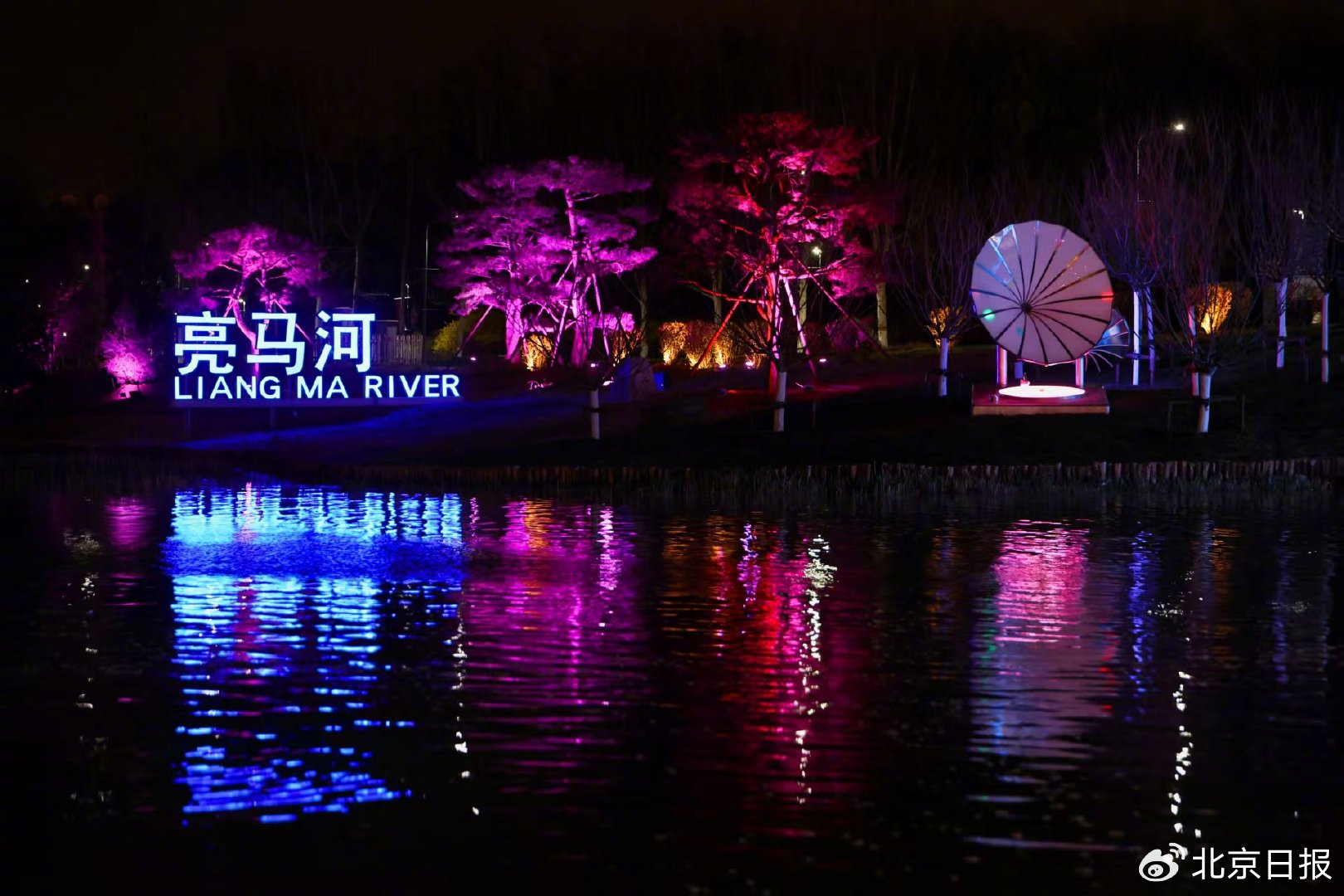
Core Insights - The Ministry of Water Resources has announced the 2025 "Happy Rivers and Lakes" excellent cases, with Beijing's Liangma River being recognized as the first river in the city to receive this honor [1] - Liangma River has transformed into a vibrant international waterfront, attracting citizens and tourists for leisure and shopping, contributing to the city's image as a high-end business hub [1] Group 1: Environmental Improvements - The Liangma River is approximately 11.4 kilometers long, with a watershed area of 21.5 square kilometers, playing a crucial role in the ecological and cultural landscape of Beijing [1] - Collaborative efforts by municipal water authorities have led to significant improvements in water quality through initiatives such as pollution control, groundwater management, and rainwater utilization [1] - The city has released nearly 800,000 square meters of urban space and established an 18-kilometer waterfront corridor, enhancing tourism and navigation along the river [1] Group 2: Recognition and Future Plans - Other rivers in Beijing, such as the Yongding River, have also received accolades, with the Yongding River restoration case being recognized as a national model [2] - The city has constructed over 400 kilometers of waterfront walking paths and achieved a healthy water body ratio of 87.6% and soil conservation rate of 89.8% [2] - Future plans include the development of additional happy rivers and lakes, with specific projects aimed at enhancing waterfront pathways along various river sections [2]
亮马河获评“2025年幸福河湖优秀案例”,北京首次获此奖
Xin Lang Cai Jing· 2026-01-04 06:35
Group 1 - The Liangma River has become a popular destination for citizens and tourists, featuring various dining options, outdoor markets, and cultural events, enhancing its appeal as a recreational area [2] - The Liangma River is approximately 11.4 kilometers long with a drainage area of 21.5 square kilometers, serving as an important ecological and cultural corridor in Beijing [4] - Recent collaborative efforts by water management departments have improved the water quality of the Liangma River through a comprehensive approach that includes pollution control and water conservation measures [6] Group 2 - Other rivers in Beijing, such as the Yongding River, have also received recognition for their ecological restoration, with multiple projects being awarded for their sustainable development efforts [7] - The overall ecological environment of Beijing's rivers has improved significantly, with a healthy water body ratio reaching 87.6% and soil conservation rate at 89.8%, alongside the construction of over 400 kilometers of waterfront walking paths [7] - Nationwide, 52 rivers and lakes have been recognized as exemplary cases for their contributions to flood prevention, ecological restoration, and cultural continuity, providing models for similar initiatives [9]
新华网:2025年度水利科学技术研究五大前沿热点词发布
Shui Li Bu Wang Zhan· 2025-11-28 10:21
Core Insights - The National Science and Technology Terminology Approval Committee held its 2025 annual work meeting, announcing 68 frontier research hot terms across 11 disciplines, including five key terms related to water conservancy technology [1][3] Water Conservancy Technology Hot Terms - "National Water Network" refers to a comprehensive water conservancy engineering system that integrates water resource optimization, flood prevention, and ecological protection, utilizing natural rivers and lakes as a foundation [2] - "Smart Dam" represents the integration of new information technologies with traditional dam engineering, focusing on IoT, big data, AI, and digital twin technologies for enhanced management throughout the dam's lifecycle [2] - "Digital Twin Water Conservancy System" involves the digital mapping and intelligent simulation of physical water conservancy elements, enabling real-time interaction and optimization [2] - "Drought-Flood Transition" describes the extreme weather phenomenon where a region experiences severe drought followed by sudden heavy rainfall, necessitating urgent flood prevention measures [2] - "Happy Rivers and Lakes" emphasizes maintaining ecological stability and promoting high-quality development in river and lake systems, ensuring safety and satisfaction for local communities [2] Institutional Framework - The National Science and Technology Terminology Approval Committee, authorized by the State Council, is responsible for the authoritative approval and publication of scientific terminology, with a dedicated committee for water conservancy terminology [3] - Starting in 2024, the committee will regularly collect and publish annual frontier research hot terms to enhance the development of scientific disciplines and showcase advancements in science and technology [3]

从五个前沿热点词看2025年度水利科学技术研究亮点
Xin Hua She· 2025-11-25 23:59
Core Insights - The National Water Resources Technology Terminology Committee has identified five key research hotspots in water resources technology for 2025, including "National Water Network," "Smart Dams," "Digital Twin Water Resources System," "Drought-Flood Rapid Transition," and "Happy Rivers and Lakes" [1][2] Group 1: Research Hotspots - "National Water Network" refers to a comprehensive system that integrates water resource optimization, flood disaster reduction, and ecosystem protection, based on natural rivers and lakes [1] - "Smart Dams" are the result of integrating new information technologies with traditional dam engineering, focusing on IoT, big data, AI, and digital twin technologies for enhanced management throughout the dam's lifecycle [1] - "Digital Twin Water Resources System" involves digital mapping and intelligent simulation of physical water resources, utilizing spatial data and mathematical models for real-time interaction and optimization [2] Group 2: Extreme Weather Events - "Drought-Flood Rapid Transition" describes the extreme event where a region experiences worsening drought conditions followed by sudden heavy rainfall, necessitating immediate flood prevention and disaster response [2] Group 3: Ecological and Community Well-being - "Happy Rivers and Lakes" emphasizes maintaining the ecological stability of river and lake systems while ensuring community safety and promoting high-quality development, leading to a harmonious relationship between people and water [2] Group 4: Institutional Framework - The National Science and Technology Terminology Committee, authorized by the State Council, is responsible for the authoritative approval and publication of scientific terminology, with the National Water Resources Technology Terminology Committee focusing specifically on water resources terminology [2]
2025年度水利科学技术研究五大前沿热点词发布
Zhong Guo Xin Wen Wang· 2025-11-24 08:44
Core Insights - The National Committee for the Standardization of Scientific and Technological Terms has released five key frontier hot topics in water conservancy science and technology for 2025, reflecting current trends and future directions in the field [1][2]. Group 1: Key Hot Topics - "National Water Network" integrates water resource optimization, flood disaster reduction, and ecosystem protection, utilizing natural rivers and lakes as a foundation [2]. - "Smart Dams" combine new information technologies with traditional dam engineering, focusing on IoT, big data, AI, and digital twin technologies for comprehensive lifecycle management [2]. - "Digital Twin Water Conservancy System" involves digital mapping and intelligent simulation of physical water conservancy elements, enabling real-time interaction and optimization [2]. - "Drought-Flood Rapid Transition" describes extreme weather events where a region experiences severe drought followed by sudden heavy rainfall, necessitating emergency flood response [2]. - "Happy Rivers and Lakes" emphasizes maintaining ecological stability and promoting high-quality development in river and lake systems, ensuring safety and satisfaction for local communities [2]. Group 2: Institutional Background - The National Committee for the Standardization of Scientific and Technological Terms is an authoritative body authorized by the State Council, responsible for the approval and publication of scientific and technological terms [3]. - The National Water Conservancy Technology Terminology Committee, guided by the Ministry of Water Resources, aims to establish a comprehensive and scientifically standardized terminology system to support innovation and development in water conservancy [3].