
急性胰腺炎

Search documents
四类病威胁节日健康 胡吃海喝最易中招
Xin Lang Cai Jing· 2026-02-24 18:21
Core Insights - The data reveals a significant increase in emergency calls during the Spring Festival period, highlighting health risks associated with festive eating and drinking habits [1][2][3] Group 1: Emergency Response Data - During the Spring Festival from February 15 to February 23, the Chongqing emergency dispatch center received 48,433 calls, averaging nearly 4 calls per minute [2] - A total of 13,823 emergency vehicles were dispatched, with 3,386 in the central urban area [2] Group 2: Health Issues - The top four health issues during the festival were trauma, cardiovascular diseases, digestive diseases, and respiratory diseases, posing significant threats to public health [2][5] - Notably, digestive diseases, particularly acute pancreatitis, were highlighted as a major concern due to excessive eating and drinking [3][4] Group 3: Case Studies - A specific case involved a 29-year-old man who developed acute pancreatitis after binge eating and drinking, illustrating the severe consequences of holiday indulgence [3][4] - The emergency medical center treated seven cases of acute pancreatitis during the holiday, primarily among young and middle-aged patients [4] Group 4: Recommendations - Medical professionals advised maintaining a balanced diet, avoiding excessive drinking, and ensuring safety during travel to mitigate health risks during festive periods [5][6]
春节期间高发,多家医院提醒:患者有所增加,严重者危及生命
Xin Lang Cai Jing· 2026-02-21 14:10
Core Insights - The article highlights the increase in acute pancreatitis cases during the Spring Festival, particularly among middle-aged individuals, due to excessive food and alcohol consumption [1][5]. Group 1: Health Impact - Acute pancreatitis is referred to as the "king of benign disease deaths" and can lead to severe complications such as respiratory failure and fluid accumulation in the chest and abdomen, potentially threatening life [3]. - The emergency department at Shanghai Ruijin Hospital reported that the daily number of pancreatitis cases during the Spring Festival is 1.5 to 2 times higher than usual, correlating with holiday eating habits [5]. Group 2: Patient Demographics - The majority of acute pancreatitis patients during this period are aged between 30 to 50 years, indicating a trend among younger adults [5]. - Cases of pancreatitis rank among the top reasons for emergency visits during the Spring Festival, following trauma and alcohol poisoning [5]. Group 3: Prevention and Awareness - Symptoms to watch for include severe abdominal pain, nausea, vomiting, and potential jaundice, which require immediate medical attention [11]. - Experts recommend maintaining a balanced diet, avoiding overeating, and moderating alcohol intake to prevent acute pancreatitis [11].

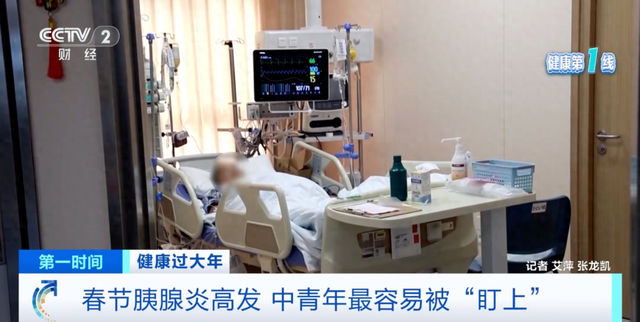
上海瑞金、仁济医院等提醒:胰腺炎患者正在增加!千万注意,严重者危及生命
Xin Lang Cai Jing· 2026-02-20 08:20
Core Viewpoint - The article highlights the increase in acute pancreatitis cases during the Spring Festival in Shanghai, particularly among middle-aged individuals, due to excessive eating and drinking during the holiday season [1][5]. Group 1: Health Impact - Acute pancreatitis is referred to as the "king of benign disease deaths," emphasizing the seriousness of the condition [3]. - The pancreas is a crucial digestive gland, and excessive intake of fats, proteins, and alcohol can lead to its inflammation [3]. - Severe cases of pancreatitis can result in respiratory failure, pleural effusion, and abdominal fluid accumulation, posing life-threatening risks [3]. Group 2: Statistics and Trends - During the Spring Festival, acute pancreatitis ranks among the top cases in emergency departments, following trauma and alcohol poisoning, predominantly affecting individuals aged 30 to 50 [5]. - The daily number of pancreatitis cases during the holiday is reported to be 1.5 to 2 times higher than normal, correlating with holiday eating habits [5]. Group 3: Prevention and Symptoms - Symptoms to watch for include sudden severe abdominal pain, nausea, vomiting, abdominal distension, and fever, with severe cases potentially leading to jaundice and shock [11]. - Preventive measures include maintaining a balanced diet, eating until 70-80% full, moderating alcohol consumption, and keeping a regular sleep schedule [11].
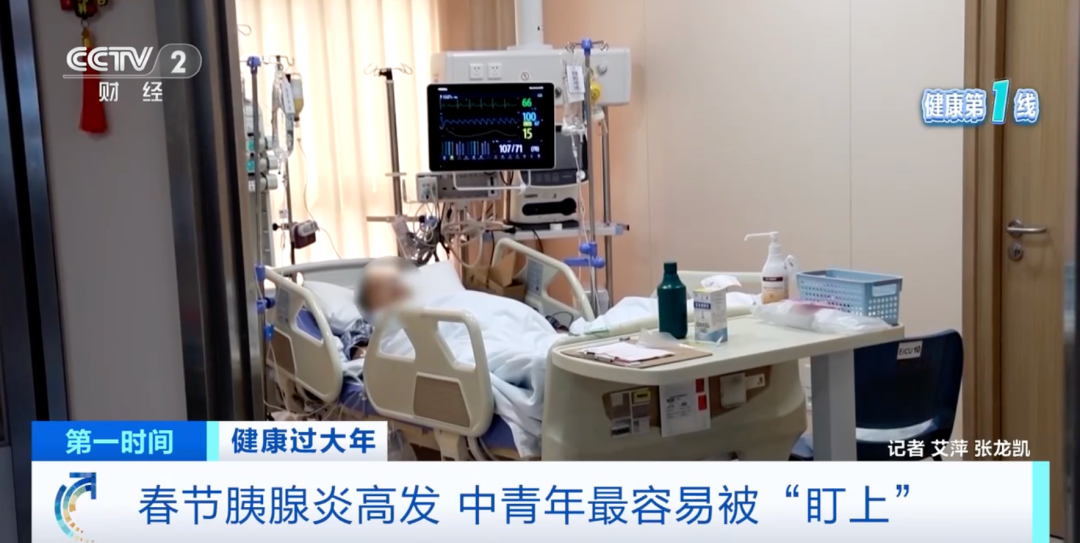
中青年过节容易被急性胰腺炎盯上:吃多了喝高了第二天直不起腰了
Xin Lang Cai Jing· 2026-02-19 14:52
Group 1 - The article highlights a concerning trend where acute pancreatitis cases spike during the holiday season, particularly among young and middle-aged adults aged 30 to 50 [1] - It reports that acute pancreatitis ranks among the top causes for emergency room visits during the Spring Festival, following injuries and alcohol poisoning [1] - The case of a 34-year-old man who developed severe acute pancreatitis after excessive drinking and eating illustrates the risks associated with holiday indulgence [1] Group 2 - The article emphasizes that gatherings with heavy food and alcohol consumption can lead to significant health issues, particularly affecting the pancreas [1] - It suggests that the festive season's dietary excesses can trigger acute pancreatitis, indicating a need for awareness and caution during celebrations [1]
【应急总医院科普时间】春节美食诱惑多,这份健康“避险指南”请收好
Xin Lang Cai Jing· 2026-02-15 03:15
Core Viewpoint - The article discusses the health risks associated with overeating and drinking during the Chinese New Year, highlighting various conditions that can arise from indulgent eating habits and providing health tips to mitigate these risks [1][3]. Group 1: Acute Pancreatitis - Overeating high-fat and high-protein foods, along with excessive alcohol consumption, can lead to acute pancreatitis, as the pancreas becomes overwhelmed and begins to digest itself [3][5]. - Symptoms include severe abdominal pain, nausea, vomiting, and in severe cases, low blood pressure and shock [5]. - To prevent this condition, it is advised to eat in moderation, avoid excessive drinking, and for those with gallbladder issues, to steer clear of high-fat foods [5][7]. Group 2: Acute Gastroenteritis - Disrupted eating patterns during the holiday can lead to acute gastroenteritis, caused by consuming raw or hard-to-digest foods and potentially spoiled items [7]. - Symptoms include frequent diarrhea, abdominal cramps, nausea, and weakness, which can lead to dehydration [7][9]. - Maintaining regular eating habits, avoiding raw and irritating foods, and ensuring food safety are recommended to prevent this condition [7][9]. Group 3: Upper Gastrointestinal Bleeding - The combination of alcohol and spicy foods can irritate the stomach lining, leading to acute upper gastrointestinal bleeding, especially in individuals with pre-existing digestive conditions [11][12]. - Symptoms may include vomiting blood and black stools, along with dizziness and weakness [11][12]. - Individuals with digestive diseases should avoid alcohol and spicy foods, opting for milder, easily digestible options [11][12]. Group 4: Gout - The consumption of high-purine foods during the holiday can lead to gout, as excess uric acid accumulates in the body [12][14]. - Symptoms include sudden, severe joint pain, swelling, and restricted movement [12][14]. - It is advised to limit high-purine foods, stay hydrated, and manage stress to prevent gout attacks [14][15]. Group 5: Airway Foreign Bodies - Young children are at risk of choking on food during festive gatherings, particularly on hard-to-chew items [16][18]. - Symptoms of airway obstruction include severe coughing, difficulty breathing, and cyanosis [18][20]. - Parents should supervise young children while eating and avoid giving them hard foods that could pose a choking hazard [20].
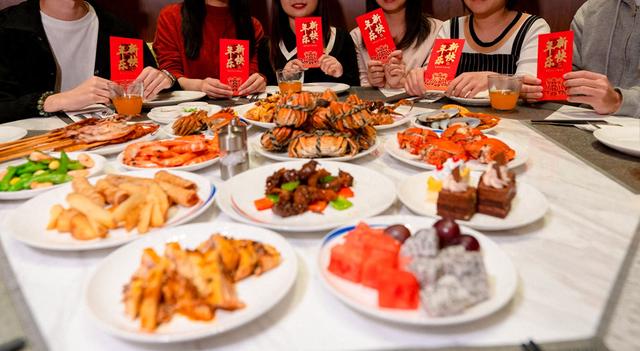
鼻梁两侧长黄色颗粒或是胆固醇升高
Xin Lang Cai Jing· 2026-02-13 04:52
Group 1 - The article highlights that yellowish particles near the nose bridge on the upper eyelids may indicate elevated cholesterol levels, which could be severe [1] - It warns that elevated triglycerides, particularly above 11 millimoles per liter, can lead to acute pancreatitis, a serious health condition [1] - The article emphasizes the risk of high-sugar and high-calorie foods during the Spring Festival, which can raise blood lipid levels and trigger acute pancreatitis and cardiovascular diseases [1]
【帮帮】急诊科医生提醒:春节期间 警惕这些“节日杀手”
Nei Meng Gu Ri Bao· 2026-02-09 05:25
Core Viewpoint - The article emphasizes the health risks associated with certain medications and alcohol consumption during the festive season, particularly highlighting the dangers of disulfiram-like reactions and other medical emergencies that can arise from holiday indulgences [4][8]. Group 1: Health Risks from Medication and Alcohol - Patients taking antibiotics such as cephalosporins, metronidazole, and others should avoid alcohol for at least seven days after stopping the medication to prevent severe disulfiram-like reactions [4][8]. - A case is presented where a 30-year-old patient experienced a disulfiram-like reaction after consuming alcohol three days post-antibiotic treatment, leading to a medical emergency [4][6]. Group 2: Emergency Cases During the Festive Season - A 50-year-old patient suffered an acute myocardial infarction after excessive drinking and late-night activities, highlighting the risks of overindulgence during celebrations [6]. - An 80-year-old man faced choking during a family dinner, requiring immediate emergency response to clear the obstruction and save his life [7]. - A 38-year-old man developed acute necrotizing pancreatitis after consuming a mix of alcohol and fatty foods, illustrating the dangers of heavy eating and drinking [8]. Group 3: Recommendations for Health Safety - Individuals with pre-existing conditions such as hypertension or coronary heart disease should adhere to medical advice, avoid excessive stress, and maintain a balanced diet during the festive season [8]. - It is advised that older adults and children chew food thoroughly to prevent choking, especially on sticky or large pieces of food [8]. - The article stresses the importance of avoiding binge eating and drinking, particularly high-fat and high-protein foods, to prevent acute pancreatitis [8].

关注这个 会把自己“吃掉”的器官
Xin Lang Cai Jing· 2026-02-02 18:02
Core Insights - The article highlights the rising cases of acute pancreatitis, particularly as the Spring Festival approaches, emphasizing the need for awareness and timely medical intervention [2][4]. Group 1: Understanding Acute Pancreatitis - Acute pancreatitis is caused by the abnormal activation of digestive enzymes within the pancreas, leading to self-digestion and inflammation, which can be life-threatening if not treated promptly [2][3]. - The condition is characterized by severe abdominal pain, often radiating to the back, accompanied by nausea and vomiting, necessitating immediate medical attention [2][6]. Group 2: Risk Factors and Causes - Key risk factors for acute pancreatitis include gallbladder disease, excessive alcohol consumption, high triglyceride levels, and poor dietary habits, such as overeating high-fat foods [5][6]. - Approximately 50% of acute pancreatitis cases are associated with gallbladder diseases, where blockages can lead to pancreatic enzyme reflux [5]. Group 3: Prevention Strategies - Preventive measures include abstaining from alcohol, maintaining a balanced diet low in fats, and avoiding binge eating [6]. - Regular health check-ups are recommended for individuals with risk factors like gallstones or high triglycerides to manage their conditions effectively [6].
一文看懂!使用司美格鲁肽和替尔泊肽前需进行的体检须知
GLP1减重宝典· 2026-01-06 15:01
Core Viewpoint - GLP-1 drugs (such as semaglutide and tirzepatide) are recognized for their efficacy in regulating blood sugar and appetite, but they carry serious risks such as thyroid C-cell tumors and acute pancreatitis, necessitating comprehensive pre-treatment evaluations and contraindication screenings [2]. Group 1: Thyroid Function and Imaging Tests - GLP-1 drugs may increase the risk of medullary thyroid carcinoma (MTC), requiring thyroid function tests (including serum calcitonin and thyroid hormone levels) and thyroid ultrasound for assessment [3]. - If serum calcitonin exceeds 100 pg/mL, MTC risk should be considered, but imaging tests are needed for comprehensive evaluation [3]. - Patients with a history of MTC or multiple endocrine neoplasia syndrome type 2 (MEN 2) should not use these drugs, while those with benign thyroid nodules can use them with regular monitoring [5][6]. Group 2: Pancreatitis Risk Assessment - The likelihood of developing pancreatitis is 9.1 times higher in patients using semaglutide, although the actual incidence remains low [7]. - Patients with a history of pancreatitis should avoid these drugs, and if symptoms like persistent abdominal pain or elevated amylase/lipase occur, immediate medical attention is required [9]. Group 3: Renal Function Assessment - Semaglutide is eliminated 70% through the kidneys, while tirzepatide is about 30%, allowing for more lenient restrictions in patients with renal impairment [10]. - Renal function must be assessed through blood creatinine, urea nitrogen, and creatinine clearance (Ccr), with semaglutide contraindicated for Ccr <30 mL/min [10]. Group 4: Cardiac Function Evaluation - Semaglutide may cause a slight increase in heart rate (average increase of 3-5 beats per minute), necessitating cardiac function assessments [11]. - Evaluations should include electrocardiograms (ECG) and echocardiograms to check for arrhythmias and left ventricular ejection fraction (LVEF) [11]. Group 5: Routine Physical and Laboratory Examinations - Routine checks are required for patients using semaglutide and tirzepatide, including weight and body composition assessments [12]. - Metabolic indicators such as fasting blood glucose, HbA1c, liver function (ALT, AST), and lipid profiles (total cholesterol, HDL-C, LDL-C) should be monitored [14]. Group 6: Contraindications - Patients with a history of MTC or MEN 2 are explicitly prohibited from using these drugs due to potential tumor progression risks [15]. - Individuals with a history of pancreatitis must avoid these medications, ensuring triglyceride levels are below 11.3 mmol/L before treatment [15]. - Other contraindications include severe liver and kidney dysfunction, acute gallbladder disease, and severe gastrointestinal disorders [17][18].

暴饮暴食易诱发急症! 医生提醒假期别让健康“放假”
Xin Lang Cai Jing· 2026-01-03 01:44
Core Viewpoint - The article emphasizes the health risks associated with overeating during holiday gatherings, highlighting the potential for acute gastrointestinal and cardiovascular issues. Group 1: Health Risks - Overeating during holidays can lead to acute gastrointestinal diseases such as acute gastroenteritis and acute pancreatitis, primarily due to the excessive intake of rich and spicy foods combined with alcohol [1][2] - Acute gastroenteritis is characterized by symptoms like abdominal pain, diarrhea, nausea, and vomiting, with severe cases potentially leading to fever, dehydration, and electrolyte imbalances, particularly affecting the elderly and children [1] - Acute pancreatitis can occur from consuming high-fat and high-protein foods in large quantities, leading to severe abdominal pain and possible complications like shock and multiple organ failure [1] Group 2: Cardiovascular Concerns - Overeating can also trigger cardiovascular diseases, especially in individuals with pre-existing conditions such as hypertension and coronary heart disease, increasing the risk of heart-related emergencies [2] - Symptoms indicating a need for immediate medical attention include persistent abdominal pain, frequent vomiting, dizziness, chest tightness, and cold sweats [2] Group 3: Preventive Measures - To avoid health issues during holidays, it is recommended to control food intake, adhere to a "70% full" principle, and maintain a balanced diet with more vegetables and whole grains while reducing high-fat, high-sugar, and high-salt foods [2] - Regular sleep patterns should be maintained to allow the digestive system adequate rest [2]