
演艺新空间

Search documents
上海文化原创力量蓄势“下一个春天”
Xin Lang Cai Jing· 2026-02-14 10:20
Core Insights - Shanghai's cultural scene is experiencing a vibrant resurgence, with significant growth in the performing arts sector, highlighted by the success of immersive theater productions like "Sleepless Night" [2][3][5] Industry Overview - According to the Shanghai Performing Arts Industry Association, the city is set to host 61,400 commercial performances in 2025, generating a box office revenue of 5.852 billion yuan, leading all cities in China [2] - The "14th Five-Year Plan" emphasizes the promotion of the "Shanghai Culture" brand, focusing on original content creation and the development of intellectual properties [2] Policy Support - The concept of "New Performance Space" was introduced in late 2017, allowing non-traditional venues to be transformed into performance spaces, fostering cultural innovation [3] - The Shanghai Cultural and Broadcasting Arts Group received support from local authorities to facilitate the renovation of the Mackinnon Hotel for the "Sleepless Night" production, showcasing effective collaboration between public and private sectors [3] Talent Development - The Shanghai Dance Company has benefited from favorable conditions for artists, leading to the creation of popular original dance dramas that contribute to the local economy [5] - The city aims to enhance its talent cultivation mechanisms and support both state-owned and private art troupes in producing high-quality works [5][6] Original Content Growth - The Asian Building has shifted its focus from importing projects to nurturing original works, resulting in a significant increase in the number of original productions [6] - The success of "Sleepless Night" and other original productions reflects a growing trend towards local content creation, with the potential for international copyright exports [6] Future Outlook - The competitive landscape of Shanghai's performing arts market is expected to intensify, with audiences becoming more discerning, which could lead to higher quality productions [9][10] - The goal is for Shanghai to establish itself as a world-class performing arts hub, with a focus on original and immersive cultural experiences [10]

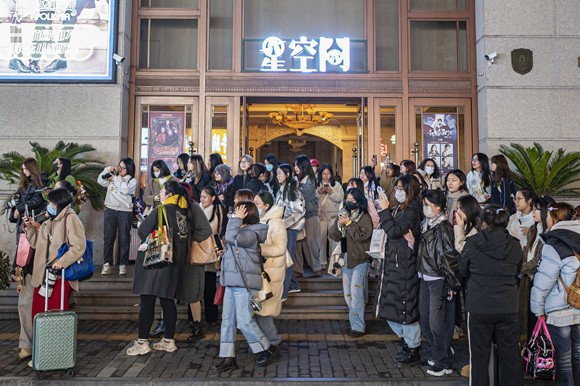
本市演艺新空间培育焕新再升级
Xin Lang Cai Jing· 2026-02-07 22:52
Core Viewpoint - The article discusses the development and support of new performance spaces in Beijing, highlighting the initiatives taken by the Beijing Municipal Bureau of Culture and Tourism to enhance the quality of the performing arts industry and stimulate cultural consumption in the city [3][9]. Group 1: Support and Development of New Performance Spaces - The Beijing Municipal Bureau of Culture and Tourism has announced a list of 32 new performance spaces as part of the "Support Measures for Promoting High-Quality Development of Performing Arts" for 2025, which includes ten initiatives aimed at enhancing the performing arts market [3][9]. - Since the launch of the new performance space pilot program in 2023, Beijing has established a collaborative mechanism involving government and associations to support the development of these spaces, which are seen as a new engine for cultural consumption and reshaping the performing arts industry [4][9]. Group 2: Innovations and Offerings in Performance Content - Various new performance spaces are focusing on innovative content and multi-dimensional experiences, with a significant emphasis on original works and immersive experiences that attract diverse audiences [5][6]. - The 77 Theater has become a popular destination for immersive drama, showcasing successful productions such as "The Great Detective Zhao Chasing the Goose" and "Hamlet 1001," which have gained significant audience acclaim [5][6]. Group 3: Integration of Performance Spaces with Other Industries - New performance spaces are integrating with commercial complexes, tourist attractions, and parks, creating vibrant landmarks that combine leisure, entertainment, and consumption [8][9]. - The Sanlitun 024 Xiaobailou has emerged as a trendy destination, combining music, fashion, and food, while the Royal Cuisine Museum offers a unique dining experience through its immersive theatrical presentations [8]. Group 4: Future Prospects and Growth - By the end of 2025, Beijing aims to recognize a total of 148 new performance spaces, continuing to support their innovative development and enhancing the cultural vibrancy of the city [9]. - The ongoing efforts to improve the performing arts ecosystem in Beijing are expected to further activate urban consumption potential and contribute to the city's identity as a cultural center [9].
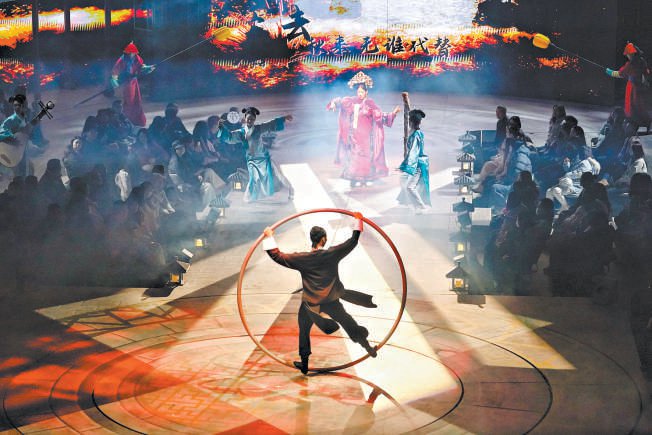
北京市演艺新空间培育焕新再升级
Xin Lang Cai Jing· 2026-02-07 21:54
Core Insights - Beijing's cultural and tourism bureau has announced the 2025 support measures for the high-quality development of performing arts, with 32 new performance spaces selected [1] - The initiative aims to enhance the performing arts market through ten measures focusing on large commercial performances, new performance spaces, quality performances, and performing arts enterprises [1] Group 1: Development of New Performance Spaces - Since the launch of the new performance space pilot program in 2023, Beijing has established a collaborative mechanism involving government and associations to support the development of these spaces [2] - Various new performance spaces are revitalizing cultural consumption in Beijing, contributing to the city's identity as a "performing arts capital" [2] - Major brands like Happy Mahua are leading the way with innovative content and immersive experiences, planning over 2,000 performances in 2025 that are expected to attract nearly 300,000 audience members [2] Group 2: Innovative Content and Experiences - New performance spaces are characterized by innovative scenes and continuous breakthroughs in performance content, fostering original works and enhancing audience engagement [3] - The 77 Theater has become a popular destination for immersive drama, showcasing successful productions like "The Great Detective Zhao Chasing the Goose" and "Hamlet 1001" [3] - The Nanyang Shared Theater has introduced a national style immersive drama, while the Central Art District has hosted technology art festivals, contributing to the creation of original content [3] Group 3: Integration of Traditional Venues - A new wave of performance spaces has emerged from the adaptation of historical venues, offering diverse experiences that combine performances, exhibitions, and interactive elements [4] - The Yanliao Guild Hall, with over 400 years of history, has introduced immersive dramas that allow audiences to engage with the storyline in a historical setting [4] - The integration of traditional elements with modern performances, such as the immersive musical "Golden Wind and Jade Dew," enhances the audience experience [4] Group 4: Cultural and Commercial Synergy - New performance spaces are integrating with commercial complexes, tourist attractions, and parks, creating vibrant landmarks that link leisure, entertainment, and consumption [5] - The Sanlitun 024 Xiaobailou has become a popular destination for young audiences, combining music, fashion, and food in an immersive theme space [5] - The Royal Cuisine Museum is attracting visitors with its unique culinary experience, showcasing traditional cooking techniques through immersive performances [6] Group 5: Policy Support and Future Outlook - Beijing is focusing on enhancing the performing arts ecosystem through precise policy support and efficient resource integration, leading to the recognition of 148 new performance spaces by the end of 2025 [6] - The city aims to continue fostering innovation in performance spaces, enriching the cultural landscape and enhancing the vibrancy of urban life [6]
北京演艺新空间为文化惠民添活力
Xin Lang Cai Jing· 2026-02-05 17:12
Core Insights - Beijing's cultural and tourism bureau has announced the list of 32 new performing arts spaces for 2025, aiming to support the high-quality development of the performing arts industry [1] - The initiative is part of a broader strategy to establish Beijing as a "performing arts capital," with a total of 148 new spaces expected to be recognized by the end of 2025 [1] Group 1: Development of New Performing Arts Spaces - The new performing arts spaces are designed to enhance cultural consumption and reshape the performing arts industry landscape in Beijing [1] - The initiative includes a collaborative mechanism involving government and associations to support the development of these spaces [1] Group 2: Brand and Operational Models - Happy Mahua has established a comprehensive operational model that includes content incubation, space creation, IP development, and talent training, with over 12,000 performances planned for 2025 [2] - The brand has signed contracts with 58 theaters and new performing arts spaces, expanding its national footprint [2] - The Starry Drama Village has transformed into a brand model provider, offering a dual-engine industry model that includes various experiential activities [2] Group 3: Content Innovation and Audience Engagement - New performing arts spaces focus on innovative content and collaborations to produce original works, enhancing audience engagement through immersive experiences [3] - The 77 Theater has become a popular destination for immersive drama, while other venues offer diverse activities such as reading sessions and improvisational performances [3] Group 4: Integration of Traditional and Modern Elements - Several new performing arts spaces leverage Beijing's unique historical venues, combining traditional architecture with innovative content and diverse experiences [4] - The Zhengyi Temple Theater creatively utilizes its structure for audience interaction, enhancing the overall viewing experience [4] Group 5: Commercial Synergy and Community Engagement - New performing arts spaces are integrating with commercial complexes and tourist attractions, creating vibrant landmarks that link leisure, entertainment, and consumption [5] - The Super Extreme He Shenghui in Changping District has seen a 20% increase in foot traffic and a 28% rise in consumption through its diverse performance offerings [5] Group 6: Accessibility and Diverse Offerings - New performing arts spaces cater to various demographics, providing a range of performances from traditional opera to children's theater [6] - The Tianqiao Art Center and other venues are focused on making performing arts accessible to all age groups, enhancing community engagement [6]
北京市演艺新空间累计认定148家
Xin Lang Cai Jing· 2026-02-02 18:02
Core Insights - Beijing's cultural and tourism bureau has announced the 2025 support measures for the high-quality development of the performing arts, with 32 new performance spaces recognized, bringing the total to 148 by the end of 2025 [1] Group 1: Development of New Performance Spaces - The support measures include 10 initiatives focusing on large commercial performances, new performance spaces, quality performances, and performing arts enterprises to enhance the performing arts market [1] - Leading brand Happy Mahua has established a comprehensive operational model covering content incubation, space creation, IP derivation, and talent cultivation, with over 12,000 performances planned for 2025 across more than 150 cities [2] - The 77 Theater has become a popular immersive drama destination, introducing successful productions like "The Great Detective Zhao Chasing Goose" and "Hamlet 1001" [2] Group 2: Innovative Use of Historical Venues - A new wave of performance spaces has emerged from the renovation of historical venues, offering diverse experiences such as traditional opera, immersive theater, and cultural exhibitions [3] - The Yanliao Guild Hall, with a history of 400 years, features traditional opera and immersive performances, alongside dining and reading experiences [3] - The Hubei Guild Hall hosts an immersive musical that blends traditional elements with modern theater, enhancing audience engagement [3] Group 3: Integration with Commercial and Cultural Experiences - New performance spaces are integrating with commercial complexes, tourist attractions, and parks, creating vibrant landmarks that combine leisure, entertainment, and consumption [4] - The Sanlitun 024 Xiaobailou has become a trendy destination for young people, featuring a six-story immersive theme space with diverse offerings [4] - The Changping Super Heshenghui has seen a 20% increase in foot traffic and a 28% rise in consumption by creating multiple performance spaces linked to dining and family activities [4] Group 4: Community Engagement and Accessibility - New performance spaces cater to diverse audiences, providing a range of performances from traditional opera to children's theater, enhancing cultural accessibility [5] - The Tiantongyuan Cultural Art Center and other venues are actively engaging local communities with various performances, making arts more accessible [5] - The Xiaoke Theater has launched a free musical theater training camp, receiving over 2,000 applications, thus promoting artistic development among the youth [6]
思想共振与市场变革,中国戏剧探索破解“好剧本荒”路径
Xin Hua She· 2026-01-29 23:22
Core Viewpoint - The Chinese theater industry is facing a "script shortage," specifically a lack of high-quality scripts, despite a significant number of works being produced over the past decade [2][3]. Group 1: Current Challenges in the Theater Industry - The term "script shortage" should be more accurately described as a "shortage of good scripts," as the industry is not lacking in mediocre works [2]. - Over the past ten years, over 6,000 large-scale drama scripts have been created, with more than half being staged, indicating a productive environment but also highlighting issues such as high thematic repetition and a mismatch between creation and audience demand [2]. - Concerns have been raised about the industry's reliance on the fame of playwrights, which may hinder the development of original and quality scripts [2][3]. Group 2: The Need for Thought-Provoking Content - There is a consensus in the industry that enhancing the ideological depth of scripts is essential, as contemporary youth seek works that provoke thought and address life’s complexities [3]. - The connection between script creation and the prevailing thoughts of the era is emphasized, with calls for more works that reflect the profound changes in Chinese society over the past 40 years [3]. Group 3: Historical Context and Evolution - The evolution of Chinese theater has been marked by various creative peaks, driven by the audience's need for expression and reflection during significant historical moments [5]. - The industry is encouraged to align with the spirit of the times and recognize both temporary and permanent issues to produce outstanding works [5]. Group 4: Market Adaptation and Cultural Leadership - The theater market is currently experiencing a shift towards diverse audience preferences, necessitating that industry managers and theater operators adapt to these changes to address the structural "good script shortage" [7]. - New trends in performance, such as immersive and interactive theater, are gaining popularity, indicating a need for playwrights to explore innovative forms and themes [10][12]. - Scripts are viewed as a core element of cultural creativity, with a call for more cross-disciplinary collaborations to enhance their role in the cultural industry and contribute to social and economic development [12].
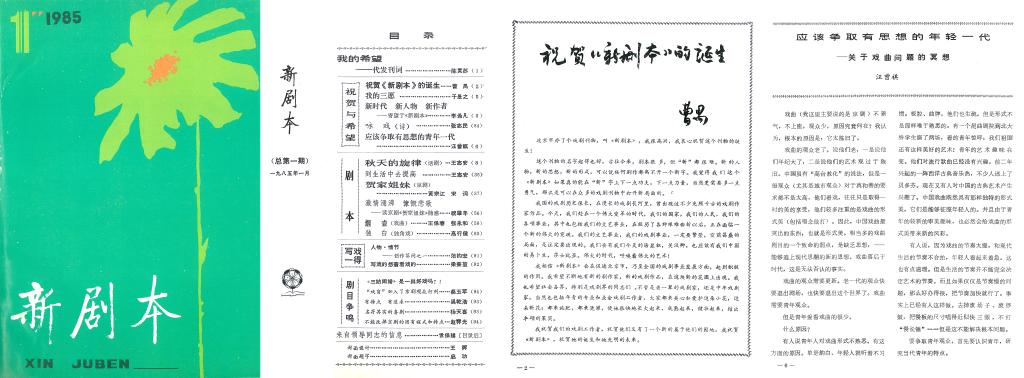
释放万千活力 北京文化新空间蝶变
Bei Jing Shang Bao· 2026-01-22 14:35
Core Insights - Beijing is witnessing a transformation in its cultural landscape, evolving from traditional venues to innovative performance spaces that integrate art, social interaction, education, and consumption [3][5][10] - The city aims to enhance its cultural offerings by creating diverse performance environments, thereby making culture a more accessible and integral part of daily life [8][12][16] Group 1: Cultural Development - The emergence of new performance spaces in Beijing is reshaping the cultural scene, with 85 innovative venues established by September 2025, including traditional theaters and cultural sites [5][10] - The new spaces are designed to alleviate the concentration of performance resources in traditional large theaters, allowing for a more diverse and accessible cultural experience [5][7] - Smaller, intimate performances are gaining popularity, with audiences appreciating the personal connection and emotional resonance they offer compared to larger productions [7][9] Group 2: Integration of Technology - The "super live" concept is being developed, utilizing advanced technologies like 4K ultra-high-definition and surround sound to enhance the audience experience beyond traditional venues [14][15] - Policies are being implemented to support the growth of the "super live" industry, including the establishment of evaluation mechanisms and the promotion of multi-functional performance spaces [14][15] - Collaborations among leading cultural institutions are being encouraged to create high-quality "super live" content, expanding the reach of cultural experiences [15] Group 3: Economic Impact - The integration of performance arts with commercial spaces is driving economic growth, with initiatives like package deals combining performances with hospitality services [10][12] - The cultural sector in Beijing is becoming a significant economic engine, with a wide array of performances and events contributing to the city's overall economic vitality [10][12] - The diverse cultural offerings are attracting audiences from across the country, enhancing Beijing's reputation as a cultural hub [13][16]


从“观戏”到“入戏”
Ren Min Ri Bao Hai Wai Ban· 2025-12-14 22:57
Core Insights - The article discusses the rapid growth and popularity of immersive small theaters in China, highlighting their unique interactive experiences and the shift in audience demographics towards younger viewers [6][8][12]. Group 1: Development of Immersive Small Theaters - Immersive small theaters are flourishing across China, with various performances taking place in unconventional spaces such as shopping malls and office buildings, making them more accessible to audiences [7][9]. - The implementation of supportive policies, such as the Shanghai Performing Arts New Space Operation Standards, has been a significant driver for the development of these theaters, facilitating their establishment and operational standards [7][8]. - In 2022, performances in small theaters exceeded 200,000 nationwide, marking a 13.21% increase compared to 2023, accounting for 45% of total performances [8]. Group 2: Audience Engagement and Demographics - The audience for immersive small theaters is predominantly young, with individuals aged 20-29 making up over 50% of ticket purchases, indicating a shift in cultural consumption towards this demographic [7][8]. - Social media sharing and commentary by young audiences enhance the visibility and appeal of small theaters, contributing to their growing popularity [8][11]. Group 3: Unique Features and Experiences - Immersive small theaters offer a distinct experience characterized by deep engagement and interaction, breaking the traditional "fourth wall" and allowing audiences to participate actively in performances [12]. - The design of these theaters often incorporates flexible spaces that can adapt to various performance styles, enhancing the storytelling experience and allowing for creative staging [9][10]. - The integration of dining and retail experiences within the theater environment promotes a multi-faceted consumption model, encouraging audiences to engage in additional spending beyond ticket purchases [10].
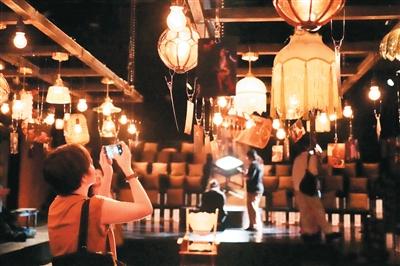
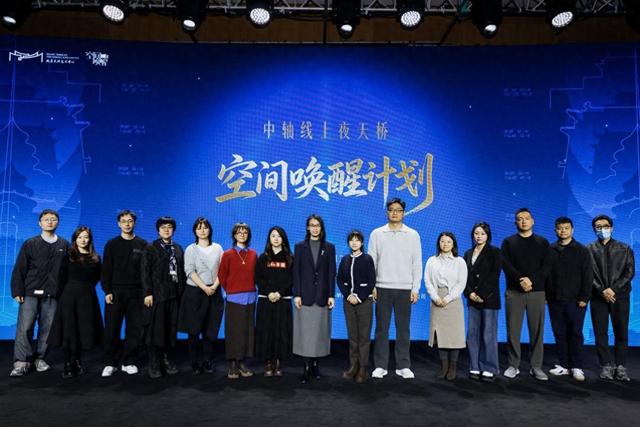
中轴线上夜天桥 “空间唤醒计划”举办,共绘演艺新空间发展蓝图
Huan Qiu Wang· 2025-12-01 09:17
Core Insights - The "Space Awakening Plan" for the Night Bridge on the Central Axis of Beijing aims to foster discussions on IP development, promotional strategies, digital-physical integration, market trends, and sustainable operations in the performing arts industry [1][3][4] Group 1: Event Overview - The event was organized by the Cultural and Tourism Bureau of Xicheng District, Beijing, featuring keynote speeches and roundtable discussions [1][3] - Key industry figures participated in the roundtable, sharing insights on the development of new performing arts spaces [3][4] Group 2: Keynote Presentations - Pan Yazhou, General Manager of iQIYI Stardust Studio, discussed the online and offline development of iQIYI's film and television IPs, highlighting the company's commitment to local IP incubation [3] - Zhang Yongqiang, General Manager of Beijing Dayou Kanto Cultural Media Co., emphasized the importance of personal relevance in stage play promotions [3] - Professor Chang Wei from Beijing Institute of Fashion Technology presented on the "Fashion Magic Academy," a digital co-creation project targeting youth culture in the metaverse [3] - Zhang Yabo, Head of Theater Operations at Damai Platform, provided insights into the immersive performance market trends for 2025, supported by data analysis [3] Group 3: Roundtable Discussions - The roundtable focused on "Commercial Symbiosis and Sustainable Operations in New Performing Arts Spaces," addressing core industry challenges and exploring innovative business models [4] - Industry representatives shared practical experiences and discussed solutions to overcome key pain points in the sector [4] Group 4: Future Directions - The event concluded with a commitment to activate space value through innovation and empower urban development through culture, aiming to make the Night Bridge a cultural landmark [6] - Xicheng District plans to continue leveraging the cultural industry as a core engine for high-quality development, enhancing the integration of culture and commerce, and boosting the nighttime economy and cultural soft power [6]
海淀区再添10处“演艺新空间”
Xin Jing Bao· 2025-11-27 04:29
Core Viewpoint - The Haidian District has announced the second batch of new performing arts spaces, with 10 venues joining the initiative to enhance local cultural offerings and promote the "downstairs to watch a show" trend [1] Group 1: New Performing Arts Spaces - The newly recognized venues include: Beijing Yuxiandu Royal Cuisine Museum, Zhuanyao Li, Longzaitian Shadow Theatre, China Soong Ching Ling Youth Science and Technology Culture Exchange Center, DeYunShe Academy Road Theatre, Beijing Jiang Jie Piano and Accordion Museum, Central Nationalities Song and Dance Troupe National Theatre, Peking University Centennial Lecture Hall, Haidian Park Changchun Theatre, and Beijing Longli Zhi Xishan Garden Hotel Magic Space [1] Group 2: Future Plans - Over the next three years, Haidian District will continue to identify and support more unique spaces, optimizing processes, enhancing safety guidance, and connecting market resources [1] - The district aims to create a brand for "Haidian Performing Arts New Space" and promote it through coordinated publicity efforts [1]