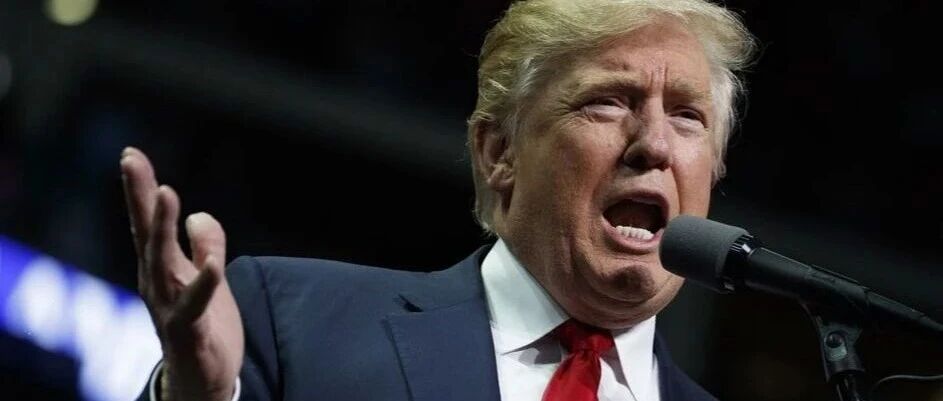
能源市场稳定

Search documents
俄罗斯:4月1日起将禁止汽油出口
中国能源报· 2026-03-28 10:14
Core Viewpoint - The Russian government has announced a ban on gasoline exports starting April 1, aimed at stabilizing domestic prices amid turmoil in the energy market due to conflicts in the Middle East [1]. Group 1: Government Actions - The ban on gasoline exports will last until July 31, as directed by Deputy Prime Minister Alexander Novak [1]. - The decision follows a meeting of the Russian cabinet regarding the domestic oil product market situation [1]. Group 2: Market Conditions - The Middle East crisis has caused significant volatility in global oil and petroleum product markets, leading to sharp price fluctuations [1]. - Despite the turmoil, there remains a high demand for Russian energy resources in foreign markets, which is viewed as a positive factor [1]. Group 3: Domestic Supply and Production - Russia's crude oil processing volume is currently on par with last year, ensuring stable supply of petroleum products [1]. - The government has previously implemented temporary restrictions on gasoline and diesel exports to stabilize the domestic market [1]. Group 4: Future Outlook - President Putin expressed hope for a resolution to the Middle East conflict in the coming weeks, acknowledging that while the situation has led to excess profits for Russia as an energy exporter, this is not expected to last long [1].


俄罗斯突然宣布:4月1日起将禁止汽油出口
第一财经· 2026-03-28 09:30
Core Viewpoint - The Russian government has announced a ban on gasoline exports starting April 1, 2026, to stabilize domestic prices amid turmoil in the energy market due to conflicts in the Middle East [3][4]. Group 1: Government Actions - Deputy Prime Minister Alexander Novak instructed the Energy Ministry to draft an administrative order for the gasoline export ban, which will last until July 31, 2026 [3]. - The Russian government held a meeting regarding the domestic oil product market situation, leading to the announcement of the export ban [3]. Group 2: Market Conditions - The Middle East crisis has caused significant volatility in global oil and petroleum product markets, with prices experiencing large fluctuations [3]. - Despite the turmoil, there remains high foreign demand for Russian energy resources, which is viewed as a positive factor [3]. Group 3: Economic Implications - President Putin indicated that while the Middle East conflict has resulted in excess profits for Russia as an energy exporter, this situation is not expected to last long [4]. - The Russian government has previously implemented temporary restrictions on gasoline and diesel exports to stabilize the domestic market [4].
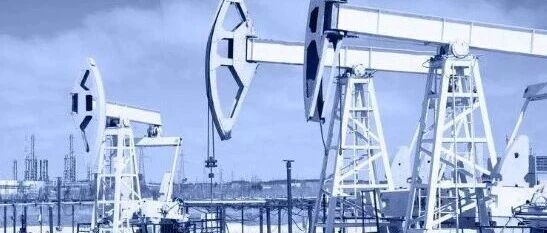
俄罗斯将从4月1日起禁止汽油出口
21世纪经济报道· 2026-03-28 09:00
Group 1 - The Russian government has announced a ban on gasoline exports starting April 1, aimed at stabilizing prices amid turmoil in the energy market due to conflicts in the Middle East [1][3] - The ban will last until July 31, as stated by Deputy Prime Minister Alexander Novak, who noted that the crisis has caused significant price fluctuations in global oil and petroleum markets [3] - Despite the turmoil, the high demand for Russian energy resources in foreign markets is seen as a positive factor, with current crude oil processing levels remaining stable compared to last year [3] Group 2 - The ongoing military actions in the Middle East, particularly since the U.S. and Israel's operations against Iran, have severely disrupted shipping routes in the Strait of Hormuz, leading to volatile international oil prices [3] - President Putin has indicated that while the conflict has generated excess profits for Russia as an energy exporter, this situation is not expected to last long, advising the finance ministry and related enterprises against relying on temporary windfalls [3]
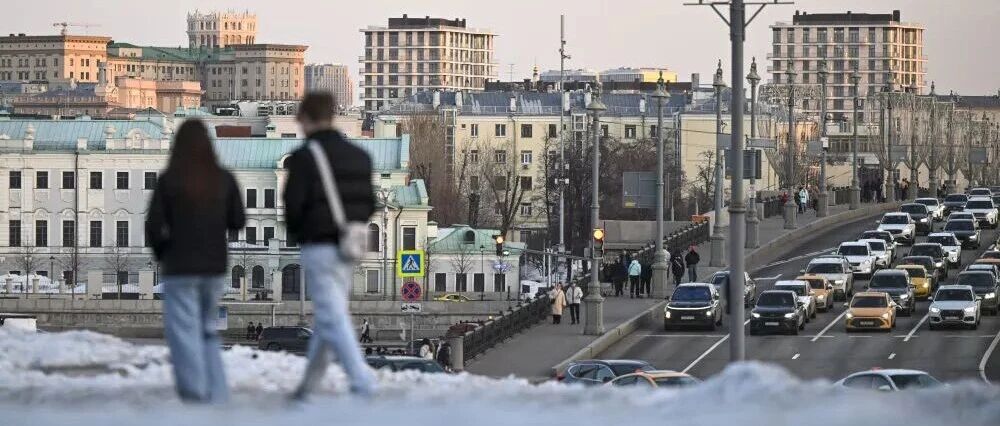
俄罗斯:拟自4月1日起禁止汽油出口
财联社· 2026-03-28 08:25AI Processing
据新华社,俄罗斯政府表示,俄副总理亚历山大·诺瓦克27日指示能源部起草一项行政命令, 自4月1日起禁止汽油出口, 目的是在中东战事引发能源 市场动荡之际稳定价格,并优先保障俄国内市场供应。 ...

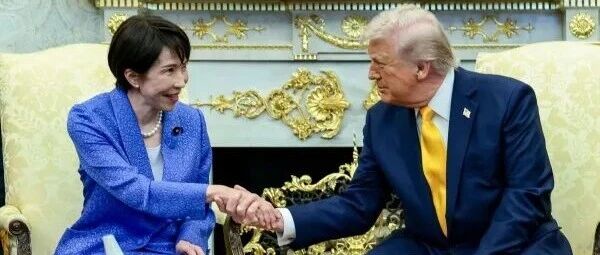
日美举行首脑会谈,特朗普敦促在伊朗问题上作出贡献
日经中文网· 2026-03-20 02:24
Core Viewpoint - The meeting between Japanese Prime Minister Suga Yoshihide and U.S. President Trump focused on energy market stability and cooperation regarding the security of the Strait of Hormuz, amidst rising tensions in the region [2][4]. Group 1: Meeting Details - The meeting lasted approximately 1.5 hours, where Suga emphasized that only Trump could bring peace and prosperity to the world [4]. - Trump expressed his intention to discuss measures to ensure the security of the Strait of Hormuz, acknowledging Japan's significant support in this area [4][5]. Group 2: Energy Security and Cooperation - Trump noted that over 90% of Japan's oil is transported through the Strait of Hormuz, highlighting the importance of stability in the region for Japan [5]. - Suga stated that ensuring the security of the Strait is crucial and mentioned Japan's legal limitations regarding the deployment of Self-Defense Forces for escorting vessels [5]. - The discussion included plans for Japan to advance joint projects for storing U.S. crude oil and to enhance cooperation in U.S. energy development [5]. Group 3: Regional Security and Strategic Coordination - The leaders discussed economic and security cooperation, particularly in response to regional issues involving China and Iran [6]. - Suga confirmed that Japan and the U.S. would maintain close coordination regarding China and North Korea, with Trump supporting the resolution of the abduction issue involving Japanese citizens by North Korea [6]. - Suga emphasized the need for a strong U.S.-Japan alliance to maximize Japan's national interests amid rising global uncertainties [6]. Group 4: Context and Implications - This meeting was the second between the two leaders since October 2025, indicating ongoing strategic dialogues [6]. - Trump's planned visit to China was postponed due to the situation in Iran, which was unexpected for the Japanese government [7].
U.S. allows temporary purchases of Russian oil already at sea
CNBC· 2026-03-13 00:04
Group 1 - The U.S. has authorized the purchase of Russian oil stranded at sea to stabilize energy markets amid the U.S.-Israeli conflict with Iran [1] - This measure is described as a "narrowly tailored, short-term measure" that applies only to oil already in transit [1] - The exemption covers Russian crude products loaded on ships on or before 12.01 a.m. Eastern time, with purchases allowed until April 11, 12.01 a.m. [2] Group 2 - The short-term measure is not expected to provide "significant financial benefit to the Russian government" [2]
永安期货晨会纪要-20260312
Yong An Qi Huo· 2026-03-12 06:18
Group 1: Market Overview - The International Energy Agency (IEA) agreed to release a record 400 million barrels of oil from emergency reserves to stabilize the market amid rising energy prices due to geopolitical tensions [8][12] - The US initiated a Section 301 trade investigation against several economies, including China and the EU, paving the way for new tariffs [12][8] - The Shanghai Composite Index closed up 0.25% at 4133.43 points, while the Hang Seng Index fell 0.24% to 25898.76 points, indicating mixed market reactions [5][8] Group 2: Company Specific Developments - Guanghe Technology, a manufacturer of customized printed circuit boards (PCBs) for computing servers, is set to launch an IPO in Hong Kong, aiming to raise up to HKD 3.31 billion [10] - The company plans to allocate approximately 52.1% of the IPO proceeds for expanding and upgrading its production facilities in Guangzhou [10] - The company reported a net profit of RMB 724 million for the first three quarters of 2025, representing a year-on-year growth of 43.1% [10] Group 3: Industry Insights - The copper cultural product market in China is projected to grow, with a leading company holding a 35% market share as of 2024 [10] - The beverage industry is facing challenges, with China Resources Beverage expected to see a 40% decrease in annual profit due to increased marketing investments and structural adjustments [13] - Cathay Pacific is preparing to raise fuel surcharges due to a doubling of aircraft fuel prices in March compared to January and February [13]
七国集团发表联合声明
财联社· 2026-03-11 12:11
Group 1 - The G7 energy ministers issued a joint statement supporting proactive measures to address the current situation, including the potential use of strategic energy reserves [1] - The meeting, which included the International Energy Agency (IEA) director Fatih Birol, focused on the impact of the Middle East conflict on global energy markets, particularly concerning oil and gas supply security and energy prices [1] - G7 member countries will closely coordinate with the IEA and its members to monitor energy market trends and are prepared to take all necessary actions if required [2]

卡塔尔首相:局势稳定后将全面恢复能源供应
中国能源报· 2026-03-10 11:34
Group 1 - The Prime Minister of Qatar, Mohammed, stated that Qatar is committed to maintaining global energy market stability and will fully resume energy supplies once regional stability is restored [3] - Current regional conflicts pose serious risks to both regional security and the global energy market and supply chains [3] - Qatar's decision to suspend liquefied natural gas production is a temporary precautionary measure due to drone attacks on its energy facilities [3] - Qatar holds the third-largest natural gas reserves globally and is one of the most important natural gas producers [3]
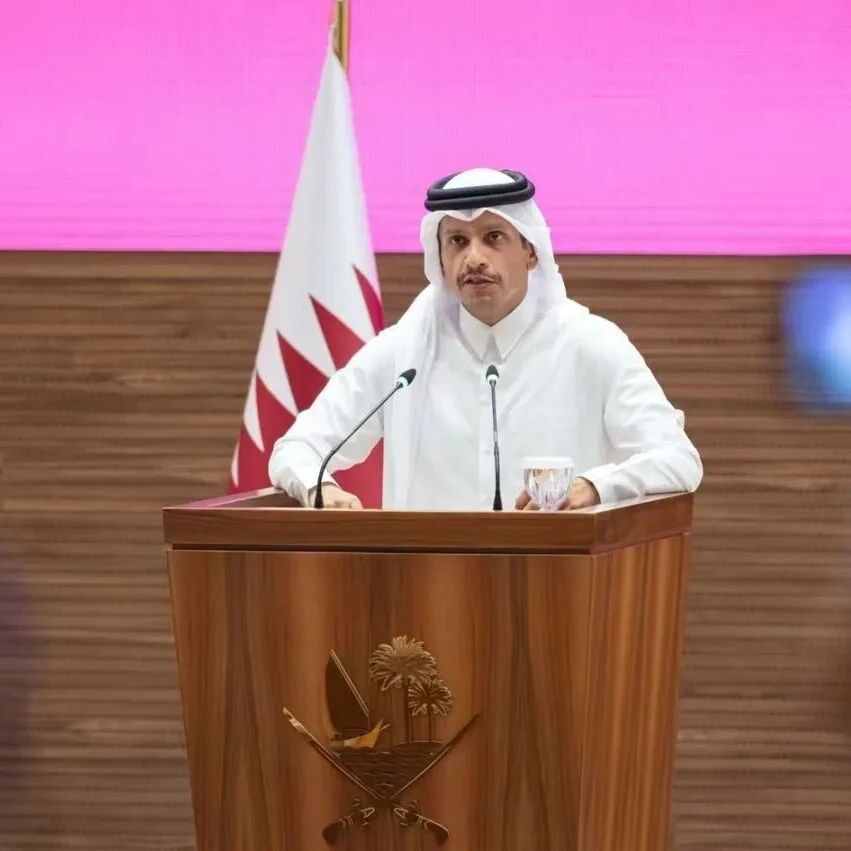
特朗普:如需要,美海军将为油轮护航
第一财经· 2026-03-04 07:14
Core Viewpoint - The article discusses the potential impact of U.S. military actions in the Strait of Hormuz on global energy markets, highlighting concerns over oil prices and shipping security due to rising tensions with Iran [3][5][8]. Group 1: U.S. Military Actions and Energy Security - President Trump announced that the U.S. Navy may escort oil tankers through the Strait of Hormuz to ensure the free flow of global energy, although there are doubts about the military's capability to undertake this task [3][6]. - The U.S. Development Finance Corporation (DFC) is expected to provide political risk insurance and financial guarantees for maritime trade in the region, although specific details were not disclosed [3][6][8]. Group 2: Economic Implications and Market Reactions - The White House is closely monitoring the economic consequences of potential military strikes against Iran, with concerns that increased military action could pressure energy markets [6][8]. - Insurance companies are raising rates significantly or canceling coverage for tankers in the region, leading to a slowdown in oil transportation and potential production pressures [6][9]. Group 3: Oil Price Forecasts and Market Sentiment - Trump acknowledged that military action against Iran could lead to a spike in oil prices, but he believes prices will eventually stabilize [8]. - Current data indicates that the average price of gasoline in the U.S. rose by $0.11 to $3.11 per gallon, the highest level since mid-October, with West Texas Intermediate crude futures increasing by 10% [8]. - Analysts predict that oil prices may remain around $80 per barrel, with significant risks associated with sporadic attacks on vessels in the Strait of Hormuz, which is crucial for global oil supply [8][9].