锂钠协同

Search documents
比亚迪3月19日全情报分析报告:「比亚迪拟在巴西建研发中心」对股价有积极影响
3 6 Ke· 2026-03-19 14:17
Core Viewpoint - BYD plans to invest 300 million Brazilian Reais in a new electric vehicle R&D center in Rio de Janeiro, expected to be operational by 2028, enhancing its global expansion and R&D capabilities [1][5][6] Group 1: Investment and Expansion - BYD's investment in Brazil signifies its commitment to international expansion and improving its competitive edge in the global market [5] - The new R&D center will include testing tracks and facilities similar to those in Zhengzhou, China, indicating a strategic approach to innovation [1] - BYD has already established a passenger vehicle factory in Camaçari, with an annual production capacity of 150,000 vehicles, demonstrating substantial progress in capacity expansion [5] Group 2: Market Sentiment and Public Perception - As of March 19, the overall sentiment regarding BYD's investment is predominantly positive, with 69% of the 735 total online mentions being favorable [1][3] - The primary platform for this sentiment is Toutiao, which accounted for 17.96% of the mentions [3] - The establishment of the R&D center is expected to enhance BYD's international brand image and attract more global customers and partners [8] Group 3: Impact on Stock Price and Future Prospects - The investment is likely to have a positive short-term impact on BYD's stock price due to market optimism regarding its international expansion and R&D capabilities [6] - Long-term, the operational R&D center is expected to further enhance BYD's global competitiveness and market share, contributing to sustained positive effects on stock price [6] - Supportive government policies for electric vehicles globally may also benefit BYD's expansion efforts, reducing costs and improving profitability [8]



告别锂电依赖!又一头部电池企业下线钠电电芯
鑫椤锂电· 2026-03-05 11:57
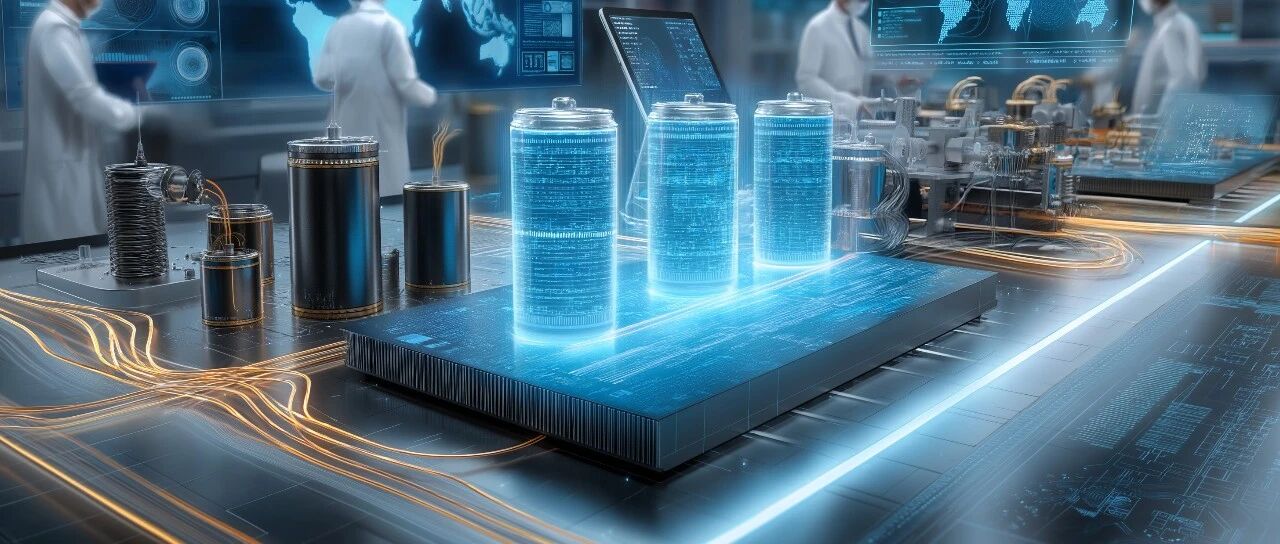
Group 1 - The core viewpoint of the article emphasizes the significant advancements in the sodium-ion battery technology, particularly with the launch of Envision's first sodium-ion energy storage cell, marking a new phase in large-scale application [3] - Sodium-ion technology is highlighted as a crucial complement to lithium battery systems, offering advantages such as wide temperature range, high rate capability, and safety, which cater to diverse application scenarios [3] - Envision has established a comprehensive innovation matrix covering various battery chemistries, including ternary, lithium iron phosphate, sodium-ion, and MTP, leveraging nearly 20 years of experience in battery R&D and manufacturing [3] Group 2 - The article mentions that by 2025, Envision aims to achieve mass production of industry-first large lithium iron phosphate cells with capacities exceeding 500Ah and 700Ah, continuously defining the next generation of energy storage products [3] - Envision has delivered over 100GWh of energy storage cells globally, assisting leading clients in creating benchmark projects and contributing to the global zero-carbon transition [3]
重磅!远景动力首款钠电产品下线
起点锂电· 2026-03-05 11:48
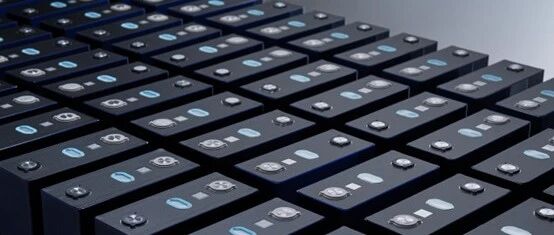
Group 1 - The core viewpoint of the article is that Envision AESC has officially launched its first sodium-ion energy storage cell, marking a new phase in the large-scale application of sodium battery technology [3] - Sodium battery technology serves as an important complementary system to lithium batteries, offering advantages such as wide temperature range, high rate capability, and high safety, which can effectively meet diverse application needs, especially in low-temperature and distributed energy storage scenarios [3] - The newly launched sodium-ion energy storage cell has core performance indicators that rank among the top in the industry, achieving stable operation in ultra-wide temperature ranges and addressing challenges related to low-temperature activity decay and high-temperature safety [3] Group 2 - Envision AESC has built an innovative matrix covering various new chemical systems, including ternary, lithium iron phosphate, sodium-ion, and MTP, based on nearly 20 years of battery research and manufacturing experience [3] - By 2025, the company aims to achieve mass production of the industry's first 500+Ah and 700+Ah lithium iron phosphate large cells, continuously defining the next generation of energy storage products [3] - To date, the company has cumulatively delivered over 100 GWh of energy storage cells globally, assisting leading customers in creating benchmark projects and contributing to the global transition to zero carbon [3]
远景冠名B4未来生态馆!首款储能专用钠离子电芯下线!
中关村储能产业技术联盟· 2026-03-05 11:16
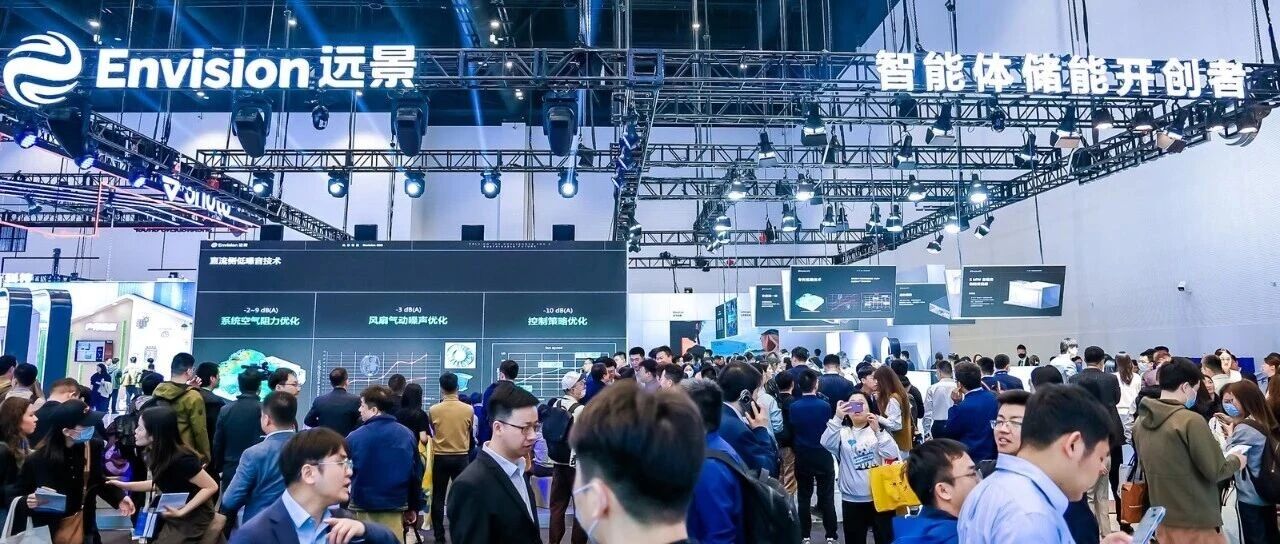
Core Insights - The article highlights the launch of Envision's first sodium-ion energy storage cell, marking a new phase in the application of sodium battery technology [2] - Sodium-ion technology is positioned as a complementary solution to lithium batteries, offering advantages such as wide temperature range, high rate capability, and enhanced safety, which cater to diverse application scenarios [2] - Envision has established a strong innovation matrix covering various battery chemistries, including sodium-ion, and has delivered over 100 GWh of energy storage cells globally [3] Summary by Sections Section 1: Event Announcement - Envision is sponsoring the 14th International Energy Storage Summit and Exhibition (ESIE 2026), showcasing its latest energy storage technologies and solutions [2][4] Section 2: Sodium-Ion Battery Technology - The newly launched sodium-ion energy storage cell demonstrates industry-leading performance metrics, achieving stable operation across ultra-wide temperature ranges and addressing challenges related to low-temperature activity decay and high-temperature safety [2] - The "lithium-sodium synergy" is expected to create a diversified renewable energy supply system, particularly advantageous for low-temperature, AIDC, and distributed energy storage applications [2] Section 3: Company Achievements - Envision has a nearly 20-year history in battery research and manufacturing, having achieved significant milestones such as the mass production of the first 500+ Ah and 700+ Ah lithium iron phosphate large cells [3] - The company has contributed to global carbon neutrality efforts by delivering over 100 GWh of energy storage cells to leading clients, helping them establish benchmark projects [3]
龙蟠科技钠电NFPP高压实正极“投产”
高工锂电· 2026-03-03 10:47
Core Viewpoint - The article discusses the strategic entry of major lithium battery companies into the sodium battery sector, highlighting the rapid development and production capabilities of sodium-ion battery materials, particularly focusing on NFPP technology [2][5]. Group 1: Industry Trends - The new energy industry is entering a phase characterized by "lithium-sodium synergy and multi-dimensional complementarity," with sodium-ion batteries gaining traction due to their resource independence, cost control, and safety performance [5]. - 2026 is recognized as the year for mass production and commercialization of sodium batteries, indicating a significant shift in the market landscape [5]. Group 2: Company Developments - Leading lithium battery material companies, including Longpan Technology, have made significant advancements in sodium battery technology and are now focusing on capacity construction [3]. - Longpan Technology has established a subsidiary, Shandong Sodium Source, which has built a pilot line for NFPP materials with a capacity of 5,000 tons per year [3][6]. Group 3: Production and Technology - Shandong Sodium Source successfully completed the entire production process for NFPP high-density products and commenced mass production on March 1 [4][7]. - The NFPP materials produced are noted for their stability and reliability, meeting the demand from downstream battery manufacturers and addressing the supply gap for high-quality sodium battery materials [7]. Group 4: Future Outlook - Shandong Sodium Source plans to continue focusing on technology and market orientation, increasing R&D investment in the sodium battery field, optimizing product performance, and expanding production capacity to respond swiftly to market demands [9].


低温、循环、成本:钠电为何可能吃下电动化下半场
高工锂电· 2026-02-21 11:49
Core Viewpoint - The article emphasizes the growing importance of sodium batteries in the electric vehicle (EV) market, particularly in cold climates, and suggests that sodium batteries will play a crucial role in the second half of the electrification process, alongside lithium batteries [4][5]. Group 1: Market Trends and Projections - According to the China Association of Automobile Manufacturers, by 2025, the share of new energy vehicles in total domestic car sales will exceed 50%, reaching 50.8%, with some months last year seeing penetration rates close to 60% [4]. - The article highlights the challenges faced by lithium batteries in northern markets, particularly regarding performance in low temperatures, which sodium batteries are well-suited to address [4][6]. Group 2: Sodium Battery Advantages - Sodium batteries have significant advantages in low-temperature scenarios and cycle life, making them particularly suitable for cold environments in northern regions [4][6]. - Testing conducted by CATL and Changan Automobile showed that vehicles equipped with sodium batteries maintained nearly three times the discharge power at -30°C compared to conventional lithium iron phosphate models, and over 90% capacity retention at -40°C [6]. Group 3: Commercialization and Product Development - CATL has been actively delivering sodium battery products and has a clear commercialization strategy, moving from commercial vehicle trials to passenger vehicle winter testing [7][8]. - The company has launched various sodium battery products, including those for heavy-duty trucks and passenger vehicles, and has emphasized the importance of low-temperature performance in its marketing [9][10]. Group 4: Strategic Partnerships and Infrastructure - CATL plans to establish over 3,000 battery swap stations across more than 140 cities by 2026, particularly in cold regions, to enhance the efficiency of sodium battery usage [11][12]. - The integration of sodium batteries with battery swap networks is expected to alleviate consumer concerns about range anxiety and open up new market opportunities [12][13]. Group 5: Supply Chain and Technological Synergies - The expansion into the sodium battery market is anticipated to drive significant changes in the supply chain, leveraging similarities between lithium and sodium supply systems [14][15]. - CATL's partnership with Rongbai Technology for sodium battery cathode materials is expected to boost production capacity significantly, with a projected 101% year-on-year increase in sodium battery cathode production by 2025 [16][17]. Group 6: Future Applications and Market Impact - CATL is expected to apply sodium batteries extensively in the energy storage sector by 2026, aligning with recent regulatory changes that reduce investment uncertainties in storage solutions [18][19]. - The introduction of new pricing mechanisms for independent storage systems is likely to enhance the investment appeal of sodium battery storage solutions [19][20].

钠电如何推进新能源汽车后50%渗透?
高工锂电· 2026-02-06 11:53
Core Viewpoint - The article emphasizes the critical role of sodium batteries in the future of electric vehicles, particularly in cold climates, and highlights the collaboration between CATL and Changan Automobile to validate sodium battery performance in extreme conditions [3][4][5]. Group 1: Market Trends and Projections - By 2025, the penetration rate of new energy vehicles in China's total auto sales is expected to exceed 50%, reaching 50.8%, with some months last year seeing nearly 60% penetration [3]. - CATL's sodium batteries are positioned as essential for the second half of the electrification process, particularly in northern markets where low-temperature performance is crucial [4][5]. Group 2: Product Development and Performance - CATL has developed various sodium battery products, including those for heavy-duty trucks and passenger vehicles, showcasing significant performance improvements in low-temperature conditions [7][9]. - In tests, sodium batteries demonstrated nearly three times the discharge power compared to conventional lithium iron phosphate models at -30°C, with over 90% capacity retention at -40°C [4][9]. Group 3: Commercialization and Strategic Partnerships - CATL has been actively delivering sodium battery products and has a clear commercialization strategy, moving from commercial vehicles to passenger cars and conducting winter tests to validate performance [5][6]. - The collaboration with Changan Automobile aims to produce models with over 400 km range, with future upgrades targeting 500 km to 600 km [10]. Group 4: Supply Chain and Industry Impact - The entry of CATL into the sodium battery market is expected to drive significant changes in the supply chain, leveraging similarities between lithium and sodium supply systems [13][14]. - CATL's partnership with Rongbai Technology for sodium battery materials is set to expand production capacity significantly, with a projected 101% year-on-year increase in sodium battery cathode material production by 2025 [15][16]. Group 5: Future Applications and Market Expansion - CATL plans to apply sodium batteries extensively in the energy storage sector by 2026, aligning with market reforms that enhance investment returns in storage solutions [17][18]. - The introduction of a new capacity pricing mechanism for independent storage stations is expected to reduce investment uncertainties in sodium battery storage [18]. Group 6: Technological Innovations - CATL has introduced the "sodium-iron" dual-core battery, combining sodium and lithium technologies, which offers a total energy capacity of 75 kWh and a range of 700 km [19].

钠电池加速“上车”长安汽车携手宁德时代开启“锂钠协同”新阶段
Zheng Quan Ri Bao· 2026-02-05 16:41
Core Insights - Changan Automobile has officially launched its global sodium battery strategy and unveiled the world's first mass-produced sodium-powered passenger vehicle in Yakeshi, in collaboration with CATL [1][2] - The sodium battery technology is seen as a significant complement to lithium batteries, enhancing the adaptability of electric vehicles in extreme cold conditions [1][2] - CATL's sodium battery, combined with its third-generation CTP system, offers a range of over 400 km, with potential future upgrades to 500 km or even 600 km [2][3] Group 1 - Changan Automobile's sodium battery-powered vehicle has demonstrated a discharge power nearly three times higher than conventional lithium iron phosphate models at -30°C, with over 90% capacity retention at -40°C [1] - The sodium battery technology is expected to cover over 50% of the market's range requirements as the sodium industry chain develops rapidly [2] - Changan aims to become the first major automaker to fully adopt sodium batteries across multiple brands, leveraging its extensive manufacturing experience [2] Group 2 - By 2026, CATL plans to apply sodium batteries on a large scale across various sectors, including passenger vehicles, commercial vehicles, and energy storage [3] - The production of sodium-ion batteries in China is projected to reach 3.45 GWh by 2025, marking a 96% year-on-year increase [3] - The collaboration between lithium and sodium batteries is expected to enhance supply chain resilience and reduce resource risks, facilitating the electrification of the market [3]

钠电池加速“上车” 长安汽车携手宁德时代开启“锂钠协同”新阶段
Zheng Quan Ri Bao· 2026-02-05 16:41
Core Viewpoint - The global first sodium-ion battery mass-produced passenger vehicle has successfully passed winter validation in Yakeshi, meeting various performance requirements such as range, low-temperature performance, safety, and discharge capabilities [1] Group 1: Company Developments - Changan Automobile officially launched its global sodium-ion strategy and unveiled the world's first sodium-ion mass-produced passenger vehicle in Yakeshi on February 5, in collaboration with CATL [2] - Changan Automobile plans to equip multiple brands, including Avita, Deep Blue, Qiyuan, and Inertia, with CATL's sodium-ion batteries in the future [2][4] - The company aims to become the first leading automaker to fully adopt sodium-ion technology, leveraging its extensive experience in vehicle manufacturing over 40 years [4] Group 2: Industry Insights - Sodium batteries serve as an important supplement to lithium batteries, with significant implications for enhancing the all-climate adaptability of electric vehicles [3] - The sodium-ion battery, developed by CATL, shows a nearly threefold increase in discharge power at -30°C compared to conventional lithium iron phosphate models, with over 90% capacity retention at -40°C [3] - CATL's sodium-ion battery has a maximum energy density of 175 Wh/kg, which is considered industry-leading, and future advancements could increase pure electric range to 500-600 km [3][4] - The sodium-ion battery market in China is projected to grow significantly, with a production capacity of 3.45 GWh expected by 2025, marking a 96% year-on-year increase [4] - The collaboration between lithium and sodium batteries is seen as a complementary approach, enhancing supply chain resilience and reducing resource risks [5]
海辰储能:抢占AI时代的能源“大动脉”,一家独角兽的卡位秘钥
创业邦· 2026-01-09 10:11
Core Insights - The article highlights the strategic foresight of Haichen Energy in the energy storage sector, emphasizing its decision to focus on long-duration energy storage despite industry challenges and risks [2][3] - Haichen Energy's innovative approach to battery design and technology aims to redefine industry standards, moving away from traditional battery modifications to a more robust and reliable system [4][7] Group 1: Strategic Decisions and Market Positioning - Haichen Energy's founders recognized the necessity of energy storage as renewable energy generation increases, leading them to enter the market during a downturn [2] - The company made a pivotal decision to focus on long-duration energy storage, launching a 1175Ah battery cell, significantly larger than the market average of 314Ah [3][5] - By reducing the number of connection points in their systems by nearly 30%, Haichen Energy has decreased potential failure points, enhancing reliability [5] Group 2: Technological Innovations - Haichen Energy's unique design philosophy prioritizes safety and efficiency, as demonstrated by their rigorous testing methods that challenge industry norms [7] - The introduction of a "lithium-sodium collaborative" architecture allows for rapid power release during fluctuations, addressing the specific needs of AI data centers [12][13] - This innovative approach not only improves response times but also extends the lifespan of lithium batteries by filtering out high-frequency shocks [13] Group 3: Organizational Structure and Culture - The governance structure of Haichen Energy, characterized by the complementary leadership of its founders, fosters a balance between ambitious growth and operational stability [18][20] - The company promotes a performance culture based on humanism, allowing employees to experiment and grow within a flexible organizational framework [26] Group 4: Global Market Strategy - Haichen Energy's "Local for Local" strategy emphasizes building trust and creating value in overseas markets, particularly in the U.S., where they have partnered with Munich Re for product performance assurance [22][24][25] - This approach aims to establish a strong brand presence in stringent markets, which can then influence other regions [24] Group 5: Lessons from Challenges - Haichen Energy has learned from past missteps, such as over-investing in a product that did not meet market demand, which has shaped its growth and resilience [28][29] - The transition from a battery manufacturer to a system solution provider has required significant cognitive shifts within the team, emphasizing the importance of understanding broader energy system dynamics [29]