
隐身技术

Search documents
痛别!黄培康逝世
Zhong Guo Ji Jin Bao· 2025-12-24 06:39
Group 1 - Huang Peikang, a prominent expert in radar and space electronic technology, passed away on December 22, 2025, in Beijing at the age of 90 [1] - He was a member of the Communist Party of China and an academician of the Chinese Academy of Engineering, contributing significantly to radar technology and space electronic information technology [3] - Huang was recognized as a pioneer in radar target characteristics and made substantial contributions to China's national defense modernization, receiving numerous awards including the National Science and Technology Progress Award [3]


我国雷达目标特性领域奠基人黄培康院士逝世
Ren Min Ri Bao· 2025-12-23 12:49
Group 1 - Huang Peikang was a pioneer and founder in the field of radar target characteristics in China, contributing significantly to radar technology and space electronic information technology [4] - He achieved systematic and groundbreaking major accomplishments in scientific fields such as radar target characteristics, microwave remote sensing, electromagnetic scattering and inverse scattering, and stealth technology [4] - Huang Peikang's rigorous academic approach, practical problem-solving, and innovative spirit led to substantial contributions to the modernization of China's national defense [4] Group 2 - He authored numerous works and dedicated himself to nurturing and mentoring students, cultivating a large number of high-level scientific and technological talents [4] - Huang Peikang's efforts have laid a solid foundation for China's self-reliance and strength in basic research and technology [4]

验证基本飞行特性,还将进行更多测试,彩虹-7高空高速隐身无人机首飞成功
Huan Qiu Wang Zi Xun· 2025-12-14 23:48
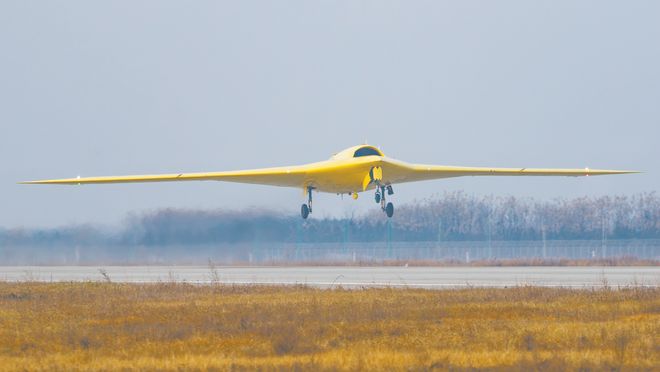
来源:环球时报 【环球时报报道 记者 马俊】《环球时报》记者从中国航天科技集团有限公司第十一研究院(航天科技 11院)获悉,彩虹-7高空高速隐身无人机近日在西北某机场成功首飞。此次首飞也代表着此前在珠海航 展上备受关注的这款"空中大蝙蝠"已经进入飞行测试阶段。 飞翼无人机试飞难在哪里 彩虹-7此前已经多次在珠海航展上亮相。在去年的珠海航展上,彩虹-7首次以真机模式参展。《环球时 报》记者在现场注意到,它的进气道位于机身上方,发动机尾喷管则采用半隐藏式设计,飞机外形光滑 优美,整体设计简洁明快。 首飞中的彩虹-7(航天科技11院供图) 与彩虹-3/4/5等此前型号采用的常规气动布局不同,彩虹-7选择了形同蝙蝠的飞翼布局,显示它扮演的 角色与美国B-2隐形轰炸机、RQ-180隐形无人侦察机类似,都高度凸显隐身性能。 在去年的珠海航展现场,《环球时报》记者了解到,彩虹-7在外形上选择了各方向隐形效果最好的飞翼 布局,同时对前缘高反射区采用吸波处理,在机体表面敷设隐形涂料,对所有检修口盖、起落架舱盖和 弹舱等进行隐形处理,甚至连螺丝都要做专门处理,从而让彩虹-7无人机具备了极好的低可探测性能。 这让它不仅可以在威胁比 ...

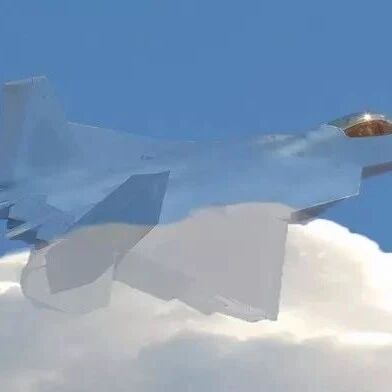
佳驰科技(688708):Q3业绩环比大增,隐身功能结构件持续突破
Guohai Securities· 2025-11-05 12:23
Investment Rating - The report assigns a "Buy" rating for the company, marking its first coverage [2][10]. Core Insights - The company has shown significant growth in its performance, particularly in the third quarter, with a notable increase in revenue from stealth function structural components [6][7]. - The company is focusing on three main business areas: new stealth function structural components, next-generation electromagnetic anechoic chambers, and stealth maintenance products, with substantial R&D investment [6][10]. - The company’s revenue for the first three quarters of 2025 reached 619 million yuan, a year-on-year increase of 5.21%, while the net profit attributable to the parent company was 249 million yuan, a decrease of 22.39% [5][6]. Financial Performance Summary - In Q3 2025, the company achieved a revenue of 341 million yuan, representing a year-on-year increase of 54.53% and a quarter-on-quarter increase of 59.82% [7]. - The net profit attributable to the parent company for Q3 2025 was 135 million yuan, up 24.38% year-on-year and 52.90% quarter-on-quarter [7]. - The company’s gross profit margin for Q3 2025 was 70.16%, showing a decline compared to the previous year [7][9]. Revenue and Profit Forecast - The company is projected to achieve revenues of 1.028 billion yuan, 1.434 billion yuan, and 1.789 billion yuan for the years 2025, 2026, and 2027, respectively [10][12]. - The net profit attributable to the parent company is expected to be 491 million yuan in 2025, increasing to 739 million yuan in 2026 and 955 million yuan in 2027 [10][12].
军工材料:为什么隐身材料是真正的“新”材料?(附75页PPT)
材料汇· 2025-10-01 14:41
Core Viewpoint - The article emphasizes the growing demand for stealth materials in modern air combat, highlighting their critical role in enhancing the performance of advanced military aircraft and the significant market potential for these materials [2][3][4]. New Demand - The emergence of stealth air combat has created a fundamental need for stealth materials, as stealth aircraft like the F-22 have proven to be decisive in combat scenarios [18][19]. - Stealth capabilities allow aircraft to choose optimal engagement and disengagement strategies, significantly reducing the opponent's chances of effective counteraction [19]. New Market - The demand for stealth materials is expected to grow rapidly in both the pre-installation market, driven by advanced aircraft like the fourth-generation fighters, and the post-installation market, where maintenance and updates are necessary to sustain performance [3][4]. - Lockheed Martin reported that 50% of the maintenance costs for the F-22 are attributed to stealth coatings, indicating a robust aftermarket for stealth materials [3]. New Logic - The investment logic for stealth materials is categorized into four phases: 1. Short-term: Increased demand for stealth materials as new aircraft are deployed. 2. Mid-term: Significant potential for performance enhancement and increased penetration rates of stealth materials. 3. Long-term: Expansion of stealth requirements into structural components, creating new growth opportunities. 4. Aftermarket: Large order volumes leading to economies of scale, driving sustained industry growth [4][7]. New Pattern - The stealth materials industry exhibits high barriers to entry, including military qualification, first-mover advantages, and research and development challenges [5]. - U.S. military stealth materials are primarily developed in-house or in collaboration with laboratories, establishing a competitive edge that is difficult for latecomers, such as Chinese manufacturers, to overcome [5]. Product Analysis - Stealth materials are categorized into three main types: infrared stealth, radar-absorbing materials, and metamaterials, each addressing different detection technologies [46]. - The primary focus of stealth material research is on reducing radar cross-section (RCS) and infrared emissions, which are critical for enhancing stealth capabilities [37][46]. Industry Dynamics - The stealth materials market is characterized by a growing need for advanced military capabilities amid tightening international security situations, leading to increased defense spending [3][4]. - The article outlines the historical development of stealth technology, indicating a shift from initial concepts during World War II to the current advanced stealth systems [30][31].
韩国举行大规模阅兵式 李在明:将大幅提高军费 收回作战指挥权
Mei Ri Jing Ji Xin Wen· 2025-10-01 05:51
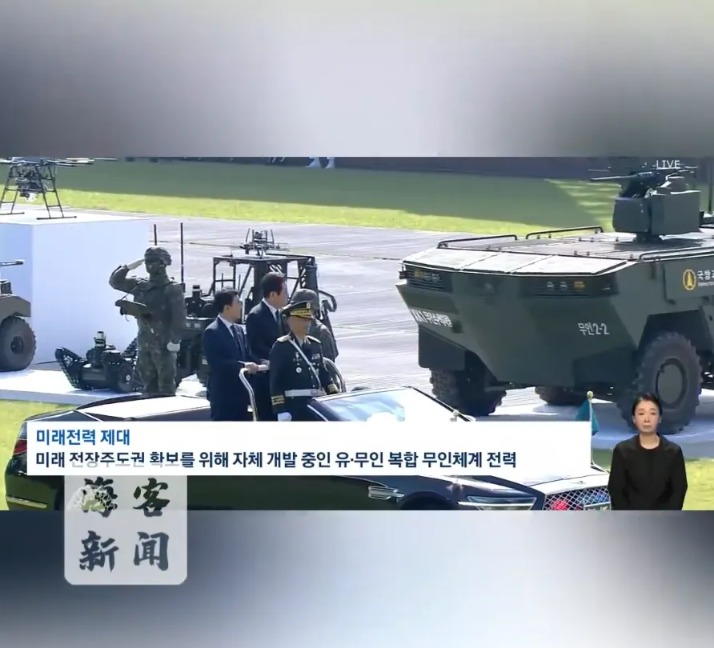
Core Points - South Korea is significantly increasing its defense budget by 8.2% to 66.3 trillion won (approximately 340 billion RMB) in 2024, focusing on advanced technologies such as military drones, robots, advanced aviation engines, and stealth technology [3][4] - President Yoon Suk-yeol emphasized that the future battlefield will be dominated by armies equipped with AI combat robots, drones, and high-precision missiles, highlighting the importance of self-reliance for peace and prosperity [3][4] - South Korea plans to regain operational command in the future, reinforcing its defense capabilities based on a solid South Korea-U.S. alliance [3][4] Summary by Categories Defense Budget - South Korea will increase its defense budget by 8.2% to 66.3 trillion won (approximately 340 billion RMB) in 2024, compared to the 2025 baseline [3][4] Technological Advancements - The military will focus on investments in military drones, robots, advanced aviation engines, and stealth technology to adapt to changing warfare dynamics [3][4] Strategic Military Positioning - President Yoon Suk-yeol stated that South Korea will work towards regaining operational command while maintaining a strong alliance with the U.S. for joint defense [3][4]
卡塔尔查到真相:以色列如入无人之境,“内鬼”竟然是阵风
Sou Hu Cai Jing· 2025-09-15 03:01
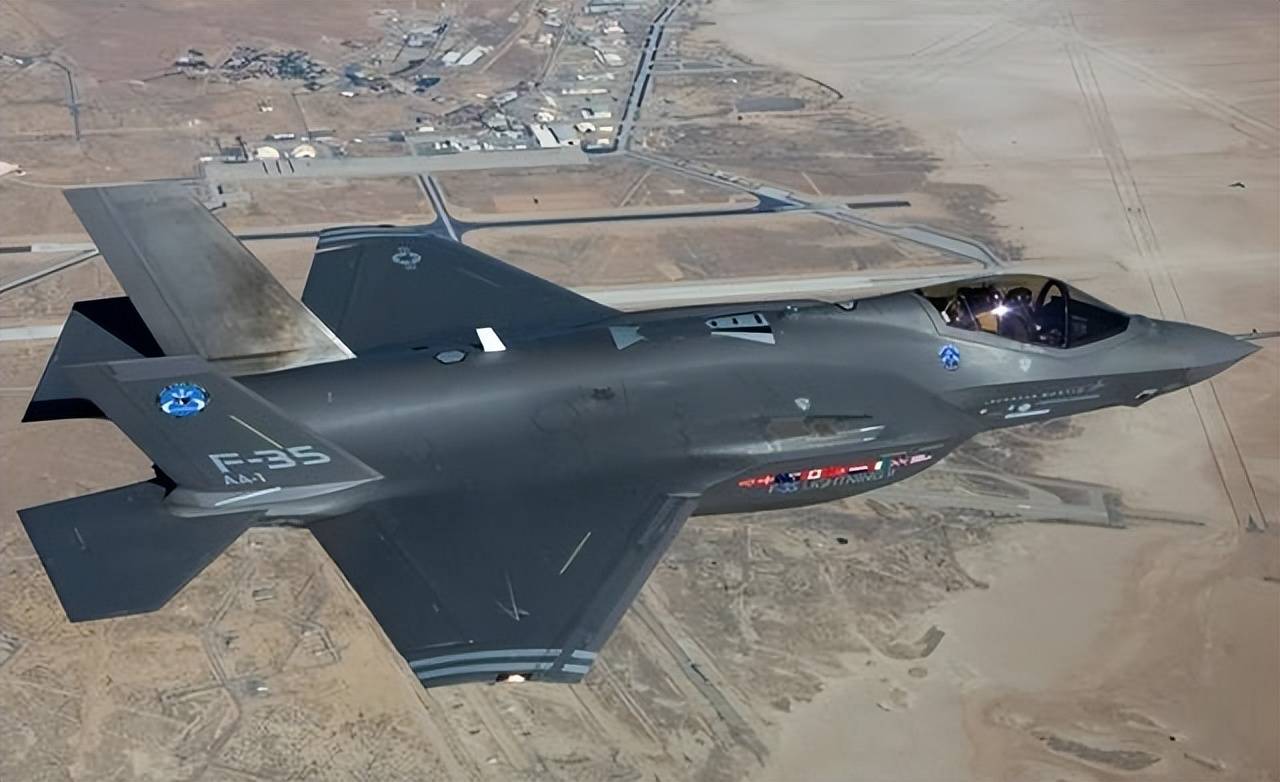
Core Insights - The Israeli Air Force conducted a precise airstrike on Doha, Qatar, revealing significant failures in Qatar's advanced air defense systems [1][3][4] - The incident has raised concerns about the effectiveness of Gulf states' air defense capabilities, particularly in the face of advanced fifth-generation fighter jets [3][4][6] Military Capabilities and Failures - Qatar has invested hundreds of billions in military modernization, including advanced aircraft like the Rafale and F-15QA, and a multi-layered air defense system [1][4] - Despite these investments, the air defense systems failed to detect the Israeli F-35I stealth fighters during the attack, exposing critical vulnerabilities [1][3] - The investigation revealed that the radar systems did not respond, and there was a lack of effective data integration among defense units [1][3][6] International Defense Market Impact - The failure of the Rafale aircraft to counter fifth-generation threats has caused a stir in the international arms market, particularly affecting France's defense contracts [4] - The Dassault Aviation team acknowledged that the Rafale's SPECTRA system has limited effectiveness against stealth targets, impacting ongoing defense projects [4] Strategic Responses and Future Considerations - Following the incident, Qatar is negotiating with China for the acquisition of J-35 stealth fighters and has approved a $5 billion budget for an independent air defense command system [6] - The event has prompted a reevaluation of modern air defense strategies, emphasizing the need for integrated systems rather than reliance on individual advanced platforms [6]
美国真要急哭了,还没弄明白之前的中国隐身技术,现中国又升级了
Sou Hu Cai Jing· 2025-09-05 04:12
Core Insights - The article discusses the foundational development and advancements of stealth technology in the U.S. and China's rapid progress in this field, highlighting the competitive dynamics between the two nations [1][3][6]. U.S. Stealth Technology Development - Stealth technology research in the U.S. began in the 1970s, with key contributions from Ben Rich at Lockheed Martin's Skunk Works, leading to significant projects like the F-117 and B-2 bombers [1][3]. - The F-117, developed from 1975 to 1981, achieved unprecedented low detectability through innovative design and radar-absorbing coatings, demonstrating its effectiveness during the Gulf War in 1991 [1][3]. - The U.S. Department of Defense continues to invest heavily in maintaining its stealth technology advantage, allocating $5 billion in 2023 for new stealth material research [3]. China's Stealth Technology Advancements - China began to catch up in stealth technology in the 2010s, with the J-20 stealth fighter entering service in 2017, featuring advanced engines and improved stealth capabilities [3][4]. - In 2024, a breakthrough was achieved with the development of a revolutionary iron-based stealth coating that absorbs electromagnetic waves and reduces infrared radiation by 80%, with a production cost of only $1 per kilogram [4][10]. - The introduction of new materials has significantly enhanced the operational durability of Chinese aircraft, such as the J-20 and J-35, which require less frequent maintenance compared to U.S. counterparts like the F-22 [10][14]. Competitive Dynamics - The competition in stealth technology has intensified, with the U.S. increasing its F-35 upgrade budget in response to China's advancements, although attempts to replicate Chinese materials have been unsuccessful [16][18]. - By 2025, China's stealth aircraft fleet is projected to surpass that of the U.S., with significant investments in military modernization, including a defense budget of $237 billion, 12% of which is allocated for stealth missile projects [14][16]. - The article emphasizes that while the U.S. has historically led in stealth technology, China has emerged as a formidable innovator, potentially reshaping global military balance [18].

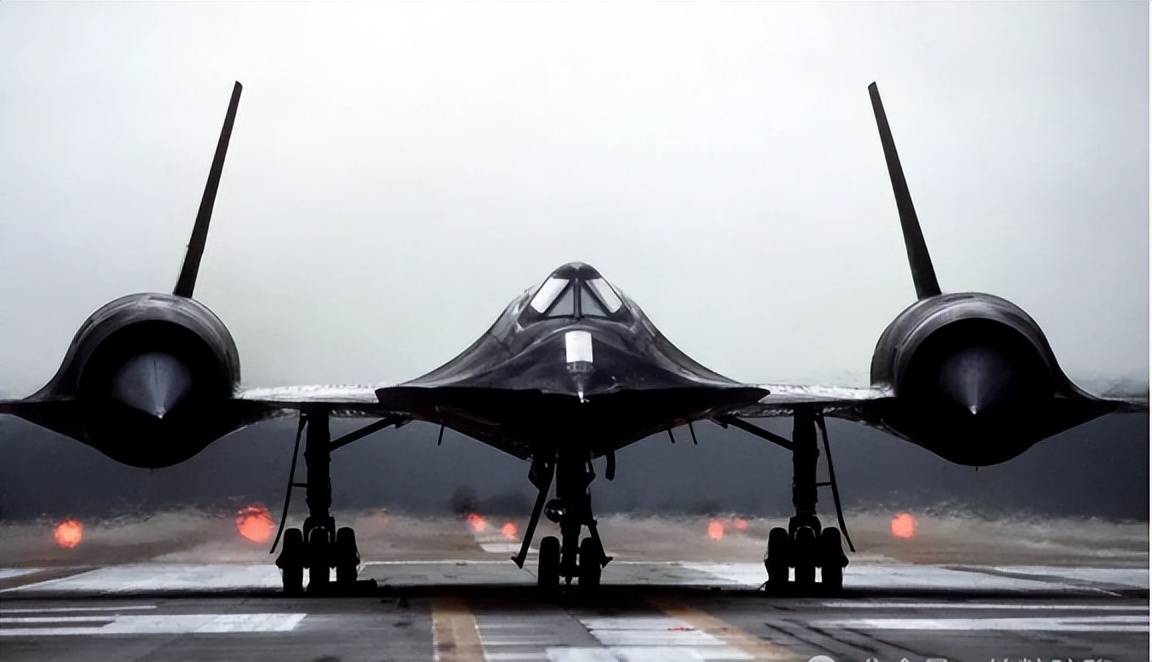
结构件放量,“隐身战机4S店”佳驰科技二季度营收大增226%
2 1 Shi Ji Jing Ji Bao Dao· 2025-08-29 09:32
Core Viewpoint - The key highlight of Jiachi Technology (688708.SH) in the first half of the year is its stealth function structural components business, which has shown significant growth despite a slight decline in overall revenue [1][4]. Revenue Performance - In Q2, the company's revenue reached 213 million yuan, a quarter-on-quarter increase of 225.98%, although total revenue for the period showed a slight year-on-year decline [1]. - The sales revenue from stealth function structural components was 199 million yuan, representing a 96.18% increase compared to the same period in 2024, and accounted for 71% of total revenue [3]. - The revenue structure shifted, with stealth function coating materials contributing 25.8% to total revenue, down from previous levels [3]. Cost and Profitability - The total operating cost, including "four expenses," was 180 million yuan, an increase of 29.33% year-on-year [6]. - The decline in revenue combined with rising costs led to a significant drop in profits, with net profit attributable to the parent company decreasing by approximately 46.5% [7]. - The gross profit margins for stealth function coating materials and structural components fell to 68.2% and 76.4%, respectively, compared to 75.4% and 81.14% in 2024 [7]. Research and Development - Jiachi Technology's R&D expenses grew by 88% to 70.97 million yuan, accounting for 25.47% of total revenue, which is significantly higher than the median of 12.5% among listed companies on the Sci-Tech Innovation Board [8]. - The number of ongoing R&D projects increased from 50 to 77, focusing primarily on aerospace applications, with some projects related to naval vessels and unmanned aerial vehicles [9]. - The company has made substantial investments in R&D, with a projected total investment of 375 million yuan for R&D projects in 2025, indicating a commitment to maintaining high R&D intensity for future growth [9].
隐身材料:先进战机核心技术,新兴材料潜力巨大
2025-08-18 15:10
Summary of Conference Call Records Industry Overview - The conference call discusses the stealth materials industry, focusing on advanced technologies used in military aircraft and naval vessels, particularly radar and infrared stealth technologies [1][2][3]. Key Points and Arguments 1. **Stealth Technology Development**: Stealth technology relies on the evolution of detection methods, primarily visible light, radar, and infrared detection. Radar stealth technology is the main focus, with passive stealth being the predominant method, which involves controlling electromagnetic waves and reducing echo intensity [1][3]. 2. **Radar Cross Section (RCS)**: RCS is a critical metric for measuring stealth effectiveness, equating the aircraft to a sphere for signal reflection comparison [4]. 3. **Infrared Stealth Techniques**: Infrared stealth targets specific wavelength bands (1-2.5 microns, 3-5 microns, and 8-14 microns) to reduce infrared radiation from high-temperature areas by applying low infrared emissivity coatings [1][6]. 4. **Frequency Selective Surfaces**: These surfaces allow specific frequency electromagnetic waves to pass while blocking others, used in aircraft like the F22 and naval vessels like the Lafayette-class frigate [1][7]. 5. **Metamaterials**: Metamaterials exhibit extraordinary physical properties through sub-wavelength unit structures, enabling electromagnetic waves to bypass objects, thus providing new directions for military technology [1][8][9]. 6. **Market Growth**: The stealth materials market is expected to see significant growth as next-generation aircraft demand higher stealth characteristics, benefiting several A-share listed stealth material suppliers over the next 5 to 10 years [2]. Company-Specific Insights 1. **U.S. Defense Budget**: The U.S. defense budget for 2026 allocates $68.3 billion for aircraft and related systems, a 10% increase from 2025. The budget for the B21 stealth bomber and the Next Generation Air Dominance (NGAD) project shows substantial growth, indicating strong government support for stealth technology [3][11]. 2. **HuaQing Technology**: The company has seen continuous revenue and net profit growth from 2020 to 2024, with a projected revenue of 1.139 billion yuan in 2024, up 24.17% year-on-year, driven by increased production and sales of special functional materials [12][13]. 3. **Guangqi Technology**: The company reported a revenue of 1.558 billion yuan in 2024, a 4.25% increase, with significant growth in R&D revenue by 911%. The company aims for substantial revenue growth targets from 2025 to 2027 [16][17]. 4. **Jiachi Technology**: The company focuses on stealth coatings and structures, achieving a revenue of 957 million yuan in 2024, with stealth coating revenue slightly declining. The company has ambitious revenue targets for 2025 to 2027, despite facing industry challenges [18][19]. Additional Important Content - The relationship between stealth demand and detection technology development is reciprocal, with advancements in detection methods driving the need for improved stealth capabilities [3]. - The historical context of stealth materials shows a transition from early, less effective materials to advanced composite materials used in modern aircraft, significantly improving maintenance and stealth performance [10]. - The challenges posed by infrared detection highlight the need for innovative solutions to maintain stealth capabilities in high-temperature environments [6]. This summary encapsulates the critical insights from the conference call, emphasizing the growth potential and technological advancements in the stealth materials industry, alongside specific company performances and market dynamics.