
饭圈乱象

Search documents
鼓动孩子用巨额消费追星?饭圈乱象只有生意没有“爱”
Ren Min Ri Bao· 2026-01-29 14:59
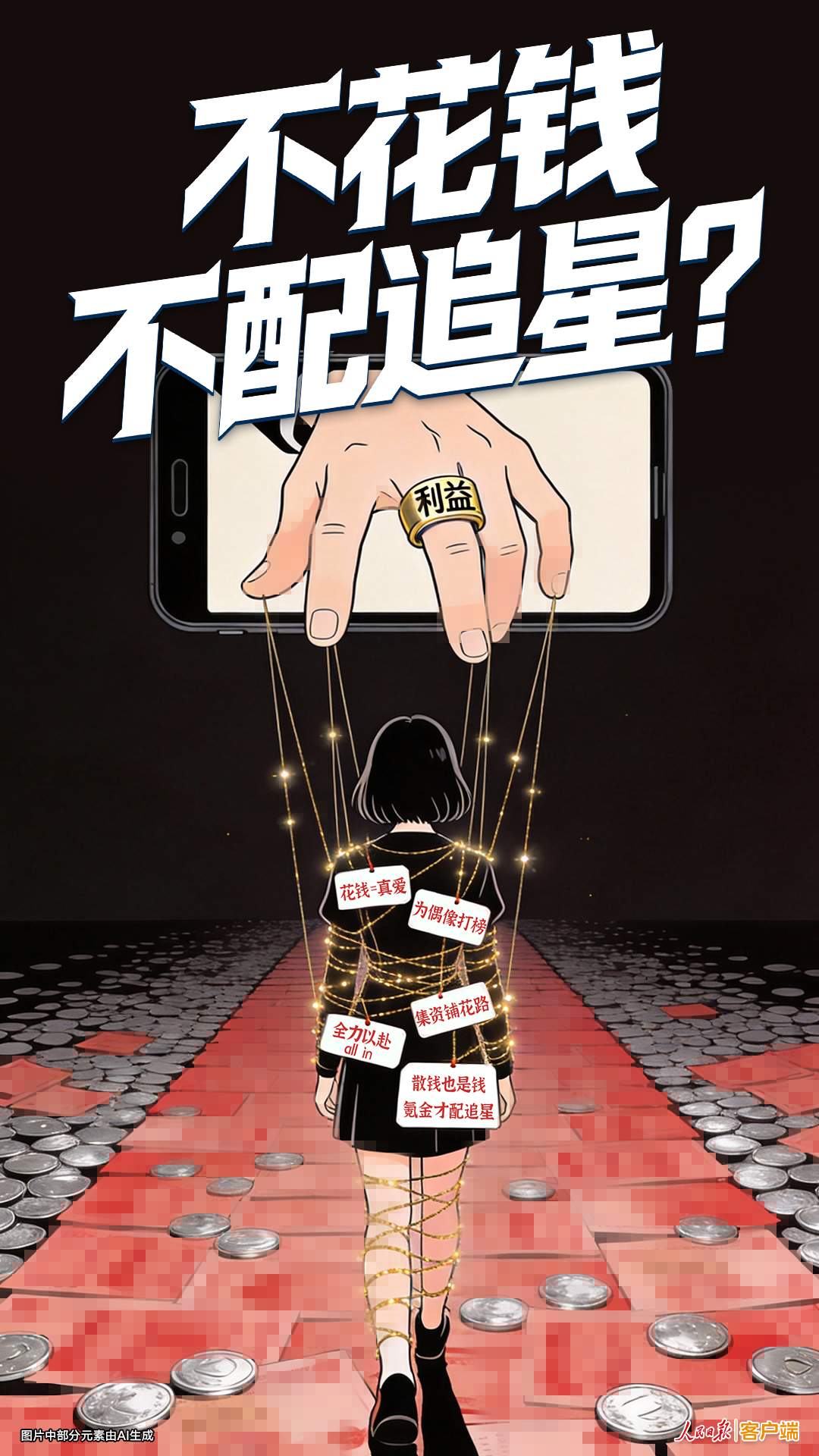
Core Viewpoint - The recent case of a 14-year-old girl spending over 60,000 yuan in a month on fan support highlights the alarming trend of youth spending large sums on celebrity fandom, raising concerns about the impact of fan culture on minors [1][4]. Group 1: Fan Culture and Financial Exploitation - Certain "operators" exploit the financial value of fan communities by organizing fundraising, voting, and ranking activities, creating a "money game" that pressures fans to spend [4]. - The logic of "spending equals loyalty" and "not spending equals betrayal" is instilled in fans through emotional manipulation, leading to irrational spending among impressionable youth [4]. - The intertwining of interests among "fan leaders," businesses, management companies, and even fraudsters creates a complex environment where young fans are easily deceived [4]. Group 2: Psychological Impact on Minors - The negative psychological effects of fan culture on minors are profound, as excessive involvement can disrupt their study time and daily life [4]. - The pressure to spend money can lead to social exclusion and psychological trauma, resembling "cyberbullying" [4]. - The transformation of emotional expression into a competition of spending fosters a materialistic mindset, which is detrimental during the critical stages of youth development [4]. Group 3: Regulatory Challenges and Responses - Despite ongoing efforts by authorities to address fan culture issues, hidden behaviors persist due to the closed nature of online communities and the use of dark web communication [5]. - Organizers often evade regulation by framing transactions as voluntary or gifts, complicating enforcement efforts [5]. - Recent regulations from eight departments classify irrational spending behaviors related to fan culture as potentially harmful to minors, providing a basis for regulatory action [5].

央视报道“饭圈”乱象,未成年人月花6万元追星
2 1 Shi Ji Jing Ji Bao Dao· 2026-01-23 05:44
Core Viewpoint - The article highlights the concerning trend of immature financial behavior among minors in the "fan circle" culture, leading to irrational spending on celebrity-related merchandise, often resulting in significant financial losses for families [1]. Group 1: Financial Impact on Minors - A minor, born in 2007, registered accounts using her mother's and friends' phone numbers to purchase celebrity merchandise, spending nearly 150,000 yuan across multiple stores within a few months [1]. - In one month alone, this minor spent over 60,000 yuan in a single store, which was only discovered after multiple large transactions were noticed by her mother [1]. Group 2: Cultural Norms in Fan Circles - Within certain "fan circles," spending money on celebrity-related items is perceived as a way to integrate and be recognized as a "true fan," reinforcing the notion that financial investment equates to loyalty [1]. - Judicial cases indicate that minors are particularly vulnerable to exploitation in these fan circles, often becoming targets for scams and manipulative practices [1]. Group 3: Scams and Exploitation - Some unscrupulous individuals exploit minors by offering "internal channels" and "purchasing benefits," leading to fraudulent activities [1]. - Minors are often encouraged to take loans or purchase fake contact information of idols, showcasing the prevalence of deceptive tactics in the fan economy [1].
14岁女孩追星一月花费6万多,“在应援团负责人店铺夜间消费”,法院:看似卖“周边物品”,实则变相为明星筹资,判其返还43600元
新浪财经· 2026-01-22 11:21
Group 1 - The article discusses the irrational consumption behavior of underage fans influenced by the "fan circle" culture, leading them to spend real money on idol-related products [3] - A case is presented involving a minor, Xiao Tong, who spent nearly 150,000 yuan on merchandise related to their idol, highlighting the financial implications of such fandom [6] - The court case centers on the validity of contracts in transactions where the seller, Awei, was found to be indirectly raising funds for idol rankings through the sale of merchandise [8] Group 2 - The court ruled that Awei must return 43,600 yuan to Xiao Tong, emphasizing the legal recognition of the exploitation of minors in these transactions [8]
14岁女孩追星一个月消费6万余元 数月消费近15万元
Sou Hu Cai Jing· 2026-01-22 01:11
Group 1 - The article highlights the problematic phenomenon of "fan circles" that lead to irrational spending among underage fans, significantly impacting their financial understanding [2] - A specific case is presented involving a minor, Xiao Tong, who spent nearly 150,000 yuan on merchandise related to idol A, primarily through a store operated by another fan, A Wei [2] - The court case revolves around the validity of the contract between Xiao Tong and A Wei, with the court ruling that A Wei must return 43,600 yuan to Xiao Tong, emphasizing the underlying issue of fundraising for idol rankings disguised as merchandise sales [3] Group 2 - The case illustrates the legal complexities surrounding online transactions involving minors and the implications of such spending on their financial behavior [3] - The court's decision reflects a growing concern over the exploitation of young fans in the idol industry, particularly regarding the commercialization of fan support [3] - The article underscores the need for regulatory measures to protect minors from excessive financial exploitation in the context of fan culture [2][3]
诱导非理性消费 “饭圈”乱象何时休?
Yang Shi Wang· 2026-01-21 17:10
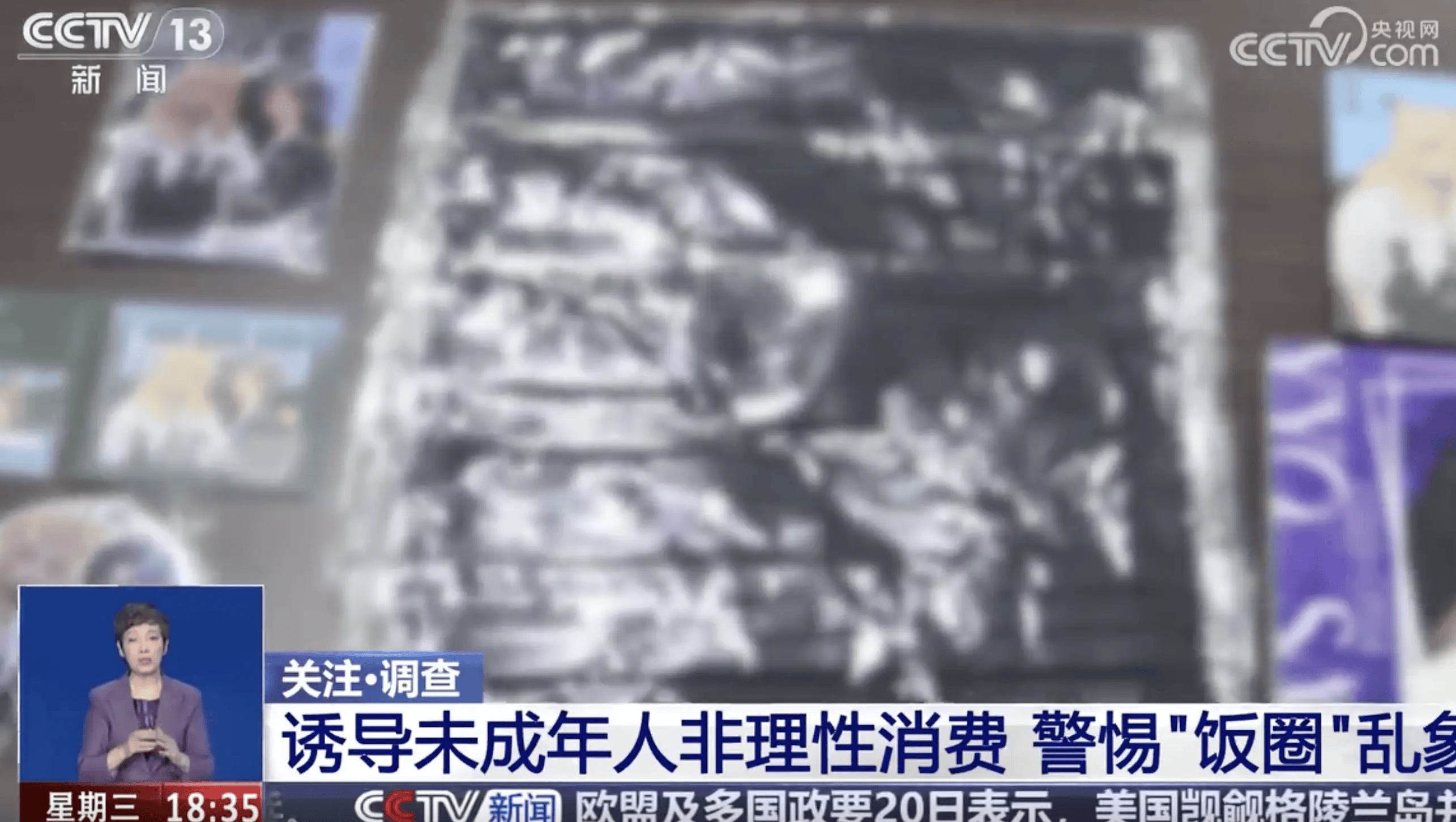
Group 1 - The core issue is the phenomenon of "fan circles" where irrational spending on celebrity fandom is prevalent among underage fans [1][2] - Spending money is perceived as a way to integrate into the fan community, with financial investment equating to being a "true fan" [2] - The internet's characteristics facilitate the formation of high emotional intensity and strong community barriers within these fan circles, creating a conducive environment for such behaviors [2] Group 2 - There are challenges in regulating the irrational consumption behaviors of underage fans within these fan circles [2]
竞技体育容不得“饭圈”乱象
Jing Ji Ri Bao· 2025-08-17 21:57
Core Viewpoint - The Chinese government is taking strong measures to address the disruptive "fan circle" culture in sports, which has been linked to negative behaviors and the violation of athletes' privacy [1][2]. Group 1: Government Actions - The Central Cyberspace Administration of China has initiated a special action called "Clear and Bright: Network Environment Rectification for Chengdu Universiade" to specifically target the negative behaviors associated with sports "fan circles" [1]. - Various government departments have been actively involved in addressing the issue, with the Ministry of Public Security announcing multiple cases of criminal activities related to sports "fan circles" [1][2]. - The National Sports Administration has expressed a firm stance against the encroachment of "fan circle culture" in sports, with various sports associations also voicing their support for the crackdown [1]. Group 2: Underlying Issues - The persistence of the "fan circle" phenomenon is attributed to profit-driven behaviors that have even formed an industrial chain, including self-media accounts spreading rumors and maliciously exploiting athletes for traffic [2]. - Some individuals have been found to impersonate athletes to create division among fans for financial gain, highlighting the need to sever illegal profit chains and hold violators accountable [2]. Group 3: Call for Collective Responsibility - The governance of the "fan circle" issue requires a collaborative effort from all parties involved, including online platforms, which are seen as the primary responsible entities for managing content [2]. - Platforms are urged to cooperate with law enforcement, optimize governance measures, and actively manage violations, while regulatory bodies should innovate oversight methods using technology [2]. Group 4: Public Engagement - The public is encouraged to enhance their online literacy, engage in rational discourse, and report violations to maintain a healthy online environment that promotes sportsmanship [3]. - Fans are advised to focus on supporting sports activities and provide positive reinforcement to athletes, rather than engaging in negative behaviors [3].
警惕“饭圈”乱象“假正义之名”(新媒视点)
Ren Min Ri Bao Hai Wai Ban· 2025-07-13 22:20
Group 1 - The article highlights the increasing regulatory efforts by authorities to address the chaotic behaviors in the entertainment sector, particularly related to fan culture and "fan circles" [1][2] - It points out that despite these efforts, some negative behaviors among extreme fans, such as spreading rumors and manipulating public opinion, have evolved and intensified [1][2] - The article emphasizes that these actions not only disrupt the online order but also challenge the rule of law and harm social justice, indicating a need for strict legal measures against such behaviors [2][3] Group 2 - The article discusses the importance of restructuring the operational logic of the entertainment economy, noting that many participants in "fan circles" are young and impressionable, making them susceptible to negative influences [3] - It mentions the coordinated efforts among various government departments, including the Central Cyberspace Administration and the Ministry of Public Security, to combat the chaos in "fan circles" and promote orderly behavior among all stakeholders [3][4] - The article concludes that maintaining the rule of law and resisting the chaos in "fan circles" is essential for the rational and orderly development of the entertainment industry, transforming fan culture into a positive force for society [4]
“令人窒息”的围观当休矣(民生观)
Ren Min Ri Bao· 2025-06-22 22:10
Group 1 - The core viewpoint emphasizes the need for a correct value system and the importance of not being driven by "traffic" in order to promote a positive societal environment [1][2] - The phenomenon of "traffic supremacy" leads to the objectification of individuals, as seen in the case of Wei Dongyi, who became a symbol of a "study master" and a "internet celebrity" [1][2] - The rapid increase in attention towards Wei Dongyi, including invasive behaviors from the public, highlights the negative impact of such "fan circle" behaviors on personal privacy and academic integrity [2] Group 2 - The article discusses the legal implications of such invasive behaviors, referencing the Civil Code's protection of personal reputation and image rights, as well as the deterrent effect of public security laws against online violence [2] - It calls for improved inter-departmental communication and collaboration among various sectors, including internet governance, public security, sports, and education, to address these issues effectively [2] - The recognition of Wei Dongyi's contributions to research, including a nomination for the National Natural Science Award, underscores the importance of providing a supportive environment for talent to thrive [2]
31人因“饭圈”行为被处罚 民警提示:请文明理性“追星”
Huan Qiu Shi Bao· 2025-06-09 13:30
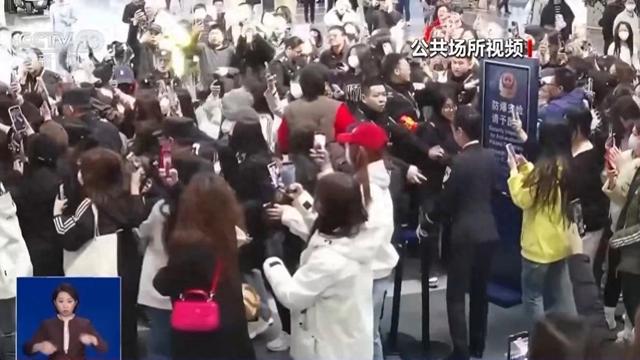
Core Viewpoint - The article discusses the recent disturbances caused by fan gatherings, particularly at Beijing Capital International Airport, highlighting the need for regulation and responsible behavior among fan groups [1][11]. Group 1: Fan Gatherings and Public Order - Large gatherings of fans at Beijing Capital International Airport have caused disruptions to passenger travel, prompting police intervention [1][5]. - Fans exhibited extreme emotions, leading to chaotic scenes when celebrities appeared, resulting in potential safety hazards [3][5]. - Authorities have taken action against individuals who disrupt public order, with two fans receiving administrative penalties for their behavior [7][9]. Group 2: Regulatory Measures and Enforcement - The Beijing Capital International Airport police have implemented strict measures against fan gatherings, with 31 individuals penalized for disrupting public order this year [11]. - Online platforms are being monitored and regulated to eliminate low-quality content related to fan culture, with over 160,000 pieces of illegal information removed and 7,600 accounts dealt with [13]. - A collaborative governance mechanism has been established involving cultural and law enforcement agencies to address fan-related disturbances effectively [15]. Group 3: Guidelines for Responsible Fan Behavior - Authorities emphasize the importance of civil and rational fan behavior, urging fans to adhere to legal boundaries and respect public order [9][16]. - Fans are reminded not to interfere with airport operations or the travel of other passengers, ensuring a safe environment for all [16][18]. - The goal is to promote lawful and reasonable fan activities without resorting to illegal methods [18].
聚焦民生“小事” 看民法典如何保护你我权益
Xin Hua Wang· 2025-05-27 09:01
Group 1 - The Civil Code, regarded as a "encyclopedia of social life," is closely related to the daily lives of individuals, addressing key issues such as community disputes and workplace harassment [1] - The recent cases released by the Supreme People's Court highlight how the Civil Code protects individual rights and promotes better living conditions [1] Group 2 - The installation of elevators in old residential buildings is a significant public welfare project that can enhance living quality but may lead to disputes among neighbors [2] - In a case from Wuxi, residents agreed to install an elevator, but one owner opposed it due to concerns about light obstruction, leading to legal action [2][3] - The court ruled that the installation benefits the majority and emphasized the need for neighborly tolerance while allowing for compensation discussions if significant impacts occur [3] Group 3 - The Civil Code imposes obligations on employers to prevent and address workplace sexual harassment [4] - A case involving a company executive who harassed female employees resulted in the company terminating his contract without compensation, as the behavior violated company policies [5] - The ruling reinforces the legal basis for companies to act against harassment, promoting a healthier work environment [5] Group 4 - The phenomenon of "fan culture" can lead to harmful behaviors, as seen in a case where one fan was defamed by others online [6] - The court ruled in favor of the defamed individual, ordering the offenders to apologize and pay damages, highlighting the importance of protecting personal rights in the digital space [7] - This case illustrates the need for clear legal frameworks to address online defamation and promote responsible behavior among internet users [7]