
人机共生

Search documents
人形机器人“杀入”体育圈,未来市场几何?
Hu Xiu· 2025-08-20 10:13
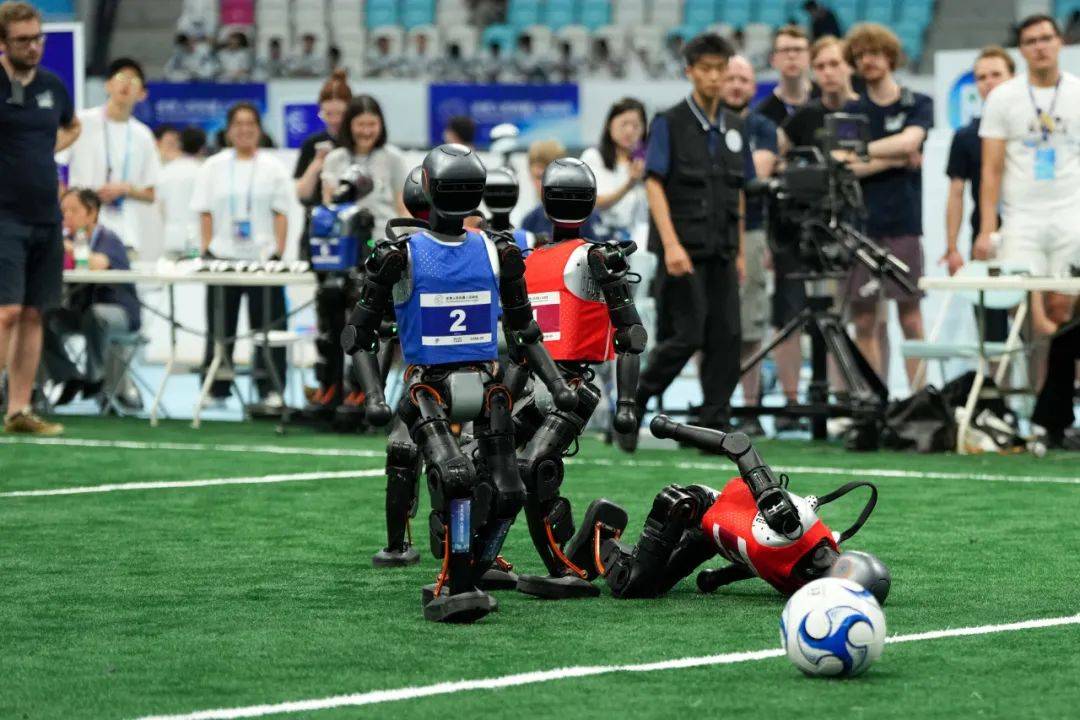
Core Points - The 2025 World Humanoid Robot Games opened in Beijing, showcasing 280 teams from various countries, marking the first comprehensive sports event focused on humanoid robots [2] - The rapid advancements in artificial intelligence have enabled humanoid robots to transition from theoretical concepts to practical applications in sports [3][6] - Humanoid robots are increasingly participating in sports events, demonstrating significant technological breakthroughs in a short period [7][9] Group 1: Industry Trends - The integration of humanoid robots in sports is seen as a way to enhance brand exposure for companies involved in robotics, leveraging sports marketing to attract attention in both consumer and capital markets [12][13] - The complexity of sports provides a valuable training ground for humanoid robots, allowing them to improve their learning and adaptability in dynamic environments [15][16] - The sports industry is expected to embrace technology more actively, with humanoid robots poised to meet growing market demands and development opportunities [27] Group 2: Company Collaborations - Major Chinese sports brands, including Anta, Li Ning, Xtep, and 361°, are actively collaborating with robotics companies to integrate technology into their products [30][31] - These collaborations aim to fuse technology with sports, driving innovation and enhancing brand competitiveness in a saturated market [36][37] - The partnership between sports brands and robotics firms reflects a broader trend of merging sports with technology, which is anticipated to revolutionize the industry [38] Group 3: Future Applications - Humanoid robots are expected to expand their roles beyond competitions to include officiating, training, and service in various sports contexts [20][22][23] - The potential for humanoid robots to enhance the spectator experience at events is significant, with applications ranging from logistics assistance to interactive engagement with audiences [25] - The market for humanoid robots is projected to grow substantially, with estimates suggesting over 100 million units in use across various sectors by 2045, indicating a market size of approximately 10 trillion yuan [28]


灵巧手战局:三路玩家,六派打法
机器人圈· 2025-08-20 09:59
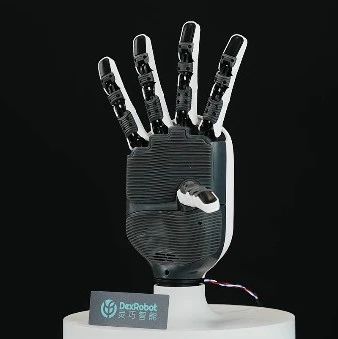
Core Insights - The article discusses the evolution of dexterous hands in robotics, emphasizing their importance in transforming robots from industrial tools to more autonomous humanoid agents [4][5][6]. - The dexterous hand market in China is projected to grow significantly, reaching $2.55 billion by 2024 and $3.739 billion by 2031, with a compound annual growth rate (CAGR) of 41.6% [17]. Market Overview - The domestic dexterous hand market has three main player categories competing for a share of this billion-dollar market [15][18]. - The first category focuses on vertical specialization, developing core components like dexterous hands and electric grippers, with companies such as Yinshi Robotics and Lingxin Qiaoshou leading the way [20]. - The second category consists of full-stack players, primarily robot manufacturers that integrate dexterous hands into their systems, including companies like Utree Technology and ZhiYuan Robotics [21]. - The third category includes cross-industry entrants with backgrounds in precision components or servo motors, such as Zhaowei Electromechanical and Su Teng Ju Chuang [22]. Competitive Strategies - The article identifies six differentiated strategies among the three player categories in the dexterous hand market [23][24]. - The first strategy focuses on companies that specialize in supplying dexterous hands, emphasizing standardization and rapid integration [25]. - The second strategy involves companies that bridge medical and robotics sectors, leveraging shared technologies for growth [26]. - The third strategy is about providing components for their own robotic systems, enhancing compatibility and efficiency [29][30]. - The fourth strategy emphasizes a full supply chain approach, producing both core components and complete dexterous hand products [32]. - The fifth strategy combines traditional electric grippers with dexterous hands to meet diverse customer needs [33]. - The sixth strategy revolves around algorithm-driven solutions that integrate hardware and software for enhanced functionality [35]. Technological Trends - The article highlights the ongoing exploration of different transmission methods and degrees of freedom in dexterous hands, indicating a lack of consensus in the industry [23][38]. - Companies are encouraged to develop a comprehensive product matrix that addresses varying market demands, from low to high degrees of freedom [38]. - The article notes the importance of cost reduction and mass production capabilities, particularly for dexterous hands with tactile sensors, which currently retail above 30,000 yuan [40]. - Achieving a data feedback loop and hardware-software coupling is crucial for enhancing the dexterous hand's capabilities in real-world applications [42][43]. Conclusion - The dexterous hand represents a critical component in the robotics industry, influencing both technological advancement and commercial viability [44]. - Success in this competitive landscape will depend on a company's ability to effectively engineer, commercialize, and create an ecosystem around their products [45].
时报观察丨机器人奔赴赛场 新技术迎来市场
Zheng Quan Shi Bao· 2025-08-18 00:48
Core Insights - The first humanoid robot sports competition showcased the humorous failures of robots, highlighting the event's focus on innovation and collaboration rather than traditional competitive outcomes [1][2] - The event attracted over 500 humanoid robots, emphasizing the importance of real-world testing to address key industry challenges such as hardware reliability and algorithm robustness [1] - The competition served as a platform for teams to enhance their technological capabilities and foster public acceptance of emerging technologies, paving the way for commercialization [2] Group 1 - The event encouraged teams to push technological boundaries and overcome existing limitations through competitive rules [2] - Humanoid robots demonstrated various challenges in performance, such as gait adaptation on complex surfaces and coordination in team sports [1] - The competition's problem-oriented approach effectively targeted the development pain points in the humanoid robot industry [1] Group 2 - The laughter and enjoyment from the audience indicated a growing acceptance of new technologies, which is crucial for the commercial viability of humanoid robots [2] - The event highlighted that the value of technology lies in its ability to grow alongside humanity, rather than achieving perfection [2] - The journey of humanoid robots requires better human-robot collaboration to expand their applications beyond the competition arena [2]

时报观察丨机器人奔赴赛场 新技术迎来市场
证券时报· 2025-08-18 00:23
Core Viewpoint - The first humanoid robot sports competition showcased the imperfections of robots, highlighting the importance of innovation and interdisciplinary collaboration in advancing humanoid robotics technology [1][2]. Group 1: Event Overview - The event featured over 500 humanoid robots, emphasizing a shift from traditional competitive sports to a focus on technological breakthroughs and human-robot collaboration [1]. - Various competitions tested different aspects of robot capabilities, such as speed, balance, and real-time communication, revealing critical challenges in the humanoid robotics industry [1]. Group 2: Implications for the Industry - The competition served as a catalyst for teams to enhance their technical research and overcome existing technological barriers [2]. - The audience's positive reception and laughter at the robots' failures indicate a growing acceptance of emerging technologies, which could foster a favorable market environment for the commercialization of humanoid robots [2]. - The event underscored that the value of technology lies not in its perfection but in its ability to evolve alongside humanity, suggesting a need for better human-robot collaboration for broader applications [2].

机器人奔赴赛场 新技术迎来市场
Zheng Quan Shi Bao· 2025-08-17 17:43
Core Insights - The first humanoid robot sports competition showcased the humorous failures of over 500 humanoid robots, highlighting the event's focus on innovation and interdisciplinary collaboration rather than traditional competitive outcomes [1][2] - The competition served as a practical testing ground for addressing key challenges in the humanoid robot industry, such as hardware reliability, algorithm robustness, and scene adaptability, which can only be fully exposed in real dynamic environments [1] Industry Implications - The event encouraged participating teams to enhance their technological research and overcome existing technical bottlenecks through competitive rules [2] - The audience's positive reception and laughter at the robots' failures indicate a growing acceptance and enthusiasm for emerging technologies, which could create a favorable market environment for the commercialization of humanoid robots [2] - The journey of humanoid robots requires better human-robot collaboration to transition from the competition arena to broader application scenarios [2]
时报观察 机器人奔赴赛场 新技术迎来市场
Zheng Quan Shi Bao· 2025-08-17 17:29
Core Insights - The first humanoid robot sports competition showcased the humorous failures of robots, highlighting the event's focus on innovation and collaboration rather than traditional competitive outcomes [1][2] - The event gathered over 500 humanoid robots, emphasizing the importance of real-world testing to address key industry challenges such as hardware reliability and algorithm robustness [1] Industry Summary - The competition served as a platform for teams to enhance technology development and overcome existing technical bottlenecks through competitive rules [2] - The audience's positive reception and laughter at the robots' mishaps indicate a growing acceptance and enthusiasm for emerging technologies, which could facilitate the commercialization of humanoid robots [2] - The event underscored that the value of technology lies in its ability to grow alongside humanity, suggesting that better human-robot collaboration is essential for broader application beyond the competition [2]
通研院BIGAI-Unitree战队机器人获单机舞蹈比赛冠军
Bei Ke Cai Jing· 2025-08-16 11:37
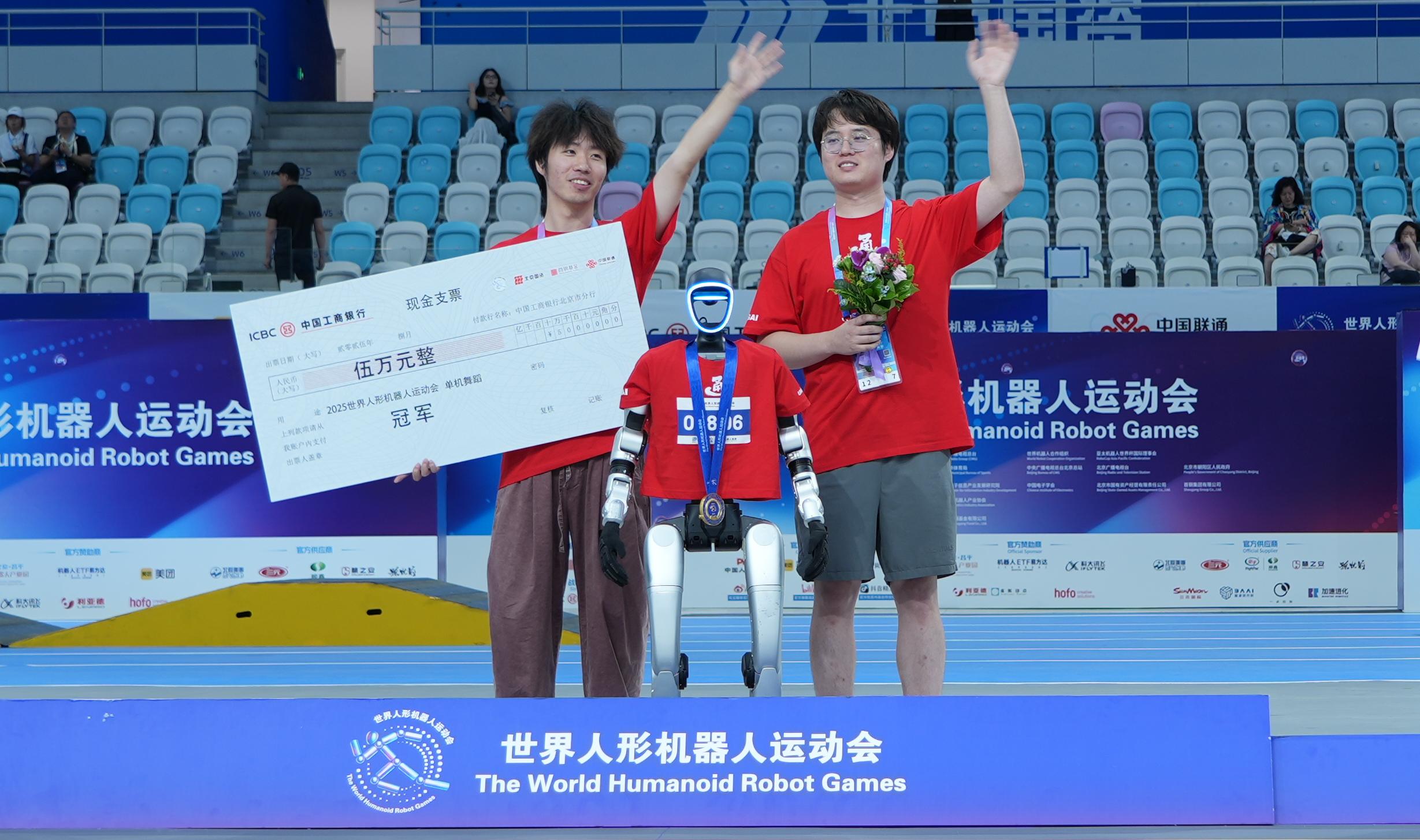
Group 1 - The BIGAI-Unitree team from the Beijing General Artificial Intelligence Research Institute won the championship in the solo dance competition at the 2025 World Humanoid Robot Games [2] - The competition was highly competitive, with many excellent participants, and the team worked tirelessly in the final days to fine-tune their algorithms, achieving a near-perfect performance that showcased their technical strengths and musical aesthetics [3] - The team aims to increase public interest in humanoid robots and advance related technologies and industries, with a vision of achieving coexistence and symbiosis between humans and robots [4] Group 2 - The team expressed confidence in integrating robots into daily life, providing emotional value, and assisting people with various tasks [4]
直击全球首个人形机器人运动会
Zhong Guo Xin Wen Wang· 2025-08-15 16:47
Group 1 - The 2025 World Humanoid Robot Games are being held in Beijing, showcasing advancements in robot speed, balance, and adaptability to complex terrains through traditional athletic events like the 100m and 1500m races [1] - The BISTU team participated in various track events, optimizing their robot's algorithms and speed for better performance on the field [1] - The H1 robot from Lingyi Technology won the 1500m final with a time of 6 minutes and 34 seconds, indicating significant progress in robotic performance compared to previous events [1] Group 2 - The 1500m race tests the robot's joint structure, heat dissipation, environmental perception, and self-balancing capabilities, with a noticeable decrease in failure rates compared to earlier competitions [2] - Practical scenario competitions, such as material handling and drug sorting, are included to provide real-world applications for robots, enhancing their commercial viability [2] - The RUC-HUHA team from Renmin University participated in the drug sorting competition, utilizing VR technology to operate their robot for precise medication handling [2] Group 3 - Audience engagement is highlighted, with spectators competing against robots in activities like table tennis, showcasing the robots' observational skills and areas for improvement in reaction speed [3] - The table tennis robot, developed by Peking University and the Zhiyuan Research Institute, uses cameras for trajectory prediction and requires further data collection for model training and skill enhancement [3] - The event serves as a platform for robot companies to showcase their technological advancements and for the public to interact with robots, indicating a future of human-robot coexistence despite existing challenges [3]
2025世界人形机器人运动会启幕 全球机器人战队同台展实力
Zheng Quan Ri Bao Wang· 2025-08-15 07:29
Group 1 - The 2025 World Humanoid Robot Games, the first comprehensive sports event featuring humanoid robots, officially opened on August 14 at the National Speed Skating Hall in Beijing, with 280 teams from 16 countries participating in 487 competitions across 26 events from August 15 to 17 [1][2] - The event aims to showcase cutting-edge achievements in intelligent decision-making and collaborative movement of humanoid robots, adhering to principles of fair competition, open innovation, safety, and industry linkage [1][2] - The opening ceremony featured a theme of "Intelligent Competition Towards the Future," blending technology and culture to illustrate the intersection of artificial intelligence and sports spirit, highlighting China's advancements in humanoid robot technology through various national policies [2][3] Group 2 - The event serves not only as a competitive platform but also as a significant window for showcasing global technological achievements and dialogues on future industries [2] - During the opening ceremony, over a hundred teams showcased their robots in various performances, including street dance and traditional Chinese opera, emphasizing the fusion of technology and human civilization [2][3] - The competition aims to drive breakthroughs in core technologies such as motion control and environmental perception for humanoid robots, injecting new momentum into the global robotics industry [3]
全球首个人形机器人运动会开幕
Xin Hua She· 2025-08-14 16:17
Core Viewpoint - The "2025 World Humanoid Robot Games" has officially opened in Beijing, showcasing the integration of humanoid robots in sports, arts, and applications, with participation from 280 teams across 16 countries and regions [1][2] Group 1: Event Overview - The event features 26 competitions across various categories including competitive events, performance events, scenario events, and peripheral events, totaling 487 matches from August 15 to 17 [1][2] - The opening ceremony highlighted the theme "Intelligent Competition Towards the Future," emphasizing the fusion of technology and culture, and the interaction between artificial intelligence and sports spirit [2] Group 2: Competition Categories - The main competition categories include 100m, 400m, 1500m, long jump, gymnastics, and 5v5 football, alongside performance events like solo and group dance, and martial arts [2] - Scenario competitions involve practical skills in factory settings (material handling), hospitals (drug sorting), and hotels (cleaning services), while peripheral events include basketball, table tennis, group dance, and combat sports [2] Group 3: Objectives and Principles - The event aims to promote breakthroughs in core technologies such as motion control and environmental perception through competitive challenges, serving as a platform for showcasing technological achievements and facilitating dialogue on future industries [2] - The organizing committee emphasizes principles of fair competition, open innovation, safety, and industry collaboration, encouraging teams to explore the potential of human-robot coexistence through interdisciplinary cooperation [2]