
民族复兴

Search documents
“铭记光复历史,携手复兴征程”——纪念台湾光复80周年大会上的共同心声
Xin Hua She· 2025-10-25 15:45
Core Viewpoint - The 80th anniversary of Taiwan's recovery is a significant historical moment, emphasizing the importance of remembering the anti-Japanese war victory and the return of Taiwan to China, while promoting national unity and the great rejuvenation of the Chinese nation [1][2][3]. Group 1: Historical Significance - The establishment of Taiwan Recovery Memorial Day reaffirms the historical fact of Taiwan's return to China, aiming to inform the world that Taiwan is an inseparable part of Chinese territory [2][3]. - The commemoration serves as a reminder of the sacrifices made during the 50 years of Japanese colonial rule, where 650,000 lives were lost in the struggle for Taiwan's liberation [3]. Group 2: Call for Unity - Representatives from various regions emphasize the need for unity among all Chinese people, including those from Hong Kong, Macau, Taiwan, and overseas, to overcome challenges and achieve prosperity and development [2][4]. - The event encourages overseas Chinese to act as a bridge, promoting the true history of Taiwan's recovery and fostering a favorable international environment for national unity [4][5]. Group 3: Opposition to Separatism - There is a strong condemnation of the "Taiwan independence" movement, with calls to resist any attempts to distort history and undermine the shared memories of the Chinese people [3]. - The importance of adhering to the "One China" principle and the "1992 Consensus" is highlighted as essential for peaceful development of cross-strait relations [3].
携手推进祖国统一大业 同心开创民族复兴光明前景
Yang Shi Xin Wen Ke Hu Duan· 2025-10-25 12:55
Core Viewpoint - The establishment of Taiwan Recovery Memorial Day reflects the collective will and sentiment of all Chinese people, including Taiwanese compatriots, marking a significant historical event in the context of Taiwan's return to Chinese sovereignty after World War II [4][5]. Group 1: Historical Context - Taiwan was ceded to Japan by the Qing government in 1895 after the First Sino-Japanese War and was returned to Chinese sovereignty on October 25, 1945, following Japan's defeat in World War II [1]. - The decision to establish Taiwan Recovery Memorial Day was passed by the 14th National People's Congress Standing Committee, highlighting the importance of this historical event [1][4]. Group 2: Collective Sentiment and Significance - The establishment of Taiwan Recovery Memorial Day is seen as a response to public sentiment and reflects the shared aspirations of all Chinese people, emphasizing the historical connection between Taiwan and the mainland [4]. - The sacrifices made by over 650,000 Taiwanese during the anti-Japanese struggle are acknowledged, reinforcing the narrative that Taiwan's recovery is a part of the broader Chinese national identity [4]. Group 3: Current Relevance - The memorial day serves as a counter to "Taiwan independence" rhetoric and aims to strengthen national unity and territorial integrity, especially in light of current political tensions [5]. - The commemoration of Taiwan's recovery is viewed as essential for fostering cross-strait relations and promoting a shared historical memory among the Chinese people [5][6].

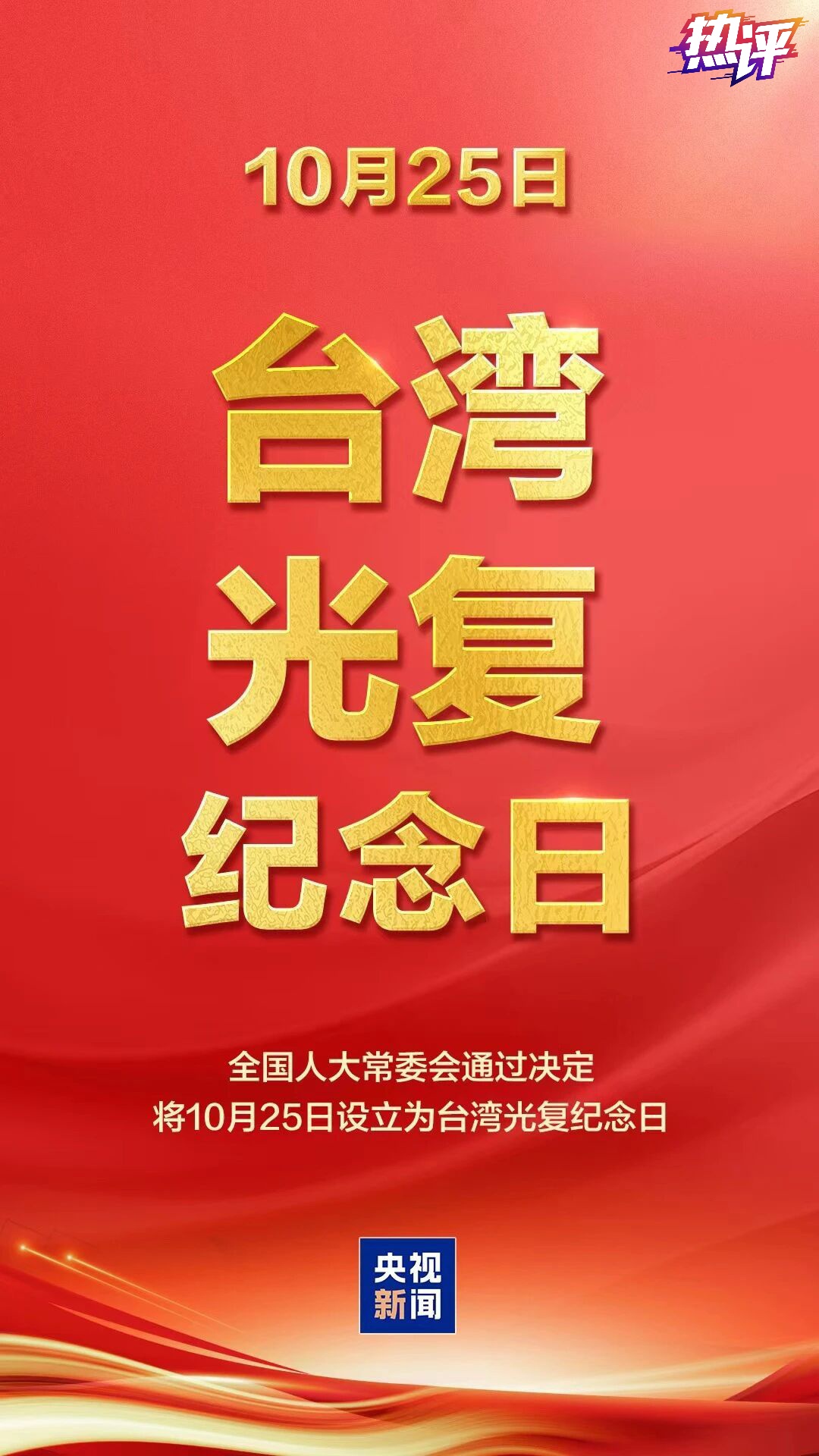
热评两岸丨携手推进祖国统一大业 同心开创民族复兴光明前景
Yang Shi Xin Wen Ke Hu Duan· 2025-10-25 12:00
Core Viewpoint - The establishment of Taiwan Recovery Memorial Day reflects the collective will and shared historical memory of all Chinese people, including those from Taiwan, marking the 80th anniversary of Taiwan's return to Chinese sovereignty after Japanese occupation [1][4]. Group 1: Historical Context - Taiwan was ceded to Japan by the Qing government in 1895 after the First Sino-Japanese War and was returned to Chinese sovereignty on October 25, 1945, following Japan's defeat in World War II [1]. - The proposal to establish Taiwan Recovery Memorial Day has been supported by various representatives and organizations in Taiwan, indicating a strong public sentiment for recognizing this historical event [4]. Group 2: Significance of Memorial Day - The legal establishment of Taiwan Recovery Memorial Day is seen as a response to public opinion and reflects the collective desire of all Chinese people to commemorate this significant historical event [4]. - The memorial day serves to reinforce the historical fact of Taiwan's recovery and the shared identity of the Chinese nation, emphasizing the sacrifices made by over 650,000 Taiwanese during the anti-Japanese struggle [4]. Group 3: Contemporary Relevance - The commemoration of Taiwan Recovery is crucial in countering separatist narratives and fostering unity among Chinese people, especially in the face of current political tensions and attempts to limit cross-strait exchanges [5]. - The memorial day is viewed as a means to inspire collective efforts against separatism and foreign interference, promoting national sovereignty and territorial integrity [5]. Group 4: Future Aspirations - The historical experiences of the past 80 years are seen as a foundation for future cooperation and development between the mainland and Taiwan, emphasizing the importance of unity in achieving national rejuvenation [6]. - The call for restoring historical memory among the younger generation in Taiwan is highlighted as essential for fostering a sense of shared identity and purpose among all Chinese people [5].
【学习贯彻党的二十届四中全会精神】以中国式现代化全面推进中华民族伟大复兴
Yang Shi Wang· 2025-10-25 11:56
Group 1 - The 20th Central Committee's Fourth Plenary Session is a significant meeting aimed at advancing towards the second centenary goal, with the approval of the proposal for the 15th Five-Year Plan, which outlines the strategic direction for China's development over the next five years [1][2] - The session highly praised the major achievements during the 14th Five-Year Plan period, highlighting the resilience and effective response to various challenges, including the severe impact of the pandemic and other significant risks [1][2] - The 15th Five-Year Plan period is identified as a critical phase for solidifying the foundation of socialist modernization, with the approved proposal providing guidance on economic and social development principles and objectives for the next five years [2] Group 2 - There is a strong emphasis on unity and collective effort to transform the ambitious blueprint into reality, with a commitment to high-quality development and the promotion of Chinese-style modernization [2] - The session calls for closer unity around the leadership of Xi Jinping, aiming to advance national construction and the rejuvenation of the nation through Chinese-style modernization [2]
把握历史大势 共创美好未来(观沧海)——写在台湾光复八十周年之际
Ren Min Ri Bao· 2025-10-25 05:39
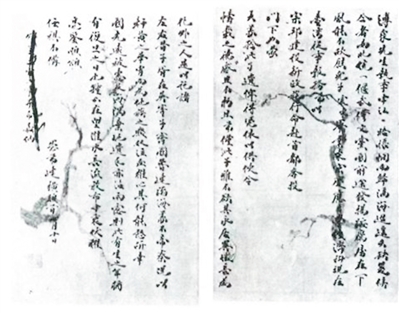
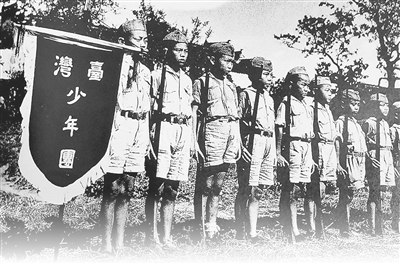
10月24日,十四届全国人大常委会第十八次会议表决通过关于设立台湾光复纪念日的决定,以法律形式 将10月25日设立为台湾光复纪念日。 设立台湾光复纪念日,在国家层面举行纪念活动,有利于体现台湾是中国不可分割一部分这一无可辩驳 的历史事实,巩固国际社会坚持一个中国的格局,引领两岸同胞传承、弘扬伟大抗战精神,激励全体中 华儿女为祖国统一、民族复兴而团结奋斗。 历史将永远铭记这一刻——1945年10月25日,中国政府代表在同盟国中国战区台湾省受降仪式上向全世 界宣告:自即日起,台湾及澎湖列岛已正式重入中国版图,所有一切土地、人民、政事皆已置于中国主 权之下。 台湾光复了!被外族侵占奴役长达半个世纪的台湾,终于重回祖国怀抱!那响彻云霄的欢呼、扬眉吐气 的喜悦,如潮水般在台湾全岛蔓延开来。 "全岛各处,欢歌燕舞,家家户户,祭祖谢神,告慰先灵……"基隆港的码头上,到处是人潮如涌,到处 是欢声笑语。年轻的母亲抱着孩子来了,80岁的老翁拄着拐杖来了,人们激动地挥舞着连夜缝制的旗 帜,热烈欢迎从大陆来的官兵,为台湾的光复与新生欢呼雀跃。 中华民族发展史上,两岸同胞从来都是命运相连、荣辱与共。 习近平总书记抚今追昔,深刻指出:" ...
两岸家书(人民家书)
Ren Min Ri Bao Hai Wai Ban· 2025-10-24 22:21
Group 1 - The article highlights the emotional connections and historical significance of letters exchanged between families across the Taiwan Strait, emphasizing the deep-rooted ties and shared cultural heritage of the Chinese people [9][20][26] - It discusses the impact of historical events, such as the end of Japanese colonial rule in Taiwan and the subsequent reunification with China, on familial relationships and the longing for connection [10][13][22] - The letters serve as a testament to the resilience and enduring spirit of families separated by political circumstances, showcasing their hopes for unity and cultural preservation [12][19][24] Group 2 - The article features several personal stories, including that of Lian Heng, who expressed his desire for his son to avoid becoming a foreigner, and Lin Zhengheng, who wrote to his mother about his sacrifices during the war [11][14][18] - It also recounts the experiences of Chen Zhenchao and Huang Baolan, who conveyed their feelings of longing and regret over family separations due to historical conflicts [17][21] - The narrative illustrates the broader theme of seeking roots and maintaining cultural identity among Taiwanese individuals, as seen in the correspondence of Huang Zongji and Huang Tianzhu [25][26]
把握历史大势 共创美好未来(观沧海)
Ren Min Ri Bao· 2025-10-24 22:21
Core Viewpoint - The establishment of Taiwan Liberation Memorial Day on October 25 is a significant legal recognition of Taiwan's return to China, emphasizing that Taiwan is an inseparable part of China and reinforcing the one-China principle in the international community [12][16][17]. Group 1: Historical Context - Taiwan was occupied by foreign powers for nearly half a century, which is a painful chapter in the history of the Chinese nation [14]. - The announcement of the Cairo Declaration in December 1943 and the Potsdam Declaration in July 1945 reaffirmed the return of territories, including Taiwan, to China [16]. - On October 25, 1945, the Chinese government officially declared the restoration of sovereignty over Taiwan, marking its return to the Chinese territory [16]. Group 2: National Unity and Identity - The article emphasizes the deep-rooted connection between the people of Taiwan and the mainland, highlighting a shared destiny and cultural identity [13][15]. - The narrative of resistance against foreign occupation and the strong sense of national identity among Taiwanese people during the Japanese colonial period is underscored [14][15]. - The call for unity against any form of "Taiwan independence" is presented as a collective aspiration of all Chinese people [17][19]. Group 3: Future Outlook - The article asserts that the unification of Taiwan with the mainland is an inevitable historical trend and a requirement for national rejuvenation [18]. - It emphasizes that a strong and unified China will enhance the welfare and development opportunities for the people of Taiwan [19]. - The message conveys confidence in achieving national unity and revitalization, urging Taiwanese compatriots to recognize the historical momentum towards unification [19].
受权发布|全国人民代表大会常务委员会关于设立台湾光复纪念日的决定
Xin Hua She· 2025-10-24 14:41
新华社北京10月24日电 全国人民代表大会常务委员会关于设立台湾光复纪念日的决定 1945年,包括台湾同胞在内的全体中华儿女前仆后继、浴血奋战,取得中国人民抗日战争暨世界反法西 斯战争的伟大胜利,台湾随之光复,重回祖国怀抱。台湾光复是中国人民抗日战争胜利的重要成果,是 中国政府恢复对台湾行使主权的重要铁证,是台湾作为中国一部分的历史事实和法理链条的重要一环, 是两岸同胞的共同荣光和全体中华儿女的民族记忆。为维护世界反法西斯战争胜利成果和战后国际秩 序,展现坚持一个中国原则和捍卫国家主权、统一、领土完整的坚定意志,强化两岸同胞共同民族历史 记忆,弘扬爱国主义精神,激励两岸同胞在新时代新征程中为国家统一、民族复兴作出新的贡献,根据 《中华人民共和国宪法》,第十四届全国人民代表大会常务委员会第十八次会议决定: 将10月25日设立为台湾光复纪念日。国家通过多种形式举行纪念活动。 责编:张靖雯、侯兴川 (2025年10月24日第十四届全国人民代表大会常务委员会第十八次会议通过) ...
受权发布丨全国人民代表大会常务委员会关于设立台湾光复纪念日的决定
Xin Hua Wang· 2025-10-24 13:52
(2025年10月24日第十四届全国人民代表大会常务委员会第十八次会议通过) 1945年,包括台湾同胞在内的全体中华儿女前仆后继、浴血奋战,取得中国人民抗日战争暨世界反法西 斯战争的伟大胜利,台湾随之光复,重回祖国怀抱。台湾光复是中国人民抗日战争胜利的重要成果,是 中国政府恢复对台湾行使主权的重要铁证,是台湾作为中国一部分的历史事实和法理链条的重要一环, 是两岸同胞的共同荣光和全体中华儿女的民族记忆。为维护世界反法西斯战争胜利成果和战后国际秩 序,展现坚持一个中国原则和捍卫国家主权、统一、领土完整的坚定意志,强化两岸同胞共同民族历史 记忆,弘扬爱国主义精神,激励两岸同胞在新时代新征程中为国家统一、民族复兴作出新的贡献,根据 《中华人民共和国宪法》,第十四届全国人民代表大会常务委员会第十八次会议决定: 将10月25日设立为台湾光复纪念日。国家通过多种形式举行纪念活动。 新华社北京10月24日电 全国人民代表大会常务委员会关于设立台湾光复纪念日的决定 ...
商务部:在大力提振消费、稳步扩大制度型开放等方面出台更多细化措施
智通财经网· 2025-10-24 13:41
Core Points - The meeting emphasized the importance of implementing the spirit of the 20th Central Committee's Fourth Plenary Session, which is crucial for the economic and social development during the "15th Five-Year Plan" period [2][4] - The meeting highlighted the need for high-quality planning in the business sector, focusing on boosting consumption, expanding institutional openness, and promoting trade innovation [4] Group 1 - The meeting recognized the significance of the 20th Central Committee's Fourth Plenary Session as a pivotal moment for unifying the party's consensus and advancing national rejuvenation through Chinese-style modernization [2][3] - The session's recommendations provide strategic guidance for the next five years, emphasizing the construction of a modern industrial system and high-level technological self-reliance [3] - The meeting called for a comprehensive understanding of the central planning recommendations, aiming to strengthen domestic circulation and facilitate international cooperation [3][4] Group 2 - The meeting outlined the necessity of organizing learning and discussions around the session's spirit, making it a major political task for the current and future periods [4] - It was stressed that detailed measures should be developed to support the goals of the "14th Five-Year Plan" and ensure a solid foundation for the "15th Five-Year Plan" [4]