
全面从严治党

Search documents
江苏:积极探索家庭助廉新路径 持续夯实家风建设根基
Zhong Yang Ji Wei Guo Jia Jian Wei Wang Zhan· 2025-08-19 00:50
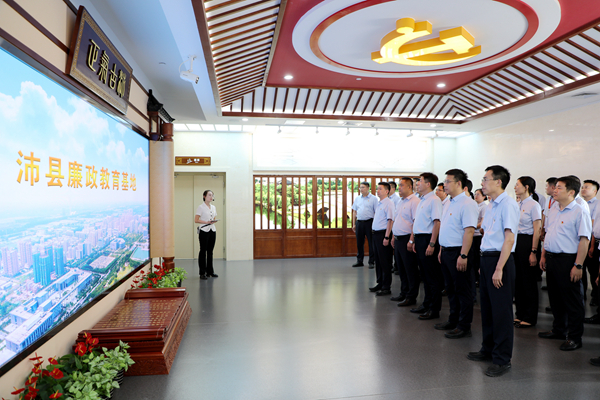
Core Viewpoint - The article emphasizes the importance of family integrity and ethical upbringing in combating corruption among party members and officials in Jiangsu Province, China. It highlights various initiatives and educational programs aimed at strengthening family values and promoting a culture of integrity within families to support broader anti-corruption efforts. Group 1: Family Integrity Initiatives - Jiangsu Province's纪委监委 is organizing activities to educate and guide party members and officials to strengthen family integrity against corruption [6][10] - The "Good Family, Good Life" integrity classroom initiative is being implemented across various units to promote ethical behavior among officials and their families [5][7] - The "Xiangyu Liansheng" themed integrity family classroom in Huai'an District aims to immerse young officials and their families in learning about red family values [7] Group 2: Educational Programs and Activities - Family education has been integrated into the training system for party officials, making it a compulsory part of various training programs [9] - The use of case studies and warning education is emphasized to strengthen the understanding of the consequences of poor family values among officials [10][11] - Various local initiatives, such as the "Walking Good Family" lecture group, are being organized to share family integrity stories and promote good family values in communities [15][16] Group 3: Community Engagement and Cultural Integration - The article discusses the collaboration between different departments to promote family integrity through community events and cultural activities [16][17] - Local cultural resources are being utilized to enhance family integrity education, with activities like performances and storytelling sessions being organized to engage the public [15][17] - The overall goal is to create a societal atmosphere that values family integrity, thereby contributing to a cleaner political and social environment [16][17]

前行丨以优秀的标准要求自己
Zhong Yang Ji Wei Guo Jia Jian Wei Wang Zhan· 2025-08-18 00:32
Core Viewpoint - The article highlights the exemplary work of Jiang Qiangqiang, a director at the Discipline Inspection Commission of Qiaocheng District, Bozhou City, Anhui Province, emphasizing his commitment to integrity and effective governance in tackling corruption and improving local governance [1][3]. Group 1: Achievements and Initiatives - Jiang Qiangqiang has handled over 200 problem clues and more than 10 serious disciplinary cases since his transfer to the Discipline Inspection Commission in December 2017, achieving a balance between case quality and conflict resolution [1]. - In early 2018, he led the establishment of a collaborative inspection area to strengthen supervision at the grassroots level, addressing issues like weak oversight and the challenges of a "familiar society" [2]. - Jiang's innovative approach included cross-disciplinary law enforcement to enhance the effectiveness of the collaborative inspection area, resulting in the creation of detailed work checklists that were adopted citywide [2]. Group 2: Case Handling and Methodology - During a national campaign against corruption in the grain purchasing sector in 2021, Jiang faced significant challenges due to a lack of prior cases in this area, yet he employed a methodical approach to gather evidence and uncover misconduct [3][4]. - Jiang's team successfully identified a former company executive involved in embezzling 1.3 million yuan by manipulating grain purchase records, demonstrating his commitment to thorough investigation and evidence collection [4]. - He emphasizes that the goal of case handling is not merely punitive but to promote governance improvements, advocating for a comprehensive approach to address systemic issues revealed during investigations [4][6]. Group 3: Educational and Preventive Measures - Jiang has implemented educational initiatives to raise awareness about the consequences of corruption among local officials, using case studies to illustrate risks and promote compliance [5]. - After concluding investigations, he analyzes the underlying risks and regulatory gaps, providing targeted recommendations to enhance oversight and prevent future violations [5][6]. - His work has led to a systematic approach to governance, focusing on both accountability and the promotion of ethical practices within local government [6].
成都:坚决拥护省委决定
Xin Jing Bao· 2025-08-15 15:29
Core Viewpoint - The expulsion of Tian Rong, former Deputy Secretary of the Chengdu Municipal Committee, reflects the commitment to strict governance and anti-corruption efforts within the Communist Party of China [1][2] Group 1 - The Chengdu Municipal Committee announced the expulsion of Tian Rong from the party and public office due to serious violations of discipline and law [1] - The meeting emphasized the importance of adhering to the Party's absolute loyalty and maintaining political integrity among members [1] - The decision showcases the provincial leadership's determination to implement the central government's directives on strict party governance [1] Group 2 - Continuous education on party discipline is essential to maintain a clean and honest political environment [2] - The meeting highlighted the need for deepening reforms and addressing corruption by learning from past cases [2] - Responsibilities for party governance must be clearly defined and enforced at all levels to ensure a strong collective effort in maintaining political integrity [2]
学习贯彻二十届中央纪委四次全会精神丨铁纪护航风清气正校园生态
Zhong Yang Ji Wei Guo Jia Jian Wei Wang Zhan· 2025-08-14 00:10
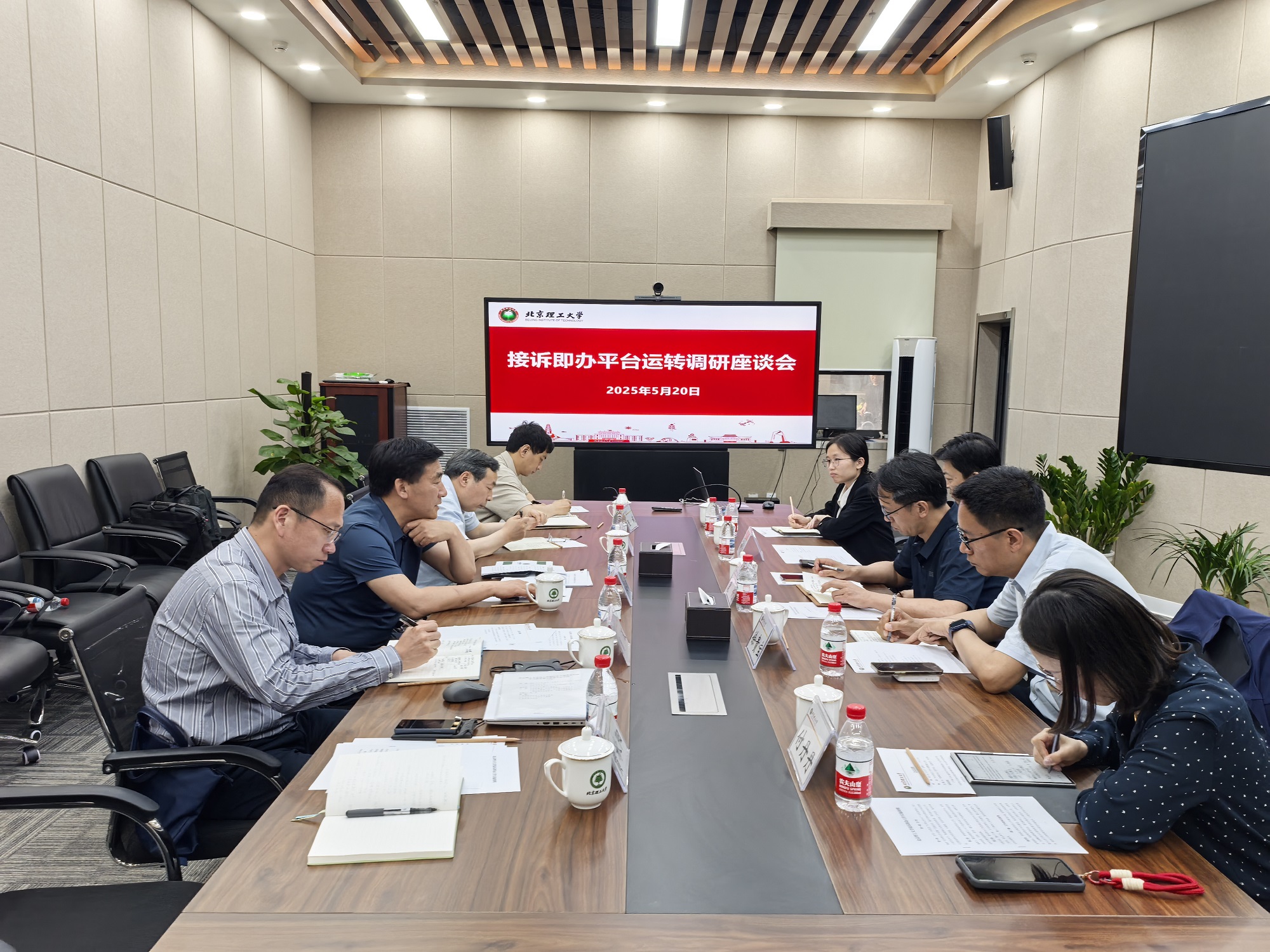
Core Viewpoint - The article emphasizes the importance of maintaining a clean political environment and educational atmosphere in higher education institutions, highlighting the role of disciplinary inspection and supervision in safeguarding the integrity and effectiveness of educational policies and practices [2][3][4]. Group 1: Political Supervision and Responsibilities - Political supervision is identified as the primary responsibility of disciplinary inspection agencies, ensuring that the decisions of the Central Committee are effectively implemented in universities [5]. - The focus is on enhancing political supervision by closely monitoring the implementation of educational policies and addressing any deviations promptly [4][5]. - The article stresses the need for a strong political foundation in universities to support the cultivation of new generations of talent aligned with national strategies [4][5]. Group 2: Risk Prevention and Management - The article discusses the importance of establishing a risk prevention network to identify and address potential issues in key areas such as admissions, procurement, and research funding [7][8]. - It highlights the use of modern technologies like big data and artificial intelligence to enhance the precision of risk warnings and improve the effectiveness of supervision [8]. - The need for proactive measures to detect and mitigate risks early is emphasized, ensuring that minor issues do not escalate into significant problems [7][8]. Group 3: Building a Professional Inspection Team - The article calls for the development of a high-quality, professional inspection team within universities, emphasizing the need for rigorous training and adherence to legal and regulatory standards [9][10]. - It advocates for a culture of self-discipline and accountability among inspection personnel to maintain integrity and public trust [10]. - The importance of fostering a fighting spirit among inspection staff to confront corruption and uphold the party's unity is highlighted [9][10].
业务丛谈丨找准政治监督切入点着力点
Zhong Yang Ji Wei Guo Jia Jian Wei Wang Zhan· 2025-08-14 00:10
Group 1 - The core viewpoint emphasizes the need for political supervision to be specific, precise, and normalized, as highlighted by General Secretary Xi Jinping [1] - The Anhui Province's Bengbu City is actively exploring effective methods and practical paths to deepen political supervision, aiming to transform supervision results into developmental outcomes [1] - The focus is on ensuring the implementation of the Party's comprehensive leadership and enhancing political discipline, addressing issues such as "two-faced" individuals and "false loyalty" [1][2] Group 2 - There is a strong emphasis on supervising the "key minority," particularly the "one leader" and leadership teams, to ensure accountability in party governance [2] - The city is implementing a system for monitoring the political responsibilities of leaders, including sending reminders about their duties and reporting on violations [2] - The use of electronic integrity archives and big data supervision is being enhanced to improve the precision and effectiveness of political oversight [2] Group 3 - The political supervision must align with the interests of the people, focusing on corruption and issues affecting the public [3] - There is a commitment to addressing prominent issues that impact people's livelihoods and ensuring that corrective actions are taken based on public feedback [3] - The collaboration between disciplinary inspection and functional departments is being strengthened to effectively tackle issues that matter to the community [3]
省人大常委会召开机关干部大会
Shan Xi Ri Bao· 2025-08-13 22:29
Core Viewpoint - The meeting emphasized the importance of aligning thoughts and actions with the scientific judgments and decisions of the Central Committee regarding the current situation, aiming for high-quality development in the province and the successful completion of the "14th Five-Year Plan" [1] Group 1 - The meeting highlighted the need to implement the spirit of the 14th Provincial Party Committee's eighth plenary session and to showcase new responsibilities and actions from the People's Congress [1] - There is a focus on practicing whole-process people's democracy, producing high-quality research results, and gathering public opinions to provide scientific basis for the formulation of the "15th Five-Year Plan" [1] - The meeting called for a deep understanding of Xi Jinping's cultural thought and its significance in building a culturally strong province, along with enhancing the supply of cultural regulations and improving supervisory effectiveness [1] Group 2 - The importance of strengthening the role of representatives in the People's Congress was emphasized, aiming to reinforce legal guarantees through cultural initiatives [1] - The meeting urged for prompt and detailed follow-up on educational work, promoting new progress in the construction of "four types of agencies" through strict governance of the Party [1]
完善作风建设常态化长效化机制
Ren Min Ri Bao· 2025-08-13 21:50
Group 1 - The core viewpoint emphasizes the importance of establishing a normalized and long-term mechanism for style construction to effectively combat the "Four Winds" issues and enhance the party's governance capabilities [1][2][4] - The article highlights the need for a robust learning and education mechanism to deepen political awareness and understanding of the importance of style construction among party members [2][3] - It stresses the establishment of a clear responsibility system for style construction, ensuring that political responsibilities are effectively implemented at all levels [3][4] Group 2 - The article discusses the necessity of a dual mechanism for investigating and addressing both improper conduct and corruption, recognizing their intertwined nature [4][5] - It advocates for a legal framework to transition from superficial to fundamental solutions in style construction, emphasizing the importance of strict adherence to regulations [5] - The need for a comprehensive approach that integrates supervision, case handling, and institutional improvement to achieve effective governance is underscored [4][5]
年中看进展 | 筑牢拒腐防变思想防线
Zhong Yang Ji Wei Guo Jia Jian Wei Wang Zhan· 2025-08-13 00:04
Core Viewpoint - Guangdong Province is enhancing the effectiveness and targeting of warning education to strengthen the ideological defense against corruption among party members and officials [3][4]. Group 1: Warning Education Initiatives - The Guangdong Provincial Discipline Inspection and Supervision Commission is conducting thematic analyses of typical cases to guide party members and officials to learn from these cases and strengthen their ideological defenses against corruption [3]. - A recent warning education meeting was held, attended by over 1,400 participants via a television conference format, emphasizing the importance of education on party regulations and discipline [3][4]. - The initiative is part of a broader effort to implement strict party governance and promote a culture of integrity, as highlighted by President Xi Jinping's call for effective warning education [4][8]. Group 2: Targeted Education for Key Groups - The education efforts are particularly focused on key groups, including the "first responsible persons" in various departments, with specific sessions held to address issues of misconduct [4][5]. - In Chaozhou City, a series of warning education sessions led to five party members voluntarily confessing to issues shortly after the events [4]. - The education programs are tailored to different levels and categories, ensuring that the messages resonate with the intended audience [5][6]. Group 3: Use of Case Studies and Resources - Various resources, including confession records and educational videos, are being utilized to enhance the impact of warning education [5][6]. - The Guangdong Provincial Discipline Inspection and Supervision Commission is leveraging typical cases to create educational materials that serve as warnings for party members [5][6]. - The integration of case analysis into the education process aims to deepen understanding and promote accountability among officials [6][7]. Group 4: Cultural and Ideological Reinforcement - Activities promoting good family values and clean governance are being organized to reinforce the ideological foundation among party members [7][8]. - The emphasis on learning from historical examples and integrating red culture into education is intended to strengthen the ideological defenses of party members [8]. - The overall goal is to create a clean political environment conducive to the modernization efforts in Guangdong [8].
在一体推进“三不腐”上持续发力
Zhong Yang Ji Wei Guo Jia Jian Wei Wang Zhan· 2025-08-13 00:04
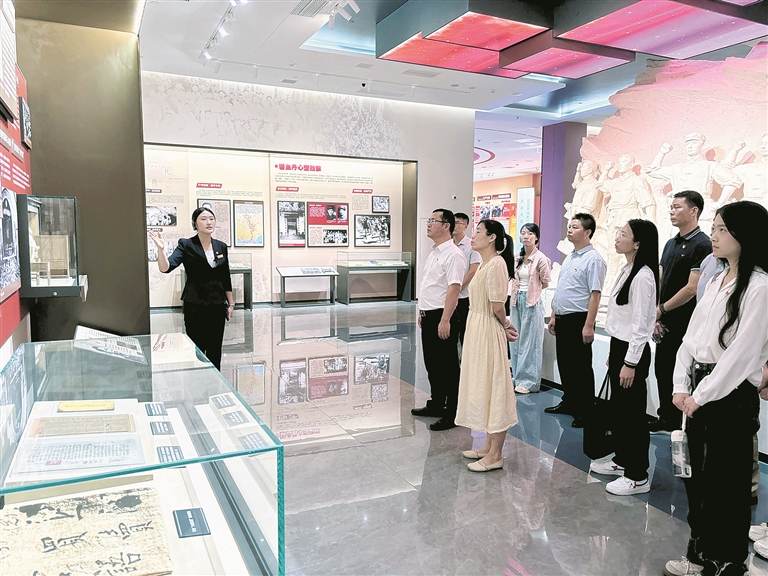
Group 1 - The core viewpoint emphasizes the importance of a comprehensive approach to anti-corruption, integrating the concepts of "not daring to corrupt," "not being able to corrupt," and "not wanting to corrupt" as fundamental strategies in the fight against corruption and strict governance of the Party [1] - The Shandong Province Liaocheng City Dongchangfu District Discipline Inspection Commission and Supervision Commission effectively integrates the three concepts to achieve simultaneous and comprehensive efforts, resulting in more institutional outcomes and greater governance effectiveness [1] Group 2 - The focus on concentrated rectification aims to achieve breakthroughs in deepening the "not daring to corrupt" aspect, utilizing case investigations to drive broader governance and ensuring that corrupt individuals face severe consequences [2] - The strategy includes enhancing supervision and inspection, addressing common and deep-seated issues identified during the rectification process, and proposing targeted reform suggestions to close loopholes and standardize power operations [2] Group 3 - The approach to deepen and expand the "not being able to corrupt" aspect involves strengthening coordination among various supervisory entities to create a cohesive supervisory force, ensuring that potential corrupt individuals have no opportunities [3] - The mechanism emphasizes a collaborative effort among Party committees, government, departments, and the public to enhance accountability and streamline processes, with a focus on grassroots supervision and interlinked oversight mechanisms [3] Group 4 - The initiative to promote the "not wanting to corrupt" aspect is driven by the construction of a clean culture, leveraging local resources and enhancing ideological education to eliminate corrupt thoughts from the source [4] - The strategy includes utilizing cultural heritage and local traditions to create engaging educational materials and activities that promote integrity, alongside analyzing negative examples to conduct warning education [4][5]
马明龙调研推进学习教育工作时强调 坚持标准不降力度不减 确保学习教育善始善终取得实效
Zhen Jiang Ri Bao· 2025-08-12 23:41
Group 1 - The core viewpoint emphasizes the importance of deepening the learning and education work related to the self-revolution of the Party and the construction of Party style, ensuring that standards and efforts remain high [1][2][3] - The focus is on grassroots education and the need for community leaders to address practical issues for the public, enhancing community satisfaction through effective management mechanisms [1][3] - Continuous improvement in political awareness and adherence to the Central Eight Regulations is highlighted, with a call for ongoing self-revolution and deepening of Party discipline [2][3] Group 2 - The necessity of institutionalizing the outcomes of learning and education is stressed, with a focus on solidifying effective practices into practical systems to combat corruption and improve Party style [3] - There is an emphasis on connecting the results of learning education with the rectification of local corruption and misconduct, ensuring tangible benefits for the community [3]