
数字孪生技术

Search documents
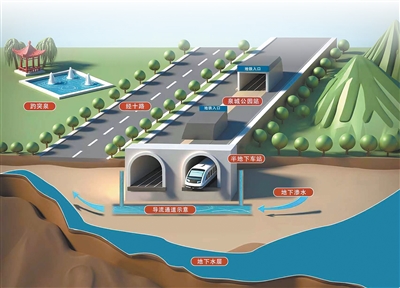
靠近泉水敏感区,怎样修建地铁?(美丽中国)
Ren Min Ri Bao· 2025-10-14 22:12
Core Viewpoint - The Jinan Metro Line 4, which is the first subway line near the sensitive spring area in Jinan, Shandong Province, has entered trial operation and is expected to open by the end of the year. The line has been designed to avoid sensitive spring areas and minimize the impact on underground water resources, providing a reference for urban rail transit construction in karst terrain cities [2][5][13]. Group 1: Project Overview - Jinan Metro Line 4 has a total length of 40.3 kilometers and is located only 1.4 kilometers from Baotu Spring and 1.5 kilometers from Black Tiger Spring [6]. - The line's construction has successfully navigated the critical water supply channels of the Baotu Spring area, marking a significant step in Jinan's metro development [5]. Group 2: Technical Innovations - A comprehensive underground three-dimensional model has been developed based on over 60 years of hydrological data and recent exploration data, allowing for a clearer understanding of the underground water system [8]. - The project utilizes advanced technologies such as "transient electromagnetic—geological drilling—cross-hole CT" for geological surveys, enhancing the accuracy of underground assessments [8]. Group 3: Environmental Considerations - The design and construction teams have prioritized spring water protection by elevating the station depth and implementing water passage structures to maintain the dynamic balance of underground water [10][11]. - The construction process has included the use of new permeable filling materials and water recycling techniques, achieving a 90% rate of returning extracted groundwater to its original aquifer [12][14]. Group 4: Challenges and Solutions - The construction faced challenges due to the complex geology of the karst area, with nearly 300 caves identified along a 1-kilometer stretch, necessitating advanced geological forecasting and customized equipment for tunneling [13]. - The project has successfully implemented a green construction approach, recycling water and materials during the construction process [14]. Group 5: Monitoring and Results - Throughout the construction, 64 long-term groundwater monitoring points have been established to ensure real-time monitoring of groundwater levels and quality [14]. - As of May 16, the water levels of Baotu Spring and Black Tiger Spring have risen, indicating the successful integration of metro construction with spring water protection [14].

谈崩了,钢铁终于炼成!
Sou Hu Cai Jing· 2025-10-11 11:44
Core Viewpoint - China has announced the cessation of iron ore imports from Australia's BHP priced in USD, marking a significant shift in the global commodity market and reflecting the steel industry's newfound confidence through digital transformation and resource management [1][6]. Industry Challenges and Responses - Historically, China, as the largest iron ore importer, faced challenges due to a lack of unified negotiation and pricing systems, leading to a situation where increased purchases resulted in greater losses [3]. - In 2024, Australia exported nearly 1 billion tons of iron ore, generating $20 billion in profits, while Chinese steel companies had an average sales profit margin of only 0.71% [3]. - To address these issues, China has invested in acquiring stakes in mining companies, such as a 14.99% stake in Rio Tinto, and is developing domestic resources through initiatives like the "Cornerstone Plan" to enhance domestic ore and scrap steel utilization [3]. Technological Advancements - The introduction of digital twin technology by companies like Tupu has transformed traditional steel production processes, addressing issues such as data silos and inefficiencies in raw material management [4][5]. - Tupu's HT for Web engine integrates data from various processes, allowing for real-time monitoring and management of raw materials, which enhances inventory management and mitigates risks associated with international supply fluctuations [4]. Operational Efficiency - In the ironmaking process, Tupu's technology provides real-time alerts for temperature and pressure anomalies, enabling timely adjustments to maintain optimal conditions and prevent operational disruptions [4]. - The quality control system developed by Tupu reduces waste rates by over 15% by monitoring and correcting deviations in real-time during the steelmaking process [5]. - The integration of logistics tracking and management dashboards has improved operational efficiency, reducing transportation times by 20% and overall operational costs by 8% for companies like Fangda Jiu Steel [5]. Future Outlook - With the upcoming production of the Western Simandou mine, expected to supply 120-150 million tons annually, and a projected scrap steel recovery of 250 million tons in 2024, the Chinese steel industry is poised for a significant transformation [6]. - The shift from being a passive buyer to an empowered player in the iron ore market, coupled with advancements in digital twin technology, positions the Chinese steel industry to lead a global transformation towards smarter and more efficient production practices [6].

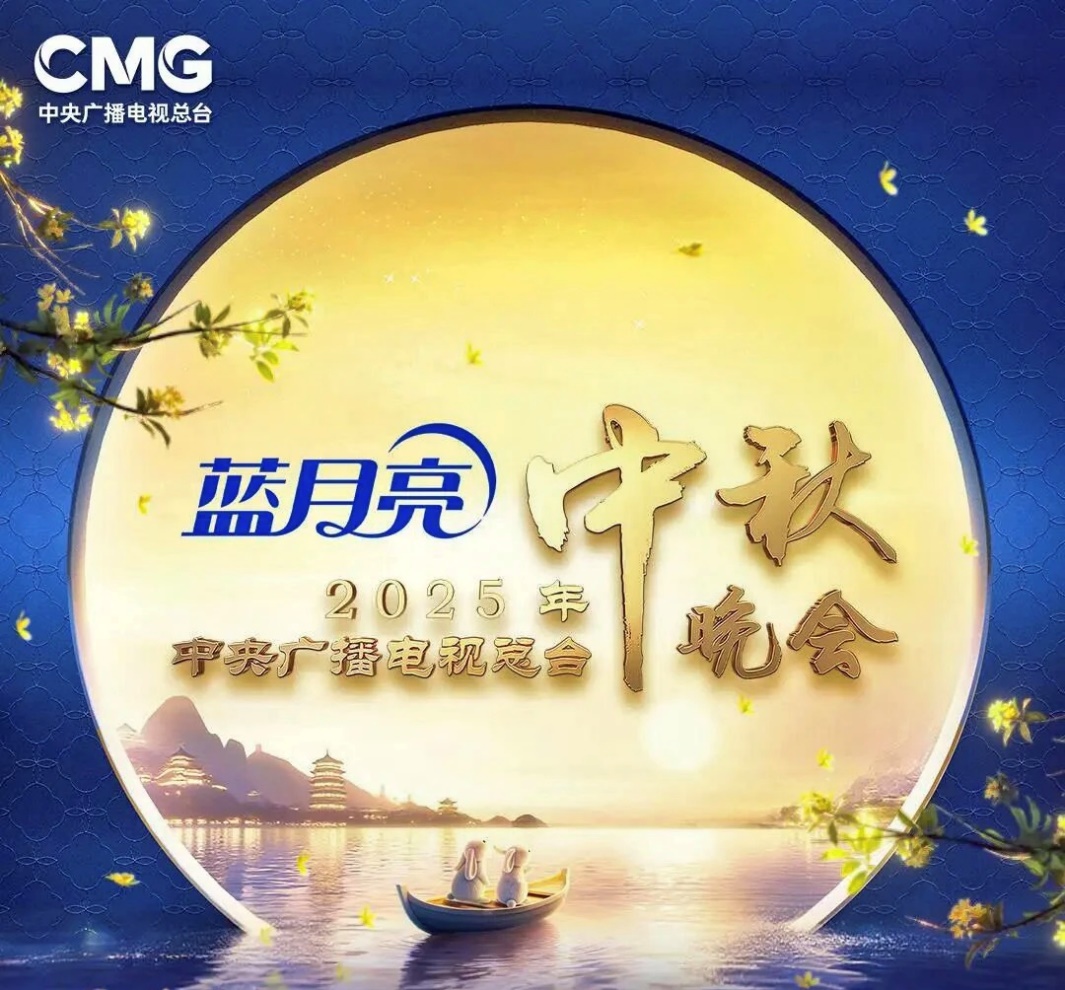
东方电气亮相央视2025年中秋晚会
Zhong Guo Neng Yuan Wang· 2025-10-09 10:10
Core Viewpoint - The 2025 Mid-Autumn Festival Gala, hosted by China Central Television, showcased the industrial beauty of Dongfang Electric Group, highlighting its technological advancements and artistic integration in a global presentation [1] Group 1: Company Highlights - Dongfang Electric Group, recognized as a "national team" in equipment manufacturing, presented a unique perspective at the gala, emphasizing the fusion of technology and art [1] - The company has established rigorous production standards in high-precision turbine component manufacturing, ensuring reliability and precision in every dimension [3] - The transformation from the old Hanwang factory site to modern facilities in Deyang illustrates the company's resilience and leadership in the industry [5] Group 2: Technological Innovations - Dongfang Electric has implemented digital twin technology in its heavy machinery manufacturing, achieving real-time visibility and efficient scheduling, which significantly enhances production capabilities [7] - The introduction of a green and efficient welding digital workshop has led to a 300% increase in per capita efficiency, with a focus on zero defects, emissions, and deformations [8] - The first unmanned workshop for blade processing and dark production lines has resulted in a 650% increase in per capita efficiency and a 100% quality pass rate, showcasing the company's commitment to innovation and smart manufacturing [8]

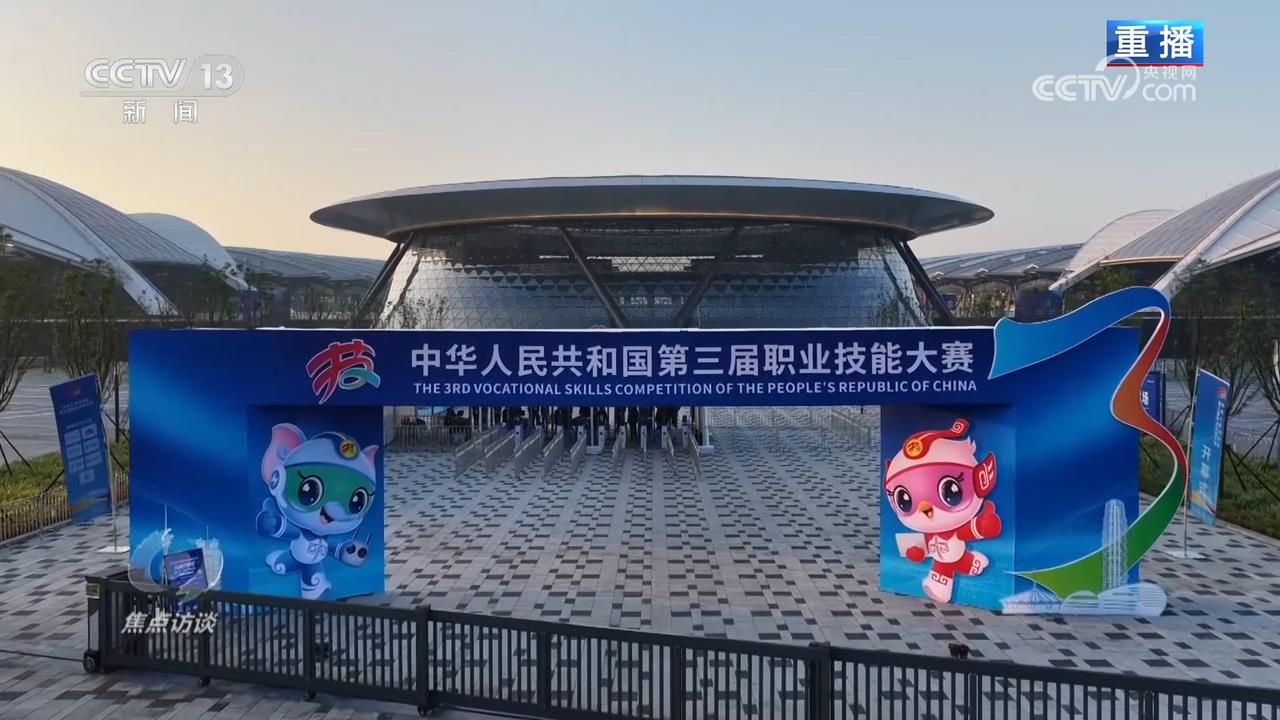
焦点访谈|技能如何照亮前程?这场全国大赛给出答案
Yang Shi Wang· 2025-09-29 21:58
Core Viewpoint - The third National Skills Competition, held from September 19 to September 23 in Zhengzhou, represents the highest level of vocational skills in China, featuring 3,420 top competitors from 35 delegations across 106 competition projects, emphasizing the theme "Skills Illuminate the Future" [1] Group 1: Competition Highlights - The competition's project settings closely align with national strategic needs and industry development, with 15 new projects related to emerging industries such as intelligent manufacturing and artificial intelligence compared to the previous edition [3] - Over 50% of the national competition projects focus on new fields like intelligent manufacturing, high-end equipment, digital technology, and renewable energy, showcasing a strong technological emphasis [3][5] - The event highlights the increasing presence of highly educated "new craftsmen," with 33% of participants holding a bachelor's degree or higher, indicating a trend towards higher educational qualifications in vocational skills [5][7] Group 2: Technological Integration - The competition showcases the latest trends in the integration of technology and skills, with projects focusing on artificial intelligence, industrial internet, and integrated circuits [5] - New technologies such as digital twin technology are being incorporated into talent training programs, reflecting the shift from traditional manufacturing to intelligent manufacturing [5][9] - Traditional projects have also evolved, with new technical requirements introduced, such as the use of environmentally friendly water-based paints in automotive painting competitions [9][11] Group 3: Skills Evaluation and Opportunities - The competition serves as a concentrated evaluation of high-skilled talent, with participants required to possess both theoretical knowledge and practical experience to meet the demands of high-tech industries [9] - The event emphasizes a dual value of "selection and incentive," allowing award-winning participants to advance in their professional skill levels, thus encouraging more youth to pursue skill-based careers [13][15] - Various activities, including skill forums and training sessions, were held during the competition, promoting a comprehensive skill ecosystem that connects industry, education, and evaluation [13][15]
ABB集团韩晨:竞合共生 是中国机器人行业发展驱动力
2 1 Shi Ji Jing Ji Bao Dao· 2025-09-28 11:51
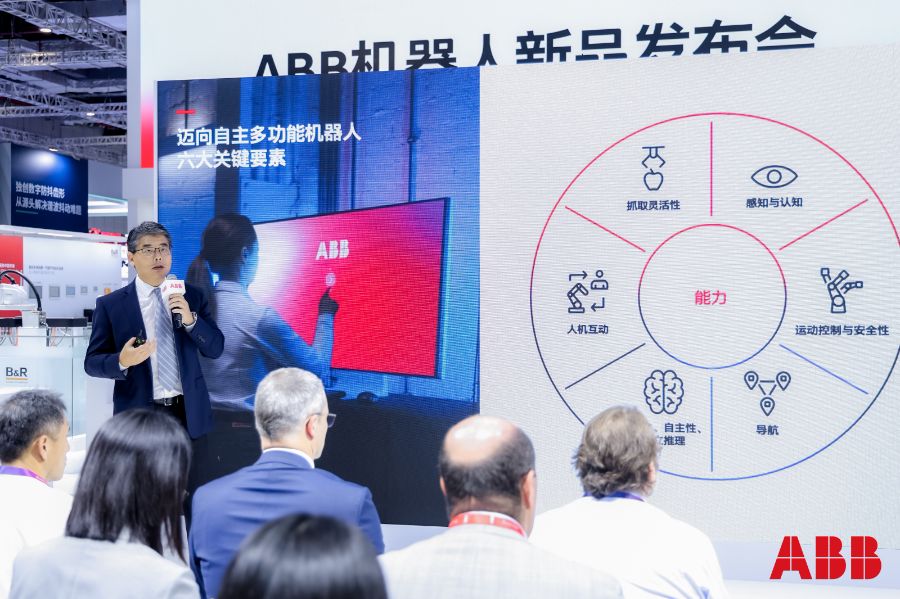
Group 1: Core Insights - ABB Group launched new products at the 25th China International Industry Fair, focusing on advancements in capitalizing and localizing supply chains [1] - The new products feature enhanced machine vision compatibility, flexible mobility, and dynamic planning capabilities, aiming to lead in autonomous multifunctional robot technology (AVR) in the AI era [1][2] - ABB's Vice President, Han Chen, discussed the company's future strategy, the current state of the Chinese market, and the role of AI in driving transformation in the robotics industry [1][4] Group 2: AI Integration in Robotics - Over 30% of robots now incorporate visual capabilities, but integration challenges exist due to varying camera and processor standards, leading to increased complexity and time consumption for users [2][3] - ABB introduced the OmniCore EyeMotion vision system and online automatic path planning technology, which utilizes any third-party camera or sensor for environmental recognition and AI-driven path planning [2] - AI has significantly improved precision in tasks such as screw fastening, with success rates approaching 100% after implementing deep learning algorithms [3] Group 3: Market Dynamics in China - The Chinese robotics industry is highly competitive, with international companies benefiting from the growth of Chinese manufacturing while facing pressure from domestic competitors [4][5] - ABB has been operating in China since 1994 and plans to enhance its local R&D capabilities, with nearly 300 R&D personnel in Shanghai and Zhuhai [5] - To navigate the competitive landscape, ABB aims to lower costs while adding value throughout the product lifecycle, focusing on customer needs [5][6] Group 4: Future Plans and Independence - ABB announced plans for the independent listing of its robotics business, aiming for completion by Q2 2026, to enhance autonomy and focus on projects that meet domestic customer demands [6]

ABB集团韩晨:竞合共生,是中国机器人行业发展驱动力
2 1 Shi Ji Jing Ji Bao Dao· 2025-09-28 11:38
Core Insights - ABB Group is focusing on new strategies and advancements in the Chinese market, particularly in the field of robotics and artificial intelligence [1][6] - The company aims to enhance its product offerings with AI-driven technologies to improve the capabilities of industrial robots [3][4] Group 1: AI Integration in Robotics - Over 30% of robots now incorporate visual capabilities, but integration challenges exist due to varying camera and processor technologies [3] - ABB launched the OmniCore EyeMotion vision system, which utilizes AI for online automatic path planning, enhancing robot efficiency [3][4] - AI has significantly improved operational precision, with success rates nearing 100% in tasks previously limited to 20% accuracy using traditional methods [4][5] Group 2: Market Dynamics in China - The Chinese robotics industry is highly competitive, with both international and domestic players vying for market share [6] - ABB has localized its operations in China since 1994, focusing on R&D and manufacturing to better serve the market [6][8] - The company plans to enhance its R&D capabilities in China, employing nearly 300 specialists to meet local demands [6] Group 3: Business Strategy and Future Plans - ABB is considering a spin-off of its robotics business to enhance autonomy and focus on market-specific needs, aiming for an independent listing by Q2 2026 [8] - The company emphasizes the importance of cost reduction and value addition in maintaining profitability while pursuing growth in the competitive landscape [8]
今年新设的智慧物流展区有何看头?
Mei Ri Shang Bao· 2025-09-23 22:13
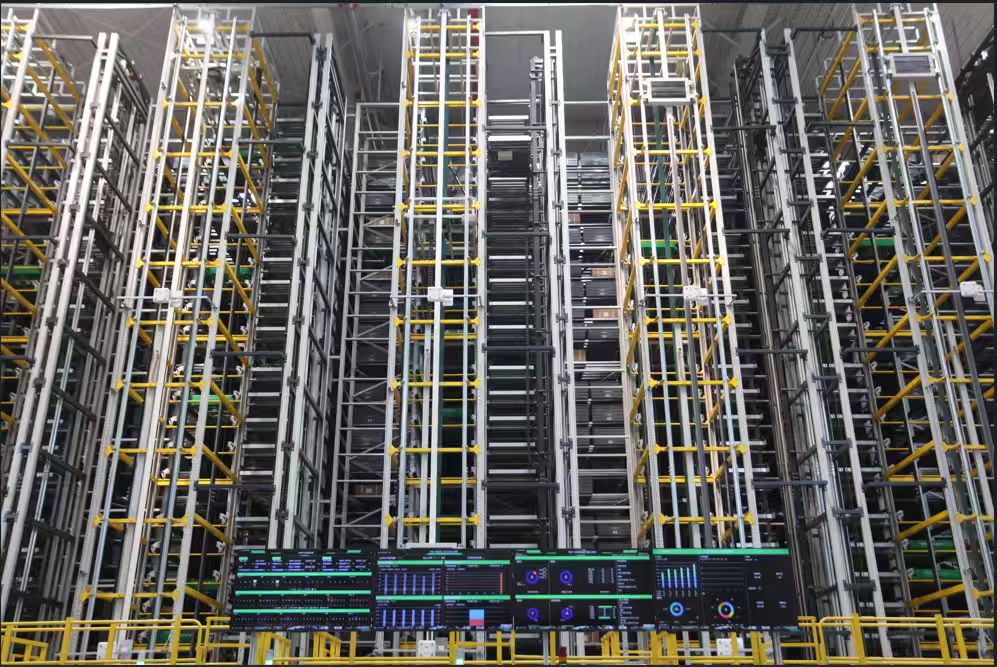
Core Insights - The fourth Digital Trade Expo features a new "Smart Logistics" exhibition area, showcasing the highest level of market-oriented operations at the event [1] - The exhibition highlights the latest technologies that aim to revolutionize traditional logistics, including advanced equipment and algorithms [1] Group 1: Smart Logistics Exhibition Overview - The Smart Logistics Pavilion includes two main sections: Smart Logistics Information Technology and Intelligent Logistics Equipment, covering four key areas: smart transportation, smart delivery, smart warehousing, and smart data [1][2] - The Smart Transportation section features a dynamic optimization system for transportation networks, which utilizes real-time data and algorithms to enhance the entire transportation process [2] - The Smart Delivery section addresses the "last mile" issue with dynamic routing and the use of drones and delivery robots to improve efficiency [2] Group 2: Technological Innovations - The Smart Warehousing section showcases automation and digital twin technologies, which can increase storage capacity by 300% and improve picking speed to five times that of manual labor [2] - The Smart Data section presents technologies that predict cargo volume accurately and respond to anomalies in real-time, enhancing decision-making capabilities [2] Group 3: Participation of Key Companies - Leading companies like SF Express are showcasing their innovations in logistics, including large-item logistics and green packaging solutions, emphasizing their leadership in smart and green logistics [3] - New companies, such as New Stoneware, are introducing solutions like unmanned vehicle logistics that significantly reduce costs and improve delivery times by over 30% [4] - The exhibition aims to facilitate industry connections and promote the commercial application of smart logistics technologies [4][5] Group 4: Event Details - The fourth Global Digital Trade Expo will take place from September 25 to 29, with opportunities for attendees to engage with the latest in smart logistics [5]



探访“软件定义的自动化”落地样本 施耐德电气重塑智慧物流
Zhong Guo Jing Ying Bao· 2025-09-21 14:56
Core Viewpoint - The article highlights the unprecedented digital and intelligent transformation of global factories driven by Industry 4.0, with Schneider Electric emerging as a pioneer in this wave through its EcoStruxure Automation Expert platform [1] Group 1: Digital Transformation in Logistics - Schneider Electric's Beijing logistics center, which covers 18,000 square meters, has successfully implemented the EcoStruxure platform, achieving daily processing of over 20,000 boxes with 100% delivery accuracy [2] - The logistics center utilizes a three-layer architecture for comprehensive control, integrating PLCs and sensors at the bottom layer, edge computing in the middle, and WMS/WCS systems at the top [2] - The implementation of digital twin technology has led to an 8% increase in storage utilization and an 11% reduction in overall operational costs [2] Group 2: AI Integration and Efficiency - AI technology has significantly enhanced the efficiency of the logistics center, with AI-powered robotic arms accurately handling goods and dynamic adjustment of conveyor paths based on real-time orders [3] - AI algorithms, combined with EcoStruxure's digital twin software, optimize storage strategies, improving both storage utilization and operational efficiency [3] - Safety management has been improved through AI visual recognition technology, which detects human presence and halts machinery to ensure safety during maintenance [3] Group 3: Open Ecosystem and Industry Collaboration - Schneider Electric is actively building an open ecosystem to promote the widespread application of software-defined automation across the logistics industry, recognizing that collaboration is essential [7] - As a founding member of the Open Automation Organization, Schneider Electric has expanded its membership to over 100 organizations, with 10 based in China [7] - The IEC61499 standard facilitates code reuse across devices, breaking down traditional proprietary system silos and laying the groundwork for an open collaborative industrial ecosystem [7] Group 4: Future Directions and Innovations - The company plans to release a white paper on "5G + Edge Computing" at the upcoming 2025 Industrial Expo, summarizing its years of practice in the open automation field [7] - Control virtualization and data continuity are identified as two additional pillars of open automation, allowing for greater flexibility and integration of IT/OT systems [8]
松辽水利委员会大力推进数字孪生西辽河建设
Shui Li Bu Wang Zhan· 2025-09-19 12:44
Group 1 - The core viewpoint is that the Songliao Water Conservancy Committee is advancing the integration and innovation of digital twin technology to enhance water resource management and ecological restoration [1] Group 2 - Satellite remote sensing and drone monitoring are utilized to dynamically track water conditions in major rivers, producing 27 special monitoring maps during the flood season [2] - The integration of new equipment, such as unmanned boats and handheld video flow measurement systems, enhances hydrological monitoring capabilities, collecting real-time data from 50 hydrological stations [3] Group 3 - The digital twin platform for the Xiliao River acts as a "smart brain" for scheduling, continuously optimizing its functions and integrating multidimensional real-time monitoring data [4] - The platform uses a two-dimensional hydrodynamic model to simulate and evaluate the implementation of scheduling plans, promoting a shift from traditional scheduling to smart governance [4]
广西大藤峡船闸过闸核载量突破4亿吨
Zhong Guo Xin Wen Wang· 2025-09-19 10:29
Core Viewpoint - The Daitengxia Water Conservancy Hub has significantly enhanced its operational capacity since its trial navigation began in March 2020, establishing itself as a crucial component of the Pearl River Golden Waterway and supporting the integration of Guangxi into the Guangdong-Hong Kong-Macao Greater Bay Area strategy [1] Group 1 - Since the trial navigation began, the Daitengxia lock has facilitated a total of 146,400 vessel passages, with a cumulative load capacity exceeding 400 million tons [1] - The Daitengxia lock is a vital artery for inland water transport from Yunnan, Guizhou, and Guangxi to the sea, with multiple technical indicators leading either globally or domestically [1] - The navigation channel has been channeled over 266 kilometers, with the navigation grade upgraded from 300 tons to the highest standard of 3,000 tons for inland shipping in China, continuously releasing "golden benefits" from the "Golden Waterway" [1] Group 2 - The company has implemented standardized, professional, and refined management practices to optimize lock operations [1] - Utilizing digital twin technology, the company has developed an intelligent lock passage system based on AI image recognition, achieving precise scheduling and intelligent management throughout the vessel passage process [1] - The average daily lock passages have increased from 4-6 to 16-18, with the lock's efficiency now leading among similar domestic facilities [1]