
非物质文化遗产

Search documents
文化中国行|剪出来的太行新生活
Xin Lang Cai Jing· 2026-01-01 02:19
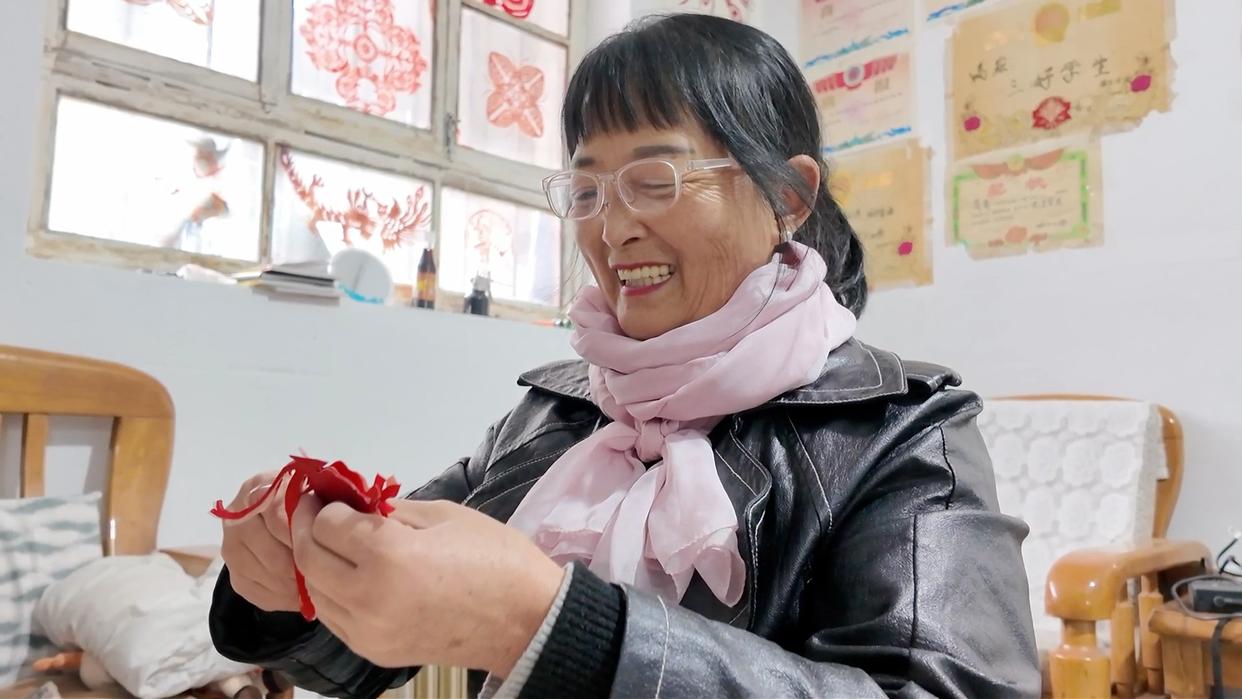
Core Viewpoint - Li Airong is a representative inheritor of the national intangible cultural heritage project of paper-cutting (Huixian paper-cutting) Group 1 - Li Airong has been influenced by her grandmother's flower cutting since childhood, developing a passion for paper-cutting art that reflects the lives of farmers in mountainous areas, characterized by rich, simple, and fresh content with a rural atmosphere [1][3] - With over 50 years of experience in paper-cutting art, Li Airong has been actively engaged in teaching paper-cutting in Xinxiang City and surrounding areas, aiming to cultivate young talent and enhance public awareness of intangible cultural heritage [5]

陕西新增省级非物质文化遗产代表性项目395个 总数跃居全国第一方阵
Xin Lang Cai Jing· 2025-12-29 13:03
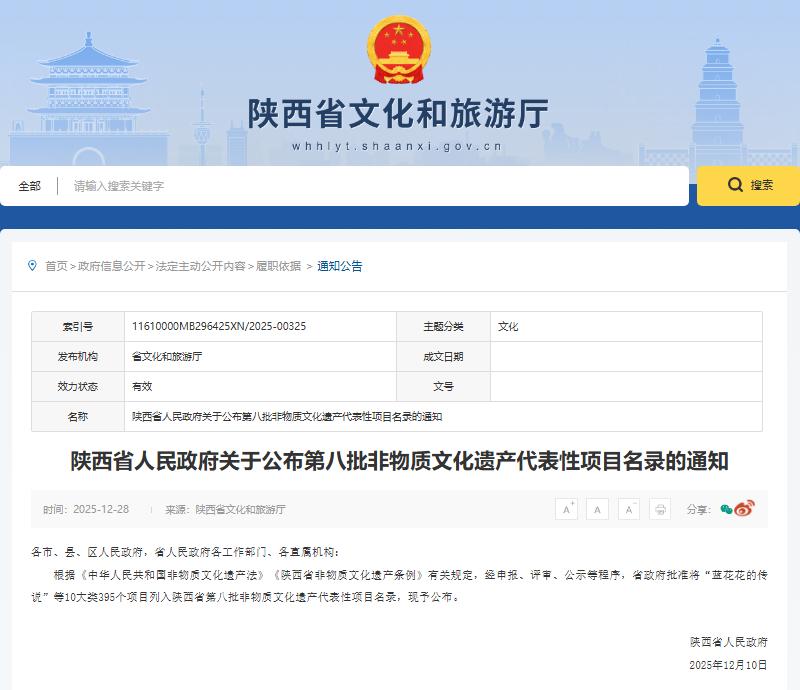
Core Viewpoint - The Shaanxi Provincial Government has announced the eighth batch of representative projects of intangible cultural heritage, which includes 395 projects across 10 categories, bringing the total number of provincial intangible cultural heritage projects to 1,161, ranking first in the country [4]. Group 1: Announcement Details - The announcement was made by the Shaanxi Provincial Department of Culture and Tourism [4]. - The newly included projects consist of 8 in folk literature, 14 in traditional music, 9 in traditional dance, 10 in traditional drama, 4 in quyi (traditional storytelling), 11 in traditional sports and acrobatics, 42 in traditional arts, 227 in traditional crafts, 52 in traditional medicine, and 18 in folklore [4]. Group 2: Selection Process - The selection process involved applications, evaluations, and public announcements, with a total of 105 projects being surveyed through concentrated displays and random checks across 11 districts [4]. - The selected projects are characterized by their deep-rooted historical and cultural significance, authenticity, and sustainability in transmission practices [4]. Group 3: Cultural Impact - The selected projects are expected to have a significant social impact, including job creation and widespread cultural recognition [4].
看河北 品非遗丨浮光跃金 广平水陆画
Xin Lang Cai Jing· 2025-12-27 04:17
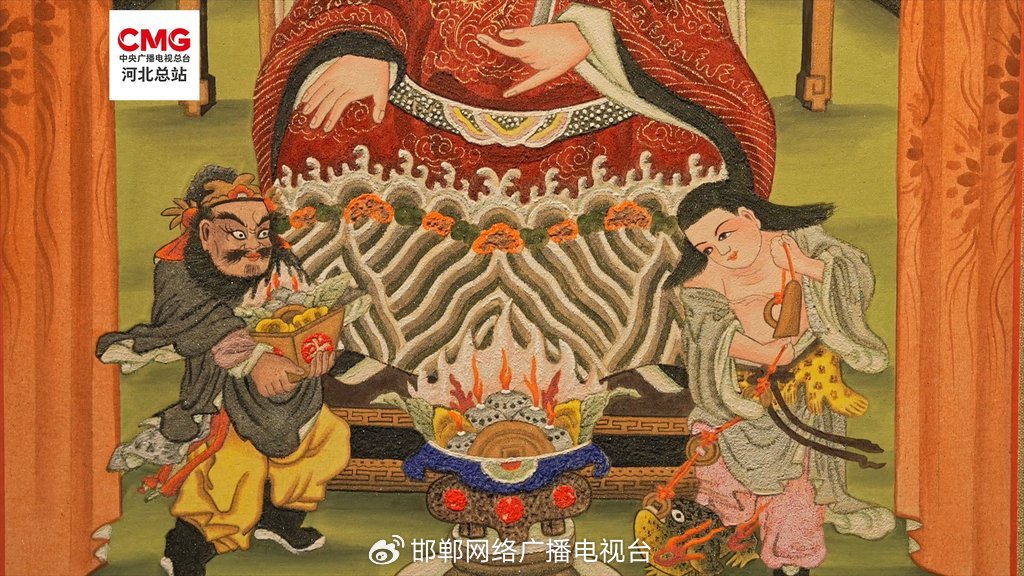
明清时期,水陆画随着水陆法会的流行,出现在邯郸广平县并传承至今。今年59岁的张贞美自幼跟随祖父和父亲学习水陆画,练就了扎实的绘画 功底。在画风上,她继承和发扬了水陆画"工笔重彩"的艺术风格。 水陆画虽不是广平独有,但广平水陆画一大特点是使用纯棉布作画,看似普通的棉布实际上要经过特殊的浆制工序。 (来源:邯郸网络广播电视台) 转自:邯郸网络广播电视台 水陆画,既有对神话世界的瑰丽想象,也细致勾勒出尘世生活的生动图景,既映照出古人信仰世界的多元交融,也承载着朴素深沉的人文情怀。 水陆画早期形式以壁画为主,绘在寺院、庙观内殿四壁之上,用于人们信奉和瞻仰。随着水陆法会的盛行,为了灵活保存、便于携带,人们将画 像绘制到绢本或纸本上。 传承人根据画像的背景、肤色、服饰、纹饰,分层次来进行上色、晕染、开脸、绣粉。一幅画像所用的矿物质颜料少则数十种,多则上百种。永 恒的天然矿物,通过世代相传的手艺,转化为可见、可感的震撼立体视觉。 现如今,广平水陆画第七代代表性传承人张贞美,以山西、浙江多地的残缺古代水陆画为范本,进行恢复创作。而为打破水陆画"传内不传外"的 旧规,张贞美毅然敞开了家门。如今,她的工作室里凝聚了许多慕名而来的 ...
广西烟火 | 海丝遗珍牛角雕
Guang Xi Ri Bao· 2025-12-27 03:26
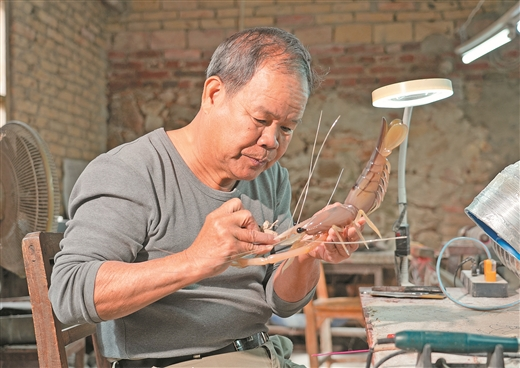
12月25日,冬日暖阳如熔金般漫过廉州湾的海面,海风裹着咸湿的潮息,悄悄拂进白耀华的角雕工 坊。砂轮"沙沙"转动,细碎的牛角粉末簌簌飘落在阳光里,空气中弥漫着牛羊角独有的醇厚气息,这是 匠人世界里最鲜活的烟火味道。 生长在廉州湾畔的白耀华,是合浦角雕第四代传承人。指尖抚过牛角温润的纹路,他仿佛能触到千 年时光的脉络。"合浦是古代海上丝绸之路的重要始发港。千年前,大批的犀牛角从这里登岸,四方匠 人汇聚于此,角雕技艺便在这片土地上生根发芽。"他的声音里,藏着时光沉淀的厚重。 岁月流转,这门穿越千年的技艺在匠人的手中代代相传,于2021年正式列入国家级非物质文化遗产 代表性项目名录,焕发出新的生机。 "合浦角雕以牛羊角为原料,融镂空、镶嵌、浮雕、平雕等技法于一体,要经选料、切料、雕刻、 打磨、组装等十余道工序,每一步都容不得半点马虎。"白耀华一边指导着青年匠人雕琢坯料,一边向 记者娓娓道来。 "角雕的精髓,在于因材施艺。"为了挑选一块上好的角料,白耀华引着记者走进仓库。数十吨牛羊 角静静堆叠,在昏暗的光线下泛着细腻的光泽,静待一场与匠心相遇的涅槃。 他擎起一只白水牛角,手电筒的光束穿透角料,温润的光晕里,天然纹理如 ...
节日消费市场“热”力十足、文化味儿浓 “菜篮子”“果盘子”供应丰富稳定
Yang Shi Wang· 2025-12-24 12:33
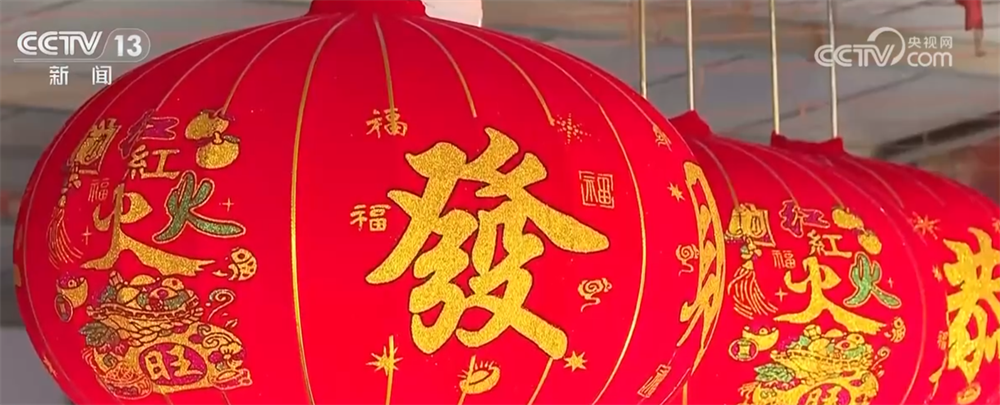
Group 1: Lantern Production in Hebei - The production of traditional palace lanterns in Tuntou Village, Shijiazhuang, Hebei, is entering a peak season as the New Year approaches, with local villagers working hard to meet market demand [1][5] - Each traditional palace lantern undergoes 56 manual processes, maintaining the core craftsmanship despite some structural changes to steel and iron materials for durability [3] - Tuntou Village is known as "China's First Lantern Village," producing 80% of the country's palace lanterns, with daily shipments reaching hundreds of thousands during the peak season [5] Group 2: Innovation in Lantern Designs - Tuntou Village is innovating by combining traditional bamboo weaving with oil paper, creating elegant retro designs, while a popular color-changing lantern that connects via Bluetooth is gaining traction in overseas markets [7] Group 3: Cultural Significance of Lanterns - Palace lanterns symbolize cultural heritage and hope, illuminating family reunions and conveying the essence of Chinese New Year, contributing to rural revitalization and common prosperity [10] Group 4: Non-Heritage Market in Guizhou - The "Xiu Li Tao" non-heritage market in Kaili, Guizhou, features over 700 vendors and has attracted more tourists, enhancing local cultural experiences [11][14] - The market has welcomed over 1.2 million visitors in two years, generating a tourism revenue of 460 million yuan [21] Group 5: Fruit and Vegetable Market in Guangzhou - The Jiangnan Fruit and Vegetable Wholesale Market in Guangzhou handles over 15,000 tons of fruits and vegetables daily, with a total annual transaction volume exceeding 5 million tons [22][24] - The market is a key distribution center for over half of the fruits in Guangdong and nearly half of the imported fruits in China, with a notable increase in imported fruit transactions recently [24][27] Group 6: Agricultural Development in Shanxi - In Shuo Zhou, Shanxi, modern agricultural techniques have enabled year-round cultivation of strawberries and vegetables in high-standard greenhouses, attracting many visitors [30][32] - The greenhouse farming area has expanded to over 270 acres, transforming from simple cultivation to a comprehensive rural tourism model [32]
映秀,行进的羌年
Xin Lang Cai Jing· 2025-12-23 06:40
随着人流走上映秀大桥,河面飞舞着闪亮的"铁花火符";阳台小剧场里,跳着沙朗舞的羌族姑娘们,迎 来了墨西哥青年同舞;再往前,斯洛伐克"塞拉卡民族舞"正与藏族"阿拉吉吉"歌舞交融在一起;随后, 松潘花灯舞"花团锦簇"、乌兹别克斯坦雅库雅克歌舞、新西兰毛利艺术团舞蹈和泰国传统舞蹈等国内外 非遗项目轮番上演,令人目不暇接;羌族服饰的展演,更惊艳众人。抬头看,长达172米的《大熊猫百 图唐卡长卷》正通过光影技术不间断地"活"态呈现。 在羌族多声部民歌《云岭羌音》的背景音乐里,我们来到火塘坝坝非遗集市。这里有羌绣,有羌银,有 融合传统与现代的藏族服饰,有衍生的潮流文创产品……随夜游队伍走进"爱立方",一场"白石击火"的 仪式在此还原着羌族的取火神话,仿佛在表达羌民们的历史记忆和情感归属。 当场中的篝火熊熊燃起时,无人机编队恰到好处地在空中勾勒出一颗大大的红心——那是感恩之心,那 是大爱之心! 岷江两岸树叶金黄时,四川汶川映秀镇迎来了又一个羌年。 羌年,即羌历新年,原先是秋天收获后祭祀神灵和祖先、向神还愿的节日,最近被联合国教科文组织新 晋为"人类非物质文化遗产代表作"。 映秀小镇沉浸在浓浓的节日氛围里。江岸两侧,灯火璀璨 ...

在四川小镇看戏,竟能同时逛“仙境”与人间
Xin Lang Cai Jing· 2025-12-22 18:17
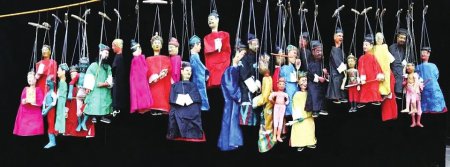
射箭提阳戏的天戏表演。 □锦夫 在四川广元市昭化区的射箭镇,有一项国家级非物质文化遗产代表性项目——射箭提阳戏。这片被青山 绿水环抱的土地,不仅孕育出如诗如画的自然风光,更滋养了这门将道教仪式与戏剧表演融为一体的古 ◀ 射箭提阳戏常用提线木偶来表演。 射箭提阳戏是百姓喜闻乐见的表演形式。 老傩(nuó)戏。凭借"人神同台、提线木偶、面具演绎"的独特形式,它被誉为"中国傩戏活化石",至 今仍在川北的山水间传唱不息。 射箭提阳戏延续"以戏寓教"传统 射箭提阳戏亦称"花花愿戏",其起源与"唐太宗梦游地府"的民间传说紧密相连。相传唐太宗因梦有所 感,下令创编劝善戏剧,以教化百姓,这被视为提阳戏的雏形。 清乾隆年间,提阳戏传入射箭镇,与当地深厚的民俗传统相融合。历经十二代人的传承与打磨,戏班不 断吸收本土文化养分,逐渐形成了风格独特的射箭提阳戏。 作为由"端公班"传承的民间艺术,提阳戏在人员构成和表演程式中保留了鲜明的传统特色。戏班掌坛师 不仅需要掌握表演技艺,也需熟知一系列古礼仪式。无论是开场前的准备,还是演出中的环节,都遵循 着世代相传的规范。 掌坛师作为整场演出的核心,贯穿始终。他们身着传统服饰,手持特定器具,举 ...
将技艺与记忆融入历史卷册
Bei Jing Ri Bao Ke Hu Duan· 2025-12-22 05:06
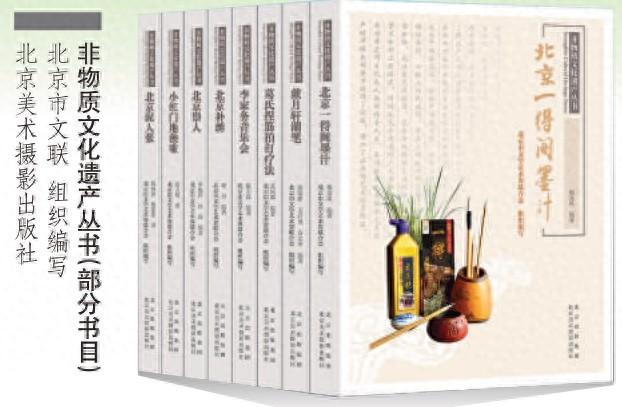
Core Viewpoint - The "Intangible Cultural Heritage Series" documents all ten categories of Beijing's intangible cultural heritage, marking a significant milestone with the publication of 100 volumes since its inception in 2012, coinciding with the 75th anniversary of the Beijing Federation of Literary and Art Circles and the 20th anniversary of China's intangible cultural heritage initiatives [1][11]. Group 1: Publication and Impact - The series encapsulates the cultural techniques and memories of Beijing, serving as a vital resource for understanding and preserving the city's cultural heritage [1][11]. - The series includes nearly ten million words and 15,000 images, enhancing its value as a historical document compared to the "Four Treasuries" [5][11]. - The series has been made available in electronic format starting in 2023, facilitating access for a broader audience [11]. Group 2: Content and Themes - The series covers a wide range of traditional skills, with 40 volumes dedicated to these crafts, many authored by representative inheritors, thus ensuring authenticity and historical accuracy [10]. - It includes significant works related to Beijing's cultural landmarks and practices, such as "Beijing Gold Lacquer Inlay" and "Beijing Cloisonné," which document the craftsmanship behind the city's historical artifacts [3][4]. - The series also features folk literature, including tales from the central axis of Beijing, reflecting the deep cultural roots and historical narratives of the region [8][9]. Group 3: Research and Documentation - The compilation of the series involved extensive field research, with authors traveling long distances to gather materials, highlighting the dedication to preserving these cultural narratives [10][12]. - Many projects documented in the series are the first of their kind to be recorded in written form, filling significant gaps in the historical record of intangible cultural heritage [12]. - The series has become a reference for academic institutions, aiding in the study and preservation of folk culture and intangible heritage [11][12].
央视新闻客户端报道:守正创新邢白瓷
Xin Lang Cai Jing· 2025-12-21 12:29
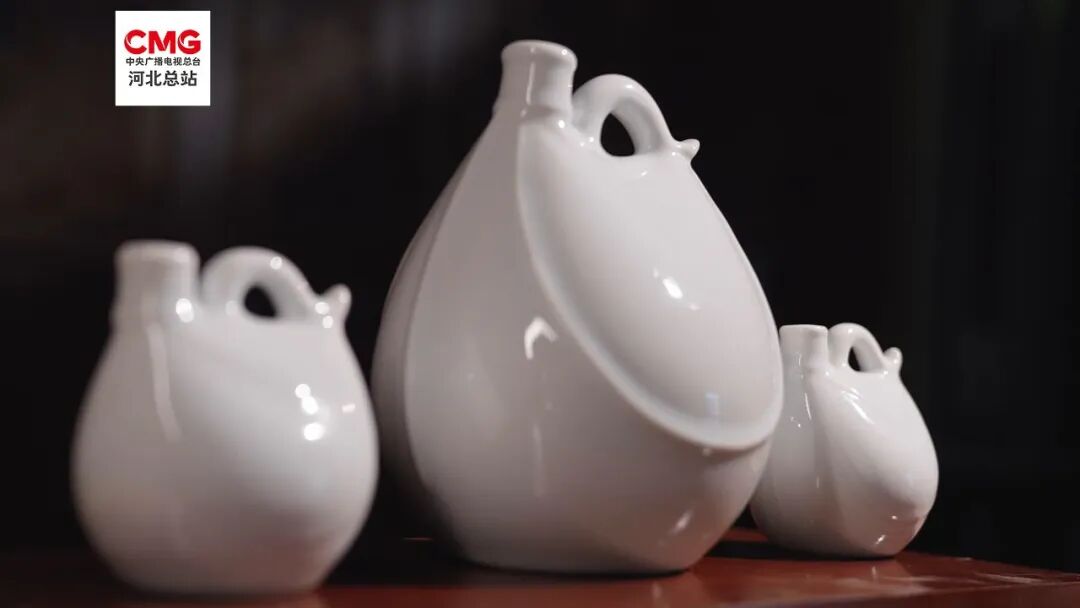
转自:邢台发布 中央省媒聚焦邢台 如今,对新一代邢窑人来说,要烧制出质地优良的瓷制品,已非难事。在新时代,他们考虑更多的,是怎样让古老的邢窑"出圈"。但他们始终秉持"守住 正,再创新"的理念。正,是根基;出圈,是方向。邢窑的白色传奇,正由新一代匠人续写新篇。 看河北·品非遗 第二季丨守正创新邢白瓷 在河北邢台这片土地上,沉睡着一座千年古窑——邢窑,它始于北朝,盛于大唐,是中国北方最早烧制白瓷的窑场,被誉为"中国白瓷鼻祖"。 然而,对原料的苛求与工艺的极致复杂,埋下了失传的隐患。随着唐末战乱与经济南移,加之宋代审美的转变与定窑革新,这项登峰造极的技艺,最终在 历史中沉寂。随着20世纪80年代邢窑遗址的发现,以张志忠为代表的一批手艺人开始了对邢窑陶瓷的复烧工作,他们师承古法,反复实验,让邢白瓷得以 重新问世。 邢窑陶瓷烧制技艺,于2014年被列入第四批国家级非物质文化遗产名录。邢瓷之白,得之不易,首先是对瓷土的苛刻要求。其次,邢窑陶瓷烧制技艺总工 序有72道,每一环都考验着匠人的经验与耐心。其中,透影白瓷的烧成更是艰难,需要精准把控窑炉气氛和温度,成品率极低,这也使得邢窑的精细白瓷 尤为珍贵。 ...
锦泓集团:“元先”品牌销售以国内市场为主
Zheng Quan Ri Bao Zhi Sheng· 2025-12-15 13:41
Core Viewpoint - Jin Hong Group is actively enhancing the brand influence and international recognition of its cloud brocade brand "Yuanxian" through participation in significant domestic and international exhibitions and cultural exchange activities [1] Group 1: Brand Development - The "Yuanxian" brand has been showcased at various important events, including the CCTV program "From Beijing to Rome" and exhibitions in Spain and major trade fairs in China [1] - The cloud brocade, recognized as one of China's top three brocades, has a history of over 1600 years and was used by the royal families during the Yuan, Ming, and Qing dynasties [1] Group 2: Cultural Heritage and Innovation - The weaving technique of cloud brocade was included in UNESCO's list of "Masterpieces of the Oral and Intangible Heritage of Humanity" in 2009 [1] - The company's wholly-owned subsidiary, Nanjing Cloud Brocade Research Institute, is the only professional research institution for cloud brocade in China, focusing on the inheritance and innovation of this intangible cultural heritage [1] Group 3: Market Focus and Future Outlook - Currently, the sales of the "Yuanxian" brand are primarily focused on the domestic market [1] - The company plans to continue developing suitable categories and products while expanding innovative consumer touchpoints to promote cloud brocade on a broader international stage [1]
