
爱国主义

Search documents
重读吉鸿昌家书(重读抗战家书)
Ren Min Ri Bao· 2025-06-22 22:10
Core Viewpoint - The article reflects on the legacy of General Ji Hongchang, emphasizing his dedication to the nation and the sacrifices made during the Anti-Japanese War, particularly through his poignant letters to family members [1][2][4]. Group 1: Historical Context - The year 2025 marks the 80th anniversary of the victory in the Anti-Japanese War and the global anti-fascist struggle, highlighting the sacrifices made by countless Chinese individuals [1]. - Ji Hongchang, born in 1895, joined the Communist Party in 1932 and played a significant role in organizing the Chinese People's Anti-Fascist Alliance in 1934, showcasing his commitment to national responsibility [1][2]. Group 2: Personal Reflections - Ji Hongchang's letters express deep affection for his family and a strong sense of duty towards the nation, illustrating the emotional weight of his impending sacrifice [2][3]. - His letters convey a message of hope for the future, urging his family to care for their children and emphasizing the importance of education and moral responsibility [2][4]. Group 3: Educational Impact - The article discusses the role of education in instilling patriotic values in the younger generation, as seen through the author's efforts to teach students about historical sacrifices [3][5]. - Ji Hongchang's emphasis on education and family values serves as a reminder of the collective responsibility to nurture future generations [4][5]. Group 4: Legacy and Inspiration - The letters of Ji Hongchang are portrayed as a testament to the enduring spirit of sacrifice and patriotism, inspiring current and future generations to contribute to the nation [5]. - The article concludes with a heartwarming account of children expressing their desire to support the military, reflecting the impact of Ji Hongchang's story on their understanding of national duty [5].
继承和弘扬伟大抗战精神
Zhong Guo Qing Nian Bao· 2025-06-22 01:28
Core Viewpoint - The article emphasizes the significance of the Anti-Japanese War spirit as a representation of justice, peace, truth, and progress, not only for the Chinese people but for all who cherish these values globally [1][9]. Summary by Sections Scientific Connotation of Anti-Japanese War Spirit - The Anti-Japanese War spirit embodies a sense of national responsibility, where individuals view the nation's fate as their own, showcasing a deep-rooted patriotism [2]. - It reflects a national character of facing adversity with courage and resilience, demonstrating a commitment to defend moral values and national integrity [2]. - The spirit also includes a belief in eventual victory, as the Chinese people, under the leadership of the Communist Party, displayed unwavering determination against oppression [3]. Contemporary Value of Inheriting and Promoting Anti-Japanese War Spirit - The Anti-Japanese War spirit is crucial for revitalizing patriotism and collective spirit, providing a powerful motivational force for national rejuvenation [4][5]. - It serves as a foundation for cultivating and practicing socialist core values, reinforcing the cultural and ideological identity of the Chinese people [5]. - The spirit guides the direction of contemporary spiritual civilization construction, promoting healthy development and scientific progress [6]. Practical Pathways for Inheriting and Promoting Anti-Japanese War Spirit - Integrating the Anti-Japanese War spirit into the governance framework and policies of the state is essential for its effective promotion [7]. - Strengthening social education about the Anti-Japanese War is necessary to ensure accurate historical understanding and to combat misinformation [8]. - Recognizing the global significance of the Anti-Japanese War spirit within the context of the world anti-fascist struggle enhances its relevance and promotes international awareness [9].
岁月不曾模糊英雄身影 白山黑水间铸就中国人挺立的精神丰碑
Yang Shi Wang· 2025-06-20 06:04
Core Viewpoint - The year 2025 marks the 80th anniversary of the victory in the Chinese People's War of Resistance Against Japanese Aggression and the World Anti-Fascist War, highlighting the significance of patriotism and national spirit in this historical context [1] Group 1 - Yang Jingyu, a prominent figure in the anti-Japanese resistance, demonstrated unwavering determination and leadership throughout his life, becoming a symbol of the Chinese spirit [3][10] - His famous response to surrender offers, "If we Chinese surrender, is there still a China?" reflects his deep commitment to the nation even in dire circumstances [5] - Yang Jingyu's strategic use of guerrilla warfare made him a nightmare for Japanese forces in Northeast China, showcasing his military prowess [7][16] Group 2 - In 1937, following the outbreak of the "July 7 Incident," Yang Jingyu called for unity among various ethnic groups and classes in Northeast China to resist Japanese invaders [11] - Yang Jingyu's leadership during the Longgang Battle in August 1938 resulted in significant losses for the Japanese puppet forces, further establishing his reputation as a skilled commander [14][16] - Despite facing extreme hardships, including starvation and relentless enemy attacks, Yang Jingyu chose to remain in South Manchuria to uphold the anti-Japanese banner, understanding the symbolic importance of his presence [20][22] Group 3 - In the final months of his life, Yang Jingyu engaged in 47 battles against Japanese and puppet forces, ultimately sacrificing his life in February 1940 at the age of 35 [24] - After his death, the Japanese military sought to understand his resilience, discovering that he had survived on inedible materials, which highlighted his extraordinary endurance [26] - The death of Yang Jingyu was celebrated by the Japanese as a significant victory, yet it also underscored the indomitable spirit of the Chinese resistance, as noted by a Japanese war criminal's reflection on the strength of Chinese patriots [28][32]

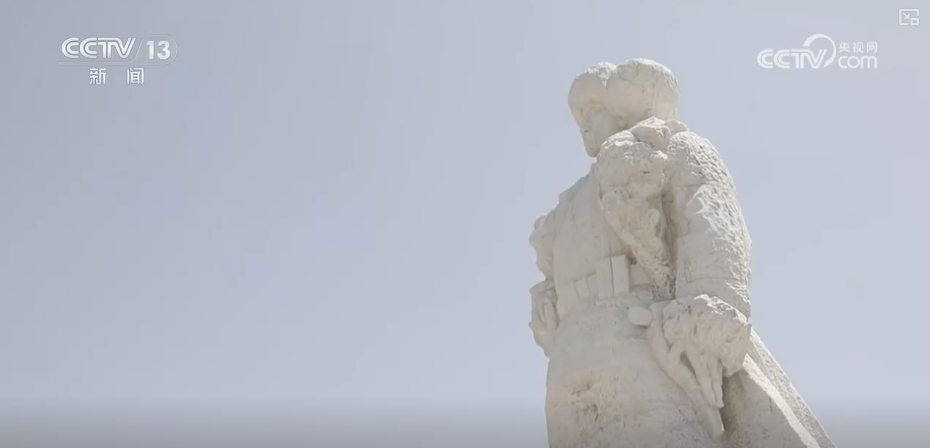
听见怦怦作响的心跳(重读抗战家书)
Ren Min Ri Bao· 2025-06-17 22:10
Core Viewpoint - The articles reflect on the emotional significance of letters written by soldiers and their families during wartime, emphasizing themes of loyalty, sacrifice, and patriotism. Group 1: Historical Context - The letters serve as a vital emotional connection between soldiers and their families, especially in times of war when communication is limited [1][2]. - The letters highlight the personal sacrifices made by soldiers, such as Zhang Zizhong, who expressed his commitment to his comrades over his family [2][3]. Group 2: Themes of Sacrifice and Loyalty - Zhang Zizhong's letter to his comrades illustrates his belief that fighting alongside them was more important than writing to his family, showcasing a deep sense of loyalty to his fellow soldiers [2][3]. - The letters convey a strong sense of duty and the willingness to sacrifice for the nation, as seen in Zhang's declaration of his readiness to die for his country [4][5]. Group 3: Emotional Resonance - The emotional weight of these letters is profound, as they encapsulate the feelings of longing, love, and the pain of separation experienced by soldiers and their families [1][5]. - The letters are described as treasures that reflect the true emotions and historical context of the time, impacting readers and future generations [5][6]. Group 4: Legacy and Inspiration - The enduring spirit of patriotism and heroism is highlighted as a source of inspiration for future generations, encouraging individuals to contribute to national rejuvenation [6]. - The articles suggest that the legacy of these letters and the sacrifices made by soldiers continue to resonate in contemporary society, reinforcing the values of loyalty and dedication to the nation [6].
国车红旗 民族瑰宝|2025香港车博会红旗品牌爱国主义教育展开展
Zhong Guo Qi Che Bao Wang· 2025-06-12 09:15
Core Viewpoint - The Hongqi brand is showcased as a symbol of Chinese automotive industry development, emphasizing its historical significance and technological advancements during the Hong Kong Auto Show 2025 [1][7]. Group 1: Exhibition Overview - The exhibition is themed "National Car Hongqi, National Treasure," highlighting the brand's journey from inception to its resurgence in the modern era [1]. - It features six chapters: "Pioneering Hongqi," "Promoting Civilization with Hongqi," "Uplifting Spirit with Hongqi," "Leading Technology with Hongqi," "Sharing Beauty with Hongqi," and "Gaining Praise with Hongqi," displaying 10 vehicles including the Hongqi CA72, CA770, and the flying car "Tianran No. 1" [4]. Group 2: Historical Significance - Since its inception, Hongqi has been a hallmark of the Chinese automotive industry, playing a crucial role in significant historical moments and boosting national pride [7]. Group 3: Technological Advancements - The exhibition highlights breakthroughs by FAW Group in key technologies, including over 1,000 core technology advancements, the development of the "Hongqi 1" chip, and the introduction of intelligent platforms [9]. - FAW has achieved international leading levels in various metrics, including the trial verification of a 66Ah all-solid-state battery cell [9]. Group 4: Future Aspirations - The Hongqi brand's development over the past sixty years reflects the evolution of the Chinese automotive industry, and FAW aims to become a world-class mobility technology company while adhering to its central enterprise mission [11].

铭记英雄志 传承报国情(地名中的抗战记忆)
Ren Min Ri Bao· 2025-04-27 21:51
张自忠像。 山东临清市委宣传部供图 一身戎装,表情肃穆,走进北京地铁5号线张自忠路站,一座约2米高的半身铜像赫然眼前,底座书 有"民族英雄张自忠",常有乘客在此驻足停留。 "全国不少城市有'张自忠路',但北京这条路与众不同,意义非凡。"张自忠将军外孙、年过七旬的车晴 老人说,"当年,位于铁狮子胡同的进德社,曾是张自忠所在的国民革命军第29军做出诸多抗日重大决 策的地方。"几十年来,他潜心收集张自忠将军的相关资料,让更多人对那段历史有更全面的认识。 张自忠路几经更名,最终仍保留了英雄的名字。为重现这条英雄之路的风采,东城区对张自忠路全面开 展了人文和生态环境整治提升工程。如今的张自忠路,绿树成荫,花坛点缀其间,恢复历史风貌,保留 古朴韵味。 爱国基因,传承不息。在位于西城区的北京市自忠小学内,也有一座与地铁5号线张自忠路站内同样的 雕像。学校所在地是张自忠将军的故居,"抗战胜利后,张自忠将军的家属遵照其生前把财产献给福利 事业的遗嘱,在此筹办了自忠小学。"北京市自忠小学党支部书记、校长姚静薇说。 自忠小学是西城区"爱国主义教育基地"。在教学楼入口,校训"立志有为 自忠报国"8个大字格外醒目; 教学楼内,张自忠将 ...
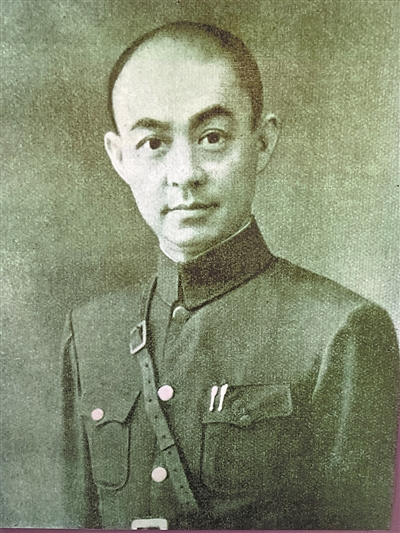
宁夏固原:3200余人重走“英雄路”开展“行走的思政课”教育
Zhong Guo Xin Wen Wang· 2025-04-05 05:01
Core Viewpoint - The event held on April 3rd, where over 3,200 students and community members participated in a pilgrimage to the Ren Mountain River Martyrs' Cemetery, serves as a significant educational practice that integrates patriotism, collectivism, and core socialist values, evolving from a simple memorial activity into a "walking classroom" for ideological education [1][2]. Group 1 - The event, known as the "Walking Ideological Class," has been ongoing since 1995 and has become a vibrant example of ideological education in China, emphasizing the importance of historical memory and national identity [1][2]. - Participants faced challenging terrain, including an 8-kilometer difficult section, demonstrating resilience and teamwork, which reflects the spirit of the revolutionary history associated with the location [1][2]. - The ceremony included a solemn tribute to the martyrs, with students vowing to cherish the present and continue the legacy of the revolutionary spirit, highlighting the educational impact of the event [2]. Group 2 - The event has received recognition from central leadership, being included in the national "Thoughts Forge Souls, Network Cultivates New People" excellent case studies, showcasing its innovative value in ideological education [2]. - The journey symbolizes a broader mission of instilling faith and values in students, connecting local historical significance to national identity and collective memory [2].