
全球安全倡议

Search documents
扩大高水平对外开放 大力提振消费(权威访谈·学习贯彻党的二十届四中全会精神)
Ren Min Ri Bao· 2025-12-05 23:39
Core Viewpoint - The "14th Five-Year Plan" emphasizes the importance of a strong domestic market and high-level opening-up as strategic foundations for China's modernization, highlighting the need for open cooperation and mutual benefits [1][2]. Group 1: High-Level Opening-Up - The "14th Five-Year Plan" includes a dedicated section on expanding high-level opening-up, reflecting the central government's commitment to open cooperation and mutual benefits [2]. - High-level opening-up is seen as a crucial tool for promoting reform and development, with China maintaining its position as the world's largest goods trader for eight consecutive years and achieving over $1 trillion in service trade [2][3]. - The plan aims to enhance the synergy between domestic and international markets, promoting qualitative improvements and reasonable growth in the economy [2]. Group 2: Key Tasks for High-Level Opening-Up - The plan outlines four main tasks for expanding high-level opening-up, including strengthening party leadership, promoting autonomous opening, and actively engaging in international trade agreements [4]. - Emphasis is placed on trade innovation, including optimizing goods trade, expanding service trade, and developing digital trade to enhance trade digitalization [5]. - The plan also focuses on expanding investment cooperation, improving the investment environment, and promoting the integration of trade and investment [5]. Group 3: Domestic Demand and Consumption - The "14th Five-Year Plan" stresses the importance of expanding domestic demand, leveraging China's large market size and growing middle-income population to boost consumption [7]. - The plan aims to enhance service consumption by relaxing market access and promoting new growth areas such as tourism and sports events [8]. - Efforts will be made to upgrade goods consumption, including promoting durable goods and supporting the consumption of domestic and international quality products [9]. Group 4: Innovation in Consumption Scenarios - The plan encourages the creation of new consumption scenarios by establishing management methods that adapt to new business models and consumer behaviors [9]. - It aims to cultivate international consumption centers and enhance the integration of commerce, tourism, and culture to create diverse consumption experiences [9].
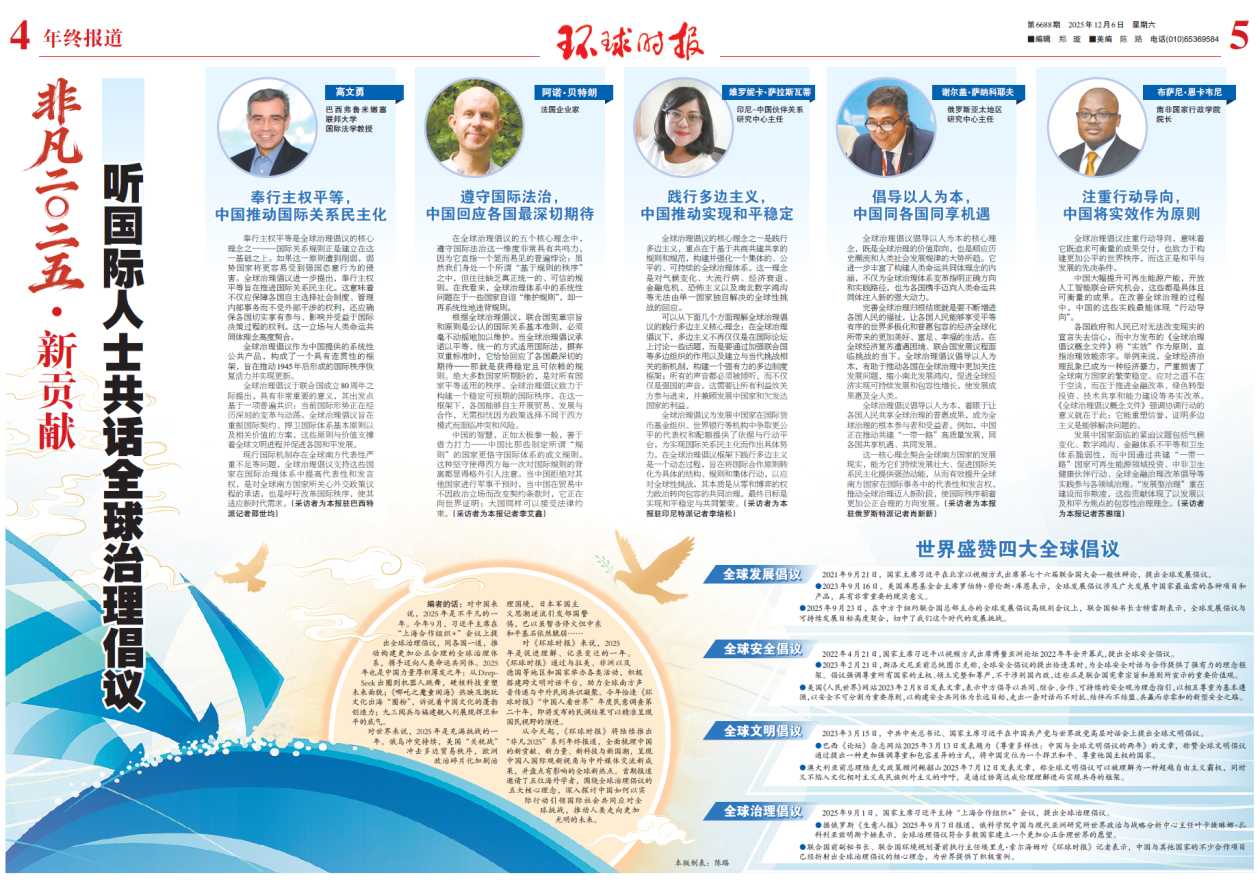
“非凡2025”系列年终报道:听国际人士共话全球治理倡议
Huan Qiu Shi Bao· 2025-12-05 23:27
编者的话: 对中国来说,2025年是不平凡的一年。今年9月,习近平主席在"上海合作组织+"会议上提出全球治理倡议,同各国一道,推动构建更加公正合理 的全球治理体系,携手迈向人类命运共同体。2025年也是中国力量厚积薄发之年:从DeepSeek出圈到机器人跳舞,硬核科技重塑未来面貌;《哪吒之魔童 闹海》热映及潮玩文化出海"圈粉",诉说着中国文化的蓬勃创造力;九三阅兵与福建舰入列展现捍卫和平的底气。 对世界来说,2025年是充满挑战的一年。俄乌冲突持续,美国"关税战"冲击多边贸易秩序,欧洲政治碎片化加剧治理困境,日本军国主义思潮逆流引发邻国 警惕,巴以虽暂告停火但中东和平基石依然脆弱…… 对《环球时报》来说,2025年是促进理解、记录变迁的一年。《环球时报》通过与拉美、非洲以及德国等地区和国家举办各类活动,积极搭建跨文明对话平 台,助力全球南方声音传递与中外民间共识凝聚。今年恰逢《环球时报》"中国人看世界"年度民意调查第二十年,即将发布的民调结果可以精准呈现国民视 野的演进。 从今天起,《环球时报》将陆续推出"非凡2025"系列年终报道,全面梳理中国的新贡献、新力量、新科技与新国潮,呈现中国人国际观新视角与中外媒 ...

扩大高水平对外开放 大力提振消费——访商务部党组书记、部长王文涛(权威访谈·学习贯彻党的二十届四中全会精神)
Ren Min Ri Bao· 2025-12-05 22:53
党的二十届四中全会审议通过的"十五五"规划建议,对建设强大国内市场、扩大高水平对外开放都作了 专章部署,强调"强大国内市场是中国式现代化的战略依托""坚持开放合作、互利共赢是中国式现代化 的必然要求"。为深入学习贯彻党的二十届四中全会精神,记者采访了商务部党组书记、部长王文涛。 以高水平开放促进深层次改革、推动高质量发展 记者:"十五五"时期,我国扩大高水平对外开放有什么重要意义和具体要求? 王文涛:习近平总书记强调,过去我们的开放是"跟跑",现在我们的开放是要"领跑"。"十五五"规划建 议对扩大高水平对外开放作了专章部署,体现了以习近平同志为核心的党中央对开放工作的高度重视, 释放了中国坚持开放合作、互利共赢的强烈信号。"十五五"时期是基本实现社会主义现代化夯实基础、 全面发力的关键时期,对内以开放促改革促发展,对外以开放促合作促共赢,具有重要意义。 扩大高水平对外开放,是促进改革、推动发展的重要法宝。我们的改革与开放相互促进,不断减少制约 要素流动的"边境上"和"边境后"壁垒,稳步扩大制度型开放。货物贸易规模连续8年世界第一,服务贸 易突破1万亿美元,外资提前半年完成"十四五"目标,对外投资稳居世界前三。 ...
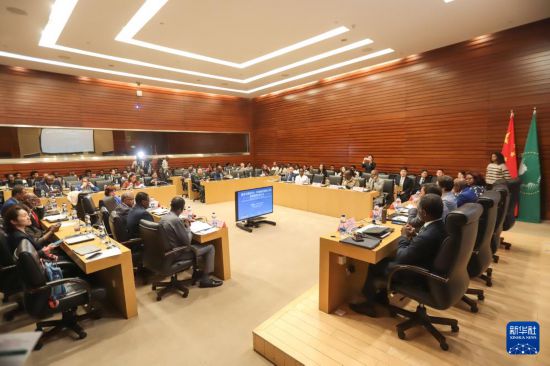
“携手共筑安全:中国和非洲在行动”研讨会在埃塞俄比亚举行
Xin Hua She· 2025-12-05 07:57
非盟委员会主席办公室副主任穆萨·穆罕默德·奥马尔说,如今非洲大陆所面临的安全问题并非局限于本 地区,包括恐怖主义、武器非法流通和气候变化等。全球安全倡议坚持共同、综合、合作、可持续的安 全观,这与非洲的主张不谋而合。 中国驻非盟使团团长蒋烽发言时表示,全球安全倡议符合非洲国家寻求自主解决冲突、反对外部干涉的 意愿。中方愿同非方一道,推动倡议在非洲落地生根,共筑新时代全天候中非命运共同体。 联合国秘书长驻非盟特别代表帕尔费·奥南加-安扬加指出,全球安全倡议承诺遵守联合国宪章,维护以 联合国为核心的国际体系和以国际法为基础的国际秩序,联合国对此表示欢迎。 此次研讨会由中国驻非盟使团、非盟委员会、联合国驻非盟办事处等联合举办。与会嘉宾认为,中方倡 议为应对非洲及全球挑战提供了中国方案,中国为维护促进非洲安全繁荣发挥重要作用,中非携手将为 世界带来更多正能量。 新华社亚的斯亚贝巴12月4日电(记者刘方强)"携手共筑安全:中国和非洲在行动"国际研讨会4日在位 于埃塞俄比亚首都亚的斯亚贝巴的非洲联盟(非盟)总部举行,多国使节及非盟、联合国和智库媒体代 表等参会。 12月4日,"携手共筑安全:中国和非洲在行动"国际研讨会在 ...
实现现代化是全球南方的共同梦想 第三届全球南方智库对话会在上海举行 陈吉宁刘海星出席开幕式并致辞
Jie Fang Ri Bao· 2025-12-05 01:49
记者 张骏 此次对话会由中共中央对外联络部、中共上海市委、全球南方智库合作联盟共同主办,包括开幕 式、全体会议、中国共产党二十届四中全会精神专题宣介会、平行分论坛等。全球南方智库合作联盟秘 书处在全体会议上正式揭牌。 以"联合自强:全球南方的责任与行动"为主题的第三届全球南方智库对话会12月4日在上海举行。 上海市委书记陈吉宁,中共中央对外联络部部长刘海星出席开幕式并致辞。 会议期间,与会中外代表就"深化交流互鉴,共同探索现代化道路""坚持守正创新,改革完善全球 治理""促进共同发展,深化南南合作""倡导互利共赢,加强南北对话"等议题开展深入研讨。 欧盟亚洲中心联合主席、联合国前副秘书长兼环境规划署执行主任索尔海姆,上海市领导华源,复 旦大学校长金力出席。来自120多个国家的政党领导人、智库学者以及中方有关部门、高校、智库代表 等约350人与会。 开幕式前,陈吉宁、刘海星与中外嘉宾共同参观了主题图书展。 赞比亚国家发展联合党副主席、副总统纳卢曼戈,泰国前国会主席、泰中文化经济协会会长颇钦出 席开幕式并致辞。中共中央对外联络部副部长陈洲主持。 陈吉宁在致辞时说,去年10月,习近平主席在"金砖+"领导人对话会上就 ...
拒绝单边主义、保护主义,从都论坛呼吁国际体系“系统更新”
Xin Jing Bao· 2025-12-04 09:53
12月2日的一场雨,让位于流溪河畔、凤凰山下的广州从都国际庄园笼罩在浓雾之中。在这朦胧的雾气 中,来自全球30多个国家的前政要、国际组织负责人以及中外学者、商界领袖等共计200余人,正在庄 园内进行激烈的思想交锋。 从全球治理谈到多边体系变革,从人工智能监管聊到关税贸易冲突,从应对气候变化延展到落实2030可 持续发展议程,他们直面这个时代最尖锐的全球议题,试图在一个动荡多变的时代中寻找共识与出路。 12月1日至3日,2025年从都国际论坛在广州举行,今年的主题为"同球共济 共赢未来"。"人类只有一个 地球,各国同处一个世界,面对全球共同挑战,没有任何国家可以独善其身,独享安全。国际社会唯有 加强团结合作,同心合力,和衷共济,才能共同迈向更加美好的未来。"中国人民对外友好协会会长杨 万明强调。 "从都国际论坛"由澳中友好交流协会、中国人民对外友好协会、广东省人民政府和世界领袖联盟共同主 办,自2014年创办以来,论坛已举办9届,其中2014年的论坛在西班牙马德里举办。十余年来,论坛共 邀请了200多位国际资深政要和600多位中外知名专家学者、商界领袖等参会,逐渐发展成为具有重要国 际影响力的高端对话平台。 加 ...
“2025从都国际论坛”在广州开幕 杨震出席并致辞
Xin Hua She· 2025-12-03 01:53
杨震强调,中国是四大全球倡议的提出者,更是推动落实的行动派。中方愿与各方一道,以团结协 作应对风险挑战,以开放包容释放发展活力,以互利共赢凝聚合作力量,以务实行动推动实际成效,携 手共创人类更加美好的未来。 论坛期间,来自23个国家的28位外国前政要和国际组织前负责人及中外政商学界代表等围绕"同球 共济 共赢未来"展开深入研讨。 新华社广州12月2日电(记者 刘杨 陆浩)"2025从都国际论坛"2日在广州开幕,全国政协副主席杨 震出席开幕式并致辞。 杨震表示,习近平主席相继提出全球发展倡议、全球安全倡议、全球文明倡议、全球治理倡议,为 应对世界变局、破解人类难题提供了中国智慧和中国方案。 ...
“2025从都国际论坛”在广州开幕
Xin Hua She· 2025-12-02 08:53
Core Viewpoint - The "2025 International Forum" opened in Guangzhou, emphasizing China's role in proposing and implementing global initiatives to address world challenges and promote cooperation [1] Group 1: Global Initiatives - President Xi Jinping has proposed four major global initiatives: global development, global security, global civilization, and global governance, providing Chinese wisdom and solutions to tackle global issues [1] - China is not only the proposer of these initiatives but also an active participant in their implementation, aiming to collaborate with other nations to address risks and challenges [1] Group 2: Forum Participation - The forum featured discussions among 28 former foreign leaders and representatives from 23 countries, focusing on the theme "Working Together for a Win-Win Future" [1] - The event highlighted the importance of unity, openness, and practical actions to foster development and cooperation among nations [1]
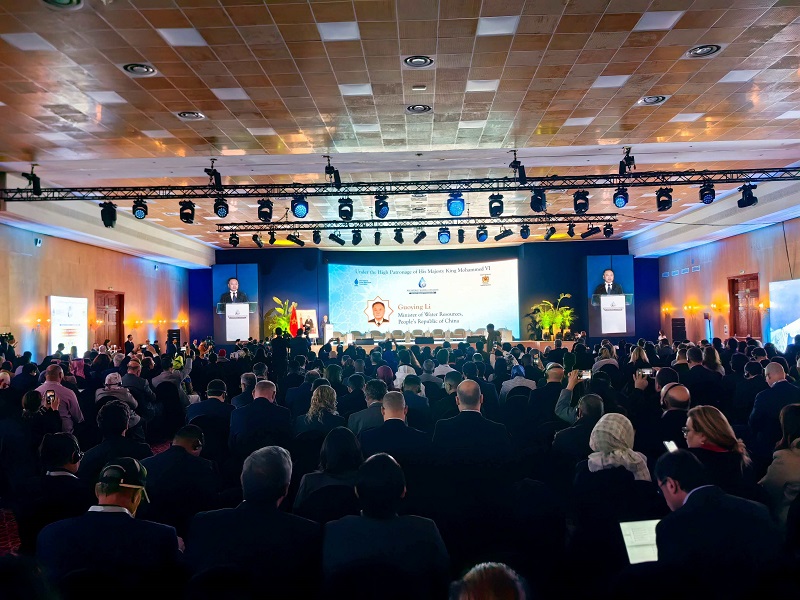
李国英率团出席第19届世界水资源大会开幕式并致辞
Shui Li Bu Wang Zhan· 2025-12-02 05:45
Core Viewpoint - The 19th World Water Resources Conference emphasizes the need for innovation and adaptation in water management amidst global climate change challenges [1][2] Group 1: China's Water Management - China's water resources are characterized by seasonal floods and droughts, with significant regional disparities in water availability [1] - Under the guidance of President Xi Jinping's water management philosophy, China has significantly improved its flood defense, water conservation, and ecological protection capabilities [1] - Historical achievements and transformations in China's water management have been noted, highlighting the progress made in modernizing water governance [1] Group 2: Global Collaboration and Initiatives - The increasing frequency of extreme weather events due to climate change poses serious challenges to global water security, necessitating collaborative efforts [2] - The Chinese Ministry of Water Resources aims to focus on high-quality water development and implement major initiatives outlined in the national economic and social development plan for the next five years [2] - The conference serves as a significant international platform for sharing knowledge on water policy and science, with participation from over 2,000 representatives from more than 80 countries and regions [2]
全球治理倡议带来合作新机遇
Ren Min Ri Bao· 2025-12-01 03:10
Core Insights - The global governance initiative proposed by President Xi Jinping addresses the common concerns of developing countries and provides new cooperation opportunities for countries like Mongolia to participate in international affairs [1][2] Group 1: Global Governance Initiative - The initiative's five core principles include upholding sovereign equality, adhering to international law, practicing multilateralism, advocating for a people-centered approach, and emphasizing action-oriented outcomes [1][2] - The initiative responds to the shortcomings of the current global governance system, which lacks representation and voice for emerging markets and developing countries, leading to a crisis of effectiveness in global governance [2] Group 2: Mongolia's Engagement - Mongolia values its relationship with China and emphasizes multilateral diplomacy and regional cooperation, aligning its development strategy with the global governance initiative [3] - The principle of sovereign equality allows developing countries to express their positions and participate equally in international affairs, enhancing their ability to safeguard legitimate rights [3] - Mongolia's President expressed appreciation for the initiative during a meeting with President Xi, indicating a willingness to support each other on the international stage and collaborate to protect the common interests of developing countries [3] Group 3: Future Cooperation - The global governance initiative is seen as a means to promote a fairer and more reasonable international order, with expectations for deeper cooperation between Mongolia and China in various fields such as green development and digital economy [4] - Utilizing multilateral platforms like the Shanghai Cooperation Organization can enhance collaboration in areas like infrastructure and desertification prevention, benefiting both nations [4]