关税通胀

Search documents
电话会议纪要(20250413)
CMS· 2025-04-14 13:35
Macroeconomic Insights - Recent statements from Federal Reserve officials indicate a need for cautious observation of tariff-induced inflation, diminishing the positive impact of March's low inflation data on financial markets[4] - In March, the US CPI for goods (excluding food and energy) showed a month-on-month decline of -0.1%, with year-on-year growth at 0.0%[4] - Tariff-sensitive goods like household appliances and furniture saw year-on-year price adjustments of -2.5% and -1.8%, respectively[4] Market Reactions - Following the release of economic data, the US Treasury yield curve steepened, with the 2-year yield dropping to around 3.8% and the 10-year yield fluctuating around 4.3%[5] - The stock market indices adjusted downwards, while the US dollar index weakened after a brief recovery[5] Policy Implications - Post-tariff, there is an urgent need for domestic demand expansion policies, with potential new measures expected from the upcoming political bureau meeting[6] - The highest expected tariff rates will see a 90-day delay for reciprocal tariffs on most countries, with significant exemptions for electronic products, indicating a marginal improvement in tariff impacts[6] Historical Context - An analysis of the 2018 bond market during US-China trade tensions shows a general downtrend in bond yields, with the 10-year government bond yield declining by 65 basis points over the year[7] - The bond market's response to tariff announcements was significant, with the 10-year yield dropping to 3.5% following the announcement of tariffs on $500 billion worth of Chinese goods[8] Real Estate Outlook - The real estate market is characterized by strong demand in high-tier cities and weakening demand in lower-tier cities, with potential acceleration in existing policy implementations[16] - A decrease in mortgage rates could stimulate demand for new and second-hand homes, aiding in price stabilization[17] Banking Sector Considerations - The banking sector is expected to benefit from domestic policy adjustments aimed at countering external pressures, with a focus on the internationalization of the RMB in the long term[18] - The current economic environment presents a historical opportunity for RMB internationalization, particularly as US trade policies may undermine the dollar's global status[19]
铜|热点评论:美国关税提前,全球铜商贸易生死局
新财富· 2025-03-31 07:59
本文约 2 0 0 0 字,推荐阅读时长 1 5 分钟,欢迎关注新财富公众号。 1 特朗普式关税如何影响铜价? 首先我们先明确,美国铜产业链呈现"资源富集、加工薄弱"的显著特征,也就是说,美国是 铜精矿的净出口国,是精铜的净进口国。 市场1月、2月、3月对关税反应有何不同? 1月:关税通胀预期v s现实通胀走弱,铜价偏强震荡 2 0 2 5年1月6日,美元指数、有色金属与贵金属板块盘中出现异动。美国《华盛顿邮报》援引 三位匿名人士的消息称,特朗普助手正在探讨适用于所有国家但仅覆盖关键进口商品的关税 计划,令关税主题再次引起市场重视。美国铜价开始为关税计价。 虽然智利、秘鲁才是铜矿资源大国,但其矿产主权实际由美国(如必和必拓、自由港)、中 国(如洛阳钼业、紫金矿业)、英国及澳大利亚资本主导,全球铜期货交易所集中于伦敦 (LME)、纽约(COMEX)和上海(SHFE),所以中美两大消费市场动向才是关键。 所以在特朗普2 . 0关税预期下,存在两个交易逻辑: 1 )关税预期→经济影响→需求下降→铜价下跌; 2 )关税预期→通胀预期→铜价上涨。 关税对通胀的抬升和对于经济的损害两条可以选择的路线里,市场当前明显给到了 ...


中美交锋仅2月,特朗普心里直打鼓?美联储一把手说出残酷现实!
Sou Hu Cai Jing· 2025-03-25 06:16
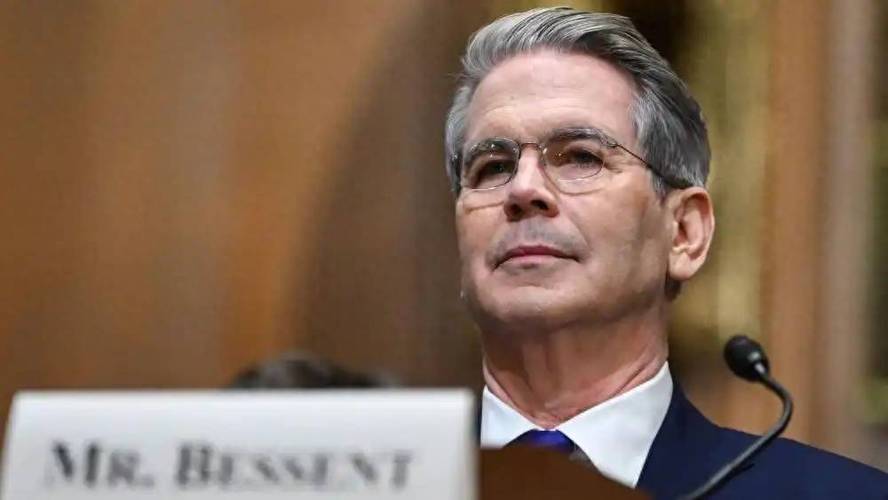
中美交锋仅2月,特朗普心里直打鼓?美联储一把手说出残酷现 实! 据新华社报道,美国财政部长贝森特日前接受媒体采访时说,美国经济可能会有一些"调整",但这是"健康的"。不过,他"无法保 证"美国经济不会在特朗普任期内出现衰退。3月以来,外界围绕美国关税政策加剧经济衰退前景的议论日甚,经济数据疲软和股 市持续下跌进一步强化"特朗普衰退"担忧。美国政府高官轮番在媒体面前为当前政策与经济形势辩解,推出一系列"新概念",引 发议论的同时遭到媒体和专家诟病。 近日美国总统特朗普在接受福克斯新闻台采访时,对美国经济衰退威胁直接提问避而不答。他说,在他执政期间美国经济将是世 界历史上最强的。在直接被问及美国是否会在2025年出现经济衰退时,特朗普说:"我们将拥有全世界、全球有史以来最强大的经 济"。特朗普补充说,现在正在为美国经济投入大量资金。早些时候,美联储主席鲍威尔在媒体负面预测的背景下不排除美国经济 衰退的可能性,同时指出,衰退的可能性一直存在的。他还承认,市场存在异常高的不确定性。 此时从国际关系的角度来看,特朗普也意识到,与中国全面对抗并不是一个明智的选择。中美两国作为全球最大的两个经济体, 其关系的好坏不仅关系到 ...