稀土产业链

Search documents
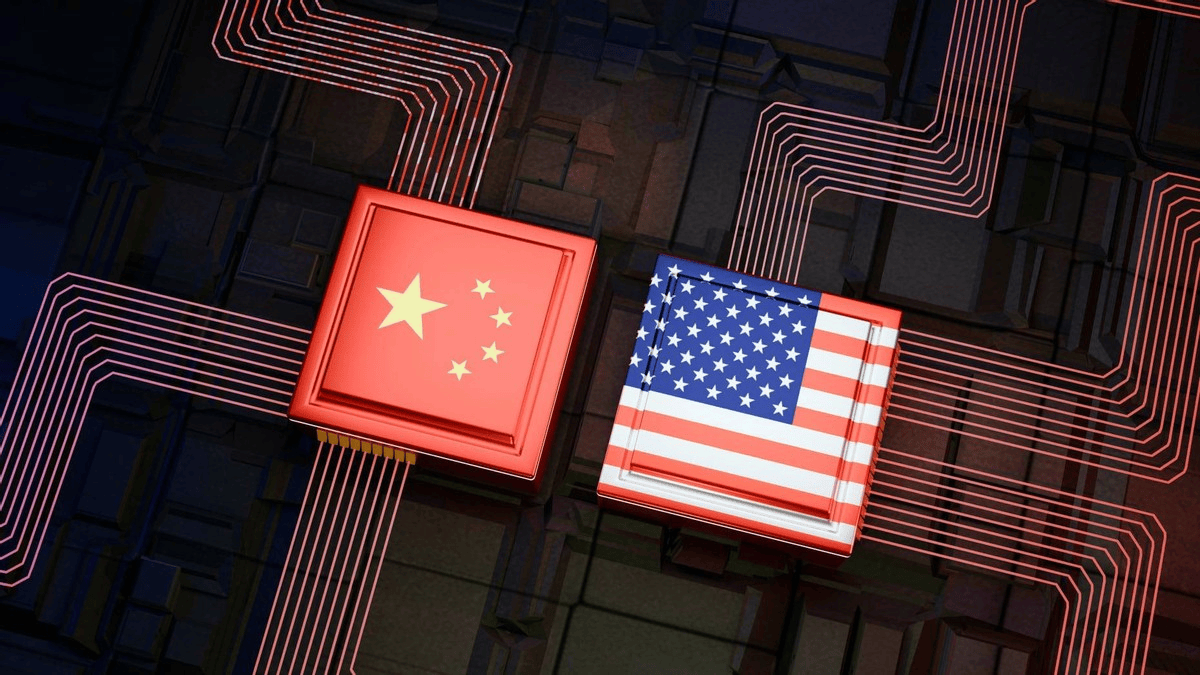
美媒:钐、钆、铽、镝、镥、钪、钇中重稀土,美国的精炼能力为零
Sou Hu Cai Jing· 2025-07-20 08:07
Core Viewpoint - The focus of the US-China tariff conflict has shifted from high tariffs to rare earth issues, with China implementing export controls on seven heavy rare earth elements, significantly impacting the US industry [1][16]. Group 1: Impact on US Industry - The lack of rare earth elements is causing significant disruptions in the US, leading to widespread shutdowns in automotive factories and production halts in various sectors, including advanced technologies like robotics [3]. - Major US companies are expressing urgency for government intervention, indicating that they are struggling to cope without access to Chinese rare earth supplies [3]. Group 2: US Rare Earth Resources and Technology - Although the US has its own rare earth mines, it lacks the necessary refining technology, which is critical for producing high-purity rare earth materials [5]. - Australia has reportedly attracted a Chinese rare earth team, but the notion that this could undermine China's dominance in the rare earth sector is considered overly optimistic [5]. Group 3: China's Dominance in Rare Earth Processing - China possesses a complete closed-loop rare earth industry chain, from mining to refining, which is unmatched globally. This includes the ability to handle the environmental challenges associated with rare earth processing [6][9]. - Data shows that 93% of the global rare earth deep processing capacity is located in China, particularly excelling in the purification of magnet-grade materials [9]. Group 4: Comparative Advantages - China can achieve a purity level of 99.9999% (6N grade) for rare earth oxides, while the best the US can manage is 99.99% (4N grade). Additionally, China's cost of rare earth separation is significantly lower than that of Australia [11]. - The yield rate for China's magnet alloy is 92%, compared to only 68% for the US company MP Materials [11]. Group 5: Future Projections - A US research institution estimates that rebuilding a complete rare earth supply chain in the US would require an investment of at least $27 billion and seven years, during which time China may advance to third-generation green smelting technologies [13]. - The US currently has zero refining capability for the heavy rare earth elements samarium, gadolinium, terbium, dysprosium, lutetium, scandium, and yttrium, highlighting a critical dependency on China for processing [15].

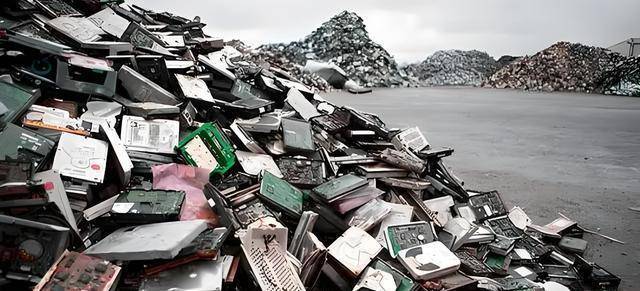
中国坚决不给稀土,美国人“被逼急了”,超级大国沦落到刨垃圾堆
Sou Hu Cai Jing· 2025-07-18 00:06
Core Viewpoint - The article discusses the impending challenges the United States faces regarding rare earth elements (REE) supply, particularly in light of China's tightening export controls, leading to a potential reliance on recycling electronic waste by 2025 [1][3]. Group 1: U.S. Rare Earth Supply Challenges - In July 2023, China implemented stricter export controls on rare metals, affecting 90% of global rare earth supply [3][5]. - The U.S. heavily relies on China for rare earth imports, with 70% of its total imports coming from China in 2022 [5]. - The only U.S. rare earth mine, Mountain Pass, went bankrupt in 2015 and required Chinese investment to revive operations, highlighting the U.S.'s resource dependency [5][6]. Group 2: Recycling Initiatives - Starting in 2024, the U.S. initiated a significant recycling campaign to recover rare earths from electronic waste, with nearly 10 million tons of e-waste generated annually [6][8]. - Companies focused on recycling old electronics have seen a surge in orders, indicating a strategic shift towards extracting rare earths from waste [6][8]. - Despite the push for recycling, industry experts express skepticism about the feasibility of relying on e-waste for sufficient rare earth supply, estimating it could only cover less than 10% of the demand [12]. Group 3: Political and Economic Implications - The U.S. government's efforts to establish a self-sufficient rare earth supply chain are complicated by high costs and technical challenges, with significant investments made without guaranteed returns [6][8]. - The imposition of a 50% tariff on copper imports in 2024 exacerbated the situation for U.S. manufacturers, leading to increased pressure for recycling initiatives [8][12]. - The article highlights the irony of the U.S. now resorting to recycling, a practice previously mocked in other contexts, reflecting a shift in the global economic landscape [10][12]. Group 4: Global Supply Chain Dynamics - China continues to strengthen its position in the rare earth market by expanding operations in Southeast Asia and Africa, maintaining a dominant role in the global supply chain [13][15]. - U.S. attempts to source rare earths from allies like Australia and Canada face challenges due to varying ore quality and higher extraction costs, making competition with Chinese suppliers difficult [13][15]. - The ongoing geopolitical tensions and trade dynamics underscore the complexities of achieving supply chain independence, with the likelihood of U.S. self-sufficiency in rare earths by 2025 being extremely low [13][15].
稀土产业链更新
2025-07-16 06:13
Summary of Conference Call Notes Industry Overview - The discussion revolves around the rare earth industry, specifically focusing on the company MP and its strategic agreements with the U.S. Department of Defense [1] - The company has historically produced rare earth minerals and has recently developed its own refining capabilities, which is expected to enhance its operational efficiency [2] Key Points and Arguments - MP has secured a multi-billion dollar strategic agreement with the U.S. Department of Defense to establish a new factory for producing rare earth magnets, with an expected production capacity of 10,000 tons by 2028 [1] - The U.S. Department of Defense has committed to a price guarantee of no less than $110 per kilogram for MP's mixed rare earth elements over the next decade, translating to approximately 800,000 RMB per ton [1] - The company previously relied on a sales agreement with Shenghe Resources for its rare earth minerals, but has seen a year-on-year decline in the volume supplied to Shenghe since 2023 [2] - China is actively seeking alternative sources of rare earth minerals, including a Tanzanian mine expected to start production by the end of 2026, which may offset some of the reductions from MP [3] - The overall rare earth production landscape is accelerating, with companies like Lynas in Australia also ramping up their refining capabilities [3] - China imports about 35% of its rare earth minerals annually, indicating a significant reliance on foreign sources [3] Supply and Demand Dynamics - The domestic rare earth market has shown stable growth in supply and demand, with a notable increase in demand driven by sectors such as electric vehicles, wind energy, and home appliances [5] - A regulatory change in April 2025 introduced export controls on heavy rare earths, causing temporary supply chain disruptions and price surges in Europe [4] - New management regulations for rare earth imports have been implemented, indicating tighter control over global refining processes [5] - The anticipated demand gap in the rare earth market is expected to widen by 2027, particularly with the mass production of humanoid robots [5] Future Outlook - The rare earth industry is viewed as entering a price increase phase, with expectations of moderate price growth over the next two to three years [6] - The overall sentiment is positive towards the rare earth supply chain, with recommendations for continued investment in this sector [6]
稀土磁材 板块业绩超预期
2025-07-16 06:13
Summary of Conference Call on Rare Earth Industry Industry Overview - The discussion primarily revolves around the rare earth industry, focusing on the implications of U.S. policies and market dynamics affecting supply and demand for rare earth materials [1][2][3]. Core Insights and Arguments - **U.S. Strategic Intent**: The U.S. is determined to develop its rare earth industry, as evidenced by the strategic agreement with MP Materials, indicating a shift in the global supply chain dynamics [1]. - **Supply Trends**: There is a noted decline in the import volume of overseas rare earth ores, which negatively impacts domestic supply [2]. - **Price Dynamics**: The U.S. Department of Defense has committed to a minimum price of $110 per kilogram for MP's mixed system, translating to approximately 800,000 RMB per ton, significantly higher than the domestic price of around 400,000 RMB per ton [2][3]. - **Market Regulation**: There are indications that the Chinese government may relax its control over rare earth prices, allowing for potential price increases, which could boost market confidence [3]. - **Export Controls**: The focus of export controls has shifted towards Middle Eastern rare earths, affecting companies like Guangshen and China Rare Earth Group, which have seen increased attention [3][4]. - **Long-term Price Outlook**: The overall sentiment is bullish on rare earth prices, with expectations of sustained upward pressure due to supply constraints and increasing demand from high-tech applications [4][10]. Additional Important Points - **Technological and Cost Advantages**: China holds a significant technological and cost advantage in rare earth processing, with over 90% of refined production capacity, while the U.S. struggles with higher production costs [7][8]. - **Market Dynamics**: The rare earth market is becoming less about global market pricing and more about strategic competition, particularly between China and the U.S. [8][9]. - **Demand Growth**: The demand for rare earths is expected to grow, particularly in high-end applications such as electric vehicles and industrial robotics, which are increasingly reliant on rare earth materials [9][10]. - **Investment Opportunities**: Companies involved in rare earth mining and recycling, such as North West Rare Earth and Jinli Permanent Magnet, are highlighted as potential investment opportunities due to their positioning in a tightening market [11][12]. Conclusion - The rare earth industry is poised for significant changes driven by geopolitical factors, supply chain adjustments, and evolving market demands. The outlook remains positive for companies within this sector, particularly those that can navigate the complexities of pricing and supply constraints effectively.
稀土磁材酝酿涨价,基本面行情启动
2025-07-16 06:13
Summary of Conference Call on M&P Materials and Rare Earth Industry Company and Industry Involved - **Company**: M&P Materials, a rare earth company in the United States - **Industry**: Rare Earth Industry Key Points and Arguments 1. **Stock Price Surge**: M&P Materials' stock price increased by 40% due to the U.S. Department of Defense purchasing $400 million in preferred shares and obtaining warrants, making it the largest shareholder of M&P [1] 2. **Price Guarantee**: The U.S. Department of Defense has guaranteed that the price of M&P's mixed rare earths will not fall below $110 per kilogram, which translates to approximately 80,000 RMB per ton [1][3] 3. **Strategic Importance**: The involvement of the U.S. government in M&P signifies unprecedented attention to the rare earth supply chain, enhancing its strategic value [2] 4. **Price Comparison**: The guaranteed price from the U.S. government is over 20% higher than domestic prices in China, which are around 450,000 RMB per ton [3] 5. **Market Confidence**: The U.S. government's commitment to a price floor alleviates concerns about rising global rare earth prices negatively impacting domestic prices in China [4] 6. **U.S. Rare Earth Supply Chain**: The U.S. rare earth supply chain has been improving, with NOP's self-processing ratio increasing from under 10% in Q1 2023 to over 30% in Q1 2024 [6] 7. **Supply Dynamics**: The U.S. hydrogen industry is reportedly on the rise, indicating a strengthening of the U.S. rare earth supply chain, which was already in progress before government intervention [7] 8. **Resource Control**: China maintains a dominant position in rare earth resources, with significant control over supply from Southeast Asia and other regions [8][9] 9. **Export Controls**: China's export controls on rare earths are primarily focused on heavy rare earth products, which will not significantly impact China's pricing power [10] 10. **Market Trends**: The rare earth sector is experiencing a shift in trading logic, with expectations of price increases due to supply constraints and rising demand [11][12] 11. **Future Projections**: The overall supply growth in the rare earth sector is expected to be low, with a projected decline in supply in the second half of the year, which could lead to price increases [15][17] 12. **Investment Opportunities**: Key companies to watch include China Rare Earth Holdings, Guangsheng Nonferrous, and Northern Rare Earth, all of which are expected to benefit from rising prices and market dynamics [18][19][20] Other Important but Overlooked Content - **Market Sentiment**: The sentiment around the rare earth sector remains positive, with expectations of price increases driven by both domestic and international factors [21] - **Long-term Outlook**: The long-term outlook for the rare earth industry remains strong, with structural reforms and price adjustments expected to support growth [20]


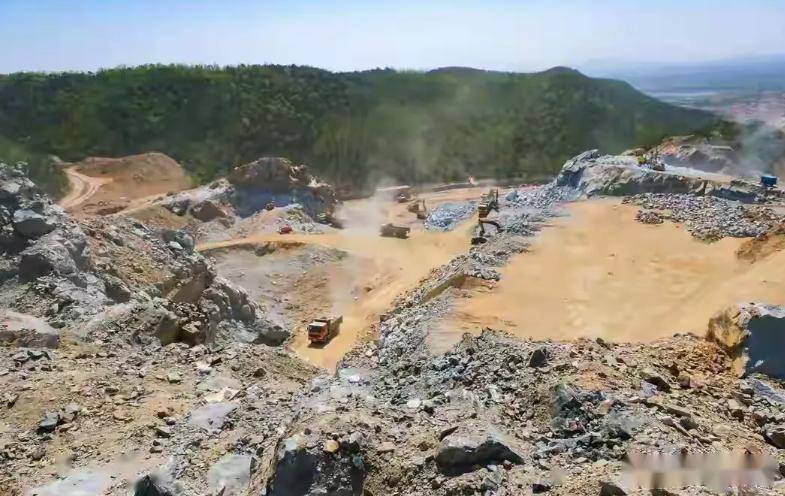
马斯克说,美国的稀土一点也不稀 缺,全世界随便开采
Sou Hu Cai Jing· 2025-07-13 16:09
Core Viewpoint - The article discusses the historical and structural reasons behind why the global supply of rare earth elements is heavily reliant on China for processing, despite the availability of these resources in other countries like the United States [1][3][21] Group 1: Historical Context - In the past, the United States was the dominant player in the rare earth market, supplying 90% of the world's rare earths and possessing advanced extraction technology [4][10] - The discovery of the Mountain Pass mine in California marked the beginning of U.S. dominance in rare earth extraction, which was initially limited to military applications [6][8] - China's significant rare earth reserves were discovered in Inner Mongolia, but initially, China lacked the technology for refining, leading to a reliance on exporting raw materials [8][10] Group 2: Structural Changes - The introduction of the continuous extraction method by Xu Guangxian in 1974 allowed China to refine rare earths independently, marking a pivotal shift in the industry [10][12] - The 1990s saw a surge in competition within China, leading to a tenfold increase in export volume but a halving of export prices, which adversely affected U.S. companies like Molycorp [10][12] - Molycorp's decision to relocate its refining operations to China in 2002 was driven by the lower costs of Chinese resources and labor [12][15] Group 3: Technological Advancements - China's aggressive investment in technology and price competition allowed it to catch up and eventually surpass foreign companies in refining capabilities [15][19] - By 2010, China controlled 90% of the global rare earth refining capacity, while foreign companies struggled to remain competitive [15][19] Group 4: Current Landscape - Despite attempts by the U.S. to revive its rare earth production capabilities post-2019, over 70% of U.S. rare earth raw materials still need to be exported to China for processing [17][19] - The article emphasizes that controlling resources does not equate to mastering the value chain, highlighting the complexities of the rare earth industry [19][21]
4国在美组建稀土联盟,中国先下手为强,做了个29年来的重大决定
Sou Hu Cai Jing· 2025-07-11 05:44
Group 1 - The core initiative involves the US, Japan, Australia, and India collaborating to establish a complete supply chain for rare earth minerals, aiming to reduce dependence on China [1][3] - The US Secretary of State emphasized the unique contributions of each country: Australia has the minerals, Japan has the technology, India has resources, and the US will set the rules for cooperation [1] - Despite the alliance, each country faces internal challenges: Japan relies heavily on China for key minerals, Australia struggles with technology and production capacity, and India lacks the necessary manufacturing capabilities [3][6] Group 2 - China has implemented export controls on several rare earth products, requiring detailed reporting on usage and end-users, which has already led to a decline in US imports of magnetic materials [3][6] - A new Mineral Resources Law in China centralizes the management of rare earth resources, allowing for strategic allocation and streamlined approval processes, enhancing state control over the industry [4][8] - China's legal and regulatory framework positions it advantageously in the global rare earth market, making it difficult for the four-country alliance to replicate its supply chain within a short timeframe [6][8]
西方绞尽脑汁替代中国稀土,美专家说出真相:20年内毫无可能?
Sou Hu Cai Jing· 2025-07-11 05:06
Group 1 - China has implemented new export control policies on rare earth elements, specifically targeting seven categories including samarium and gadolinium, which are crucial for new energy and smart manufacturing, as well as military industries globally [1][3] - Over 60% of global rare earth mineral resources are mined in China, and over 92% of the refining processes are also conducted in China, indicating a significant dependency on Chinese resources [3][5] - Western countries, including the US, Australia, and India, are actively seeking alternative mineral resources in regions like Greenland, Brazil, Kazakhstan, and Ukraine, but establishing a complete rare earth supply chain could take 10 to 20 years, with additional time needed to match China's production capabilities [5][6] Group 2 - The complexity of rare earth processing requires substantial investment and skilled personnel, with estimates suggesting that initial investments could exceed trillions of dollars [5][6] - China's recent export controls are viewed as a more powerful economic tool compared to previous measures, emphasizing the potential impact on high-end manufacturing sectors in the West that rely on Chinese rare earth materials [5][6] - Despite recognizing the risks since a previous incident in 2010, the US has failed to make significant investments to diversify its rare earth supply sources over the past 15 years, leading to a reactive rather than proactive stance [6][8] Group 3 - China's Ministry of Commerce has clarified that the export control measures are in line with international practices aimed at national security and non-proliferation obligations, while still allowing for legal exports to meet reasonable civilian demands [6][8] - The ongoing competition for rare earth resources is expected to intensify, with experts suggesting that China will maintain its dominant position in the foreseeable future, leaving other countries struggling to find effective countermeasures [8]
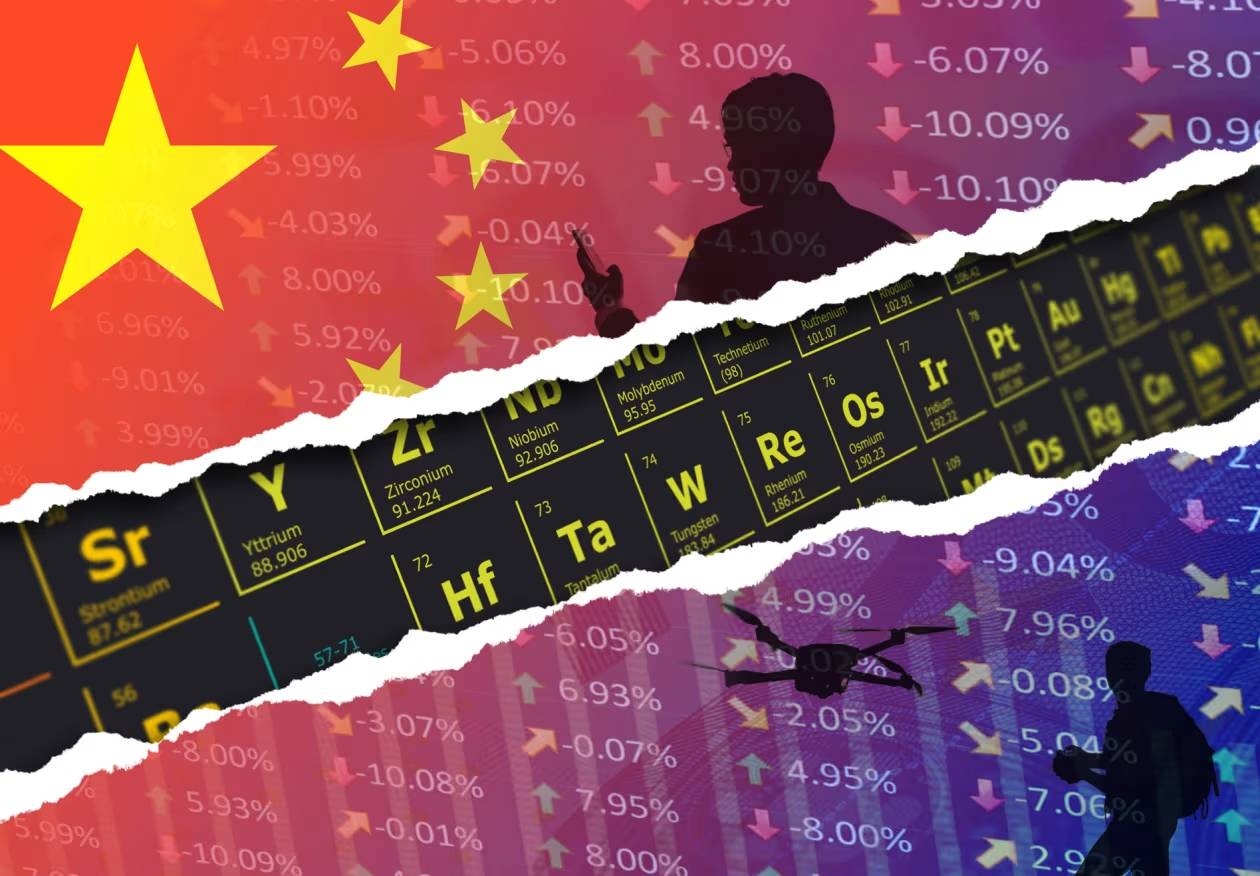
美日印澳稀土联盟正式成立,中国修法反击,29年来首次大动作
Sou Hu Cai Jing· 2025-07-08 07:59
Group 1 - The establishment of the Quad alliance aims to diversify the supply chain of critical minerals, reducing reliance on China, which currently supplies 87% of rare earths for the F-35 fighter jet and is crucial for other military systems [6][8] - China's revised Mineral Resources Law, which has expanded from 7 chapters and 53 articles to 8 chapters and 80 articles, emphasizes the protection of national mineral resource security, coinciding with the Quad's announcement [6][10] - The new law introduces a "strategic mineral catalog," requiring buyers to specify the intended use of rare earths, complicating approvals for military and sensitive applications [12][20] Group 2 - The Quad countries face significant challenges in establishing an independent rare earth supply chain, including the need for substantial capital investment, estimated in the billions, and ongoing funding [20][22] - Technological barriers exist, as China currently dominates the large-scale, low-cost, and high-purity production of rare earths, while other countries lag behind in technological capabilities [22][24] - The rare earth market is characterized by high volatility and regulatory risks, raising concerns about the sustainability of investments in a market that may face declining demand or technological shifts [20][26] Group 3 - China controls over 90% of the global rare earth refining capacity and contributes 72% of the total production, establishing a robust ecosystem over the past 30 years through advanced technologies and strategic acquisitions [24][26] - The competition for rare earths is not merely a commercial transaction but a strategic battle for global industrial dominance, with the Quad seeking to break free from dependency while China aims to maintain its advantageous position [28][30]
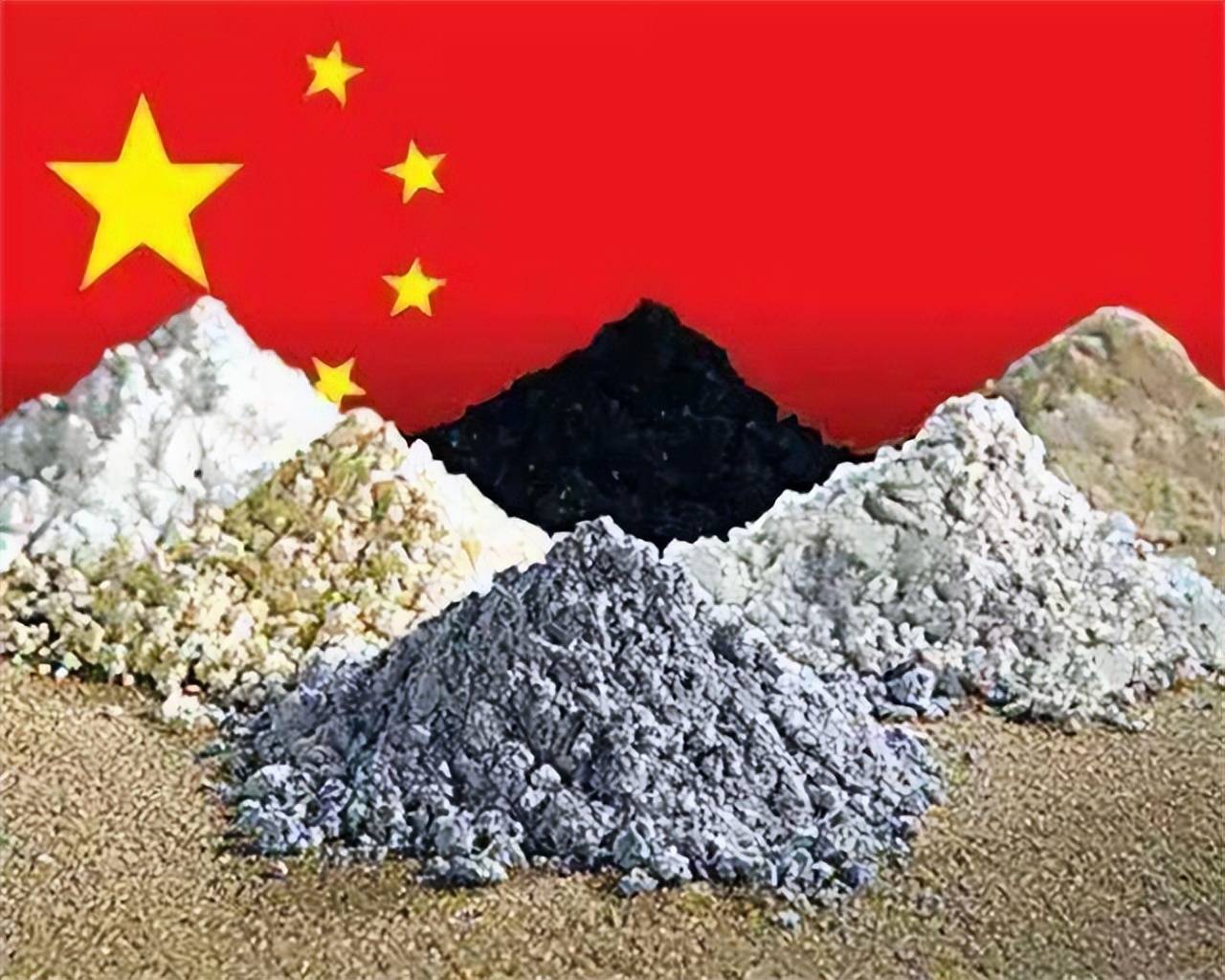
又盯上中国了,“印太”稀土联盟已成,四国在美牵手,中方做特殊决定
Sou Hu Cai Jing· 2025-07-05 02:57
Group 1 - The core point of the article is the establishment of the "Indo-Pacific Rare Earth Alliance" by the US, Japan, Australia, and India, which aims to secure rare earth supply chains but is perceived as a direct challenge to China's dominance in this sector [1][3][5] - China holds 38% of global rare earth reserves and over 60% of production, with more than 90% of refining capabilities, highlighting its significant role in the rare earth market [1][5] - The alliance's members face challenges in developing their own rare earth capabilities, with Japan's underwater mining project facing delays and Australia's projects being technically reliant on China [1][5][8] Group 2 - China's recent export controls on rare earths are framed as legal and reasonable under WTO rules, allowing for export restrictions for national security and environmental reasons [3][5] - The Chinese government has issued 237 rare earth export licenses to US companies in the first half of the year, indicating a willingness to manage exports rather than impose a blanket ban [3][5] - The "Indo-Pacific Rare Earth Alliance" plans to invest $5 billion in building a rare earth supply chain, but the feasibility of achieving a complete supply chain outside of China is questioned [5][8] Group 3 - China's advantages in the rare earth sector stem from decades of technological accumulation and industrial investment, making it difficult for other countries to quickly establish competitive capabilities [5][8] - In response to the alliance, China is enhancing its export controls and investing in the upgrade of its rare earth industry, while also developing alternative materials to reduce dependency on rare earths [8][10] - The article suggests that a confrontational approach by the alliance may ultimately harm all parties involved, advocating for dialogue and cooperation instead [10]