银发经济

Search documents
民盟盟员解读上海养老新规:陪护假彰显人文关怀
Zhong Guo Xin Wen Wang· 2025-11-01 12:30
Core Points - The revised "Shanghai Senior Citizens' Rights Protection Regulations" took effect on November 1, marking the first significant amendment in nearly a decade to enhance the legal framework for protecting the rights of the elderly in Shanghai, which has the highest aging population in China [1] - By the end of 2024, the elderly population aged 60 and above in Shanghai is projected to reach 5.7762 million, accounting for 37.6% of the total population, indicating a significant aging trend [1] - The amendment integrates the national strategy for actively addressing population aging and promotes a positive view of aging and healthy aging concepts throughout economic and social development [1] Group 1 - The newly added caregiving leave system has garnered social attention, providing relief for caregivers of elderly patients, highlighting the importance of humanistic care in the context of AI-driven "smart elderly care" [2] - The development of the silver economy is a major highlight of the new regulations, which call for the cultivation of a silver consumer market and the promotion of various industries related to elderly care, including smart elderly care and health services [2] Group 2 - The Fudan University Institute of Aging, established in 2021, focuses on three main research areas: high-quality population development and the silver economy, health management tailored to Chinese demographics, and ethical standards for AI applications in elderly care [3] - The institute is collaborating with industry partners to develop AI corpus standards and an "AI value target field" aimed at reviewing applications relevant to the elderly population [3]
习近平同韩国总统会谈
Yang Shi Wang· 2025-11-01 12:05
Core Points - The meeting between the leaders of China and South Korea emphasizes the importance of their relationship as close neighbors and partners, highlighting the need for stable and healthy development of bilateral ties to benefit both nations [1][4] - Xi Jinping proposed four key suggestions to open a new chapter in China-South Korea relations, focusing on strategic communication, deepening mutually beneficial cooperation, enhancing public sentiment, and strengthening multilateral collaboration [2][3] Group 1: Strategic Communication - Strengthening strategic communication to build mutual trust and respect each other's social systems and core interests, while addressing differences through friendly consultation [2] - Utilizing dialogue channels and mechanisms to gather strength for the development of bilateral relations [2] Group 2: Economic Cooperation - Accelerating the second phase of negotiations for the China-South Korea Free Trade Agreement and exploring cooperation in emerging fields such as artificial intelligence, biopharmaceuticals, green industries, and the silver economy [2] - Emphasizing the importance of combating online gambling and telecom fraud through bilateral and regional cooperation to protect citizens' safety [2] Group 3: Cultural Exchange - Promoting cultural exchanges to enhance mutual understanding and create a favorable atmosphere for the stable development of China-South Korea relations [2] - Encouraging people-to-people exchanges among youth, media, think tanks, and local communities [2] Group 4: Multilateral Collaboration - Supporting South Korea's successful hosting of the APEC informal leaders' meeting and promoting regional economic integration and the APEC Free Trade Area [3] - Advocating for true multilateralism and a fairer international governance system [3] Group 5: Bilateral Agreements - Following the meeting, both leaders witnessed the exchange of cooperation documents in various fields including trade, finance, agriculture, law enforcement, and technology [5]
习近平同韩国总统李在明会谈
证监会发布· 2025-11-01 12:05
Core Points - The meeting between Chinese President Xi Jinping and South Korean President Lee Jae-myung emphasizes the importance of the China-South Korea relationship as a significant partnership that has thrived over 33 years despite differences in social systems and ideologies [5][8] - Xi proposed four key suggestions to enhance the bilateral relationship, focusing on strategic communication, deepening mutually beneficial cooperation, promoting people-to-people exchanges, and strengthening multilateral collaboration for peace and development [6][7][8] Group 1: Strategic Communication - Strengthening strategic communication is essential to build mutual trust and respect, allowing both nations to develop together while managing differences through friendly consultations [6] Group 2: Economic Cooperation - There is a commitment to accelerate the second phase of the China-South Korea Free Trade Agreement negotiations and explore cooperation in emerging sectors such as artificial intelligence, biopharmaceuticals, green industries, and the silver economy [7] - Both countries are focused on combating online gambling and telecom fraud, indicating a collaborative approach to safeguard citizens' safety and property [7] Group 3: Cultural and People-to-People Exchanges - Enhancing public sentiment and promoting cultural exchanges are vital for fostering mutual understanding and creating a favorable atmosphere for the development of bilateral relations [7] Group 4: Multilateral Collaboration - China congratulated South Korea on successfully hosting the APEC Leaders' Informal Meeting and expressed willingness to work together to advance the APEC Free Trade Area process and regional economic integration [7][8]

马旗戟:养老产业创新人才将成为中国经济发展宝贵财富
Zhong Guo Xin Wen Wang· 2025-11-01 12:02
中共二十届四中全会日前成功召开并通过"十五五"规划建议,明确"积极开发老年人力资源,发展银发 经济"。马旗戟认为,未来,中国银发经济的整体规模将在 GDP中占据重要份额,成为中国经济提质增 效升级的强大驱动力。同时,中国的企业、社区、城市等,都将因银发经济及其带来的生活方式、工作 方式、行为方式的变化,呈现出新的样式面貌,而这种新面貌在一定程度上适应了老龄化社会的到来, 构建出中国友老社会的新图景。 中新网福州11月1日电 "未来二三十年,中国定将出现一大批养老产业创新人才,成为经济和社会发展 的宝贵财富。"正在此间举行的2025首届海峡养老产业博览会上,盘古智库老龄社会研究院院长马旗戟 在接受中新网记者采访时如是表示。 此外,他指出,过去20年,大陆在数字技术、人工智能、生物科技等高新科技方面发展迅速,这对养老 产业转型升级具有潜在的强劲动力,由此带来的成果同样可与台湾共享。 作为赋能区域产业发展的创新载体,由《中国慈善家》杂志、《闽商》杂志和盘古智库老龄社会研究院 联合发起的"海峡银发经济创新实验室"在活动期间启动。马旗戟表示,之所以用"实验室"命名,意 在"探寻"银发经济的创新发展路径,蕴含着更多可能性 ...
习近平同李在明会谈
第一财经· 2025-11-01 11:13
Core Viewpoint - The meeting between Chinese President Xi Jinping and South Korean President Lee Jae-myung emphasizes the importance of the China-South Korea relationship, highlighting mutual cooperation and the need for strategic communication to enhance trust and collaboration [7][12]. Group 1: Strategic Communication - Xi Jinping proposed four key suggestions to open a new chapter in China-South Korea relations, starting with strengthening strategic communication to build mutual trust and respect each other's social systems and core interests [9]. - The importance of using dialogue channels and mechanisms to address differences and enhance cooperation was emphasized [9]. Group 2: Economic Cooperation - The two leaders discussed deepening mutually beneficial cooperation, particularly in areas such as artificial intelligence, biopharmaceuticals, green industries, and the silver economy, while accelerating the second phase of the China-South Korea Free Trade Agreement negotiations [9]. - Both countries expressed a commitment to combatting online gambling and telecom fraud, indicating a focus on safeguarding citizens' safety and interests [9]. Group 3: Cultural Exchange - Enhancing national sentiment and promoting people-to-people connections were highlighted as essential for solidifying the foundation of public opinion, with an emphasis on positive messaging and cultural exchanges [9]. - The leaders agreed on facilitating personnel exchanges and increasing interactions among youth, media, think tanks, and local communities to foster mutual understanding [9]. Group 4: Multilateral Cooperation - Xi Jinping congratulated South Korea on successfully hosting the APEC Leaders' Informal Meeting and expressed a desire to work together to advance the APEC Free Trade Area process and regional economic integration [10]. - The commitment to uphold true multilateralism and promote a fairer international governance system was reiterated [10]. Group 5: Economic Outlook - The meeting underscored the significance of the 14th Five-Year Plan, with both leaders expressing a commitment to enhance bilateral cooperation to stabilize supply chains and bring more benefits to their citizens [12]. - South Korea's willingness to support China's hosting of the 2026 APEC Leaders' Informal Meeting was also noted, indicating a collaborative approach to international and regional affairs [12].
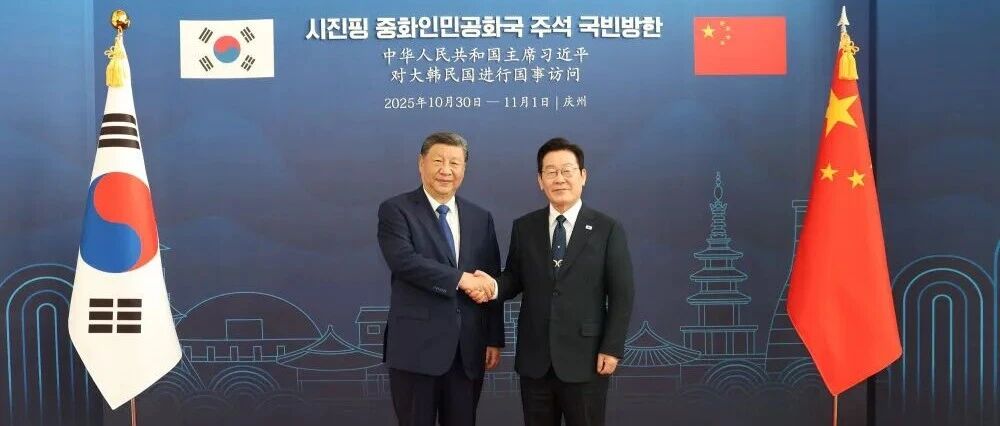
习近平同韩国总统李在明会谈
财联社· 2025-11-01 10:53
Core Viewpoint - The meeting between Chinese President Xi Jinping and South Korean President Lee Jae-myung emphasizes the importance of the China-South Korea relationship, highlighting mutual cooperation and the need for strategic communication to enhance bilateral ties [5][8]. Group 1: Strategic Communication - Xi Jinping proposed four suggestions to open a new chapter in China-South Korea relations, starting with strengthening strategic communication to build mutual trust and respect each other's social systems and core interests [6]. - The importance of using dialogue channels and mechanisms to address differences and enhance cooperation was emphasized [6]. Group 2: Economic Cooperation - The two leaders discussed deepening mutually beneficial cooperation, particularly in areas such as artificial intelligence, biopharmaceuticals, green industries, and the silver economy, while accelerating the second phase of the China-South Korea Free Trade Agreement negotiations [6]. - Both countries expressed a commitment to combatting online gambling and telecom fraud, indicating a focus on safeguarding citizens' safety and property [6]. Group 3: Cultural Exchange - Enhancing national sentiment and promoting people-to-people connections were highlighted as essential for solidifying the foundation of public opinion, with an emphasis on cultural exchanges and facilitating personnel movement [6]. - The leaders agreed on the importance of guiding public opinion positively to foster a conducive atmosphere for bilateral relations [6]. Group 4: Multilateral Cooperation - Xi Jinping congratulated South Korea on successfully hosting the APEC informal leaders' meeting and expressed a desire to collaborate on advancing the APEC Free Trade Area and regional economic integration [7]. - The commitment to uphold true multilateralism and promote a fairer international governance system was reiterated [7]. Group 5: Bilateral Relations - Lee Jae-myung welcomed Xi Jinping's visit, noting its significance for Korea-China relations and the deepening of cooperation across various fields since the establishment of diplomatic ties [8]. - Both leaders expressed a desire to enhance high-level exchanges and manage differences effectively to further develop the bilateral partnership [8].

习近平同韩国总统李在明会谈
证券时报· 2025-11-01 10:47
Core Viewpoint - The meeting between Chinese President Xi Jinping and South Korean President Lee Jae-myung emphasizes the importance of the China-South Korea relationship, highlighting mutual cooperation and the need for strategic communication to enhance bilateral ties [7][9]. Group 1: Strategic Communication - Xi Jinping proposed four key suggestions to open a new chapter in China-South Korea relations, starting with strengthening strategic communication to build mutual trust and respect each other's core interests [9]. - The importance of long-term perspectives in viewing the relationship was stressed, advocating for cooperation while managing differences through friendly consultations [9]. Group 2: Economic Cooperation - The leaders discussed deepening mutually beneficial cooperation, particularly in areas such as artificial intelligence, biopharmaceuticals, green industries, and the silver economy, while accelerating the second phase of the China-South Korea Free Trade Agreement negotiations [9][10]. - Both countries expressed a commitment to combatting online gambling and telecom fraud, indicating a collaborative approach to safeguard citizens' safety [9]. Group 3: Cultural Exchange - Enhancing national sentiments and promoting people-to-people connections were highlighted as essential for solidifying the foundation of public opinion, with an emphasis on positive media narratives and cultural exchanges [9]. - The leaders agreed on facilitating personnel exchanges and increasing interactions among youth, media, think tanks, and local communities to foster mutual understanding [9]. Group 4: Multilateral Cooperation - Xi emphasized the importance of multilateral collaboration for promoting peace and development, congratulating South Korea on hosting the APEC Leaders' Informal Meeting and expressing a desire to advance regional economic integration [10]. - The commitment to uphold true multilateralism and maintain a fair international trading system was reiterated, aiming for a more just global governance structure [10]. Group 5: Economic Development Plans - The meeting underscored the significance of the "14th Five-Year Plan" approved by the Chinese Communist Party, which outlines China's economic development direction and priorities for the next five years [12]. - South Korea expressed its willingness to enhance cooperation with China to stabilize supply chains and bring more benefits to both nations' citizens [12].
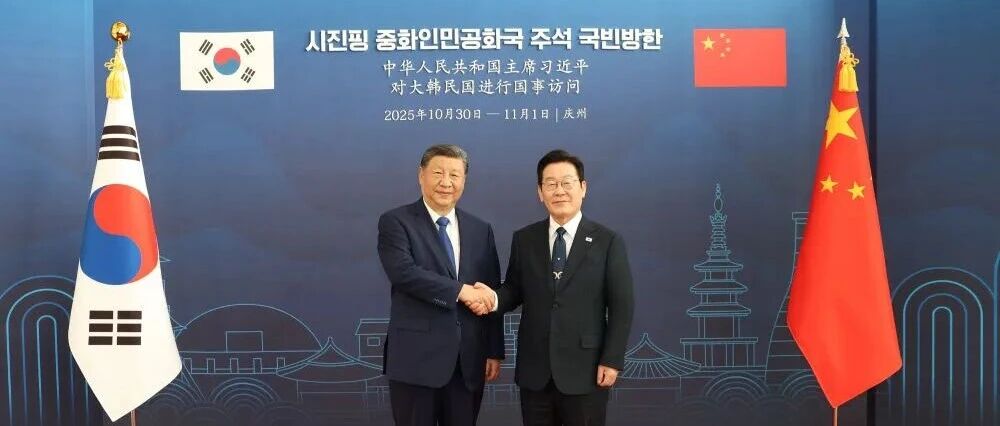
习近平同韩国总统李在明会谈
中国基金报· 2025-11-01 10:38
Group 1 - The meeting between Chinese President Xi Jinping and South Korean President Lee Jae-myung emphasizes the importance of the China-South Korea relationship as a significant partnership that has transcended social systems and ideological differences over 33 years of diplomatic ties [6][11] - Xi Jinping proposed four key suggestions to open a new chapter in China-South Korea relations, focusing on strengthening strategic communication, deepening mutually beneficial cooperation, enhancing national sentiment, and promoting multilateral collaboration for peace and development [8][9] - Both leaders acknowledged the importance of high-level exchanges and cooperation in various fields, including trade, finance, agriculture, law enforcement, and technology, as a means to further enhance bilateral relations [13] Group 2 - The discussion highlighted the commitment to accelerate the second phase of the China-South Korea Free Trade Agreement negotiations and explore cooperation in emerging sectors such as artificial intelligence, biopharmaceuticals, green industries, and the silver economy [8] - The leaders expressed a mutual desire to improve public sentiment and facilitate cultural exchanges to strengthen understanding and create a favorable atmosphere for the development of bilateral relations [9][11] - The meeting also underscored the importance of maintaining stable supply chains and enhancing international and regional cooperation to promote peace and development in the Asia-Pacific region [11][9]
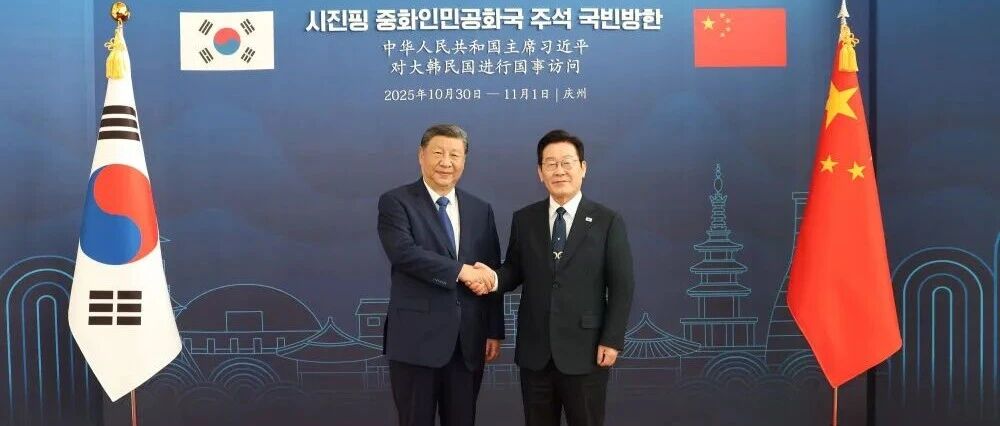
习近平同韩国总统李在明会谈
Xin Hua She· 2025-11-01 10:08
Core Points - The meeting between Chinese President Xi Jinping and South Korean President Lee Jae-myung emphasizes the importance of the China-South Korea relationship as a significant partnership that has evolved over 33 years, overcoming differences in social systems and ideologies [3][6] - Xi proposed four key suggestions to enhance the bilateral relationship, focusing on strategic communication, deepening mutually beneficial cooperation, promoting cultural exchanges, and strengthening multilateral collaboration for peace and development [4][5] Group 1: Strategic Communication - Strengthening strategic communication is essential to build mutual trust and respect, allowing both countries to develop together while managing differences through friendly consultations [4] - Utilizing dialogue channels and exchange mechanisms will help consolidate the foundation for the development of bilateral relations [4] Group 2: Economic Cooperation - There is a commitment to accelerate the second phase of negotiations for the China-South Korea Free Trade Agreement, with a focus on emerging sectors such as artificial intelligence, biopharmaceuticals, green industries, and the silver economy [4] - Both countries are keen to collaborate on combating online gambling and telecom fraud, enhancing the safety of their citizens [4] Group 3: Cultural Exchange - Promoting cultural exchanges and improving public sentiment between the two nations is vital, with an emphasis on guiding public opinion and facilitating people-to-people interactions [4] - Encouraging exchanges among youth, media, think tanks, and local communities will foster mutual understanding and create a positive atmosphere for bilateral relations [4] Group 4: Multilateral Collaboration - China congratulated South Korea on successfully hosting the APEC Leaders' Informal Meeting and expressed willingness to work together to advance the APEC Free Trade Area and regional economic integration [5] - Both countries aim to uphold true multilateralism and promote a fairer international governance system [5]
习近平在APEC第三十二次领导人非正式会议第二阶段会议上的讲话(全文)
第一财经· 2025-11-01 03:53
Core Viewpoint - The article emphasizes the need for Asia-Pacific economies to enhance cooperation in the face of new challenges and opportunities, particularly in technology, sustainable development, and inclusive growth [2][3]. Group 1: Technological Innovation - The article advocates for strengthening digital empowerment to create new advantages in innovation within the Asia-Pacific region, highlighting the importance of leveraging new technologies like artificial intelligence for societal benefit [3][4]. - It proposes the establishment of a World Artificial Intelligence Cooperation Organization to promote strategic development, governance rules, and technical standards, aiming to improve AI literacy and bridge the digital divide in the region [3][4]. Group 2: Green Development - The article stresses the importance of adhering to green and low-carbon development principles, urging economies to align their green development strategies and promote the free flow of quality green technologies and products [4][5]. - It notes China's progress in building the world's largest renewable energy system and its commitment to carbon peak and neutrality goals, alongside the establishment of a fund for digital and green transformation within the APEC framework [4][5]. Group 3: Inclusive Growth - The article highlights the need for policies that prioritize people, emphasizing the importance of sharing experiences and practical cooperation to achieve the United Nations' 2030 Sustainable Development Agenda [4][5]. - It mentions initiatives aimed at addressing demographic changes and promoting high-quality population development, including the development of the silver economy and enhancing digital literacy among women [5].