电动自行车新国标

Search documents
新华网财经观察丨禁售倒计时 旧国标电动自行车市场调查
Xin Hua Wang· 2025-11-19 05:26
Core Viewpoint - The electric bicycle market is undergoing a significant transition as the deadline for the old national standard approaches, leading to a surge in demand for old standard bikes while new standard models face supply shortages [2][3][4]. Group 1: Market Dynamics - The transition period ending on December 1 has created a rush for old standard electric bicycles, with some stores reporting sales levels comparable to peak seasons, driven by consumer urgency and promotional tactics [3][4]. - Old standard bikes are being marketed aggressively, with stores using the impending deadline as a promotional tool, resulting in a notable increase in sales compared to previous years [3][4]. - There is a supply-demand imbalance, with old standard bikes experiencing high demand and potential price increases, while new standard models are delayed due to certification issues [4][5]. Group 2: Consumer Behavior - Consumers are torn between the appeal of old standard bikes for their speed and cost-effectiveness versus the safety features of new standard models, reflecting a broader trend in consumer preferences [8][9]. - Price differences are influencing purchasing decisions, with new standard bikes being more expensive due to enhanced safety features, leading budget-conscious consumers to favor old standard options [9][10]. - The market is witnessing a split between "speed seekers" who prefer old standard bikes and "safety advocates" who are willing to wait for new standard models, indicating diverse consumer priorities [8][10]. Group 3: Regulatory and Compliance Issues - Some retailers are reportedly engaging in "gray market" practices to circumvent the upcoming sales ban on old standard bikes, which raises concerns about consumer rights and safety [5][6]. - The new national standard imposes stricter regulations on electric bicycles, including speed limits and safety features, which complicates illegal modifications and aims to enhance overall safety [6][12]. - Regulatory bodies are increasing enforcement efforts to address illegal sales and modifications, indicating a tightening of market oversight as the transition to new standards progresses [10][12]. Group 4: Industry Implications - The shift to new standards is expected to drive industry-wide changes, compelling manufacturers to innovate and adapt to new safety requirements, which may reshape competitive dynamics in the market [10][16]. - Companies that can quickly align their production with the new standards are likely to gain a competitive edge, while those lagging behind may face significant challenges [16]. - The transition period highlights the need for better consumer education regarding safety and compliance, as the industry moves towards a more regulated environment [16].



下月起,未取得新国标3C认证的电动自行车将被禁售!
Nan Fang Du Shi Bao· 2025-11-18 06:12
近日,国家认证认可监督管理委员会发布2025年第25号公告,要求各电动自行车指定认证机构对依据旧版标准出具的有效CCC认证证 书,于2025年12月1日全部予以注销;对依据旧版标准出具、处于暂停状态且不能恢复有效的CCC认证证书,于2025年12月1日全部予以 撤销。各电动自行车销售企业自认证证书注销、撤销之日起不得继续销售。若违反上述规定,各级市场监管部门将依法查处。为规范广 东省电动自行车销售,切实保护消费者权益,广东省市场监管局发布对销售单位及消费者的提示。 不符合新国标的电动自行车 将于12月1日起禁止销售 面向销售者的监管提示方面,为严格落实《电动自行车安全技术规范》(GB17761—2024,以下简称"新国标")及国家认监委2025年第 25号公告要求,规范市场经营秩序,保障产品质量安全,现提示如下: (一)严格遵守销售时限要求:2025年12月1日起,禁止销售不符合新国标、未取得新国标CCC认证的电动自行车;2025年8月31日及之 前出厂/进口的旧标合规产品,销售截止日期为2025年11月30日,逾期不得继续销售。 (二)规范进货查验与库存管理:进货时须严格核验产品合格证明、新国标CCC认证证 ...
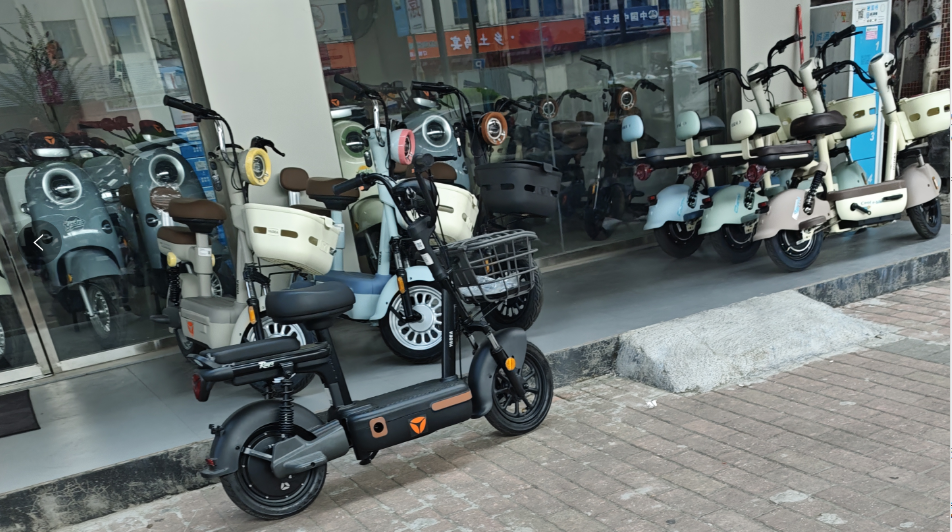
12月起禁售不符新国标电动自行车 广东发布提示
Guang Zhou Ri Bao· 2025-11-15 01:56
Core Points - The National Certification and Accreditation Administration has announced the cancellation of all valid CCC certification certificates based on the old standards by December 1, 2025 [1] - The Guangdong Provincial Market Supervision Administration has issued guidelines for sellers and consumers to comply with the new national standard for electric bicycles [1] Group 1: Sales Regulations - From December 1, 2025, the sale of electric bicycles that do not meet the new national standard and have not obtained the new CCC certification will be prohibited [1] - The deadline for selling old standard compliant products manufactured or imported before August 31, 2025, is November 30, 2025 [1] Group 2: Inventory Management - Sellers must strictly verify product compliance documents and new CCC certification during procurement to ensure products meet the required standards [1] - There is a transitional period until November 30, 2025, for managing old standard inventory to avoid losses from excess stock [1] Group 3: Quality and Safety Traceability - The implementation of "scan verification" will be promoted, utilizing platforms like "E-code" to establish a complete electronic ledger for procurement and sales [2] - Companies are encouraged to cooperate with market supervision departments for inspections and traceability investigations [2]
电动车“新国标”多重升级,守护百姓出行安全
Nan Fang Du Shi Bao· 2025-11-09 03:25
Core Viewpoint - The implementation of the new national standard for electric bicycles, regarded as the strictest to date, aims to enhance safety and quality in the industry, addressing significant safety concerns related to fire hazards and unauthorized modifications [1][18]. Industry Overview - The social ownership of electric bicycles in China has reached 380 million, with an average of one bicycle for every four people [1]. - The new standard, effective from September 1, 2025, has already begun to influence consumer behavior, with safety performance becoming the primary consideration for buyers [3][5]. Product Changes - The new standard imposes strict controls on the use of plastic materials, limiting it to 5.5% of the total vehicle weight, and mandates the use of fire-resistant materials for critical components [5][17]. - Enhanced fire safety measures are a key feature of the new standard, as 80% of electric bicycle fire-related deaths are attributed to toxic smoke [7][15]. Market Dynamics - The market is witnessing a shift as consumers increasingly prefer new standard-compliant models over older versions, driven by heightened safety awareness [9][22]. - The introduction of smart anti-theft and positioning features in new standard bicycles, such as built-in Beidou positioning systems, is attracting consumer interest [9][18]. Regulatory Environment - The new standard includes provisions for preventing unauthorized modifications, with a focus on technical safeguards that render modified bicycles inoperable [15][17]. - The industry is expected to undergo a "shakeout," with weaker companies likely to be eliminated, while those with robust production capabilities will thrive [18][20]. Transition Period - A transitional period has been established, allowing old standard bicycles to be sold until November 30, 2025, to facilitate market adaptation [20][22]. - Manufacturers are actively preparing for the transition, ensuring that they can meet the demand for new standard bicycles post-implementation [22]. Consumer Assurance - Companies are addressing consumer concerns regarding the maintenance and parts supply for older models, committing to provide service for at least five years [22].
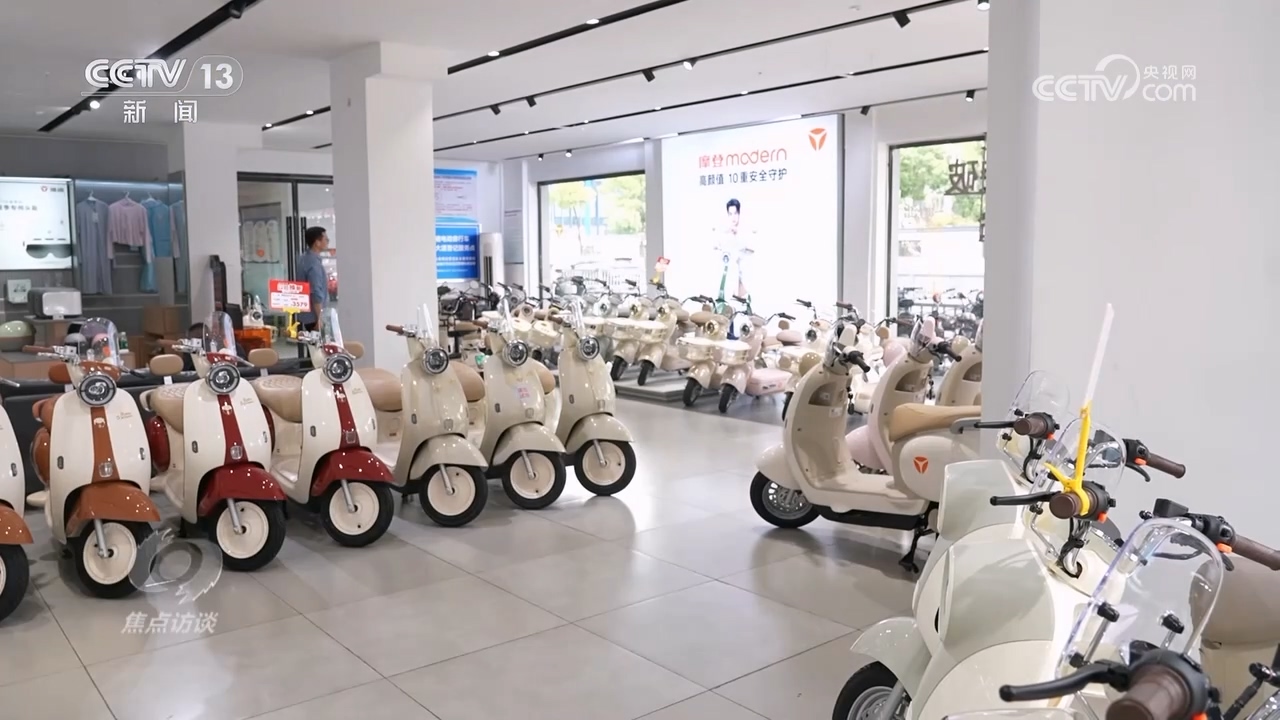
电动自行车新国标落地 企业与消费者在经历哪些变化?
Yang Shi Xin Wen· 2025-11-08 15:49
Core Viewpoint - The implementation of the new national standard for electric bicycles, regarded as the strictest to date, aims to enhance safety and quality in the industry, addressing rising concerns over accidents and fire hazards associated with electric bicycles [1][55]. Group 1: Industry Changes - The new standard mandates significant changes in materials and fire resistance, limiting plastic use to 5.5% of the total vehicle weight and requiring key components to be made from high flame-retardant materials [8][10]. - As of November 4, 2023, 99 companies have received mandatory product certification for 468 models compliant with the new standard, indicating a shift in production capabilities [46]. - The new regulations are expected to lead to a market "shakeout," where weaker companies may be eliminated, while those with R&D and production capabilities will thrive [42][55]. Group 2: Consumer Behavior - Consumers are increasingly prioritizing safety features when purchasing electric bicycles, with the new standard's enhanced fire safety and anti-theft measures becoming key selling points [3][16]. - The new standard includes advanced anti-theft technology, such as built-in Beidou positioning systems and mobile app monitoring, which were largely absent in older models [16][18]. Group 3: Regulatory and Compliance Aspects - The new standard introduces a tamper-proof design to prevent modifications that could increase speed beyond legal limits, addressing a significant safety concern [33][35]. - Enforcement measures are being strengthened, with authorities prepared to penalize businesses that engage in illegal modifications and users of modified bicycles [28][30][32]. Group 4: Transition Period and Market Adaptation - A transition period has been established, allowing old standard bicycles to be sold until November 30, 2025, to facilitate market adaptation [49][51]. - Companies are actively preparing for the transition, ensuring that they can meet the demand for new standard bicycles while continuing to support existing customers with old models [54][53].
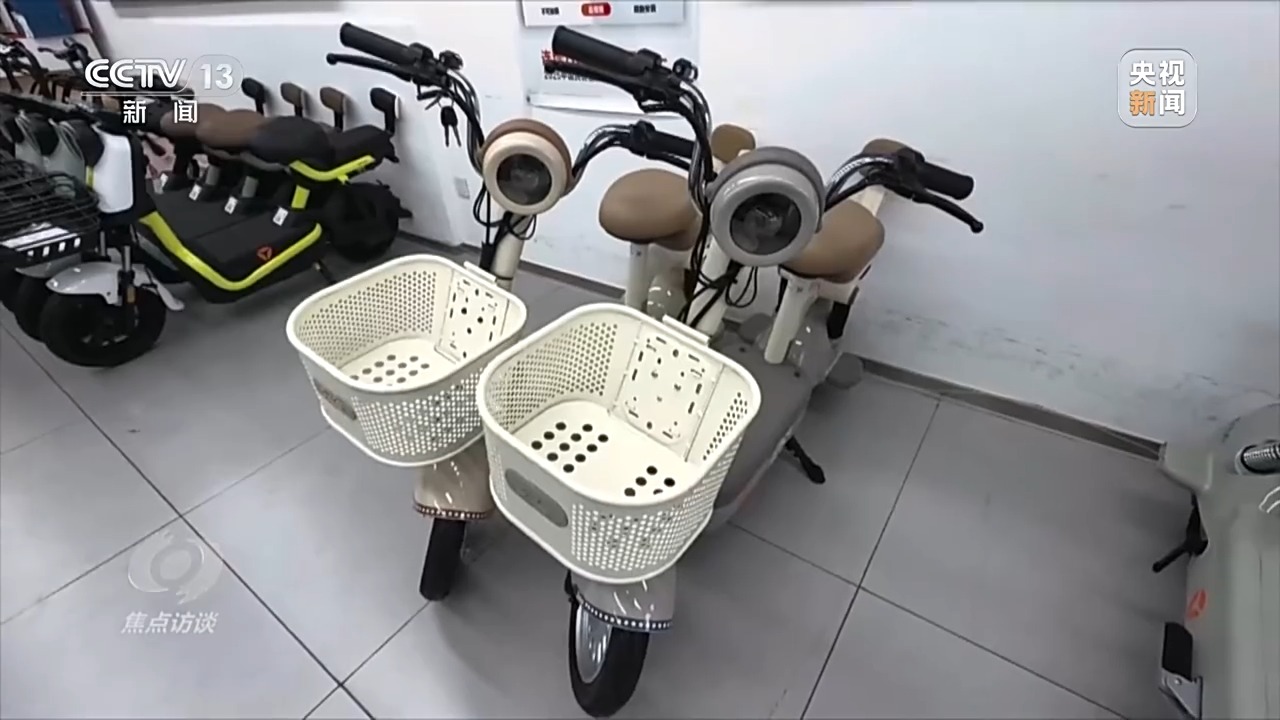
电动自行车新国标实施“前夜” 部分旧标车涨价去库存 新标车难觅踪影
Mei Ri Jing Ji Xin Wen· 2025-10-30 14:40
Core Insights - The prices of old national standard electric bicycles have increased by approximately 100 to 300 yuan, with inventory levels dwindling as the new national standard approaches implementation [1][2][4] - The new national standard, effective from December 1, 2025, prohibits the sale of electric bicycles that do not comply, leading to a rush among consumers to purchase old standard models before they are phased out [1][4] - There is a noticeable scarcity of new national standard models in the market, as manufacturers have halted production of old standard models and are controlling the release of new models to avoid impacting sales of existing inventory [4][5] Price Trends - Old national standard electric bicycles have seen price increases of 100 to 200 yuan, with some models no longer offering cash discounts [2][3] - As of October, inventory of old national standard models is rapidly depleting, with some stores reporting only a few units left [1][2] Market Dynamics - Dealers are focused on clearing old national standard inventory before the November 30 deadline, as they anticipate a seasonal slowdown in sales [3][5] - The transition to the new national standard presents both challenges and opportunities for manufacturers, requiring adjustments in production lines and compliance with new safety standards [6][7] Consumer Behavior - Many consumers are actively seeking old national standard models due to their higher speed capabilities, while others are willing to wait for the new national standard models for enhanced safety features [5][7] - The new national standard emphasizes safety, limiting maximum speeds to 25 km/h, which may deter some speed-oriented buyers [5][7] Industry Response - Companies are adapting to the new national standard by redesigning products and upgrading production processes to meet the new technical requirements [6][7] - Several brands, including Ninebot, Green Source, and Tailin, have already introduced models that comply with the new national standard, with more expected to launch starting December [7]
最后30多天倒计时:电动自行车旧国标车普涨100-300元去库存!有商家称“卖一辆少一辆,厂家已停产,想买的要抓紧”
Mei Ri Jing Ji Xin Wen· 2025-10-28 06:44
Core Insights - The electric bicycle market is experiencing a price increase for old national standard models as the deadline for compliance with the new national standard approaches, leading to a rush in consumer purchases [1][3][4] Price Trends - Prices for old national standard electric bicycles have risen by approximately 100 to 300 yuan since September 1, with some models no longer offering cash discounts [5][10] - Specific models, such as the 莱茵60V23A, have seen a price increase of around 200 yuan compared to the first half of the year [1] Inventory and Production - Inventory levels for old national standard models are critically low, with some stores reporting that they must clear their remaining stock by November 30, after which these models cannot be registered [4][5] - Manufacturers have ceased production of old national standard models, making existing stock a scarce resource [5][10] Market Dynamics - The transition to the new national standard, effective December 1, 2025, has created a unique market situation where old national standard models are in high demand, while new national standard models are not yet widely available [3][9] - Some dealers are hesitant to introduce new national standard models in bulk due to concerns about potential inventory accumulation of old models [9][10] Regulatory Changes - The new national standard imposes stricter safety and performance requirements, including a maximum speed limit of 25 km/h and limitations on the use of certain materials [10][12] - Compliance with the new standard requires significant adjustments in production lines and product designs, presenting both challenges and opportunities for manufacturers [10][12] Competitive Landscape - The focus of competition in the electric bicycle industry is shifting from price wars to a value-based competition centered on technology, safety, and intelligence [10][12] - Some companies are exploring sales opportunities in the electric motorcycle market, which is not subject to the same speed restrictions as electric bicycles [12]

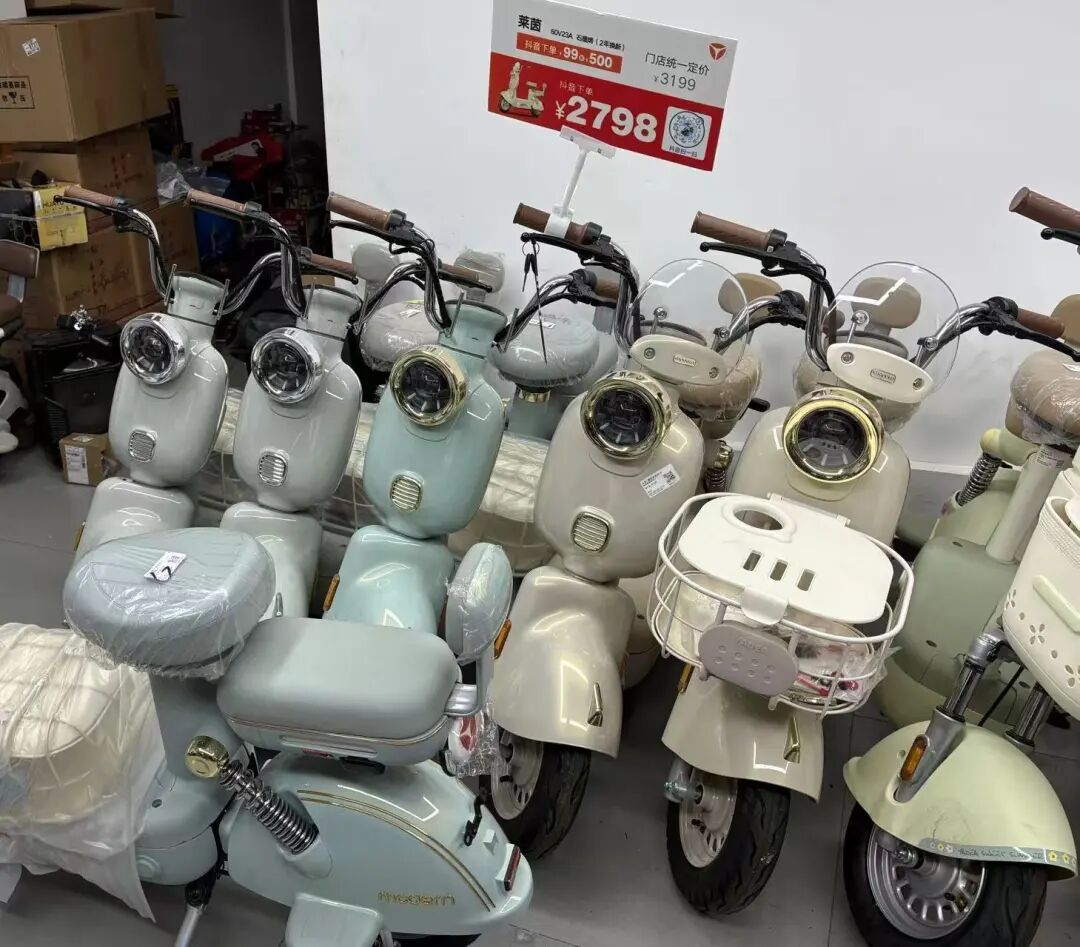
电动自行车新国标实施前夜:旧标车涨价去库存,新标车难觅踪影
Mei Ri Jing Ji Xin Wen· 2025-10-27 12:26
Core Insights - The electric bicycle market is experiencing a price increase for old national standard models as the deadline for compliance with the new national standard approaches, leading to a scarcity of inventory [1][2][3] - The new national standard (GB 17761-2024) will prohibit the sale of non-compliant electric bicycles starting December 1, 2025, prompting consumers to rush to purchase old models before they are phased out [1][2][3] - There is a noticeable absence of new national standard models in the market, with many dealers still holding onto old models due to production halts for the latter [3][4][5] Price Trends - Prices for old national standard electric bicycles have increased by approximately 100 to 300 yuan since September 1, 2023, with some models no longer offering cash discounts [2][3] - Dealers report that inventory of old national standard models is rapidly depleting, with some stores indicating they must clear their stock by November 30, 2023, as production of these models has ceased [2][3] Market Dynamics - The transition period between the old and new national standards has created a competitive environment where dealers and consumers are adjusting their strategies [3][4] - Some consumers are specifically seeking old national standard models due to their higher speed capabilities, while others are willing to wait for the new models for enhanced safety features [4][5] Industry Challenges and Opportunities - The new national standard presents both challenges and opportunities for electric bicycle manufacturers, requiring them to adapt their production lines and product designs to meet stricter safety and performance criteria [5][6] - Companies like Niu Electric are focusing on technological advancements and safety improvements in their new models, indicating a shift in competitive focus from price to technology and safety [6]
“最严”新国标下的电动自行车产业变局
新财富· 2025-10-16 08:06
Core Viewpoint - The new national standard for electric bicycles, set to be implemented on September 1, 2025, aims to enhance safety and performance while phasing out older models, with significant changes in weight limits, materials, and technical requirements [3][10]. Summary by Sections Changes in New National Standard - The weight limit for lithium battery electric bicycles remains at 55 kg, while the limit for lead-acid battery bicycles is increased to 63 kg, improving range and reducing charging frequency [5]. - The proportion of plastic materials in the overall weight of the bicycle is reduced to a maximum of 5.5%, enhancing fire resistance and safety, although this may affect the aesthetic design of bicycles [6]. - New anti-tampering requirements for battery packs, controllers, and speed limiters are introduced, making it technically more difficult to modify key parameters such as maximum speed [8]. - The requirement for mandatory pedal installation is removed for purely electric vehicles, while those with electric assist must still have pedal functionality [9]. - The introduction of BeiDou positioning and real-time communication for commercial electric bicycles is mandated, enhancing safety and tracking capabilities [6]. - Stricter regulations for manufacturers are established, requiring production capabilities that match the output of electric bicycles, which may lead to increased industry concentration and the exit of smaller brands [6][10]. Industry Impact and Historical Context - The electric bicycle industry has evolved from a fragmented market with low-quality products to a more concentrated and higher-quality market since the introduction of the 2018 national standard [12][14]. - The 2018 standard led to a significant increase in average prices and market concentration, with leading brands like Yadea and Aima increasing their market share from 30% to 52% between 2018 and 2021 [14]. - The upcoming 2025 standard is expected to further accelerate the exit of long-tail brands and enhance the efficiency of leading brands in sales channels [14]. - The dual impact of the new standard and trade-in policies in 2025 is anticipated to boost sales, although it may also lead to a demand pull-forward, potentially affecting future sales [16]. Brand Strategies and Market Dynamics - Brands like Niu and Ninebot have positioned themselves in the high-end market, with Niu launching premium products as early as 2015, while Ninebot capitalized on the 2018 standard to rapidly gain market share [17]. - Traditional brands are also focusing on high-end product development, with innovations in battery technology and smart features to meet evolving consumer demands [17].
25km/h限速,围住3.8亿电驴大军
第一财经· 2025-10-13 14:02
Core Viewpoint - The introduction of the new national standard for electric bicycles in China aims to enhance safety by enforcing a maximum speed limit of 25 km/h, yet the market continues to see widespread illegal modifications that allow for higher speeds, raising significant safety concerns [3][10][11]. Group 1: New National Standard Implementation - The new national standard, effective from September 1, 2025, mandates that electric bicycles must not exceed a speed of 25 km/h, with automatic power cut-off for violations [3][10]. - Despite the new regulations, many retailers continue to offer services to bypass the speed limit, allowing customers to modify their bicycles to reach speeds of 60 km/h or more [5][6]. - The demand for higher speeds among consumers, particularly in delivery services, has led to a culture of illegal modifications, which poses serious safety risks [6][10]. Group 2: Safety Concerns and Modification Techniques - Various methods for illegally modifying electric bicycles include removing speed limit chips and upgrading battery voltage, which can lead to severe safety hazards such as collisions and battery fires [6][8]. - The use of decoders to alter system parameters without triggering speed alerts has become a common practice, further complicating enforcement of the new standards [7][8]. - The new national standard includes specific anti-tampering requirements for battery packs, controllers, and speed limiters to mitigate these risks [8][12]. Group 3: Market Dynamics and Consumer Behavior - The transition to the new standard has resulted in increased manufacturing costs due to stricter safety and material requirements, leading to higher retail prices for compliant products [13][15]. - The "trade-in" policy for old electric bicycles has seen significant growth, with a reported 113.5% month-on-month increase in sales through this program in the first half of the year [14][15]. - However, recent announcements from several cities to pause the "trade-in" policy could negatively impact sales during the transition period between old and new standards [14][15]. Group 4: Future Outlook - Despite current challenges, the electric bicycle market in China is expected to continue growing, with estimates suggesting a potential increase in the number of electric bicycles to between 460 million and 510 million [15]. - The new standard is anticipated to accelerate technological upgrades and industry consolidation, pushing the market towards higher quality products [15].