
文化遗产保护

Search documents
“仁风景从——故宫博物院藏捐献文物展”今天开展
Yang Shi Xin Wen· 2025-10-17 01:52
Core Viewpoint - The "Ren Feng Jing Cong - Exhibition of Donated Cultural Relics from the Palace Museum" has opened at the Palace Museum, showcasing over 100 items donated by 100 donors, including notable figures like Zheng Zhenduo and Sun Yingzhou, with a variety of artifacts on display for one year [1][4]. Group 1 - The exhibition features a diverse range of artifacts including paintings, ceramics, inscriptions, jade, gold and silver items, and sculptures [1]. - The exhibition is structured around the theme "Seeing People, Seeing Objects, Seeing Spirit," divided into three units: "Remembering the Person, Honoring the Contribution, and Highlighting the Virtue," aiming to present the deeper significance and diverse value of donated cultural relics [4]. - The Palace Museum has received donations from over 800 individuals since 1945, totaling 35,000 items, and this exhibition marks the 10th themed exhibition on donated artifacts held at the Jingren Palace [7].

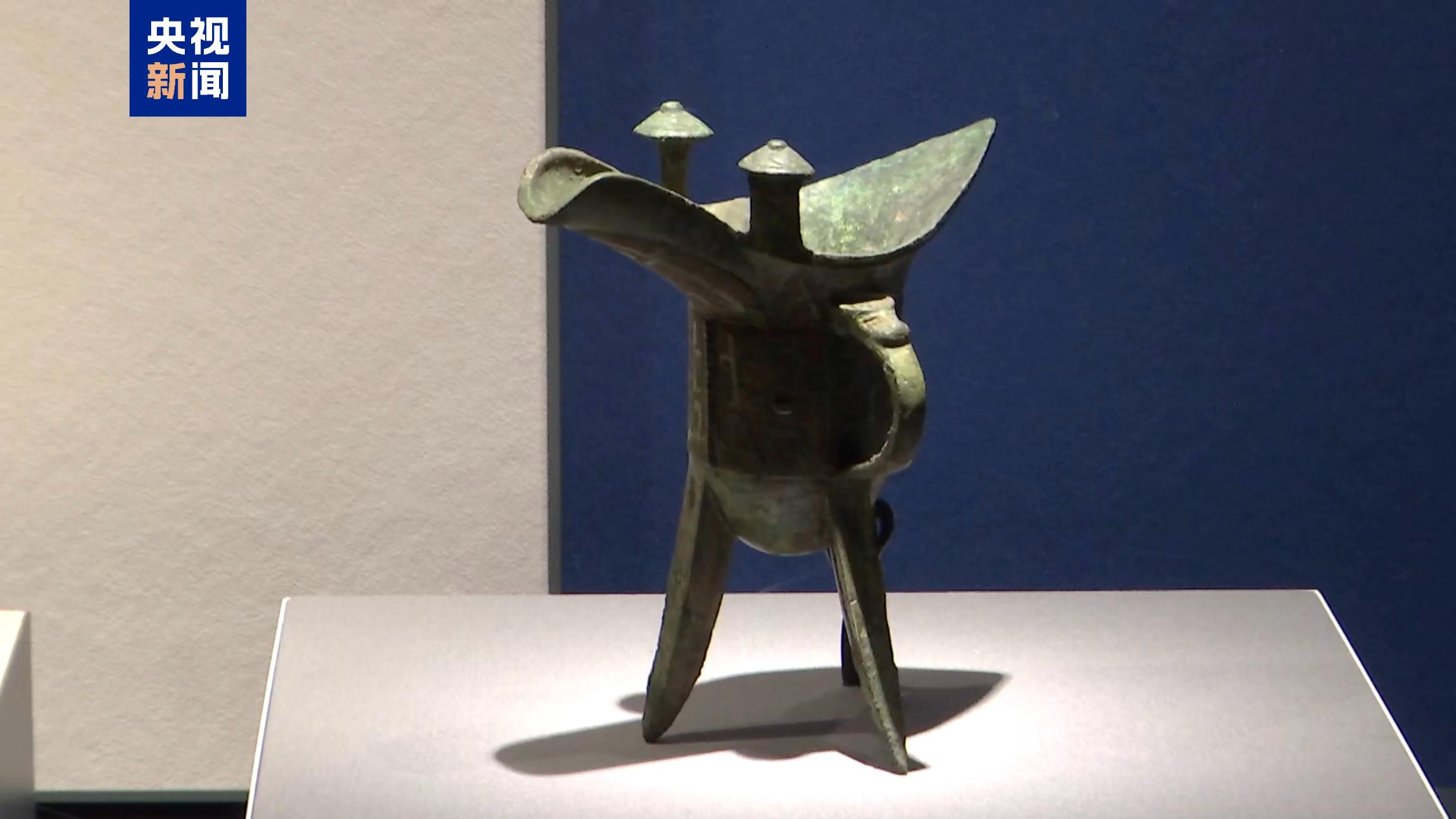
加强人文交流 传承文明瑰宝
Ren Min Ri Bao Hai Wai Ban· 2025-10-17 00:55
Core Points - The "World Mayors Dialogue: Dunhuang" event opened on October 13, 2023, in Dunhuang, Gansu Province, China, with participation from mayors and representatives from 10 countries, focusing on the theme of "Civilization Symphony and Harmony" [9][10][12] - The event emphasized the importance of cultural exchange and the role of heritage in fostering dialogue among civilizations, showcasing Dunhuang's unique cultural and historical significance [11][14] Group 1: Cultural Significance - Dunhuang is described as a "silent history book" and a "vibrant painting," representing the prosperity of the ancient Silk Road [9] - The event highlighted the contributions of historical figures like Marco Polo in bridging cultural exchanges between East and West [11] - The Dunhuang Mogao Caves are recognized as a spiritual and cultural monument of diverse civilizations, reflecting the open and inclusive spirit of Chinese civilization [14] Group 2: Environmental and Heritage Management - Dunhuang has implemented various ecological projects, such as the "Three North" project and desertification control, to protect its fragile environment and cultural heritage [12][13] - The annual sand accumulation in the Mogao Caves has been reduced by over 85%, with less than 300 cubic meters of sand entering the caves each year, showcasing effective heritage management [14] - International representatives praised China's commitment to cultural heritage protection and the innovative use of technology in preserving historical sites [14][15] Group 3: Future Collaboration and Learning - The event served as a platform for international mayors to share experiences and strategies for sustainable urban development and cultural heritage management [12][13] - Participants expressed a desire to learn from Dunhuang's successful practices in environmental management and cultural preservation [14][15] - The dialogue reinforced the idea that true civilization thrives on openness and mutual learning, which is essential in today's world [14]
看河南城市如何生长——写在省委城市工作会议召开之际
He Nan Ri Bao· 2025-10-16 23:43
Core Insights - The central urban work conference held in July 2023 outlines a new blueprint for building modern, innovative, livable, beautiful, resilient, civilized, and smart cities in the new era [1] - Henan province is shifting urban development from scale expansion to quality enhancement, resulting in vibrant and harmonious modern cities [1] Urban Development and Quality of Life - Henan's urbanization rate increased from 55.43% in 2020 to 59.22% in 2024, with 6,487 urban renewal projects implemented and an investment of 1,091.8 billion yuan [1] - The province focuses on the needs of key demographics, including the elderly and children, by improving community facilities and services [2] Housing and Community Services - Approximately 1.03 million public rental housing units have been collected, with 290,000 units of guaranteed rental housing and nearly 14,000 units of affordable housing under construction [3] - The province has renovated 15,100 old urban communities, benefiting 1.74 million households [2] Urban Infrastructure and Governance - By the end of 2024, the per capita urban road area is expected to reach 18.4 square meters, an increase of 7.32 square meters since 2012, with urban rail transit extending to 411.71 kilometers [4] - The province has doubled its urban sewage treatment capacity to 15.816 million tons per day since 2012 and has established 73 waste incineration facilities [4] Resilience and Safety - New rainwater drainage networks of 22,000 kilometers have been constructed, enhancing urban flood prevention capabilities [5] - The province has installed over 243,000 sensing devices to improve urban safety and emergency response [5] Cultural Heritage and Urban Identity - Henan emphasizes the protection and revitalization of cultural heritage in urban development, integrating new functions into historical areas [7] - The province has 8 national historical and cultural cities, 15 provincial-level cities, and numerous historical buildings that serve as carriers of traditional culture [7] Conclusion - The ongoing urban development in Henan is characterized by innovation, livability, beauty, resilience, civilization, and intelligence, reflecting a significant transformation in the region [8]
吉林高院出台“十二条具体措施”助力文化遗产保护
Zhong Guo Xin Wen Wang· 2025-10-16 10:55
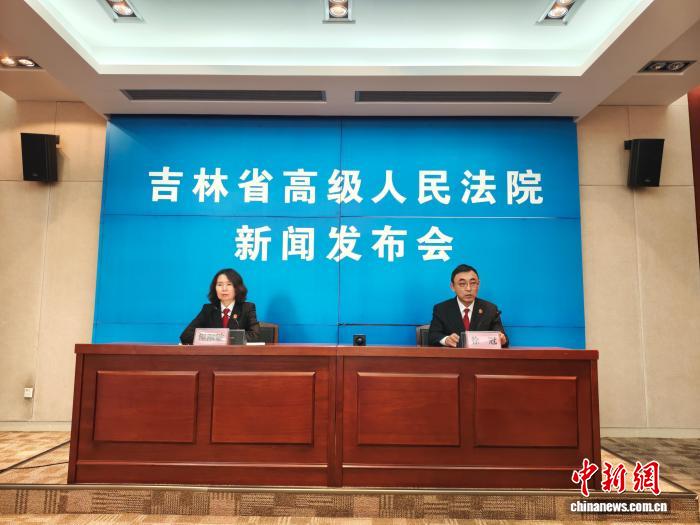
吉林高院出台"十二条具体措施"助力文化遗产保护 中新网长春10月16日电 (金乔)吉林省高级人民法院16日召开新闻发布会,向社会发布《关于加强文化遗 产保护的具体措施》(以下简称《措施》)。 编辑:熊思怡 广告等商务合作,请点击这里 吉林省高级人民法院16日召开新闻发布会,向社会发布《关于加强文化遗产保护的具体措施》。金 乔 摄 温淑敏介绍,《措施》还提出创新文化遗产协同保护方式方法。打破信息壁垒,创新构建案件监测预警 机制,统筹协调有关单位和部门,建立健全涉文化遗产案件线索的流转、移送与通报制度,实现对风险 线索的敏锐感知和快速响应。 同时,吉林高院还积极探索司法机关与行政机关的数据协同应用机制,实现优势互补和资源共享,推动 电子证据材料的规范流转以保证其真实性与完整性,以科技赋能提升办案质效,促进不同法院、不同审 判部门之间的信息共享,凝聚起保护文化遗产的最强合力。(完) 来源:中国新闻网 吉林省文化遗产资源丰富,类型多样、底蕴深厚。吉林高院在充分调研的基础上,认真借鉴经验做法, 紧密结合审判实际,提出了12条具体措施。 吉林高院专职审判委员会委员温淑敏介绍,《措施》明确了文化遗产司法保护范围与重点。聚焦 ...
守护一脉文渊 续写百年辉煌
Xin Hua She· 2025-10-11 08:46
Core Insights - The Palace Museum, celebrating its 100th anniversary, represents a significant milestone in China's cultural heritage sector, housing 1.95 million cultural relics and witnessing the nation's historical transformations over centuries [1] - The museum has evolved into a modern institution, attracting millions of visitors annually and offering a wide range of cultural products, while also emphasizing the importance of cultural heritage preservation and innovation [1][2] Group 1 - The Palace Museum is a historical and cultural symbol, with its architecture dating back over 600 years and serving as a witness to major events in Chinese history [1] - The museum has the world's largest "cultural relic hospital," showcasing its commitment to the preservation and restoration of artifacts [1] - The museum's role in the cultural renaissance of the Chinese nation is highlighted, emphasizing the need to inherit and protect cultural heritage [1][2] Group 2 - The museum promotes the idea of cultural confidence and the importance of integrating cultural heritage into modern life, ensuring the safety of relics while enhancing exhibition capabilities [2] - The narrative of the museum includes stories of resilience and dedication from its guardians, reflecting a deep national sentiment towards cultural preservation [2] - The Palace Museum aims to be a model for global cultural heritage protection, contributing wisdom and strength to the construction of a culturally strong nation [3]
第三届良渚论坛10月18日启幕
Mei Ri Shang Bao· 2025-10-11 02:03
Core Points - The third Liangzhu Forum will be held from October 18 to 20 in Hangzhou, focusing on the theme "Civilization Reillumination: Cultural Heritage and Human Cultural Diversity" [1] - Approximately 400 participants, including leaders from the Ministry of Culture and Tourism, the National Cultural Heritage Administration, and representatives from UNESCO and the UN World Tourism Organization, will attend the opening ceremony [1] - The forum will feature four sub-forums and six supporting activities, with prominent experts and scholars from around the world delivering keynote speeches [1][3] Sub-Forum Summaries - Sub-Forum 1: "Civilization Roots: Historical Wisdom and Contemporary Value of Ancient Civilizations" will focus on comparative studies of world civilizations and deepen the understanding of the origins and early development of Chinese civilization [1] - Sub-Forum 2: "Practical Innovation: Site Archaeology, Major Site Protection, and Urban-Rural Coordinated Development" will share archaeological achievements and explore new paths and models for major site protection [1] - Sub-Forum 3: "Passing the Torch: Museum Function Expansion and Cultural Relics Activation" will discuss innovative paths for museums in promoting mutual understanding and sustainable development, particularly along the Belt and Road [1] - Sub-Forum 4: "Civilization Future: World Cultural Heritage and New Forms of Human Civilization" will delve into the protection, inheritance, and utilization of world heritage, emphasizing the importance of cultural exchange [1] Supporting Activities - The forum will host six supporting activities, including an international academic seminar on "Chinese Ancient Painting Art's Aesthetic Connotation and Civilization Transmission" and a themed exhibition on Song Dynasty painting [2] - The "Liangzhu Light" concert will feature a collaboration between the Philadelphia Orchestra and the Zhejiang Symphony Orchestra [2] - The China (Hangzhou) Art and Technology International Biennale will present the reconstruction trajectory of cultural ecology amid technological iterations [2] - A calligraphy art exhibition highlighting the Belt and Road cooperation theme will showcase artworks from China and the UAE [2] International Collaboration - The forum aims to enhance international influence through deep cooperation with UNESCO and the UN World Tourism Organization, inviting nearly 100 guests from around 60 countries, including renowned experts and scholars [3] - The event will showcase Zhejiang's cultural achievements and integrate "culture + technology," "culture + tourism," and "culture + livelihood" themes [3]
百岁故宫博物院 历经沧桑更青春
Ren Min Wang· 2025-10-11 00:06
Core Insights - The Palace Museum is celebrating its centenary in 2025, marking a transition from a royal palace to a "people's museum" over the past century [2] - The museum is enhancing its exhibitions and cultural outreach, showcasing its rich history and cultural heritage through various events and displays [3][4][6] Group 1: Exhibitions and Cultural Heritage - The exhibition "Heavenly Craftsmanship" at the Ning Shou Palace Garden highlights the restoration techniques and craftsmanship used in the garden's preservation [3] - The major exhibition "A Century of Guardianship" presents the development of the museum over the past hundred years, focusing on the theme of "guardianship" [3] - The "Palace Museum Artifacts Southward Migration" exhibition commemorates the efforts to protect cultural treasures during wartime, featuring over 100 documents and artifacts [4] Group 2: Expansion and Accessibility - The museum's open area has significantly increased, allowing more visitors to experience the vast collection of over 1.95 million artifacts [6] - The North Courtyard of the museum is under development, which will include 12 modern exhibition halls, improving the conditions for displaying artifacts [6] Group 3: Cultural Exchange and Innovation - The Hong Kong Palace Museum serves as a platform for cultural exchange, attracting over 3.4 million visitors since its opening in June 2022 [7] - The museum is actively engaging with global cultural sectors to enhance mutual understanding and appreciation of civilizations [7] Group 4: Youth Engagement and Digital Innovation - The Palace Museum has developed over 3,000 cultural and creative products, with many items frequently sold out due to high demand [9] - The introduction of AR technology in products like the 2026 Palace Calendar allows for interactive experiences, appealing to younger audiences [9] - Various cultural programs and performances, such as "I Repair Cultural Relics in the Palace Museum," have been successful in attracting younger viewers [9]
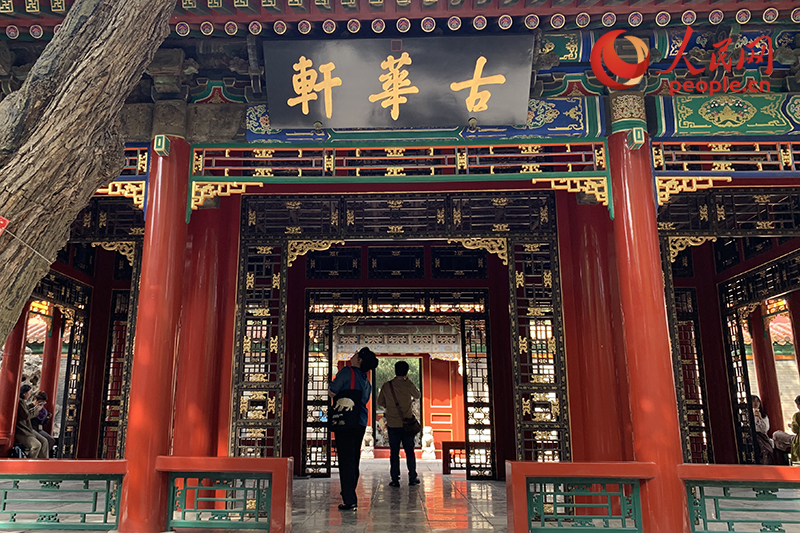
新华时评|守护一脉文渊 续写百年辉煌
Xin Hua She· 2025-10-10 10:52
Core Viewpoint - The Palace Museum, celebrating its 100th anniversary, represents a significant milestone in China's cultural heritage, showcasing the evolution of Chinese civilization and its commitment to cultural preservation and innovation [1][2][3]. Group 1: Historical Significance - The Palace Museum houses 1.95 million cultural relics, reflecting thousands of years of Chinese history and culture [1]. - It has witnessed pivotal moments in Chinese history, including the Anti-Japanese War and the founding of the People's Republic of China, symbolizing the nation's journey towards strength and prosperity [1]. Group 2: Cultural Heritage and Preservation - Emphasis on the importance of protecting the authenticity, integrity, and continuity of cultural relics within the museum [2]. - The museum aims to deepen research and interpretation of its artifacts, highlighting the philosophical and humanistic values embedded in them [2]. Group 3: Modern Integration and Innovation - The Palace Museum is evolving into a "living" museum that integrates traditional and modern elements, enhancing its exhibition capabilities and introducing innovative display formats [3]. - There is a focus on promoting cultural heritage in contemporary life while ensuring the safety of the artifacts [2].
故宫博物院建院100周年座谈会举行 李书磊出席并讲话
Xin Hua Wang· 2025-10-10 09:56
Core Viewpoint - The 100th anniversary of the Palace Museum highlights its significance as a unique symbol of historical China and an important marker of Chinese civilization, emphasizing the need for cultural heritage protection and transmission in the context of national rejuvenation [1][2] Group 1: Cultural Significance - The Palace Museum is recognized as a unique symbol of historical China and an important marker of Chinese civilization, with a rich cultural heritage [1] - The museum has evolved alongside significant social changes in modern China, marking a century of cultural preservation and innovation [1] Group 2: Responsibilities and Actions - There is a collective responsibility to strengthen the protection and transmission of cultural heritage, which is seen as a historical duty for the current generation [1] - Emphasis on learning and practicing Xi Jinping's cultural thought to enhance cultural confidence and sentiment [1] - The need to prioritize protection, enhance the display and communication of cultural values, and improve operational management for sustainable development [1] Group 3: International Cooperation and Talent Development - The importance of deepening international cooperation to facilitate mutual learning between Chinese and foreign civilizations [1] - The necessity to cultivate academic talent to solidify the foundation for the development of cultural heritage initiatives [1]
沈阳文化遗产保护“五进”活动启动
Liao Ning Ri Bao· 2025-10-10 02:30
Core Viewpoint - The launch of the "Five Advances" cultural heritage protection initiative in Shenyang aims to enhance public awareness and participation in the preservation of cultural heritage through various community-focused activities [1]. Group 1: Initiative Overview - Shenyang has selected 100 cultural heritage protection advocates from 106 cultural venues to promote awareness in government agencies, enterprises, communities, villages, and schools [1]. - The initiative is themed "Urban Heritage Protection: We Are in Action," focusing on systematic protection and transmission of cultural heritage to enrich community cultural life and enhance social civilization [1]. Group 2: Activities and Engagement - The city will organize lectures, exhibitions, site visits, and interactive activities to increase public knowledge and participation in cultural heritage protection [1]. - Volunteer teams, including cultural heritage protection volunteers, youth speakers, and heritage observers, will be established to foster a collaborative environment for cultural heritage protection [1]. Group 3: Research and Findings - The results of the fourth national cultural relics census and the "Anti-Japanese War Memory Tour" themed tourism route were released, indicating that Shenyang has re-evaluated and updated information on 1,530 immovable cultural relics from the third national census [1].