
转型金融

Search documents
“两山”理念 国寿答卷 | 中国人寿绿色保险上半年提供风险保障超8.6万亿元
Zhong Jin Zai Xian· 2025-08-15 04:38
Core Viewpoint - The "Two Mountains" concept, proposed 20 years ago, emphasizes the relationship between economic development and ecological protection, showcasing its enduring value in guiding China's ecological civilization construction [1] Group 1: Green Finance Initiatives - China Life has actively implemented the "Two Mountains" concept by expanding green finance products and services, contributing to high-quality development and the construction of a beautiful China [1] - In Anji County, China Life's subsidiary Guangfa Bank provided a loan of 200 million yuan for bamboo industry upgrades and carbon sink projects, while also offering insurance services for forestry [2] - Guangfa Bank's green credit balance exceeded 210 billion yuan by mid-2025, supporting over 50 carbon reduction projects nationwide [2][3] Group 2: Innovative Insurance Products - China Life Property Insurance has developed various insurance products focusing on environmental protection, including pollution liability insurance and biodiversity protection insurance, achieving full coverage for carbon sink insurance across ecosystems [3] - By mid-2025, the green insurance provided by China Life Property Insurance offered risk coverage of approximately 86.4 trillion yuan [3] Group 3: Investment in Clean Energy - China Life has invested significantly in clean energy sectors, including hydropower, wind, and solar energy, with a strategic investment of 5 billion yuan to enhance hydropower capacity and support clean energy projects [5] - The investment is expected to reduce carbon emissions by nearly 37 million tons annually, marking it as the first certified green equity investment plan in the industry [5] Group 4: Support for Green Transformation - China Life has developed financial solutions to support companies transitioning from high carbon to low carbon emissions, exemplified by a financing plan for a leading glass manufacturer that links financing costs to emission reduction targets [6] - The innovative financing mechanism encourages companies to achieve their carbon reduction goals while benefiting from lower financing costs [6] Group 5: Promoting Green Consumption - China Life has introduced green insurance products that incentivize environmentally friendly choices, such as discounts for using remanufactured parts in vehicle repairs [8] - Guangfa Bank has launched a comprehensive automotive financial service plan to promote green consumption, with auto loans increasing by over 26% in the first half of 2025 [8] Group 6: Digital Transformation in Green Finance - China Life is integrating digital finance into its green initiatives, offering various online platforms for customers to access insurance services efficiently [9] - By mid-2025, the company processed over 3.91 million claims, with a significant portion handled through digital channels, enhancing customer experience and operational efficiency [9] Group 7: Commitment to Sustainable Development - China Life is committed to supporting ecological protection and sustainable development through its "333 strategy," aiming to enhance its capacity to facilitate green transformation in industries [10] - The company emphasizes the importance of financial support for ecological civilization and aims to contribute to harmonious coexistence between humans and nature [10]

江西九江:金融发力推进长江经济带高质量发展
Jin Rong Shi Bao· 2025-08-15 02:33
Group 1: Core Perspectives - The Yangtze River Economic Belt is a significant national strategy focusing on ecological protection and sustainable development, emphasizing "big protection, not big development" [1][3] - Jiujiang, as a key city in the Yangtze River Economic Belt, has made substantial progress in ecological protection and green development, leveraging innovative financial tools and technology [1][2] Group 2: Financial Support and Innovation - The local financial system in Jiujiang is committed to supporting the Yangtze River Economic Belt by prioritizing ecological protection and green development, avoiding one-size-fits-all approaches [3][4] - Jiujiang's financial institutions have implemented a multi-layered policy framework to facilitate green finance, with green loan balances reaching 99.015 billion yuan, a year-on-year increase of 23.25% [4] Group 3: Environmental Restoration and Impact - Jiujiang has invested 19.37 billion yuan in water environment governance, achieving over 80% reduction in pollution indicators and maintaining Class II water quality for seven consecutive years [6][7] - The establishment of the Jiangping Bay (Lukou) aquatic biological protection base has led to an increase in the population of endangered species like the Yangtze River dolphin from 800 to 1,249 [2] Group 4: Green Energy and Low-Carbon Development - The "Zero Carbon Island" project in Jiujiang, utilizing wind power, is expected to save 96,000 tons of standard coal annually and reduce carbon emissions by 240,000 tons [8] - Financial support for industrial transformation includes the introduction of "carbon effect loans," linking loan pricing to companies' carbon reduction performance, with 535 million yuan issued by the end of 2024 [9] Group 5: Market Mechanisms for Ecological Value - The introduction of pollution rights as collateral for loans has enabled companies to convert environmental capacity into financial assets, promoting a market-oriented approach to ecological resource management [10][11] - A biodiversity protection-linked loan of 500 million yuan was issued, with interest rates adjusted based on the achievement of specific environmental goals [12] Group 6: Overall Economic and Environmental Transformation - The financial support initiatives have led to significant improvements in Jiujiang's ecological environment and industrial practices, fostering a culture of proactive environmental management among companies [13] - The transition from passive compliance to active efficiency in pollution reduction is seen as an opportunity for financial institutions to enhance their service quality and support sustainable industrial growth [13]
金融见证千里江山的绿色蝶变
Jin Rong Shi Bao· 2025-08-15 01:24
Core Viewpoint - The article emphasizes the significant role of the banking sector in supporting China's green transformation and ecological civilization through various financial initiatives and products aimed at promoting sustainable development and carbon reduction efforts [1][2][4]. Group 1: Green Finance Initiatives - The banking sector, guided by Xi Jinping's ecological civilization thought, has actively supported the green transformation of the economy, contributing to the construction of a beautiful China [1]. - As of June 2023, the balance of green loans in China reached 42.39 trillion yuan, reflecting a growth of 14.4% since the beginning of the year [2]. - The issuance of 6 billion yuan in green sovereign bonds in April 2023 marked a milestone for China, enhancing international green financing channels and cooperation [3]. Group 2: Transition Finance Development - Transition finance has emerged to support traditional high-energy-consuming industries in reducing emissions, with banks focusing on meeting the funding needs of these sectors [4]. - A new aluminum production facility in Huzhou is expected to reduce carbon emissions intensity by over 15% by 2024, supported by 130 million yuan in transition loans from Agricultural Bank of China [4]. - By May 2025, pilot regions are expected to see approximately 55 billion yuan in transition loans, with multiple banks offering transition bonds and loans [6]. Group 3: Carbon Reduction Support - The People's Bank of China established carbon reduction support tools in 2021 to facilitate financial backing for carbon reduction and green expansion initiatives [7]. - Shanghai Bank received funding from the carbon reduction support tool for a low-carbon transition project, enabling it to provide lower-cost financing to enterprises [7]. - A novel initiative in Wuhan allows citizens to accumulate carbon reduction credits through eco-friendly actions, which can be used to offset loan interest, demonstrating innovative approaches to encourage low-carbon behavior [8].
央行召开会议分析当前经济金融形势,部署2022年重点研究任务
Xin Hua Wang· 2025-08-12 06:28
会议要求,研究系统要进一步提高政治站位,不断改进文风、学风、作风,大力加强人才队伍建 设,持续强化上下、内外联动,全面提升科学履职的能力和水平,以实际行动迎接党的二十大胜利召 开。 【纠错】 【责任编辑:柴峥】 会议认为,2021年人民银行研究系统认真贯彻落实党中央、国务院决策部署,按照行党委工作要 求,坚持和弘扬"研究立行"的工作理念和优良传统,紧紧围绕服务实体经济、防控金融风险、深化金融 改革三项任务以及全行中心工作,扎实开展政策研究和理论研究,有序推进绿色金融和转型金融、区域 金融改革、普惠金融、"十四五"金融发展规划编制等重点工作,取得了显著成绩。 会议指出,2022年人民银行研究系统要充分认识国内外环境深刻变化对研究工作提出的新要求和新 挑战,勇挑重担,积极作为。要以服务稳增长和防风险为重点,强化重大基础性、前瞻性问题研究。要 以支持绿色低碳发展为主线,继续深化转型金融研究,实现绿色金融与转型金融的有序有效衔接,形成 具有可操作性的政策举措。要以新发展理念为指导,注重绿色金融、普惠金融、科创金融的融合发展, 切实推动改革政策落地落实,不断深化区域金融改革各项工作。要以党史学习教育常态化、长效化为契 ...
灵活运用多种货币政策工具 加大对实体经济支持
Xin Hua Wang· 2025-08-12 06:27
会议指出,发展可持续金融对于推动绿色和包容的经济复苏、实现可持续发展具有重要意义。各方肯定 了G20可持续金融工作组的工作进展,期待继续推进制定转型金融政策框架、促进发展中国家绿色融资 等重点工作,并落实《G20可持续金融路线图》。 【纠错】 【责任编辑:刘睿祎】 会议认为,当前全球经济面临疫情反弹、通胀压力上升、地缘局势紧张等多方面挑战,复苏动能放缓。 部分成员关注地缘局势对能源、粮食等的供应和价格的影响。部分成员强调主要发达经济体退出支持性 政策时应稳妥调整、做好沟通,避免产生负面溢出效应。各方同意,G20作为全球经济协调的主要平 台,应维护多边合作,在继续应对疫情等的冲击的同时,采取措施应对全球经济面临的新风险。 各方重申将继续支持低收入国家应对疫情等对经济的冲击。会议欢迎国际货币基金组织(IMF)使用相 关国家自愿转借的特别提款权设立韧性与可持续性信托(RST),期待RST在今年10月全面运作,为有 需要的国家提供长期资金支持。各方支持继续以及时、有序、协调的方式,在个案基础上落实好关于债 务处置的共同框架。各方同意加强以IMF为中心的全球金融安全网,推动按期在2023年12月15日前完成 IMF第1 ...
湖州银行精准助力企业低碳化转型,全力推进转型金融发展
Xin Hua Wang· 2025-08-12 06:26
Core Viewpoint - The issuance of a 53 million yuan loan by Huzhou Bank to a textile dyeing company marks a significant step towards promoting energy-saving and low-carbon transformation in traditional industries [1][3]. Group 1: Loan Details - Huzhou Bank provided a loan of 53 million yuan for the "green transformation of production methods" aimed at reducing pollution emissions and energy consumption during the manufacturing process [1]. - The project is part of the first batch of industrial enterprises' green (low-carbon) transformation demonstration projects in Changxing County for 2021 [3]. Group 2: Project Components - The project includes upgrading existing factory buildings, creating digital and intelligent dyeing equipment, replacing old dyeing machines, and establishing a digital management platform [3]. - It also involves the construction of a distributed photovoltaic power generation project on the factory roof, which is expected to reduce carbon dioxide emissions by over 600 tons annually once completed [3]. Group 3: Strategic Importance - The textile dyeing industry holds a significant position in the industrial structure of Changxing County, making the green low-carbon transformation crucial for achieving the "dual carbon" goals [3]. - The loan represents a successful exploration of integrating corporate transformation, environmental benefits, and green finance, reflecting Huzhou Bank's commitment to social responsibility in green banking [3]. Group 4: Future Plans - Huzhou Bank has developed a specialized implementation plan for transformation finance, elevating the initiative to a strategic level within the bank [4]. - The bank aims to innovate transformation financial products and services, build an open cooperation ecosystem, and deepen digital transformation to contribute more significantly to local industrial low-carbon transitions [4].

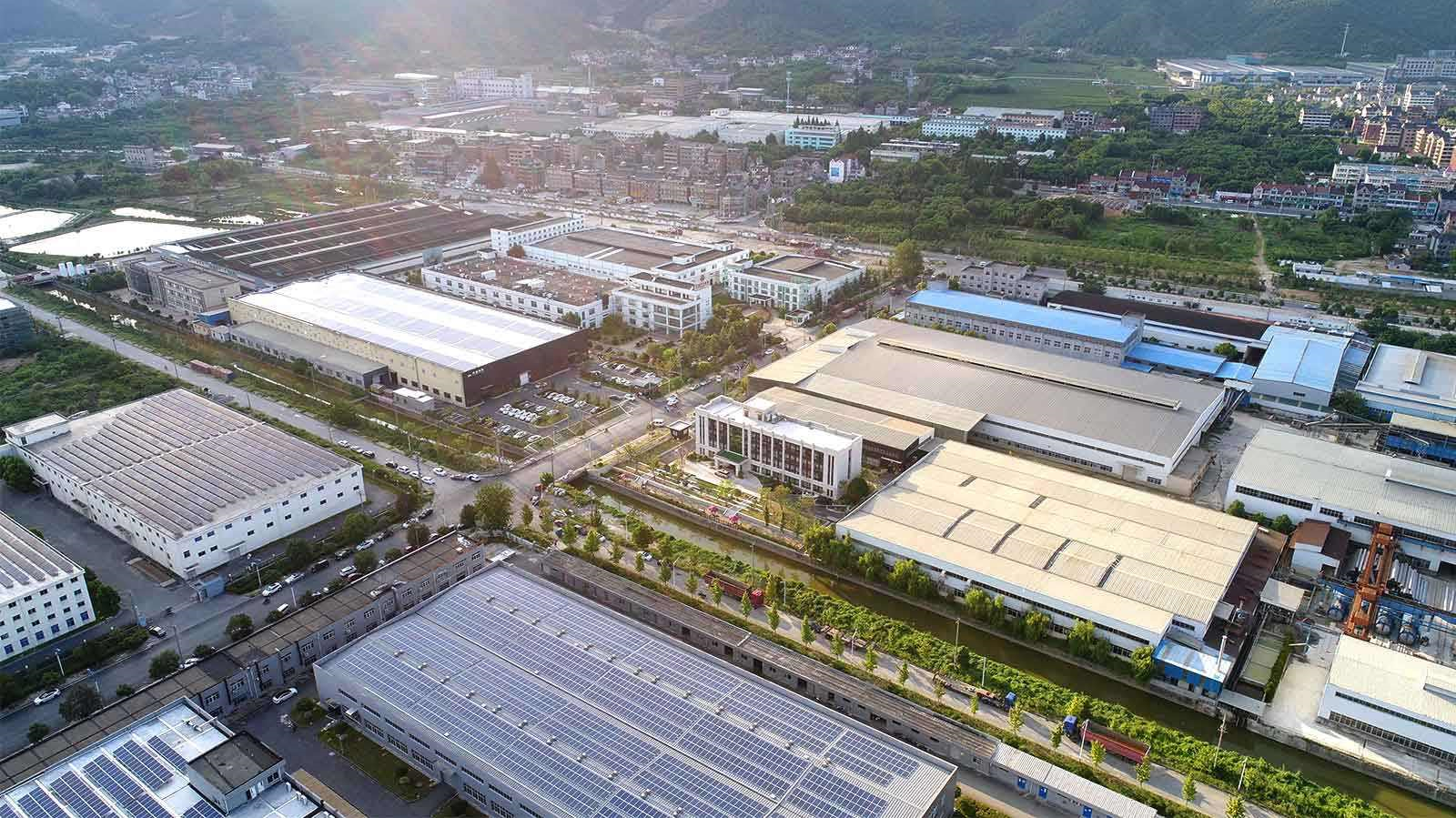
抓住低碳市场机遇,丰富相关产品和服务——绿色金融正扬帆
Xin Hua Wang· 2025-08-12 06:25
Core Viewpoint - Under the guidance of carbon peak and carbon neutrality policy goals, ESG (Environmental, Social, and Governance) has become a "must-answer question" for financial institutions, with banks increasingly focusing on green finance to promote the real economy [1] ESG Disclosure - State-owned large banks have released more comprehensive and standardized ESG reports this year, with six major state-owned banks publishing their 2021 annual and ESG reports during the reporting season [1] - Bank of China has published its ESG report for the 15th consecutive year, including 146 ESG evaluation indicators, an increase of 54 from the previous year [2] - China Construction Bank has also been active in social responsibility reporting, achieving positive results in poverty alleviation and supporting small and micro enterprises [2] - Agricultural Bank of China has established a strategic planning and sustainable development committee to enhance its green finance business [3] - Industrial and Commercial Bank of China has focused on supporting green low-carbon industries and has implemented an environmental risk management system [3] - Many city commercial banks and rural commercial banks have also begun to release their first ESG reports, indicating a growing emphasis on ESG practices across the banking sector [4] Green Product Innovation - State-owned banks have made significant progress in diversifying green financial products and services, with Bank of China launching over 40 green financial products across 15 areas [5] - Innovative credit products like renewable energy subsidy loans have been introduced, with China Construction Bank successfully providing a low-cost green loan to a renewable energy company [6] - Agricultural Bank of China has launched a carbon service system, becoming the first major commercial bank to connect with the national carbon trading system [6] - The issuance of green financial bonds has also seen significant growth, with Industrial and Commercial Bank of China issuing the first carbon-neutral green financial bond in the domestic market [7] Transition Finance - Despite the growth of green financial products, there remains a gap between supply and investor demand, particularly for renewable energy and low-carbon transportation investments [9] - Transition finance is emerging as a key area of focus, with banks encouraged to support high-carbon industries in their transition to greener practices [9][10] - The establishment of a unified regulatory framework for green finance is deemed essential for attracting mature investors and products to the market [11]
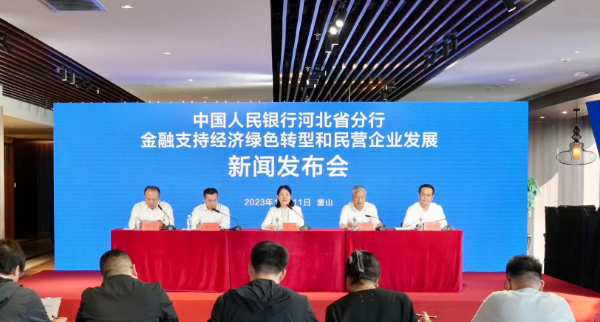
人民银行唐山市分行王宁:立足实际 统筹推进绿色金融与转型金融的协同发展
Xin Hua Wang· 2025-08-12 06:14
Core Viewpoint - The People's Bank of China (PBOC) is focusing on supporting the green transition and the development of private enterprises in Tangshan, a resource-based industrial city, by promoting the effective integration of green finance and transition finance [1][3]. Group 1: Transition Finance - Transition finance is aimed at supporting high-carbon industries in their low-carbon transformation, contrasting with green finance which primarily serves "pure green" economic activities [3]. - The PBOC is actively researching standards for transition finance, initially covering four sectors: coal power, steel, construction materials, and agriculture, with plans to establish a clear support framework and disclosure requirements for transition plans [3][5]. Group 2: Financial Support Strategies - The PBOC will leverage policy tools to guide credit allocation towards green transition projects, prioritizing discount policies for green industry and carbon reduction enterprises [5]. - There is an emphasis on exploring innovative financial products and services tailored for high-emission industries, encouraging financial institutions to support quality enterprises in their technological upgrades and energy-saving initiatives [5]. - The PBOC aims to facilitate connections between banks and enterprises to address financing challenges faced by high-carbon industries in their transition efforts, implementing a tailored approach for each enterprise [5][6]. Group 3: Future Directions - The PBOC in Tangshan plans to focus on the city's green transition tasks, utilizing the "green finance reform and innovation pilot zone" to guide financial institutions in achieving green development and the dual carbon goals [6].
转型金融赋能化工产业绿色蝶变
Jin Rong Shi Bao· 2025-08-12 02:34
Group 1: Core Insights - Chongqing's Changshou District is a significant chemical industry base in Western China, facing financing challenges due to its "high energy consumption, high pollution" label during the green transition [1] - The People's Bank of China (PBOC) Changshou Branch is actively promoting transformation finance to support the local chemical industry's green transformation through policy guidance and product innovation [2] Group 2: Policy Standards - In 2024, the Central Committee of the Communist Party of China and the State Council issued guidelines for accelerating the green transformation of the economy, emphasizing the need for transformation finance standards [2] - The PBOC Changshou Branch has developed transformation finance standards for the organic chemical raw materials manufacturing industry, collaborating with local environmental departments and financial institutions [2] Group 3: Activation of Green Development - Chongqing Xinxin Fine Chemical Co., Ltd. faced financing difficulties for process improvements but received a tailored financial support plan from local banks, securing a credit of 120 million yuan and a carbon-linked transformation loan of 31 million yuan [3] - The company can save approximately 300,000 yuan annually in financial costs by achieving carbon reduction targets and benefiting from interest rate discounts [3] Group 4: Financial Support for Transformation - Changfeng Chemical Industry Co., Ltd., the world's largest benzophenone producer, received a 10 million yuan transformation credit loan linked to its carbon account, facilitating its green transformation efforts [4] - The company has reduced carbon emissions by 2,000 tons annually and saved 330,000 yuan in wastewater treatment costs through technological upgrades [4] Group 5: Industry Green Revitalization - Chongqing Enliji Investment Co., Ltd. faced challenges in upgrading its high-energy gas boiler system but successfully obtained a 35 million yuan transformation loan to initiate the project [6] - The project not only significantly reduced carbon emissions but also improved energy utilization and met the energy demands of the industrial park [6] Group 6: Transformation Finance Impact - As of June 2025, a total of 279 million yuan in transformation loans have been issued in the region, with green loan balances increasing at a rate of over 20% [6] - More chemical companies in the Changshou District are transitioning towards a low-carbon future, shedding their "gray-black" image for a "green" one [6]
“两山”转化 绿富共兴 访中国人民银行浙江省分行党委书记、行长刘玉苓
Jin Rong Shi Bao· 2025-08-12 01:01
Core Viewpoint - Zhejiang has taken on the mission of advancing ecological civilization construction, leveraging the "Two Mountains" concept to balance economic development and ecological protection, achieving significant results in green finance and low-carbon transformation [1] Group 1: Green Finance Development - Green finance is a crucial tool for transforming ecological resources into economic benefits, with Zhejiang initiating a provincial-level green finance reform pilot in 2014 and a national-level pilot in 2017 [1][2] - As of the second quarter of this year, the balance of green loans in Zhejiang reached 4.43 trillion yuan, accounting for 17.5% of total loans [2] - The establishment of a comprehensive standard system for green finance has been emphasized, with over 30 local standards published in Huzhou and Quzhou, and 13 group standards released by the Zhejiang Provincial Financial Society [2][3] Group 2: Digitalization and Information Sharing - Digital platforms for green finance have been developed to facilitate efficient matching of green investment and financing, including the creation of carbon account systems in Huzhou and Quzhou [3] - A cross-regional green finance information management system has been established to enable data sharing and connectivity in the Yangtze River Delta [3] Group 3: Transition Finance Initiatives - Transition finance is essential for supporting high-carbon industries in their low-carbon transformation, with Zhejiang focusing on developing standards and pilot projects in this area [4][5] - The province has released several pioneering standards for transition finance, including guidelines for supporting the textile industry's green and low-carbon development [4] Group 4: Sustainable Information Disclosure - Zhejiang has achieved full coverage of sustainable information disclosure among financial institutions, with 86.9% of banks conducting quantitative disclosures by the end of 2024 [6] - The development of a digital module for sustainable information disclosure has been implemented, allowing for online reporting and data collection [6] Group 5: Future Plans for Green Finance - The Zhejiang Provincial Financial Society plans to enhance monetary policy tools to support green loans and reduce financing costs in green sectors [7] - There will be a focus on expanding transition finance practices in key industries such as textiles and agriculture, with an emphasis on developing carbon account-based financial products [8] - Efforts will be made to improve the capacity for sustainable information disclosure and integrate natural-related information into existing disclosure frameworks [9]