
多边主义

Search documents
美国又又又退群!缺钱砍项目,联合国如何自救?
Di Yi Cai Jing· 2025-07-23 09:04
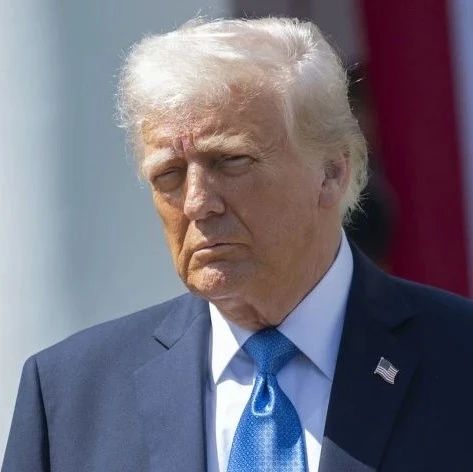
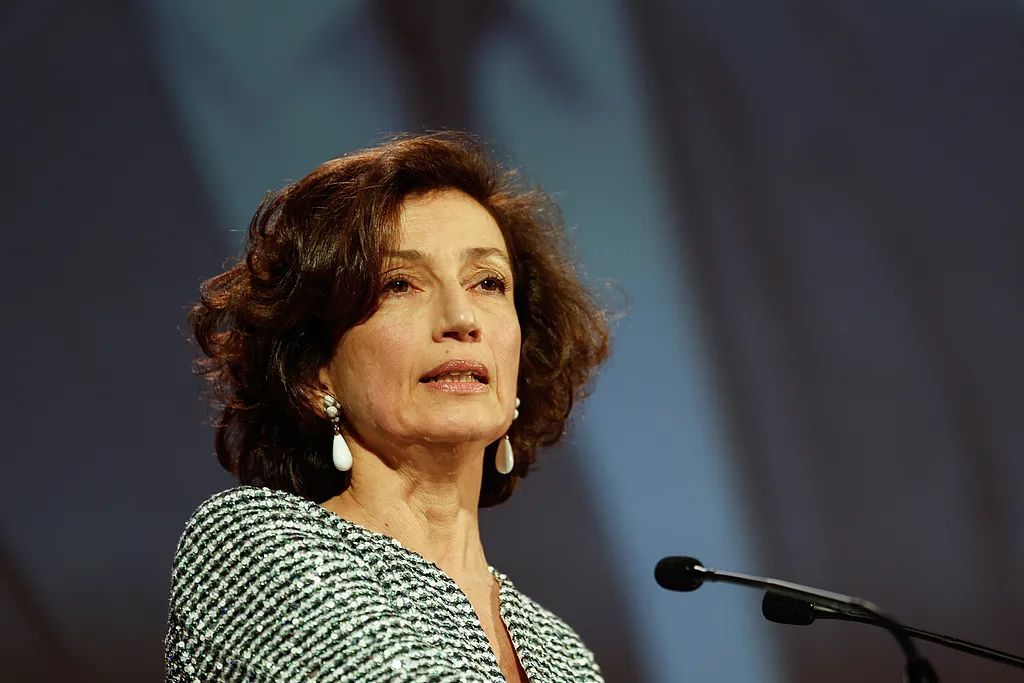
联合国更新到7月14日的"已缴清2025年会费的会员国"清单,上面依然没有美国。 美国又一次宣布"退群",退的还是曾经退过的群。 当地时间22日,美国国务院发表声明表示,退出联合国教科文组织(UNESCO),这距离其重新加入仅 隔两年。 此前,7月15日,美国能源部长赖特表示美国可能退出国际能源署(IEA)。该机构的能源预测长期被 共和党批评"不切实际"。 值得注意的是,美国拖欠联合国会费是导致联合国计划裁员6900人、削减20%预算的主要原因。根据联 合国方面数据显示,截至2025年1月,美国未缴纳的联合国常规预算摊款为15亿美元,再加上未缴纳的 维和预算摊款与法庭预算摊款,共计28亿美元。 阿祖莱说,尽管这一宣布令人遗憾,但该组织对此早有预期并已做好准备。近年来,UNESCO推进了深 层次的结构改革,并不断拓展资金来源,自2018年以来,自愿捐款金额实现翻番,成功抵消了美国财政 支持下降所带来的影响。目前,美国对UNESCO的预算贡献约占8%,而组织整体预算已稳步增长,财 务状况更加稳固。 据第一财经记者梳理,自从今年1月特朗普宣誓就职以来,美方先后宣布再次退出多个国际组织和国际 合作条约,其中包括:1月 ...
美国将再次退出联合国教科文组织 外交部:不是负责任大国应有的作为
news flash· 2025-07-23 07:30
"在联合国成立80周年之际,我们呼吁各国重申对多边主义的承诺,以实际行动支持以联合国为核心的 国际体系,以国际法为基础的国际规则,以联合国宪章宗旨和原则为基础的国际关系基本准则。"他 说。 郭嘉昆表示,我们注意到,联合国教科文组织以及多国对美方再次"退群"表示遗憾,这已经是美国第三 次退出联合国教科文组织,并且长期拖欠会费,这不是负责任大国应有的作为。 郭嘉昆指出,联合国教科文组织的宗旨是推动教育科学文化领域的国际合作,促进文明相互理解和融 合,维护世界和平,实现共同发展。中方始终坚定支持联合国教科文组织工作。 美国将再次退出联合国教科文组织 外交部:不是负责任大国应有的作为 智通财经7月23日电,外交部发言人郭嘉昆7月23日主持例行记者会。路透社记者提问,美国总统特朗普 表示,美国将再次退出联合国教科文组织(UNESCO)。中方对此有何评论? ...
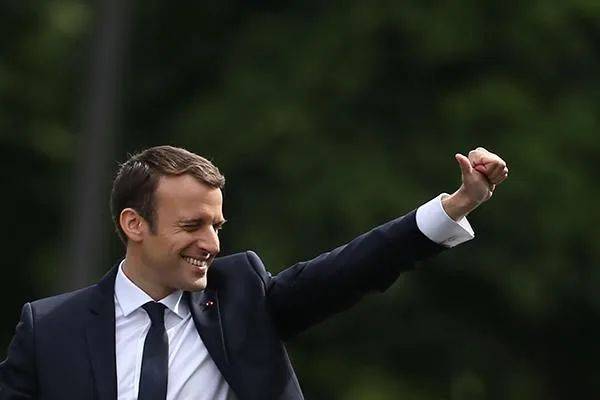
当着全世界的面!马克龙给特朗普“当头一棒”,还提到了中方
Sou Hu Cai Jing· 2025-07-23 02:54
Group 1 - French President Macron rejected the unequal tariff agreement proposed by the U.S., emphasizing that France will use all means to respond to U.S. tariff measures, escalating the trade dispute between the two nations [1][3] - The U.S. has increased tariffs on French goods, including aircraft parts (15% tariff) and wine (25% tariff), claiming it is to correct trade imbalances, while France views this as unilateralism [1][3] - Macron advocates for a "zero tariff for zero tariff" agreement to achieve a fair and mutually beneficial trade relationship, indicating that if the U.S. maintains a 10% tariff, Europe will respond with equivalent measures [3][5] Group 2 - The EU plans to impose retaliatory tariffs on $95 billion worth of U.S. goods, covering various sectors such as civil aircraft, automobiles, medical devices, and agricultural products [3] - France is considering non-tariff measures, such as a digital services tax, to counter U.S. actions, with the French Minister of Economy and Finance stating that responses may include regulatory measures and targeted tax tools [3][5] - The trade dispute is seen as a continuation of historical tensions between the U.S. and France, with previous tariff actions dating back to 2019, and France's current firm stance exceeds U.S. expectations [3][5] Group 3 - The trade conflict has drawn criticism not only from France but also from other countries like Japan and India, which oppose the U.S. "reciprocal tariff" policy and have taken countermeasures [5] - U.S. wine retailers and importers have expressed opposition to the potential tariffs, arguing that they would harm American businesses and workers, while the National Retail Federation warns that tariffs will ultimately burden consumers [5] - France's luxury goods sector is less affected by U.S. tariffs due to support from the Chinese market, indicating a shift in reliance that diminishes the impact of U.S. tariff threats [5][7] Group 4 - Ongoing negotiations between the U.S. and France are tense, with the EU Commission President stating that the EU prioritizes negotiations but is prepared for retaliatory measures [7] - Macron's firm stance reflects France's determination to protect its interests, with the outcome of the trade dispute likely to have significant implications for global trade dynamics [7] - The International Monetary Fund warns that protectionist measures could slow global economic growth, urging all parties to resolve differences through dialogue [5][7]

美国这次“退群”理由是什么?
第一财经· 2025-07-23 02:25
Core Viewpoint - The United States has announced its withdrawal from UNESCO for the third time, citing that the organization does not align with its "America First" policy and has been accused of promoting divisive social and cultural initiatives [2][4]. Group 1: Reasons for Withdrawal - The U.S. State Department's statement indicated that UNESCO's focus on sustainable development goals and its acceptance of Palestine as a member are problematic and contribute to anti-Israel sentiments within the organization [2][4]. - The withdrawal will officially take effect on December 31, 2026, according to UNESCO regulations [3]. Group 2: Historical Context - The U.S. previously withdrew from UNESCO in 1984 due to issues of corruption and mismanagement, rejoining in 2003. It withdrew again in 2017, citing increasing arrears and concerns over perceived bias against Israel, with the exit effective at the end of 2018. The U.S. rejoined the organization in 2023 [4]. Group 3: Reactions from UNESCO and Other Nations - UNESCO's Director-General, Audrey Azoulay, expressed regret over the U.S. decision, stating it contradicts the principles of multilateralism. She noted that the organization had prepared for this outcome by implementing structural reforms and diversifying funding sources since 2018 [5][6]. - Various international leaders, including UN Secretary-General António Guterres and French President Emmanuel Macron, expressed their disappointment regarding the U.S. withdrawal, emphasizing the importance of UNESCO in global cultural and educational preservation [7].
中比两国贸易关系如何?未来有哪些可能性?中国驻比利时大使回应
news flash· 2025-07-23 00:05
Group 1 - The trade relationship between China and Belgium has significantly improved over the past decade, with trade volume increasing from approximately $20 million at the time of diplomatic establishment to $27 billion in 2014, and projected to reach $39.2 billion by 2024, marking nearly a 2000-fold increase since the beginning [1] - Belgium is one of the first Western developed countries to actively welcome China's reform and opening-up policies, leading to mutual benefits for both countries through investments and collaborations in various sectors [2] - Despite challenges in international trade, the economic cooperation between China and Belgium demonstrates strong resilience, with ongoing collaborations in agriculture, pharmaceuticals, green development, and comprehensive logistics [2] Group 2 - China, as the world's second-largest economy with a population of 1.4 billion, offers a vast consumer market and is committed to further opening its market, providing opportunities for Belgian goods and companies [3] - The commitment to open, free, and fair trade within the framework of the World Trade Organization remains strong between China and Belgium, promoting multilateralism in international relations [3] - The ongoing economic cooperation is expected to thrive despite global economic uncertainties, as both countries understand the importance of business development and maintaining an open trade environment [3]
“三进三出”联合国教科文组织 美国这次“退群”理由是什么?
Yang Shi Xin Wen· 2025-07-22 23:33
当地时间22日,美国国务院发言人塔米·布鲁斯宣布,美国将退出联合国教科文组织。这是美国第三次 宣布退出该组织。这一决定引发国际社会广泛批评。 此前,美国曾先后两次退出教科文组织。 教科文组织总干事: 深感遗憾但在意料之中 联合国教科文组织总干事阿祖莱随后发表声明,对美方决定"深表遗憾",表示这一决定"违背多边主义 的基本原则"。 阿祖莱在声明中说:"我对唐纳德·特朗普总统再次决定美国退出联合国教科文组织深表遗憾。这一决定 违背多边主义的基本原则。" 阿祖莱说,这一消息尽管令人遗憾,但在意料之中,联合国教科文组织也已为此做好准备。"近年来, 我们进行了重大结构性改革,并实现了资金来源多元化。得益于本组织自2018年以来的努力,美国财政 贡献下降趋势的影响已被抵消。" "退群"理由:不符合"美国优先"政策 根据美国国务院发布的一份声明,美国做出上述决定的理由包括,"联合国教科文组织推进分裂性的社 会和文化事业,过度关注联合国可持续发展目标,不符合美国优先的外交政策"。 声明还指责联合国教科文组织接纳巴勒斯坦为成员国的决定"非常有问题",助长了该机构内部的反以色 列言论。 声明说,根据联合国教科文组织有关规定,美国 ...
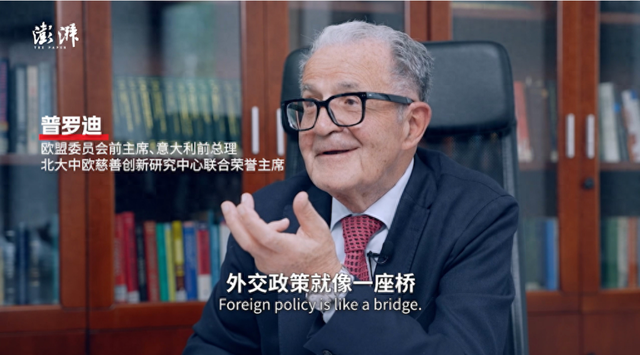
再遇见|欧委会前主席普罗迪:欧洲实现“战略自主”符合中欧共同利益
Xin Lang Cai Jing· 2025-07-22 23:31
Group 1 - The article highlights the 50th anniversary of diplomatic relations between China and Europe, emphasizing the deepening cooperation and mutual understanding between the two regions over the decades [1] - Romano Prodi, former President of the European Commission, reflects on his long-standing relationship with China, noting significant milestones in the evolution of China-Europe relations [3][4] - Prodi recalls his initial experiences in China during the early reform era, emphasizing the impressive work ethic of Chinese professionals and the country's strong desire for development [6] Group 2 - Prodi discusses the importance of the Euro as a reserve currency for China, suggesting that it could enhance a multipolar world [7] - He notes that the annual trade volume between China and Europe has reached $264 billion, indicating a robust economic partnership [8] - Prodi calls for more constructive dialogue and collaborative projects, particularly in the context of the Belt and Road Initiative and the Comprehensive Agreement on Investment (CAI) [8][10] Group 3 - The article addresses the impact of U.S. policies on China-Europe relations, with Prodi arguing against the notion of a competitive and adversarial relationship [10][12] - Prodi emphasizes the need for Europe to achieve "strategic autonomy" while maintaining strong ties with China, suggesting that this aligns with mutual interests [11][12] - He advocates for a collaborative approach to global trade issues, particularly in light of the challenges facing the World Trade Organization (WTO) [12][13] Group 4 - Prodi highlights the significance of cultural and educational exchanges between Italy and China, noting the establishment of the Agnelli Chair at Peking University as a means to foster deeper connections [15][16] - He stresses the importance of charitable cooperation between Europe and China, aiming to address global humanitarian needs rather than solely national interests [17] - The article concludes with Prodi's call for increased dialogue and understanding to enhance cooperation across political, economic, and cultural domains [18][19]
联合国教科文组织回应美国“退群”:深表遗憾
Huan Qiu Shi Bao· 2025-07-22 22:56
布鲁斯的声明提到,美国宣布退出的理由包括,"联合国教科文组织推进分裂性的社会和文化事业,过度关注联合国可持续发展目标,不符合美国 优先的外交政策"。声明称,根据联合国教科文组织有关程序,美国退出该组织将于2026年12月31日生效。 美联社称,美国宣布退出的决定对联合国教科文组织的官员来说并不意外,因为在今年早些时候特朗普政府下令进行具体审查后,他们就预料到 了这一举动。当时,白宫指责联合国教科文组织存在"反美偏见"。他们曾预计特朗普会再次退出,因为美国2023年重新加入的计划是由他的政治 对手、前总统拜登推动的。英国《卫报》称,美国提供了该组织约8%的总预算。 联合国教科文组织是致力于通过促进教育、科学、文化交流,加强全人类共同纽带的专门机构。 【环球时报驻美国特约记者 李致 环球时报特约记者 王逸】美国国务院发言人塔米·布鲁斯22日宣布,美国将退出联合国教科文组织。这是美国第 三次宣布退出该组织。《纽约时报》当天称,这反映出美国总统特朗普对多边主义和国际机构,尤其是对联合国相关机构的"深深不信任和厌 恶"。对美国再次决定退出,联合国教科文组织总干事阿祖莱"深表遗憾"。 此前,美国曾两次退出联合国教科文组织 ...
中国代表呼吁国际社会重振多边主义维护国际和平与安全
news flash· 2025-07-22 22:00
Core Viewpoint - The Chinese Permanent Representative to the United Nations, Fu Cong, emphasized the need for the international community to revive multilateralism to maintain international peace and security, especially in light of the 80th anniversary of the United Nations [1] Group 1: Historical Context - Fu Cong highlighted the significance of the 80th anniversary of the victory in the World Anti-Fascist War, which established the fundamental principles of international relations as outlined in the UN Charter [1] - The current global landscape is characterized by turmoil and transformation, indicating that the pursuit of peace and development remains a significant challenge [1] Group 2: Call to Action - The international community is urged to use the 80th anniversary of the UN as an opportunity to reaffirm its commitment to multilateralism and the collective ideal of maintaining world peace [1] - Fu Cong stressed the importance of peaceful dispute resolution, advocating for respect for national sovereignty and territorial integrity among countries [1] Group 3: Recommendations for Major Powers - Major powers are encouraged to facilitate dialogue and cooperation rather than exacerbate tensions or promote confrontation [1] - The emphasis is placed on mutual understanding and compromise to resolve differences and build consensus through dialogue [1]
联合国教科文组织:美国“退群”违背多边主义基本原则
news flash· 2025-07-22 13:26
当地时间22日,联合国教科文组织总干事阿祖莱发表声明,回应美国宣布再次退出教科文组织的决定。 阿祖莱对美方做法表示遗憾,并指出此举"违背多边主义的基本原则"。(央视新闻) ...