文旅融合

Search documents
武汉花车巡游迎国庆
Zhong Guo Xin Wen Wang· 2025-10-01 07:16
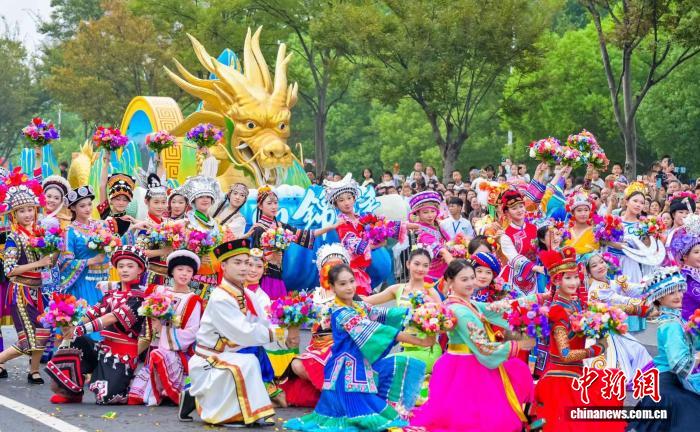
中新网武汉10月1日电 题:武汉花车巡游迎国庆 作者 卢琪 2025"河山添锦绣——文旅IP城市大巡游"10月1日在武汉东湖高新区(又称"中国光谷")启幕,23台花车、 38家国内外演艺团队联袂呈献视听盛宴,与武汉市民、游客共庆祖国华诞。 "非遗国潮"主题方阵,京剧水袖翻飞,陕西社火鼓乐喧天,川剧变脸妙趣横生,河南高跷艺人踏节登 高,众多非遗"鲜活"文化记忆。"动漫萌宠"和"全球狂欢"主题方阵,哪吒、葫芦娃等国漫角色,与武汉 IP"蒜鸟"、珠海长隆NPC等依次登场,掀起热潮。 湖北各市州花车造型独特,成为"行走的地域名片"。中国光谷花车上,空轨"飞驰";宜昌花车,三峡大 坝"屹立";襄阳花车,古城墙"盘亘";荆门花车,鲲龙AG600起飞瞬间定格;荆州花车,楚王车马阵威 严列阵……各花车将湖北人文底蕴、蓬勃发展串联成篇,勾勒荆楚大地多元魅力。 图为"河山锦绣"主题方阵。 主办方供图 清晨8时许,高新大道两侧已熙熙攘攘,人群中处处可见五星红旗摇曳。"全家特意来感受国庆的热烈氛 围。"市民张涛与妻儿一早赶来,他说首次在武汉看如此大规模的花车巡游,倍感期待。 9时30分许,"热身"演出后,巡游正式开始。6辆主题花车、 ...

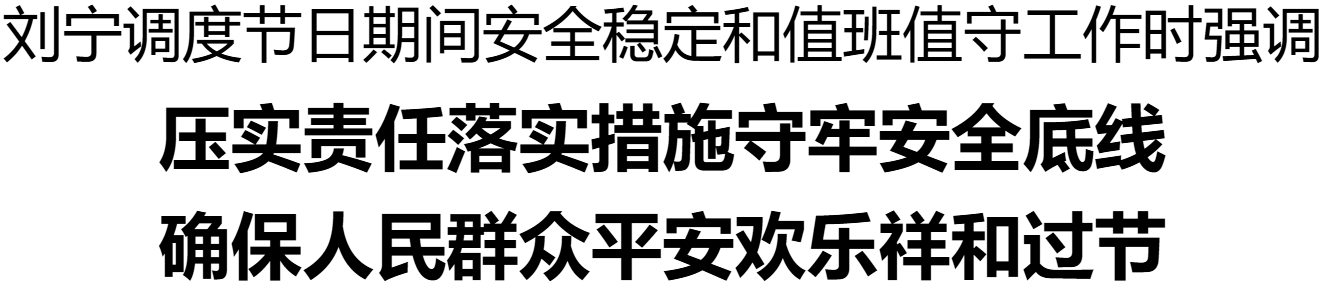
刘宁调度节日期间安全稳定和值班值守工作
He Nan Ri Bao· 2025-10-01 05:06
Core Viewpoint - The article emphasizes the importance of safety and stability during the holiday period, highlighting the need for proactive measures to ensure public safety and maintain social order [1][2][3] Group 1: Safety and Risk Management - The provincial leadership stresses the need to implement safety production measures and maintain a strong sense of responsibility to protect people's lives and property [1] - There is a call for enhanced risk awareness and strict adherence to duty management systems, with a focus on emergency management and safety prevention across various sectors [2] - Specific attention is directed towards high-risk industries such as construction, mining, and hazardous materials, with an emphasis on identifying and addressing potential hazards [2] Group 2: Social Governance and Public Services - The article discusses the importance of social governance, including the resolution of conflicts and the management of large public events to ensure safety [2] - Measures to optimize market supply and provide consumer incentives are highlighted to create a favorable shopping environment during the holiday [2] - The need for effective traffic management and coordination to ensure safe travel for the public is also emphasized [3] Group 3: Agricultural Production and Compliance - The article mentions the urgency of agricultural production during the autumn harvest, with recommendations for farmers to efficiently manage their harvest and storage processes [3] - There is a focus on maintaining compliance with regulations to prevent issues such as excessive consumption during the holiday period, promoting a clean and positive atmosphere [3]
河北武安唱“文”戏
Xin Hua She· 2025-10-01 03:39
Core Insights - The article highlights the cultural and tourism development in Wu'an, Hebei Province, emphasizing the integration of historical, red, and natural resources to attract visitors and enhance local economy [1][4][5] Cultural Heritage and Tourism Development - Wu'an is leveraging its rich historical background, including the 8000-year-old Cishan culture, to create engaging educational experiences for visitors, such as VR exhibitions in the Cishan Cultural Museum [2][3] - The city is transforming its historical resources into immersive experiences, allowing tourists to actively participate in cultural narratives, such as the live performance "Again See the Merchants" during the Spring Festival [3] Red Culture and Historical Significance - Wu'an is focusing on its red cultural heritage, with significant historical events taking place in the area, such as the establishment of the Jin-Ji-Lu-Yu Border Government, to create themed attractions and performances that resonate with visitors [4] - The local government is promoting red ecological tourism by integrating resources from Wu'an and surrounding areas to enhance visitor engagement and education [4] Natural Resources and Scenic Development - The city is capitalizing on its natural landscapes, including the Taihang Mountains, to develop scenic spots like Jingniang Lake and Dongtaihang, improving infrastructure to facilitate a more leisurely travel experience [5][6] - Wu'an's tourism statistics indicate a significant increase in visitor numbers and spending, with 5.87 million tourists and a total consumption exceeding 9.2 billion yuan in the first half of 2025, reflecting a year-on-year growth of 11.39% and 19.08% respectively [6]
拉萨举行音乐嘉年华
Xin Hua Wang· 2025-10-01 01:41
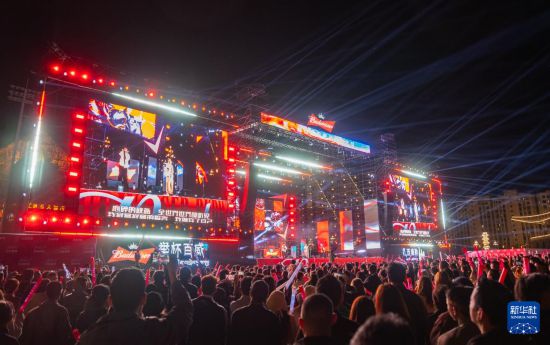
国庆假期期间,西藏还将推出系列文旅融合活动,包括电竞动漫文旅周和文化旅游体验季、喜马拉雅音 乐季等,丰富市民和游客的假日生活体验。 新华社记者 丁增尼达 摄 这是百威拉萨音乐嘉年华现场(9月29日摄)。 9月29日晚,作为"西藏味道"系列活动之一的百威拉萨音乐嘉年华在西藏自治区会展中心广场启幕。 原标题:拉萨举行音乐嘉年华 【1】 【2】 【3】 【4】 ...
观赛、美食、一键退税……解锁浙江“双节黄金周”!
Xin Hua Wang· 2025-10-01 01:04
Core Insights - The article highlights the vibrant holiday atmosphere in Zhejiang during the National Day and Mid-Autumn Festival, showcasing a blend of sports events, cultural experiences, and innovative services that enhance the travel experience [1] Group 1: Sports Events and Economic Impact - The "Zhejiang BA" basketball event is a major attraction, creating a lively atmosphere and drawing crowds to various venues, including the Jiangnan Mall in Jiaxing [3][5] - Local businesses are capitalizing on the event by offering discounts and promotions, such as free tickets to basketball games for tourists arriving in Wenzhou [5] Group 2: Cultural Integration and Culinary Experiences - The integration of culture and cuisine is evident in the festive offerings, such as themed gift boxes inspired by traditional stories and local delicacies, which have seen significant sales [6][8] - In Quzhou, local food and cultural activities are being promoted, with over 200 special events planned to attract visitors during the holiday [8] Group 3: Enhanced Travel Services - Hangzhou has introduced a "one-click tax refund" service, allowing international travelers to receive refunds quickly and efficiently, enhancing their shopping experience [9][10] - The city is also expanding its "light travel" luggage service, enabling tourists to explore without the burden of carrying their bags [11] Group 4: Consumer Protection and Quality Assurance - A "10-day no-reason return" policy has been implemented in Huzhou to boost consumer confidence, with 1,250 stores participating across various sectors [12] - Authorities are intensifying inspections in popular tourist areas to combat fraudulent practices and ensure a safe shopping environment for visitors [12]
国庆中秋假期来临 各地文旅有哪些新玩法?
Yang Shi Xin Wen Ke Hu Duan· 2025-09-30 23:58
Group 1: Holiday Tourism Trends - The upcoming National Day and Mid-Autumn Festival holiday is expected to see a total of 2.36 billion trips, averaging about 295 million trips per day [1] - Local tourism departments are implementing various strategies to attract visitors during the holiday [1] Group 2: Infrastructure and Tourism Integration - The integration of large-scale infrastructure projects with tourism, such as the Huajiang Grand Canyon Bridge, is creating new cultural and tourism consumption spaces [1] - Modern infrastructure is not only a means of transportation but also serves as a beautiful scenic spot, enhancing the tourism experience [1] Group 3: Sustainable Tourism Development - To transform tourist attractions from temporary popularity to lasting appeal, continuous innovation and product iteration are essential [2] - Engaging visitors through interactive experiences and updated content is crucial for maintaining interest [2] Group 4: Government Initiatives in Tourism - The opening of government canteens during holidays enhances public service supply and optimizes the supply-demand structure in tourism [3] - This initiative reflects a people-centered tourism development philosophy, aiming to improve the overall tourist experience [3] Group 5: Future of Tourism Development - The focus of tourism development should be on meeting the evolving needs of the public, promoting inclusive tourism [4] - Emphasizing cultural and tourism integration, as well as leveraging technology for smart tourism, is vital for future growth [4]
河南登封“嵩山民宿”迎预订热潮 特色旅游激发文旅消费新活力
Zhong Guo Xin Wen Wang· 2025-09-30 12:28
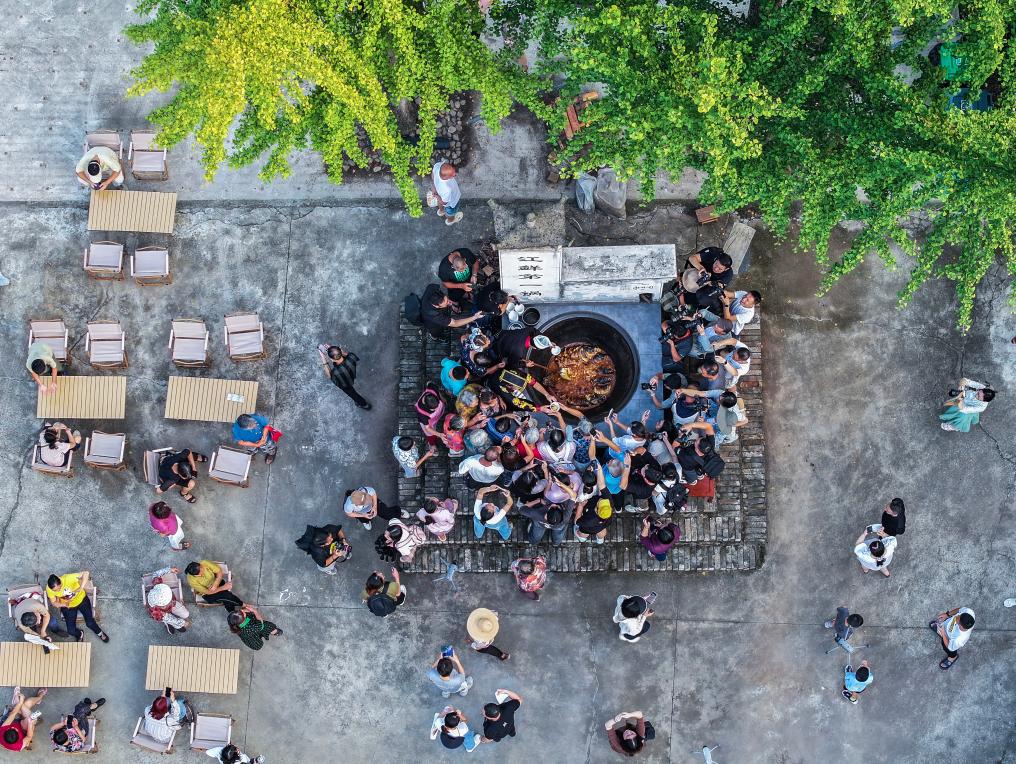
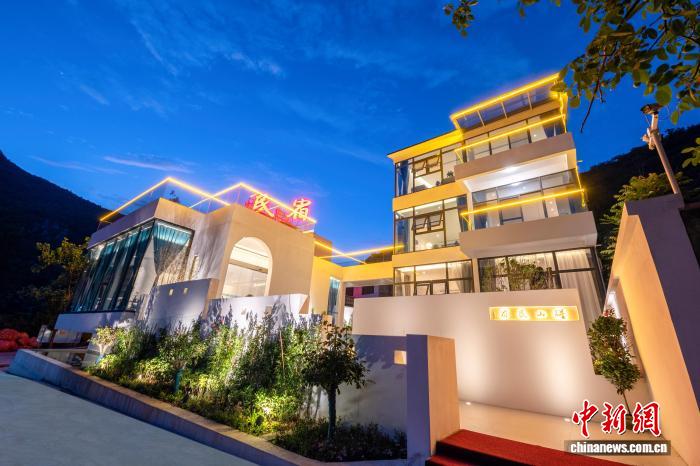
河南登封"嵩山民宿"迎预订热潮 特色旅游激发文旅消费新活力 中新网郑州9月30日电 (记者 李超庆)"这里风景优美,空气清新,民宿既美观又舒适,我准备多住些时 日。"国庆中秋假期前夕,来自江苏的游客梁先生与好友提前抵达河南省登封市,站在唐庄镇王河村一 家民宿的观景台上,远眺嵩山风光不禁赞叹道。 在登封各景区周边,一批特色民宿正积极探索"民宿+非遗研学""民宿+农业""民宿+康养"等多轮驱动模 式,有力推动农文旅深度融合。此外,登封市还创新将农家书屋融入民宿和景区,延伸了公共文化服务 的触角。 据登封市文旅局市场科数据显示,截至9月29日,该市超过85%的精品民宿已被预订一空,部分星级民 宿更是在一周前就已无房可订。 图为登封市一处民宿集群。 登封市文旅局供图(无人机照片) "如今游客更注重民宿的品质和口碑,这促使行业向'精耕细作'转变。"梯渡山舍民宿负责人表示,民宿 的魅力不仅在于硬件设施,更在于为客人提供独特的情绪价值。该民宿所在的少林街道杨家门村,依托 古村落基础,保留了民居原始风貌,将老院落改造成书吧、茶摊和体验式民宿,并已入选中国传统村落 名录。 民宿产业的兴起,有效盘活了农村闲置资源,成为乡村振兴的 ...
169亿元机会清单!四川宜宾国际旅游城市建设机会场景发布会举行
Zhong Guo Fa Zhan Wang· 2025-09-30 10:48
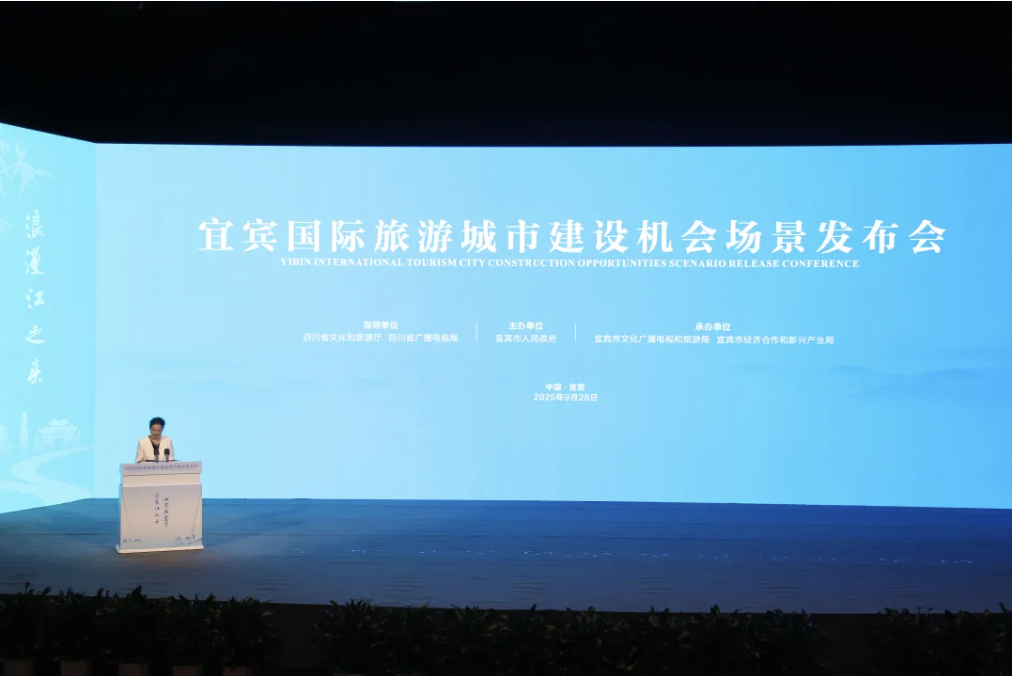
9月28日,主题为"浪漫江之头·世界共宜宾"的四川省宜宾市国际旅游城市建设机会场景发布会在宜宾市国际会议中心举行。本次活动由四川省文 化和旅游厅、四川省广播电视局指导,由宜宾市人民政府主办。来自全国文旅行业的头部企业、行业协会、金融机构及主理人代表等250余名嘉 宾汇聚一堂,共商合作、共谋发展。 宜宾举行国际旅游城市建设机会场景发布会,大规模释放文旅投资机会,恰逢其时,意义深远。 今年6月,四川省委十二届七次全会就推进文化和旅游深度融合发展、做大做强文化旅游业进行专题研究,这是全国首个、四川首次将文旅主题 上升为省级最高层面战略部署的省委全会,拉开了四川文旅融合发展的新篇章。省委赋予宜宾建设国际旅游城市的目标定位,对宜宾提出了新 的时代课题。 通过梳理,宜宾发现国际旅游城市普遍具备世界级旅游景区、完善的旅游接待设施体系、鲜明的城市品牌和国际营销能力等要素,既与宜宾建 设现代化区域中心城市的宏伟愿景完全契合,也为宜宾城市能级持续跃升带来崭新机遇。 宜宾是万里长江第一城,中国四大抗战文化中心之一的李庄古镇涵养民族气节,世界集中面积最大的天然竹林蜀南竹海山水交织、碧波万顷, 世界地质公园兴文石海展现天下奇观,国家工 ...
落子北京中轴线,华住花间堂拓展高端度假版图
Bei Jing Shang Bao· 2025-09-30 08:54
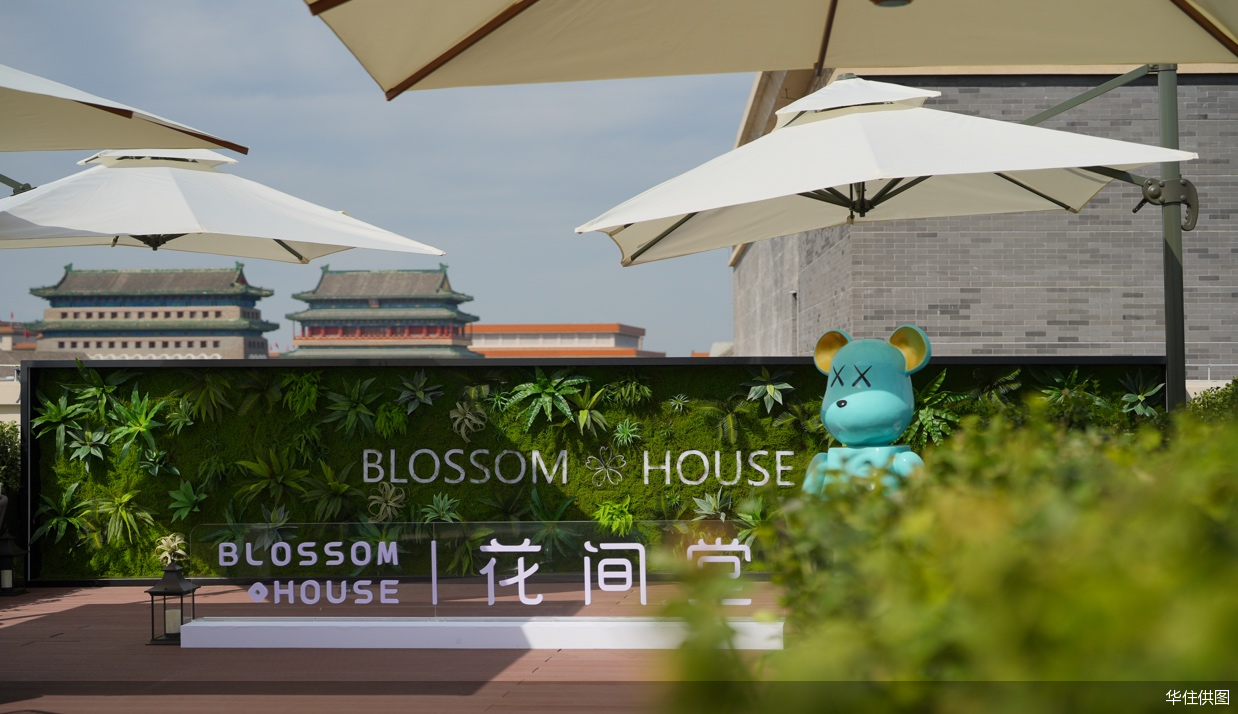
北京商报讯(记者 吴其芸)9月30日,华住集团旗下高端人文度假品牌花间堂北京天安门·御道店正式开业。据悉,酒店坐落于北京中轴线南段,定位高端度 假酒店,将在地文化与现代旅宿深度融合。华住集团公布的数据显示,截至2025年二季度,花间堂品牌在营酒店已近百家、客房近5000间,待开业酒店200 家。 华住集团永乐华住事业部CEO梁尚兵表示,未来,花间堂将继续探索文旅融合的商业路径,通过每一个优质酒店项目,将"文化体验+高端住宿"的模式推向 更广阔的市场。 据介绍,在功能空间上,花间堂北京天安门·御道店延续"一店一特色"的理念,为不同客群提供兼具文化品位与实用价值的体验场景。其中,多功能会议 室"太和"借鉴故宫太和殿"天地和谐"理念,以新中式宫廷风打造商务空间;儿童乐园"堂趣"取材故宫纹样与节气文化,为3—12岁儿童营造沉浸式互动体 验;24小时开放的城市会客厅"怡和"则融合了东方园林与都市社交功能。 ...

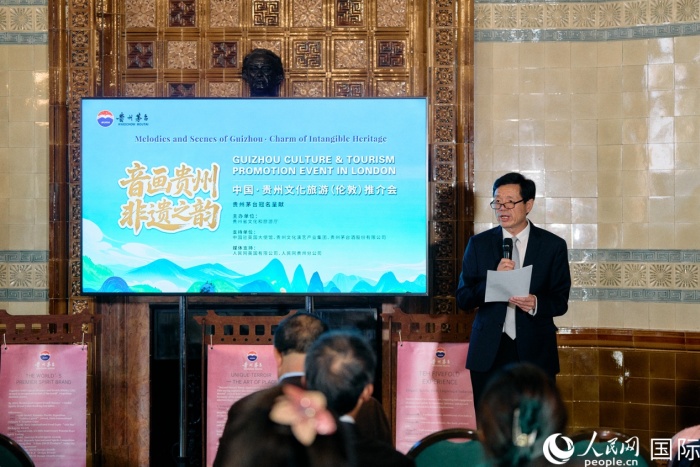
“音画贵州·非遗之韵”文旅推介会在伦敦举行
人民网-国际频道 原创稿· 2025-09-30 08:50
Core Viewpoint - The "Cultural and Tourism Promotion Conference of Guizhou: The Charm of Intangible Heritage" held in London showcased Guizhou's rich cultural and natural resources, aiming to attract British tourists and deepen cultural cooperation between China and the UK [1][2][13]. Group 1: Event Overview - The event was organized by the Guizhou Provincial Department of Culture and Tourism, with strong support from the Chinese Embassy in the UK and local enterprises, including Kweichow Moutai [1][2]. - Over a hundred guests from China and the UK attended, enjoying a relaxed atmosphere filled with music, food, and cultural exchange [1][2]. Group 2: Cultural Significance - Guizhou is highlighted as a beautiful region where nature and culture intertwine, home to 18 ethnic groups that contribute to its diverse cultural heritage [2][3]. - The event served not only as a showcase but also as an invitation for collaboration in cultural performances, heritage protection, and tourism investment between Guizhou and the UK [2][3]. Group 3: Music and Performances - The event featured a captivating performance of the lusheng, a traditional musical instrument, which resonated with the audience, transcending language barriers [6][11]. - The unique charm of Guizhou's ethnic music was emphasized, showcasing its deep connection with daily life, celebrations, and nature [5][7]. Group 4: Culinary Highlights - A tasting session of Kweichow Moutai was a highlight, with guests expressing admiration for its rich flavors, complemented by traditional music performances [8][10]. - The introduction of Moutai cocktails by a British mixologist received positive feedback, showcasing the versatility of Chinese liquor in a Western context [10][12]. Group 5: Cultural Exchange and Impact - The event facilitated meaningful cultural exchanges, with attendees expressing excitement about the performances and the opportunity to connect with Chinese culture [13][14]. - The promotion of Guizhou's scenic beauty and cultural richness in London marked a significant step in enhancing cultural dialogue and tourism collaboration between China and the UK [13][14].