芯片研发

Search documents
热搜爆了!雷军:19.9万元是不可能的!
Zhong Guo Ji Jin Bao· 2025-05-22 15:22
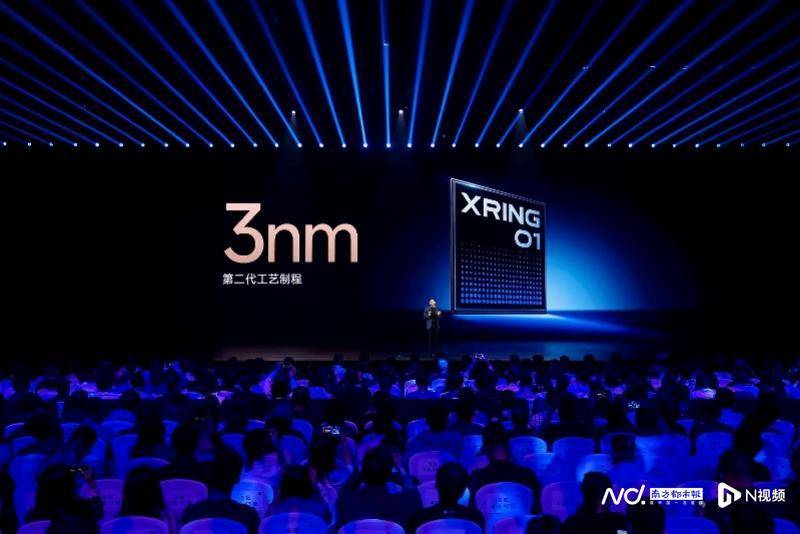
Core Insights - Xiaomi launched several new products including the玄戒O1 chip, Xiaomi 15S Pro, Pad 7 Ultra, Watch S4, and its first SUV, the Xiaomi YU7, during its strategic product launch event [2][4][14] - The company aims to position its chips to compete with Apple's, with the玄戒O1 chip showcasing first-tier performance [2][4] - Xiaomi reported significant achievements over the past five years, including being in the top three globally for smartphone sales for 19 consecutive quarters and successfully developing its automotive and chip sectors [2][6] - The company plans to invest an additional 200 billion yuan in core technology research and development over the next five years, following a previous investment of 102 billion yuan [2][6] Product Launch Details - The玄戒O1 chip features a second-generation 3nm process with 19 billion transistors and achieved a benchmark score exceeding 3 million [4][6] - The Xiaomi 15S Pro, Pad 7 Ultra, and Watch S4 all utilize the玄戒O1 chip, with the 15S Pro priced at 5,499 yuan for the 16+512GB version [8][10][12] - The Pad 7 Ultra is Xiaomi's largest tablet to date, featuring a 14-inch OLED display and starting at 5,699 yuan for the 12GB RAM + 256GB version [10] - The Watch S4 includes a long-lasting 4G chip and is priced at 1,299 yuan [12] Xiaomi YU7 SUV Highlights - The Xiaomi YU7 is positioned as a luxury high-performance SUV, featuring a maximum power of 690PS and a 0-100 km/h acceleration time of 3.23 seconds [14] - The standard version of the YU7 boasts a range of 835 kilometers, making it the leader in range for mid-to-large electric SUVs [14] - The SUV will be available in nine color options, with four announced at the launch [16] - Safety features include enhanced side collision protection and standard laser radar across all models [17] Future Plans and Market Position - Xiaomi aims to deliver 258,000 vehicles by 2025, with over 28,000 units delivered in April alone [22] - The company is preparing for the official launch of the YU7 in July, with pricing expected to be higher than the Tesla Model Y [20]


雷军谈小米站上新起点:11年造芯路交出新答卷 未来五年研发翻倍再投2000亿元
Guang Zhou Ri Bao· 2025-05-22 15:01
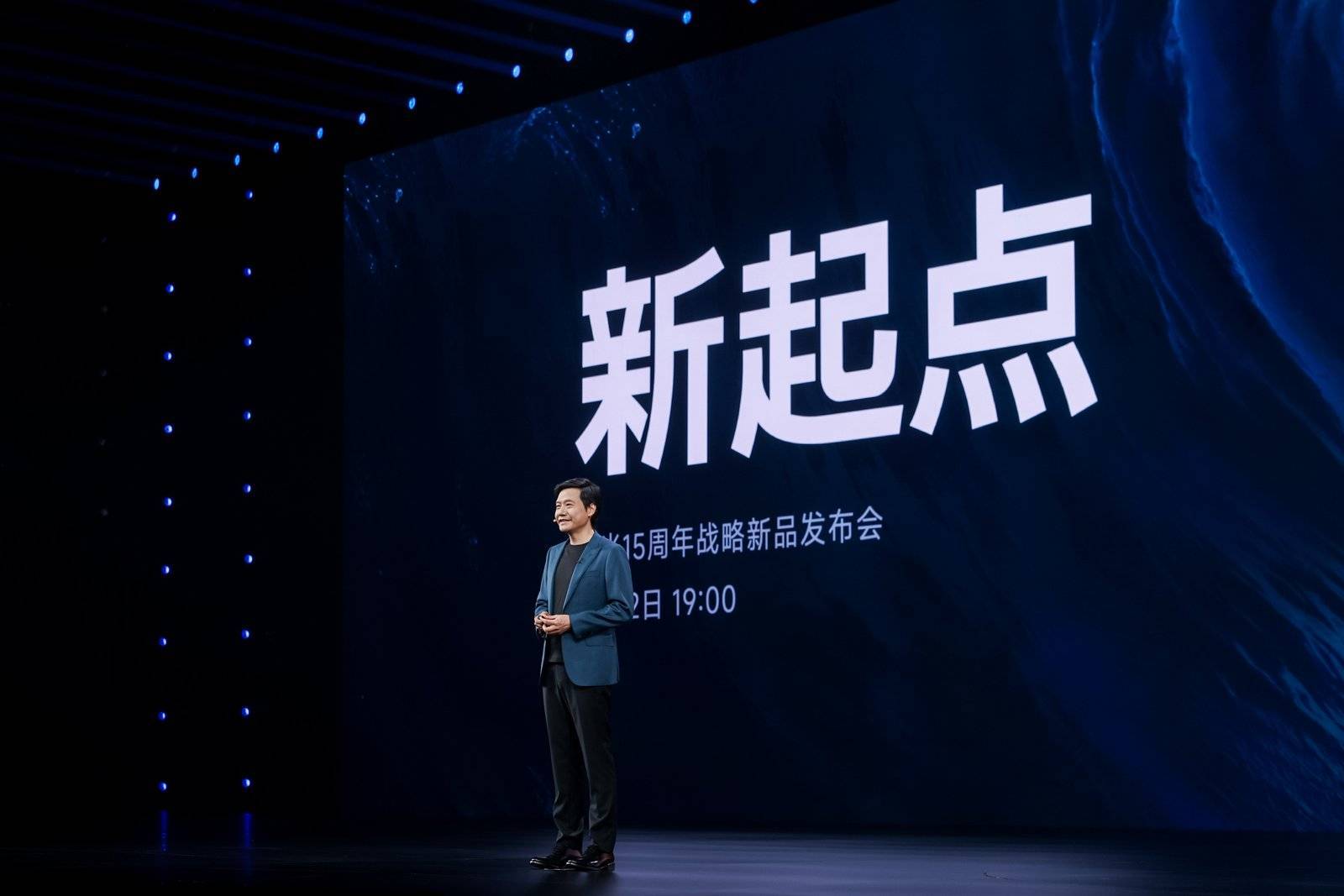
5月22日晚,当小米集团创始人、董事长兼CEO雷军站在以《新起点》为主题的新品发布会上时,小米15周年的战略也随之浮出水面。在这之中,除了小 米汽车旗下首款SUV车型——小米YU7外,小米自主研发设计的首款3nm旗舰处理器"玄戒O1"备受关注,也意味着小米高端化战略的加速落地。站上开 始硬核质变的新起点,雷军激动地表示"在硬核科技探索的路上,小米是后来者,也是追赶者,但我们相信,这个世界终究不会强者恒强,后来者总有机 会"。 在此次发布会上,雷军还宣布未来五年(2026-2030),小米在核心技术研发上将再投2000亿元,向着"全球新一代硬核科技引领者"继续登攀。 玄戒O1之外,小米此次还发布了自主研发设计的4G手表芯片玄戒T1,搭载在小米Watch S4"15周年纪念版"上。玄戒T1不是简单的手表芯片,还集成了小 米自主研发设计的首款 4G 基带,支持eSIM通信,标志着小米在基带这一关键赛道迈出了重要一步。 雷军表示,两款自研玄戒芯片、三款搭载自研芯片的终端产品,是小米芯片战略的重要成果展示:"不论遇到多大的困难,小米芯片研发都会坚持下去, 至少投资十年、至少投资五百亿元!" 坚定投入研发未来五年投入20 ...
投入135亿对标苹果,雷军透露小米“为什么要造芯”?
Sou Hu Cai Jing· 2025-05-22 14:32
Group 1: Product Launch and Innovations - Xiaomi launched the Xiaomi 15S Pro 15th Anniversary Edition smartphone, the first OLED tablet 7 Ultra, and the Xiaomi Watch S4, all featuring the self-developed Xuanjie chip [1][2] - The Xuanjie O1 chip positions Xiaomi as the fourth global smartphone manufacturer with self-developed SoC capabilities, following Apple, Samsung, and Huawei [1][7] - The new Xiaomi Yu7 SUV was introduced, with technical specifications shared, but the price remains undisclosed, and it is set to officially launch in July [1][9] Group 2: Chip Development and Performance - The Xuanjie O1 chip is compared favorably against Apple's A18 Pro chip in terms of CPU multi-core performance and GPU performance, with lower operating temperatures during video calls, gaming, and navigation [2][4] - Xiaomi's chip development journey began in 2014, with significant investments and a team of over 2,500 people dedicated to chip design, indicating a long-term commitment to this sector [4][5] - The investment in the Xuanjie O1 chip has reached 13.5 billion RMB (approximately 2 billion USD), with a projected 200 billion RMB (approximately 28.5 billion USD) in R&D over the next five years [5][8] Group 3: Market Position and Future Implications - The introduction of the Xuanjie O1 chip is seen as a breakthrough for China's 3nm chip design capabilities, enhancing Xiaomi's brand image from a cost-effective manufacturer to a high-tech enterprise [7][8] - The success of the Xuanjie O1 chip could help Xiaomi shed its previous image and establish itself in the high-end market, contributing to the advancement of domestic high-end chip manufacturing [8] - The Yu7 SUV's sales data indicates strong market performance, with over 258,000 units delivered since its launch, showcasing Xiaomi's growing presence in the automotive sector [8][9]
雷军:小米玄戒O1、小米15S Pro 正式发布,小米YU7 技术发布
Sou Hu Cai Jing· 2025-05-22 14:24
Core Insights - Xiaomi celebrated its 15th anniversary by launching several new products, including the Xiaomi 15S Pro, Xiaomi Pad 7 Ultra, and Xiaomi Watch S4 15th Anniversary Edition, all featuring the self-developed XRING chip [1][5] - The company plans to invest 200 billion RMB in research and development over the next five years, building on a previous investment of 102 billion RMB in the last five years [5][91] - Xiaomi's strategy emphasizes a "technology-first" approach, which has contributed to its growth, with a projected revenue increase of 35% in 2024 and an expected growth rate exceeding 30% for the current year [5][3] Product Launches - The Xiaomi 15S Pro is the first flagship smartphone equipped with the XRING O1 chip, utilizing advanced 3nm technology and featuring a unique design for the 15th anniversary [12][14] - The Xiaomi Pad 7 Ultra is the company's first OLED tablet, featuring a 14-inch display and a 12000mAh battery, designed for high performance and portability [50][56] - The Xiaomi Watch S4 15th Anniversary Edition includes a custom design and the new XRING T1 chip, offering enhanced performance and features for independent communication [76][80] Technological Advancements - The XRING O1 chip boasts a 10-core CPU and a 16-core GPU, achieving over 3 million points in AnTuTu benchmarks, positioning it among the top-tier processors [16][23] - The chip's architecture includes dual super-large cores, enhancing performance by 36% compared to previous generations, with a maximum frequency of 3.9GHz [24][21] - The Xiaomi Pad 7 Ultra also features the XRING O1 chip, resulting in significant performance improvements in application launch speed and multitasking capabilities [63][64] Automotive Developments - Xiaomi introduced the YU7, a luxury high-performance SUV, which reflects the company's commitment to expanding its automotive offerings [140][142] - The YU7 features advanced aerodynamics with a drag coefficient of 0.245, enhancing its efficiency and performance [155] - The SUV's interior includes high-tech features such as the Xiaomi HyperVision display and zero-gravity massage seats, emphasizing comfort and luxury [161][170] Market Position and Future Outlook - Xiaomi's smartphone division has maintained a position among the top three globally for 19 consecutive quarters, showcasing its competitive strength [3] - The company aims to close the loop on its "people, vehicles, and home" ecosystem strategy, solidifying its status as a comprehensive technology company [3] - Xiaomi's commitment to long-term investment in chip development, with a minimum of 50 billion RMB over the next decade, highlights its ambition to become a significant player in the semiconductor industry [87][91]
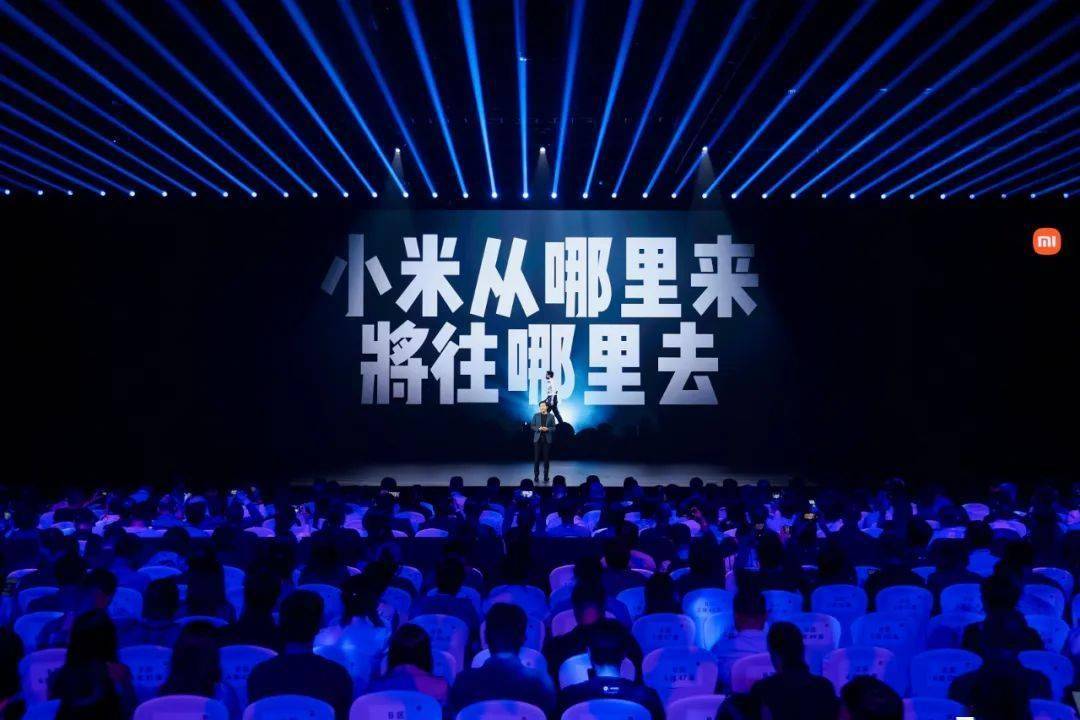
玄戒O1、小米YU7正式亮相,雷军谈小米15周年:疾风知劲草,用更坚实的成长回应一切
Sou Hu Cai Jing· 2025-05-22 14:21
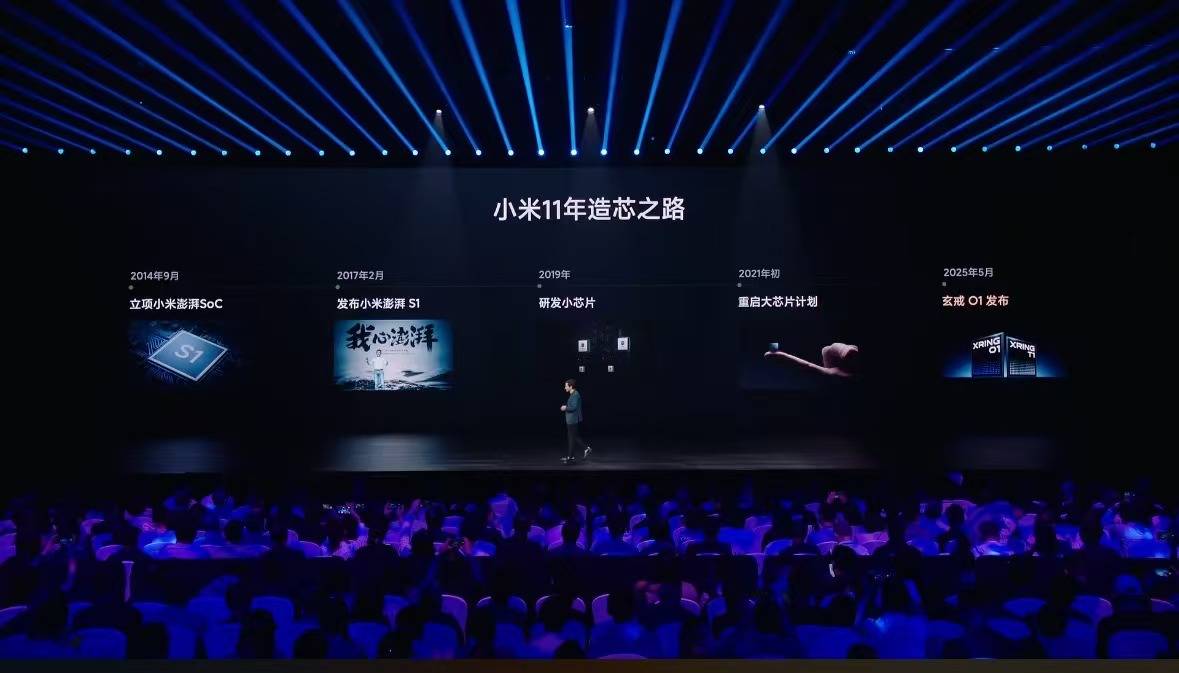
Core Insights - Xiaomi celebrated its 15th anniversary with a strategic product launch event, introducing its first 3nm flagship processor "Xuanjie O1" and the first long-lasting 4G smartwatch chip "Xuanjie T1" [1][3] - The event showcased several high-end products, including the Xiaomi 15S Pro, Xiaomi Pad 7 Ultra, and Xiaomi Watch S4 "15th Anniversary Edition," as well as the debut of Xiaomi's first SUV, the Xiaomi YU7 [1][3][23] Product Launches - The Xuanjie O1 is a significant milestone as Xiaomi becomes the first company in mainland China and the fourth globally to design a 3nm flagship SoC, filling a gap in advanced chip design in the region [3][11] - The Xiaomi 15S Pro features two material versions, priced at 5499 RMB for 16GB+512GB and 5999 RMB for 16GB+1TB [3][5] - The Xiaomi Pad 7 Ultra is available in multiple configurations, with prices ranging from 5699 RMB to 7399 RMB depending on specifications [3][5] - The Xiaomi Watch S4 "15th Anniversary Edition" is priced at 1299 RMB and supports eSIM functionality [3][5] Automotive Development - The Xiaomi YU7 SUV is positioned as a "luxury high-performance SUV," set to officially launch in July with advanced design and technology features [23][26] - The YU7 boasts impressive specifications, including a maximum horsepower of 690 and a 0-100 km/h acceleration time of 3.23 seconds, with a range of up to 835 km [26][30] Chip Development Strategy - Xiaomi's chip development journey began in 2014, with a focus on smaller chips before returning to large-scale chip development in 2021, leading to the creation of the Xuanjie series [6][9] - Over the past four years, Xiaomi has invested over 13.5 billion RMB in the Xuanjie project, with a team of over 2500 people, ranking among the top in the domestic semiconductor design sector [9][11] Future Investment Plans - Xiaomi plans to invest an additional 200 billion RMB in core technology research and development over the next five years, aiming to solidify its position as a global leader in hard-core technology [33][41] - The company has experienced significant growth, with a projected 35% increase in revenue for 2024, driven by its smartphone, IoT, and electric vehicle segments [35][39]
小米,有“芯”了
2 1 Shi Ji Jing Ji Bao Dao· 2025-05-22 14:03
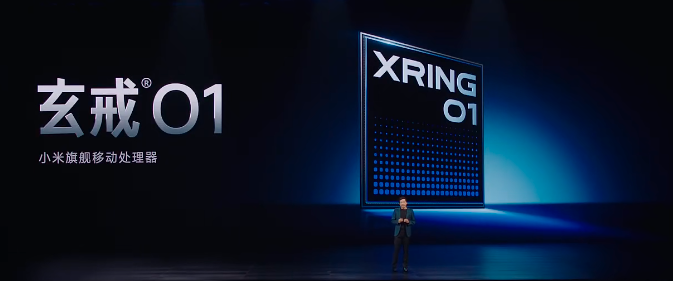
Core Viewpoint - Xiaomi has officially launched its self-developed SoC chip "Xuanjie O1," aiming to compete with industry leaders like Apple, Qualcomm, and MediaTek, marking a significant breakthrough in China's semiconductor industry [1][4][5]. Group 1: Chip Development and Performance - The Xuanjie O1 chip utilizes a second-generation 3nm process technology, featuring 190 billion transistors and a chip area of only 109mm [1][4]. - The chip achieved an impressive AnTuTu benchmark score exceeding 3 million, indicating its high performance [2][3]. - Xiaomi plans to invest at least 50 billion yuan (approximately 7.1 billion USD) in ongoing research and development over the next decade [4]. Group 2: Market Position and Strategy - Xiaomi aims to position itself as the fourth company globally to release a self-developed 3nm mobile processor, following Apple, Qualcomm, and MediaTek [5]. - The company has invested over 13.5 billion yuan (approximately 1.9 billion USD) in chip development since 2021, with a team of 2,500 people dedicated to this effort [5]. - Xiaomi's strategy involves a long-term investment approach similar to its automotive business, focusing on iterative product development to ensure competitiveness in the flagship market [9]. Group 3: Challenges and Controversies - There are concerns regarding the reliance on TSMC for chip manufacturing and the potential supply chain risks amid increasing U.S. semiconductor export controls [6]. - Some critics question whether the chip's design is merely a "shell" around MediaTek's baseband, although others argue that this approach mitigates complex patent licensing issues [5][6]. - The commercial viability of the Xuanjie O1 chip is under scrutiny, with a need to sell over 10 million units within a year or two to avoid financial losses [9].
小米3nm旗舰芯片亮相!雷军哽咽:坚持下去,坚持到最后胜利
Zheng Quan Shi Bao· 2025-05-22 14:00
Core Viewpoint - Xiaomi's 15th anniversary event highlighted the launch of its self-developed 3nm flagship processor, Xuanjie O1, and the SUV model, Xiaomi YU7, indicating a significant step in the company's ambition to become a leading technology firm in the semiconductor space [1][3]. Group 1: Processor Development - The Xuanjie O1 processor is designed to compete with Apple's advanced chips, achieving peak performance improvements of 36% while maintaining low power consumption [3][8]. - The processor features a ten-core architecture with Cortex-X925 dual super-large cores and a 16-core GPU, showcasing strong graphics processing capabilities [8][11]. - Xiaomi plans to invest 200 billion yuan in R&D over the next five years, doubling its previous investment of 102 billion yuan from 2021 to 2025 [5]. Group 2: Company Vision and Challenges - Xiaomi's founder, Lei Jun, emphasized the necessity of chip development for the company's future, stating that it is a critical challenge that cannot be avoided [3][10]. - The company has faced significant challenges in its chip development journey, which began in 2014, with a renewed focus on large chip development starting in 2021 [13][15]. - Lei Jun noted that the lifecycle of large chips is short, requiring substantial sales volumes to be profitable, which adds pressure to the development process [17]. Group 3: Long-term Commitment - Xiaomi has committed to a long-term investment strategy, planning to invest at least 50 billion yuan over the next decade in chip development [17]. - The company has already invested 13.5 billion yuan in the current chip development cycle, with a team of over 2,500 people dedicated to this effort [15][17]. - Lei Jun expressed confidence that, despite being a latecomer in the semiconductor industry, Xiaomi has the potential to succeed through perseverance and innovation [3][17].
小米发布自研玄戒芯片,采用3nm工艺制程,雷军:对标苹果,芯片投入国内前三
Sou Hu Cai Jing· 2025-05-22 13:51
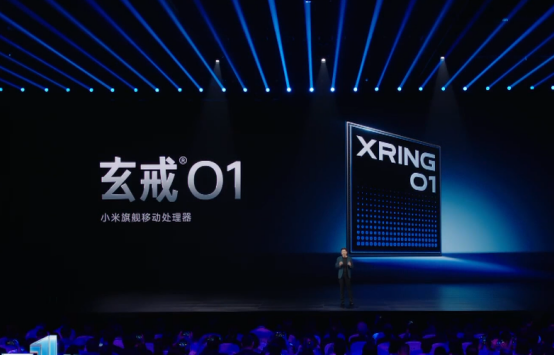
Core Viewpoint - Xiaomi is committed to investing 200 billion yuan in core technology research and development over the next five years, emphasizing its focus on technology as a foundation for growth [2] Group 1: Chip Development - Xiaomi has launched its self-developed Xuanjie O1 chip, which is designed to compete with Apple's latest A18 Pro chip, featuring similar transistor scale and process technology [2][3] - The Xuanjie O1 chip utilizes a second-generation 3nm advanced process, integrates 19 billion transistors, and has a chip area of only 109mm² [3] - The chip's AnTuTu score reached 3 million points, with a ten-core four-cluster CPU architecture that includes dual Cortex-X925 super-large cores, achieving a 36% peak performance increase [3][4] Group 2: Performance Comparison - While the single-core performance of the Xuanjie O1 lags behind Apple's, its multi-core performance surpasses Apple's, and its GPU performance is also ahead with a 35% lower power consumption [4] - Xiaomi has also introduced the Xuanjie T1 chip for its smartwatches and a self-developed "Xiaomi 4G baseband" for independent 4G eSIM communication [4] Group 3: Investment and Team Size - Xiaomi's chip development journey began in September 2014, with a total investment of 13.5 billion yuan in the Xuanjie chip development and a budget of 6 billion yuan for this year [5] - The chip team has grown to over 2,500 members, making Xiaomi one of the top three companies in China in terms of investment scale and team size [5] Group 4: Market Challenges - The lifecycle of large chip businesses is long, with a need to sell millions of units within a couple of years to remain viable, highlighting the intense competition in the field [6] - Xiaomi's strategy to develop large chips is driven by its ambition to become a leading technology company, viewing chip development as a necessary challenge to overcome [6]
小米YU7正式发布,“19万9不可能”,一文速览小米新品发布会
Feng Huang Wang· 2025-05-22 13:44
Group 1 - Xiaomi held its 15th anniversary strategic product launch event, introducing multiple products across four key areas: chips, smartphones, tablets, and automobiles [1] - The company plans to invest 200 billion yuan in research and development over the next five years (2026-2030) [1] - Xiaomi's chips aim to compete with Apple's offerings [1] Group 2 - The Xiaomi 15S Pro and Xiaomi Pad 7 Ultra both feature the newly developed "Xuanjie O1" 3nm flagship processor, which includes 19 billion transistors and has a die area of 109mm², achieving a lab score exceeding 3 million [3] - The starting price for the Xiaomi 15S Pro is 5,499 yuan, featuring a custom design for the 15th anniversary, 4K night video capabilities, and a 6100mAh battery [3] - The Xiaomi Watch S4 was launched, equipped with the self-developed Xuanjie T1 long-lasting 4G watch chip, priced at 1,299 yuan [4] Group 3 - The Xiaomi YU 7 was officially launched, positioned as a "luxury high-performance SUV," featuring the Xiaomi Super Motor V6s Plus with a maximum power of 690PS and a 0-100 km/h acceleration time of 3.23 seconds [4][5] - The YU 7 has a standard version with a range of 835 kilometers and will not disclose the official price until July [5] - Xiaomi has delivered over 258,000 units of the SU7 model [4]
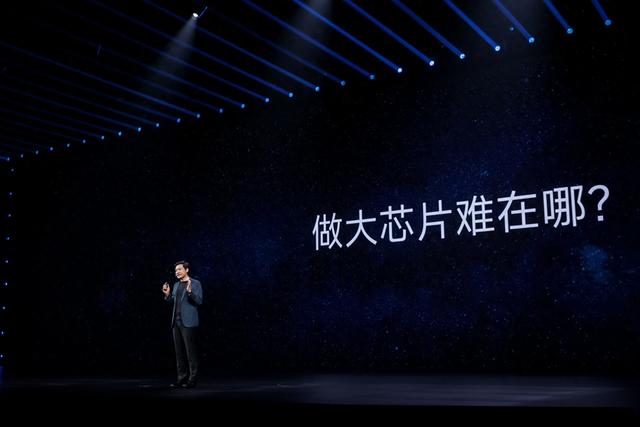
小米自研芯片亮相!雷军:这是场绕不过去的硬仗
Bei Jing Ri Bao Ke Hu Duan· 2025-05-22 13:31
Core Viewpoint - Xiaomi has officially entered the 3nm chip design arena, becoming the first in mainland China and the fourth globally to develop flagship SoC chips, marking a significant advancement in the semiconductor industry and filling a gap in China's capabilities [1][5]. Group 1: Chip Development and Investment - The development of a single chip requires substantial investment, typically between $1.5 billion to $2 billion, translating to an annual expenditure of approximately 5 billion to 6 billion yuan [3]. - Xiaomi's recent chip development efforts have seen a cumulative investment exceeding 13.5 billion yuan over the past four years, with a research team of over 2,500 people, ranking among the top three in China's semiconductor design sector [5]. Group 2: Importance of Chip Technology - High-end SoC chips are crucial for enhancing user experience in smartphones, affecting factors such as heat generation, battery life, and gaming performance [4]. - Major smartphone manufacturers, including Apple and Samsung, have developed their own chip design capabilities to maintain technological leadership and improve user experience [4]. Group 3: Historical Context and Future Plans - Xiaomi's journey in chip development began in 2014, with the first chip, "Surge S1," launched in 2017, but faced setbacks that led to a pause in large-scale chip development [4]. - The company has plans to invest 200 billion yuan in research and development over the next five years to continue advancing in hard technology [5].