
中国式现代化

Search documents
省政府与省总工会第三十一次联席会议召开
Shan Xi Ri Bao· 2025-12-18 00:42
赵刚强调,要围绕一体推进优势产业巩固、传统产业升级、未来产业培育和现代服务业提质等重点 任务,持续深化产业工人队伍建设改革,着力建设一支与陕西产业发展高度契合的产业工人队伍,助力 构建具有陕西特色的现代化产业体系。要加强领军人才、高技能人才、急需紧缺人才培养,建好用好劳 模和工匠人才创新工作室,动员广大职工积极开展面向生产全过程的技术革新、技术创新、技术攻关、 技术创造,在创新驱动发展中发挥更大作用。要坚持党对工会的全面领导,加强职工思想政治引领,完 善产业工人技能形成、职业发展、待遇水平等方面的政策保障,做好职工维权服务,积极构建和谐劳动 关系。省政府将一如既往支持省总工会依法依章程开展各项工作,进一步健全完善政府与工会联席会议 制度,强化沟通协作和政策保障,共同办好服务广大职工群众的好事实事。 会议研究了完善陕西省企事业单位民主管理工作机制,推动劳模精神、劳动精神、工匠精神走近机 关干部等议题。 省政府秘书长吕来升,省直有关部门负责同志和劳模代表、职工代表参加会议。(记者:孙鹏) 12月17日,省政府与省总工会举行第三十一次联席会议,省长赵刚出席并讲话。省人大常委会副主 任、省总工会主席李晓英就会议议题进 ...
帮助广大台商台企把握“十五五”发展机遇
Ren Min Ri Bao Hai Wai Ban· 2025-12-18 00:38
Group 1 - The core viewpoint of the article emphasizes the importance of strengthening cross-strait economic cooperation and deepening integration development, providing stable expectations and innovative momentum for Taiwanese businesses [1][2] - The Hainan Free Trade Port will officially start its full island closure operation on December 18, 2025, marking a significant move towards high-level opening-up and the construction of an open world economy [1][2] - The special regulatory model of "one line open, two lines controlled, and free within the island" will be fully implemented in Hainan, with tax policies centered on "zero tariffs, low tax rates, and simplified tax systems" to enhance business vitality and improve consumer supply quality [2][3] Group 2 - The selection of the character "势" (trend) as the annual character for cross-strait relations reflects the shared perception of the historical trend towards national reunification and rejuvenation among people on both sides [2][3] - The article highlights the increasing participation of Taiwanese compatriots in the national rejuvenation efforts, emphasizing that unification is a common aspiration and a necessary requirement for the great rejuvenation of the Chinese nation [3] - The article calls for unity among Taiwanese compatriots to seize historical opportunities, enhance mutual benefits through cooperation, and strengthen the foundation for national reunification [3]

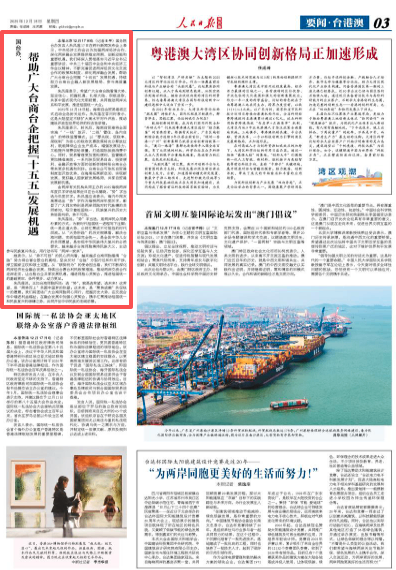
中国共产党苏州市第十三届委员会第十一次全体会议决议
Su Zhou Ri Bao· 2025-12-18 00:26
Core Points - The meeting emphasized the importance of implementing the spirit of the 20th National Congress and the 20th Central Committee meetings, highlighting the need for unity in thought and action to align with the Central Committee's decisions [2][3][5] - The meeting recognized significant achievements during the 14th Five-Year Plan period, noting that Suzhou has maintained high-quality development despite challenges such as the pandemic [4][6] - The meeting outlined the main goals for the 15th Five-Year Plan period, focusing on sustainable economic growth, technological innovation, and improving the quality of life for residents [7][8] Group 1: Meeting Overview - The meeting was attended by 48 members of the municipal committee and 4 alternate members, along with representatives from various sectors [1] - The meeting was chaired by the municipal standing committee, with a report presented by the municipal secretary [2] Group 2: Achievements and Future Goals - The meeting acknowledged the successful implementation of major strategies that have led to economic recovery and growth, emphasizing the importance of innovation and reform [3][4] - Key goals for the 15th Five-Year Plan include enhancing economic strength, promoting technological integration, and improving public welfare [7][8] Group 3: Strategic Initiatives - The meeting proposed several strategic initiatives, including the "Suzhou Intelligent Manufacturing" project and efforts to enhance cultural heritage and tourism [8] - Emphasis was placed on the need for a high-level open economy and the integration of rural revitalization strategies [8]
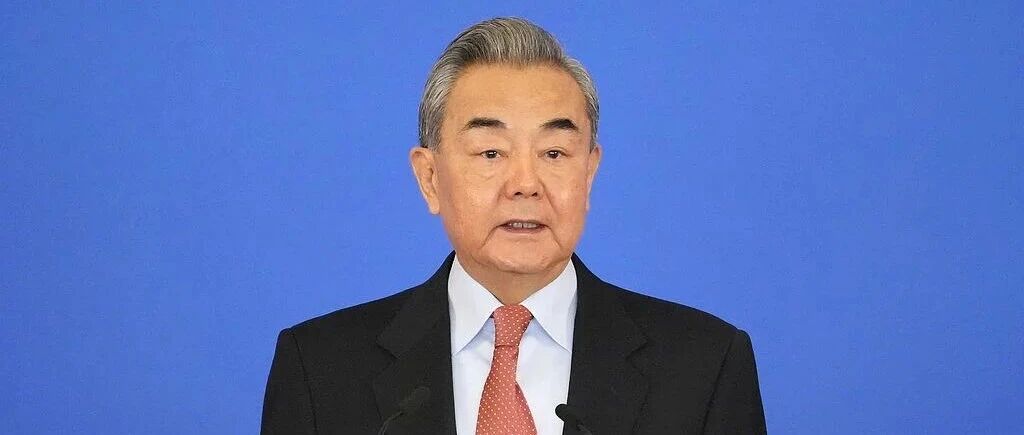
王毅人民日报撰文
财联社· 2025-12-18 00:24
中央外事工作委员会办公室主任,外交部部长王毅 在 人民日报 发表 署名文章《学 思践悟 习近平 外交思 想 砥砺奋进民族复兴新征程》。 以下为原文: 学思 践悟 习近平 外交 思想 砥砺奋进民族复兴新征程 王毅 新时代新征程,以 习近平 同志为核心的党中央深刻把握中国和世界发展大势,在对外工作上进行一系列重大理论和实践创新,领导我国对 外工作取得历史性成就、发生历史性变革, 习近平 外交思想不断得到丰富和发展。不久前,《 习近平 外交思想学习纲要(2025年版)》 出版发行,全面反映 习近平 新时代中国特色社会主义思想在外交领域的原创性贡献和最新发展,为广大党员干部群众学习贯彻 习近平 外 交思想提供了权威辅助读物。 习近平 总 书记 指出,党的理论创新每前进一步,理论武装就要跟进一步。我们要及时跟进学习 习近平 外交思想 最新发展,深刻把握其科 学体系、精神实质、实践要求,持续用党的创新理论统一思想、指导行动。 一 习近平 外交思想是不断发展的、开放的马克思主义理论,始终站在时代最前沿,回答世界新课题,为中国外交勇毅前行提供强大思想武器 和科学行动指南。 纵观历史,人类社会呼唤新型的国际关系理论,既是民族的 ...
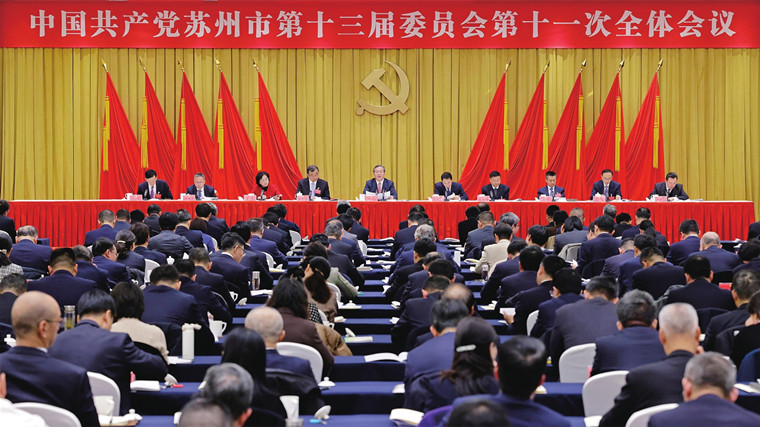
中共苏州市委十三届十一次全会举行
Su Zhou Ri Bao· 2025-12-18 00:16
Core Points - The meeting emphasized the importance of implementing Xi Jinping's thoughts and the directives from the 20th National Congress and subsequent meetings, focusing on high-quality development and innovation [4][5] - The meeting approved the proposal for the 15th Five-Year Plan for economic and social development in Suzhou, highlighting key tasks and goals for the upcoming period [5][6] Group 1 - The meeting recognized the achievements made during the 14th Five-Year Plan period and stressed the need for a comprehensive approach to modernize Suzhou's economy and society [4][5] - Key initiatives include the "Suzhou Intelligent Manufacturing" project, aimed at establishing Suzhou as a global leader in intelligent manufacturing [5][6] - The meeting outlined a focus on cultural empowerment for economic development, emphasizing the protection of historical sites and the promotion of the cultural tourism industry [6][7] Group 2 - The meeting called for a strong emphasis on party leadership and the need for high-quality governance to drive high-quality development [6][7] - It highlighted the importance of creating a favorable business environment and ensuring stability in employment, enterprises, and market expectations [7][8] - The meeting concluded with decisions regarding the appointment and termination of certain party representatives, indicating ongoing organizational adjustments [8]
接续奋斗勇毅前行再谱华章
Su Zhou Ri Bao· 2025-12-18 00:16
Core Viewpoint - The article discusses the strategic planning and development goals for Suzhou during the "15th Five-Year Plan" period, emphasizing the importance of high-quality development and the role of the Communist Party in guiding this process [1][2][4]. Group 1: Development Achievements - The "14th Five-Year Plan" period has seen significant achievements in Suzhou, including enhanced comprehensive strength, new steps in reform and opening up, and improved living standards [2][4]. - The city's development is attributed to the leadership of the Communist Party and the implementation of Xi Jinping's thoughts, which have provided a solid foundation for future progress [2][4]. Group 2: Strategic Focus for the Future - The "15th Five-Year Plan" is identified as a critical period for solidifying the foundation of socialist modernization, with both opportunities and challenges ahead [3][4]. - The plan includes eight key areas for continuous improvement and twelve major projects, reflecting a balance between leadership and practicality [4]. Group 3: Political and Organizational Leadership - The article emphasizes the necessity of strong political leadership and the importance of the Communist Party's role in driving high-quality development [5]. - There is a call for enhancing grassroots party organization to effectively support reform and development efforts [5].
“关键小事”实为头等大事
Bei Jing Ri Bao Ke Hu Duan· 2025-12-18 00:14
Group 1 - The core idea emphasizes the importance of connecting national priorities with grassroots issues to enhance people's quality of life [1][2][4] - The 15th Five-Year Plan is a significant guiding document for economic and social development, expected to have a profound impact on the country's progress [2][3] - The focus on people's needs, such as improving living standards and addressing urgent issues, is central to the development strategy [3][4] Group 2 - The relationship between large national goals and small everyday matters is crucial for effective governance and reform [4] - The government's commitment to reforms that resonate with the public's needs has resulted in tangible benefits for the people [3][4] - The connection between the Party and the masses is vital for sustaining the Party's vitality and ensuring the implementation of national strategies [3][4]
学习贯彻二十届中央纪委四次全会精神丨推动正风反腐一体深化
Zhong Yang Ji Wei Guo Jia Jian Wei Wang Zhan· 2025-12-18 00:06
Group 1 - The core viewpoint emphasizes the importance of addressing the intertwined issues of corruption and misconduct within the party to ensure effective governance and maintain public trust [3][4][5] - The initiative of "wind and corruption together" is seen as a strategic necessity for deepening the comprehensive strict governance of the party, highlighting the need for a systemic approach to tackle these issues [3][4][6] - The article outlines the critical role of the disciplinary inspection and supervision agencies in promoting self-revolution within the party, aiming to create a favorable political ecology and development environment [2][4][5] Group 2 - The article stresses that addressing corruption is essential for safeguarding the party's vitality and combat effectiveness, as it poses the greatest threat to the party's long-term governance [4][5][6] - It highlights the need for a dual approach of addressing both misconduct and corruption simultaneously, as they are interrelated and can exacerbate each other [4][7][8] - The importance of maintaining public trust and ensuring that anti-corruption efforts benefit the populace is emphasized, as corruption undermines social justice and public welfare [5][6][10] Group 3 - The article discusses the necessity of a coordinated effort among various departments to effectively combat corruption and misconduct, advocating for a comprehensive responsibility system [7][8][9] - It suggests that the fight against corruption should be data-driven and utilize modern technology to enhance oversight and accountability [10][12] - The need for continuous improvement in the political ecology and the establishment of a transparent and accountable governance framework is highlighted as a long-term goal [11][12]
汇聚发展信心 共谱时代新篇——学习贯彻党的二十届四中全会精神省委宣讲团宣讲活动综述
He Nan Ri Bao· 2025-12-17 23:48
冬日中原,气象万千,学习贯彻党的二十届四中全会精神的热潮正鼓舞人、激励人。 按照省委统一部署,连日来,学习贯彻党的二十届四中全会精神省委宣讲团成员分赴全省各地各系统各 单位,对全会精神作系统宣讲。截至目前,省委宣讲团共开展各种形式的宣讲活动96场、直接受众4万 余人,带动全省开展对象化、分众化、互动化宣讲5562场,覆盖受众54万余人次。 一场场主题鲜明、内容鲜活的解读阐释,一番番耐心细致、坦诚热情的问答交流,将党的二十届四中全 会精神全面、准确、生动地传递到广大党员干部群众之中,有效凝聚了共识、增强了信心、激发了干 劲,汇聚起奋力谱写中原大地推进中国式现代化新篇章的磅礴力量。 精心部署高位推动 兴起宣讲热潮 谋篇布局方能行稳致远,凝心铸魂重在精准发力。 省委高度重视全会精神的学习宣传贯彻工作,将其作为当前和今后一个时期的重大政治任务,高站位谋 划、高标准推进、高质量落实。 全会刚刚闭幕,省委第一时间召开省委常委会扩大会议,传达学习全会精神、研究部署落实举措。同 时,印发我省《关于做好党的二十届四中全会精神学习宣传的通知》,细化任务清单、明确责任分工。 省委理论学习中心组举行集体学习,在深学细悟中把握核心要义 ...
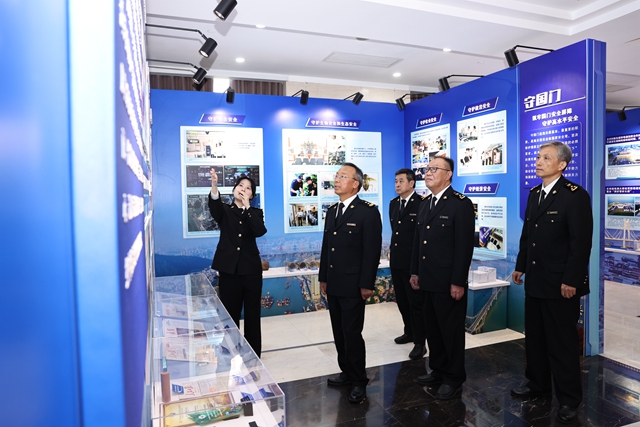
坚决维护国家安全和社会稳定(权威访谈·学习贯彻党的二十届四中全会精神)
Ren Min Ri Bao· 2025-12-17 22:44
这是助力实现高质量发展和高水平安全良性互动的前提基础。安全是发展的前提,发展是安全的保障。 这5年,党中央把统筹发展和安全贯穿到党和国家工作各方面、全过程,在发展中固安全,在安全中谋 发展,我国成功续写经济快速发展和社会长期稳定两大奇迹新篇章。"十五五"时期是基本实现社会主义 现代化夯实基础、全面发力的关键时期,夯实基础就是更加关注对发展和安全具有基础性影响的事,巩 固拓展优势、补强短板弱项,使发展根基更稳、韧性更强。这就要求我们充分发挥职能作用,把统筹发 展和安全摆在更加突出位置,将安全同经济社会发展一起谋划、一起部署,以新安全格局保障新发展格 局,确保社会生机勃勃又井然有序。 这是加快推进国家安全体系和能力现代化的应有之义。国家安全体系和能力现代化是推动中国式现代化 不断向前发展的重要保障。5年来,我们牢记习近平总书记嘱托,全面强化打防管控建各项机制措施, 我国成为世界上命案发案率最低、刑事犯罪率最低、枪爆案件最少,公认最安全的国家之一,全国群众 安全感满意度连续5年保持在98%以上。"十五五"时期我国发展环境面临深刻复杂变化,战略机遇和风 险挑战并存、不确定难预料因素增多。这就要求我们强化底线思维和极限 ...