抗日战争

Search documents
起来!起来!
Liao Ning Ri Bao· 2025-06-13 02:20
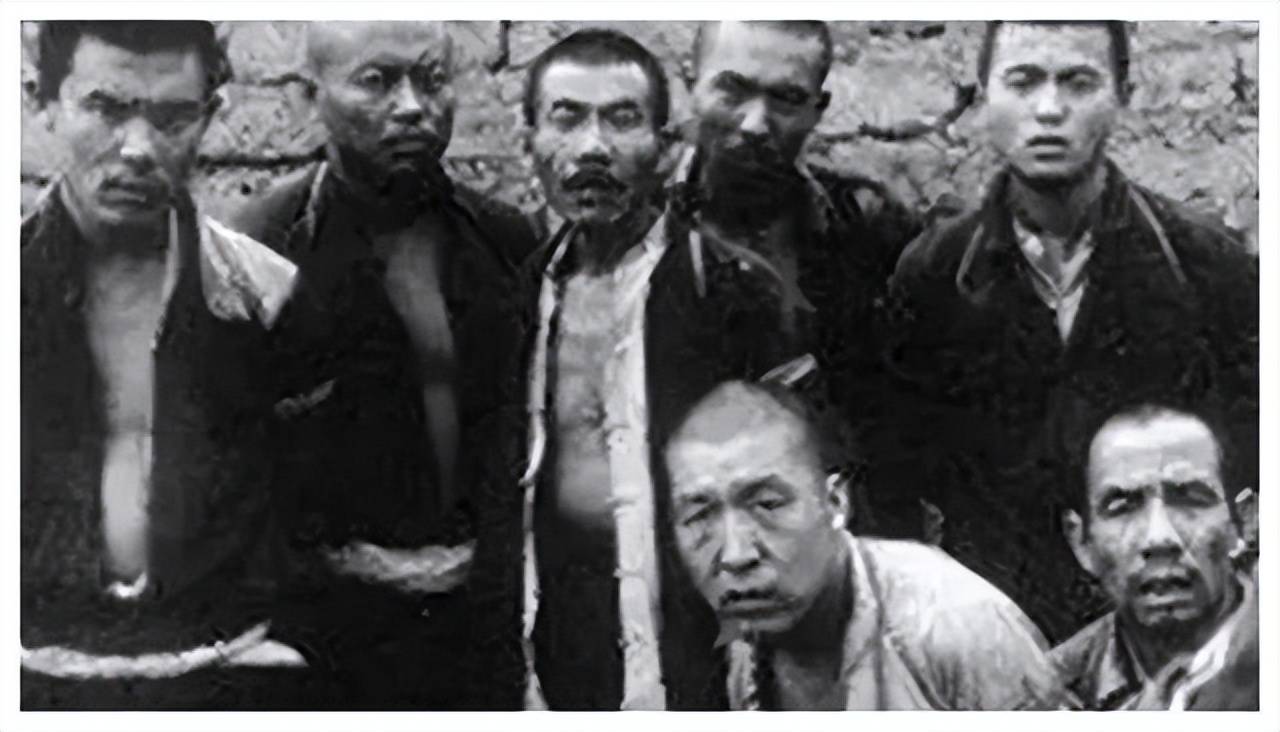
数十万义勇军以血肉搏寸土 起来!起来! 东北抗日义勇军纪念馆内陈列的《血肉长城》群雕版画。 本报记者 田勇 摄 本报记者 张颖 丁克、丁世恩、马占山、王凤阁、邓铁梅……王介予、孙忠臣。 本溪桓仁,东北抗日义勇军纪念馆的名录墙上,二千二百三十五个名字静静排列。十四年抗战,众多义 勇军将士血洒疆场。然而,从浩如烟海的史料与记忆碎片中打捞起的姓名,不过是其中极小的一部分。 "王介予、孙忠臣",是这面不断延伸的名录墙上,最新镌刻的两个名字。 2235个名字 步入东北抗日义勇军纪念馆,时光仿佛凝固。气势磅礴的雕塑群眼神如炬;展柜中,残破的衣帽、锈蚀 的刀枪、泛黄的纸页……无声地诉说着14年间白山黑水间那场气壮山河的悲壮史诗。 "从2015年筹建纪念馆开始,我们一直在寻访抗日义勇军老战士的信息。"东北抗日义勇军纪念馆副馆长 邢燕来说。2024年,一个名字被重新点亮——孙忠臣的外孙周世森来到馆内,郑重捐赠了珍藏的外公的 印章和烟口袋。经相关部门严谨查证,历史终于确认:孙忠臣,曾参加义勇军大刀队及东北抗联。1937 年2月,他在"西江惨案"中幸存,成为那段血火岁月的珍贵见证者。他也成为纪念馆名录墙上的第2235 个名字。 9 ...


纪念抗战胜利80周年学术研讨会在香港举行
Xin Hua Wang· 2025-06-12 12:19
Core Viewpoint - The international academic seminar commemorating the 80th anniversary of the victory in the Chinese People's Anti-Japanese War and the World Anti-Fascist War was held in Hong Kong, highlighting the historical significance of Hong Kong's role during the war and the importance of patriotism education [1][2]. Group 1 - The seminar featured over a hundred experts and scholars from various regions, including mainland China, Hong Kong, Macau, and countries like Russia, the UK, and Serbia [1]. - Hong Kong's Chief Executive, John Lee, emphasized the city's historical role as a vital transportation hub for supplying materials during the war and announced a series of commemorative activities to enhance patriotic education [1]. - The President of the Chinese Academy of Social Sciences, Gao Xiang, noted the deep-rooted tradition of patriotism among Hong Kong residents and the importance of reflecting on history to support Hong Kong's prosperity and stability [1]. Group 2 - Key speakers at the seminar included Zhang Haipeng, who discussed the victory in the Anti-Japanese War as a pivotal point for the rejuvenation of the Chinese nation, and other scholars who addressed various aspects of the war's significance [2]. - The discussions also focused on Hong Kong's important position in the Anti-Japanese War, Macau's role as a transit point, and the broader implications of the Chinese Anti-Japanese War within the context of the World Anti-Fascist War [2]. - The seminar was co-hosted by several institutions, including the Chinese Academy of Social Sciences and the Hong Kong Chinese Academy of Studies, indicating a collaborative effort to promote historical research and education [2].
定格华侨华人的空中英姿(侨·博物馆④)
Ren Min Ri Bao Hai Wai Ban· 2025-06-10 22:50
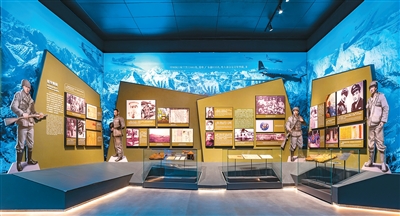
Core Viewpoint - The article highlights the significant contributions of overseas Chinese, particularly from the Wuyi region, to the Flying Tigers during World War II, as well as the efforts of the Jiangmen Museum to preserve and showcase this history through various exhibits and donations from the diaspora [4][5][11]. Group 1: Historical Context - Jiangmen City, known as a prominent overseas Chinese hometown, has around 5.36 million overseas Chinese descendants spread across 145 countries [4]. - The Flying Tigers, formed in 1941, included over 1,000 Chinese-American pilots, many of whom were from the Wuyi region, contributing significantly to the anti-Japanese war efforts [6][11]. - The Jiangmen Museum houses a diverse collection of artifacts related to the Flying Tigers, showcasing the close ties between overseas Chinese and the squadron [5][9]. Group 2: Donations and Contributions - Notable donations include a piece of a Japanese Zero fighter plane wing, collected by Li Gengshen, a member of the Flying Tigers, which is now displayed in the museum [5]. - The museum has received over 600 historical items from overseas Chinese, organized by Chen Canpei, who mobilized efforts to collect and donate artifacts related to the Flying Tigers [7][8][9]. - The museum's collection includes various items donated by Chinese-American veterans and their families, reflecting their contributions to the war [6][10]. Group 3: Museum Initiatives - The Jiangmen Museum employs innovative methods to engage the public, including themed exhibitions, interactive games, and educational materials related to aviation history [10][11]. - The museum plans to launch an original themed exhibition in 2024, focusing on the contributions of Wuyi aviation figures over the past century [10]. - The museum aims to enhance public awareness of the Flying Tigers and the broader aviation culture of the Wuyi region through diverse activities and outreach [11].
“是老百姓的支持,让我们夺得了胜利”(时空对话)
Ren Min Ri Bao· 2025-06-10 09:10
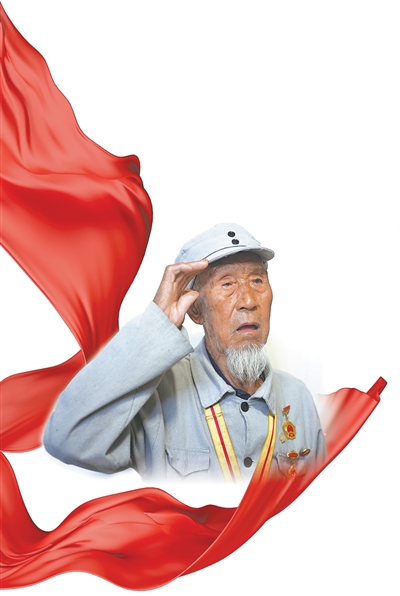
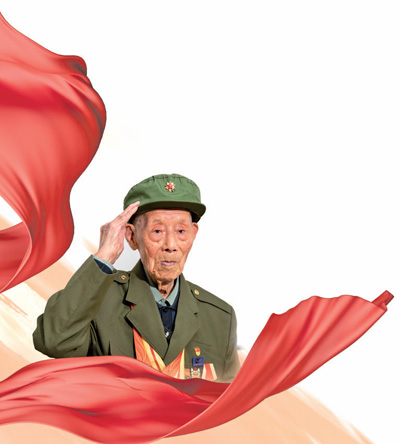
Core Viewpoint - The article highlights the life and contributions of Du Shilin, a centenarian veteran who participated in the anti-Japanese resistance during World War II, emphasizing his dedication to both military service and agricultural work in his later years [7][12]. Group 1: Early Life and Military Involvement - Du Shilin joined the anti-Japanese children's group at the age of 11, motivated by the desire for food and influenced by his uncle, who was a guerrilla leader [8]. - He undertook various roles, including gathering intelligence for the guerrilla forces, and demonstrated bravery by enduring torture without revealing military secrets when captured by the Japanese [9]. Group 2: Community Support and Military Discipline - The article discusses the strong bond between the Eight Route Army and local civilians, highlighting how the army's strict discipline earned the trust and support of the people [10]. - Du Shilin recalls instances where local residents provided food and assistance to soldiers, showcasing the mutual respect and cooperation during the war [10]. Group 3: Post-War Life and Legacy - After the war, Du Shilin returned to farming and continued to share his experiences with younger generations, emphasizing the importance of hard work and appreciation for the peace achieved through sacrifice [12][14]. - His recent trip to Beijing fulfilled a long-held wish to honor his fallen comrades, reflecting his enduring commitment to the values of service and remembrance [12].

抗战影像记忆|他们,这样长大
Xin Hua She· 2025-06-01 12:36
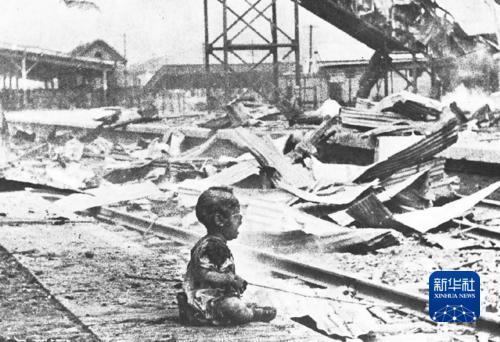
1937年,卢沟桥事变爆发,拉开了日本全面侵华的序幕。侵略者的铁蹄,蹂躏着祖国大好山河。多少人,成长在烽火狼烟之中。 1937年8月28日,日军轰炸上海南站,炸死候车妇孺200余名,一个满身是血的幼儿嚎啕大哭。王小亭 摄 中国共产党领导的敌后抗日根据地建立起抗日儿童团组织。艰苦的战争岁月里,儿童团员们不但没有放弃学习,还常常帮助游击队站岗、放 哨,捉汉奸、打鬼子,成了子弟兵的好帮手,涌现出了一大批少年英雄。 放学回来(1941年,太行山区)。徐肖冰 摄 危急存亡之秋,四万万同胞万众一心,共赴国难,这当中就有不少稚嫩的面庞。 战火,吞噬了孩子们本该绚烂多彩的童年。也正是战火,淬炼了孩子们的意志与勇气。在战争中,他们学会了战斗;在战斗中,他们成长为英 雄。 抗日战争时期,儿童团员在村口路边站岗放哨,保卫根据地。石少华 摄 1940年6月,河北唐县的儿童团员在查路条。沙飞 摄 晋察冀边区的儿童团员们列队高歌。赵烈 摄 太行解放区的儿童团。徐肖冰 摄 抗战时期,晋察冀边区儿童团的孩子在站岗放哨时教路过的乡民识字"加紧春耕"。沙飞 摄 1943年,陕甘宁边区儿童在纺线。郑景康 摄 黄金似的谷穗,黄金似的童年。沙飞 摄 ...
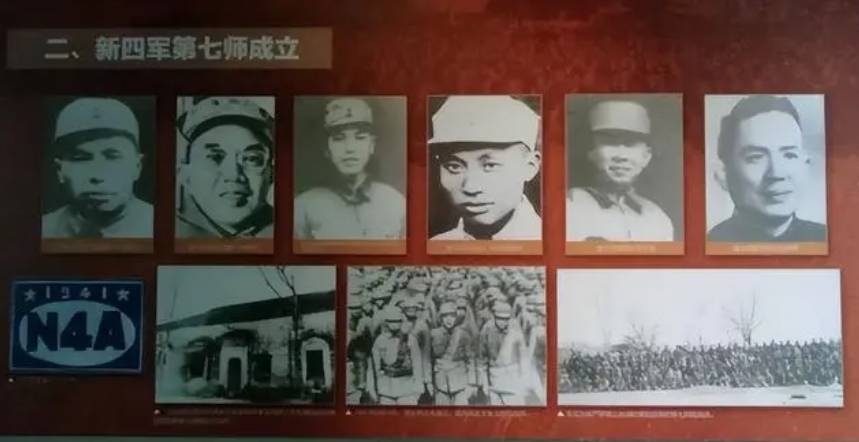
新四军第7师有多牛?一年收入高达6000余万元,能养活20个甲种师
Sou Hu Cai Jing· 2025-05-28 09:41
Core Viewpoint - The New Fourth Army's Seventh Division demonstrated remarkable economic resilience and growth during the difficult period of the Anti-Japanese War, becoming a financially strong and well-equipped military unit despite the overall economic hardships faced by other divisions [3][6][10]. Economic Conditions - The Seventh Division was able to generate significant financial resources, with its revenue exceeding 24 million yuan in 1943 and rising to 60 million yuan by 1944, while also providing substantial support to the military headquarters [6][12]. - In contrast, the New Fourth Army faced severe funding cuts from the Nationalist government, with monthly military expenses drastically reduced from 166,000 yuan to as low as 65,000 yuan, highlighting the financial struggles of other units [3][4]. Leadership and Strategy - Key figures such as Zeng Xisheng and Cai Hui played crucial roles in the economic development of the Seventh Division, implementing effective strategies that transformed the division from a poorly funded unit to one of the most prosperous in the region [8][12]. - Zeng Xisheng's leadership and strategic vision were instrumental in establishing the division's economic independence and resilience against multiple enemy forces [10][12]. Military Transformation - The Seventh Division evolved from a "strategic maneuvering force" to a main combat unit, significantly enhancing its military capabilities and equipment, which included acquiring Japanese-style weaponry [5][12]. - The division's growth in personnel from a few thousand to over 30,000, along with the establishment of local militia forces, underscored its transformation into a formidable military presence [12]. Economic Initiatives - The establishment of the Dajiang Bank and the issuance of Dajiang currency helped to bolster the local economy and reduce reliance on enemy-controlled currencies, further solidifying the division's financial stability [13]. - Initiatives such as providing interest-free loans to local farmers contributed to the economic vitality of the region, demonstrating the division's commitment to local development [13].
抗战史上的今天:5月24日
Guan Cha Zhe Wang· 2025-05-24 13:53
Group 1 - The article commemorates the 80th anniversary of the victory in the Chinese People's War of Resistance Against Japanese Aggression and the World Anti-Fascist War, highlighting significant historical events from that period [1] - The article features a daily retrospective on key events that occurred on the same date during the war, providing insights into military actions and political decisions made at the time [1] Group 2 - Various military operations and engagements are documented, including the occupation of territories by Japanese forces and the responses from Chinese military leaders [4][14][21] - Political discussions and decisions regarding ceasefire negotiations and military strategies are noted, reflecting the complexities of wartime governance and diplomacy [5][12][18] - The article also mentions the establishment of organizations and initiatives aimed at supporting the war effort and maintaining morale among the populace [31][37]
他是二野唯一一位副军职授中将的将领,曾有一段时间被限制使用?
Sou Hu Cai Jing· 2025-05-23 07:09
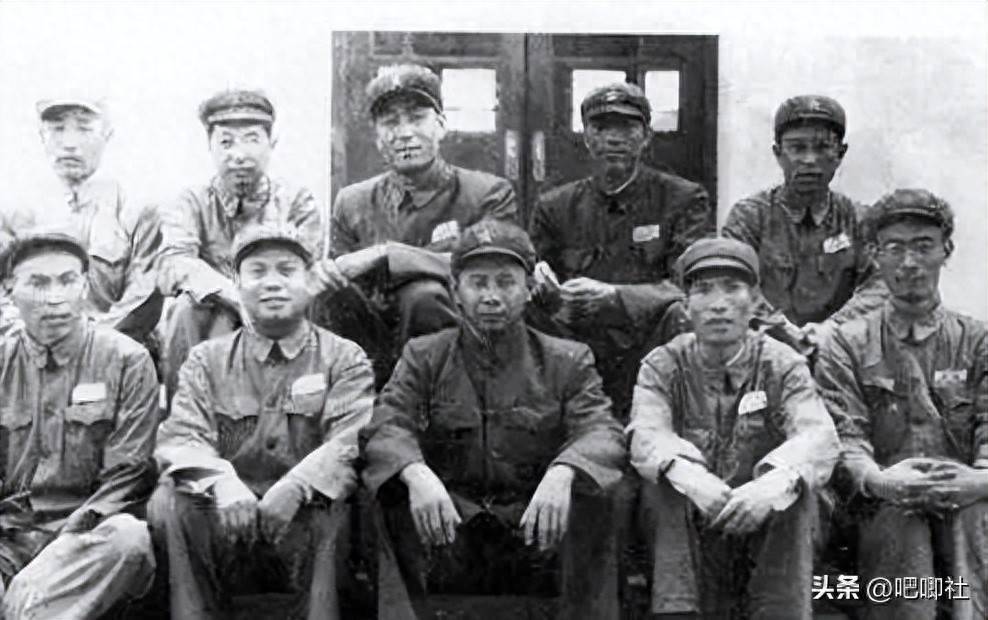
Group 1 - The Second Field Army ranks third among the four major field armies in China and consists of nine subordinate troops, forming a powerful combat cluster [1] - Notable commanders include several distinguished figures, with eight out of nine army leaders holding the rank of lieutenant general, highlighting their exceptional military command and tactical implementation skills [1] - Among the deputy army positions, only Chen Kang from the 13th Army holds the rank of lieutenant general, showcasing his low-profile yet capable leadership throughout his military career [1] Group 2 - During the Anti-Japanese War, Chen Kang faced significant challenges and was eventually able to return to the 129th Division after a series of setbacks [3] - His capabilities became evident during his service in the 386th Brigade, where he successfully completed tasks and gradually rose through the ranks to hold multiple positions [3] - In the Liberation War, Chen Kang participated in several key battles under the leadership of Chen Geng, demonstrating outstanding performance [5] Group 3 - Following the Yangtze River Crossing Campaign, Chen Kang took on various combat tasks and was promoted to army commander in 1952, reflecting his contributions in significant battles [7] - In 1955, he was appointed as deputy commander and provincial military district commander after two decades in Yunnan, later serving in the Lanzhou Military Region until retirement in 1981 [7]
“是个有良心的中国人,就应该站出来”(时空对话)
Ren Min Ri Bao· 2025-05-18 22:02
Core Viewpoint - The article commemorates the 80th anniversary of the victory in the Chinese People's War of Resistance Against Japanese Aggression and the World Anti-Fascist War, highlighting the sacrifices and stories of veterans like Li Jinshui, who fought bravely during this tumultuous period [4][5]. Group 1: Historical Context - The article emphasizes the significant contributions of the people of Wuxiang County during the Anti-Japanese War, with over 14,000 individuals participating in various anti-Japanese groups, and 1.46 million people joining the Eighth Route Army [9]. - Wuxiang County, with a population of only 140,000, saw 22,000 residents sacrifice their lives for the nation, with over 3,200 recorded as martyrs [10]. Group 2: Personal Stories of Veterans - Li Jinshui, born in 1927, joined the Eighth Route Army at the age of 17 and vividly recalls his experiences, including being wounded in battle and the camaraderie among soldiers [5][6]. - The article details Li's reflections on the hardships faced during the war, including the scarcity of resources and the innovative tactics employed by soldiers to combat the enemy [6][8]. Group 3: Legacy and Impact - The legacy of Li Jinshui's service continues through his family, with his son and grandson inspired by his stories and values, emphasizing the importance of remembering the sacrifices made during the war [7][8]. - Wuxiang County has preserved its revolutionary history, with numerous historical sites and a focus on promoting red tourism to honor the past and contribute to local development [10].
1944年,一土匪头子派人送来一张借条:希望新四军接济40万发子弹
Sou Hu Cai Jing· 2025-05-12 17:16
Core Points - The article narrates the story of Wang Dingshan, a bandit leader who transformed into a hero during the anti-Japanese war, highlighting his journey from a local bandit to a significant figure in the New Fourth Army [6][18] - It emphasizes the themes of justice, resistance against oppression, and the importance of unity in the face of adversity [10][16] Group 1: Background and Setting - In 1944, a small village in the mountains of Zhejiang was surrounded, with villagers facing dire circumstances and a lack of ammunition [1][3] - The villagers, led by Wang Dingshan, were contemplating their next steps as they awaited support from the New Fourth Army [5][10] Group 2: Wang Dingshan's Transformation - Wang Dingshan, originally a poor farmer, became a bandit after witnessing the oppression of his community by local landlords [6][9] - His initial acts of defiance against local bullies earned him respect among the villagers, who viewed him as a hero [10][11] Group 3: The Shift to Resistance - The arrival of Japanese invaders prompted Wang Dingshan to shift his focus from local banditry to fighting against the Japanese forces [10][11] - He began gathering intelligence on Japanese troop movements and successfully led ambushes against them, increasing his reputation and resources [11][13] Group 4: Alliance with the New Fourth Army - Wang Dingshan met Chen Liping, a secret member of the Communist Party, who helped him understand the revolutionary cause and invited him to join the New Fourth Army [13][15] - Despite initial hesitations, Wang accepted the proposal, recognizing the need for a united front against the Japanese [16][18] Group 5: Contributions and Legacy - After joining the New Fourth Army, Wang Dingshan's forces participated in significant battles against the Japanese, contributing to the broader liberation efforts [16][18] - His journey from a bandit to a celebrated hero illustrates the potential for individuals to rise above their circumstances and make impactful contributions to their country [18]