Artificial General Intelligence (AGI)

Search documents
Meta挖走三位OpenAI核心研究员,扎克伯格的“钞能力”奏效了
Hua Er Jie Jian Wen· 2025-06-26 06:53
Group 1 - Meta successfully recruited three core researchers from OpenAI, indicating the effectiveness of its aggressive hiring strategy led by CEO Mark Zuckerberg [1] - The recruited researchers, Lucas Beyer, Alexander Kolesnikov, and Xiaohua Zhai, were previously responsible for establishing OpenAI's Zurich office and joined Meta's Superintelligence team [1] - Zuckerberg's recruitment strategy includes offering over $100 million compensation packages to attract top talent from competitors like OpenAI [2] Group 2 - OpenAI CEO Sam Altman acknowledged the high offers from Meta but expressed confidence that their best talent has not accepted these proposals [2] - Meta's recent hiring of Alexandr Wang, CEO of Scale AI, for $14 billion marks one of the most expensive hires in tech history, although it has not successfully recruited other key figures from OpenAI [2] - Meta faced setbacks in the AI field, particularly with the disappointing performance of the Llama 4 model, which led to internal and external criticism regarding its capabilities [3] Group 3 - The launch of Meta's large model "Behemoth" has been delayed, raising concerns within the leadership about its competitive edge compared to products from OpenAI, Anthropic, and Google [3] - Zuckerberg's ambition for Meta to have the best AI product by year-end has resulted in increased pressure on the AI team, leading to long hours and unmet expectations [3]

刚刚,何恺明官宣入职谷歌DeepMind!
猿大侠· 2025-06-26 03:20
Core Viewpoint - Kaiming He, a prominent figure in AI and computer vision, has officially joined Google DeepMind as a distinguished scientist while retaining his position as a tenured associate professor at MIT, marking a significant boost for DeepMind's ambitions in artificial general intelligence (AGI) [2][5][6]. Group 1: Kaiming He's Background and Achievements - Kaiming He is renowned for his contributions to deep learning, particularly for developing ResNet, which has fundamentally transformed the trajectory of deep learning and serves as a cornerstone for modern AI models [5][17]. - His academic influence is substantial, with over 713,370 citations for his papers, showcasing his impact in the fields of computer vision and deep learning [17][18]. - He has received numerous prestigious awards, including the best paper awards at major conferences such as CVPR and ICCV, highlighting his significant contributions to the field [23][26]. Group 2: Implications of His Joining DeepMind - Kaiming He's expertise in computer vision and deep learning is expected to accelerate DeepMind's efforts towards achieving AGI, a goal that Demis Hassabis has indicated could be realized within the next 5-10 years [8][9]. - His recent research focuses on developing models that learn representations from complex environments, aiming to enhance human intelligence through more capable AI systems [16][17]. - The addition of Kaiming He to DeepMind is seen as a strategic advantage, potentially leading to innovative breakthroughs in AI model development [6][37].



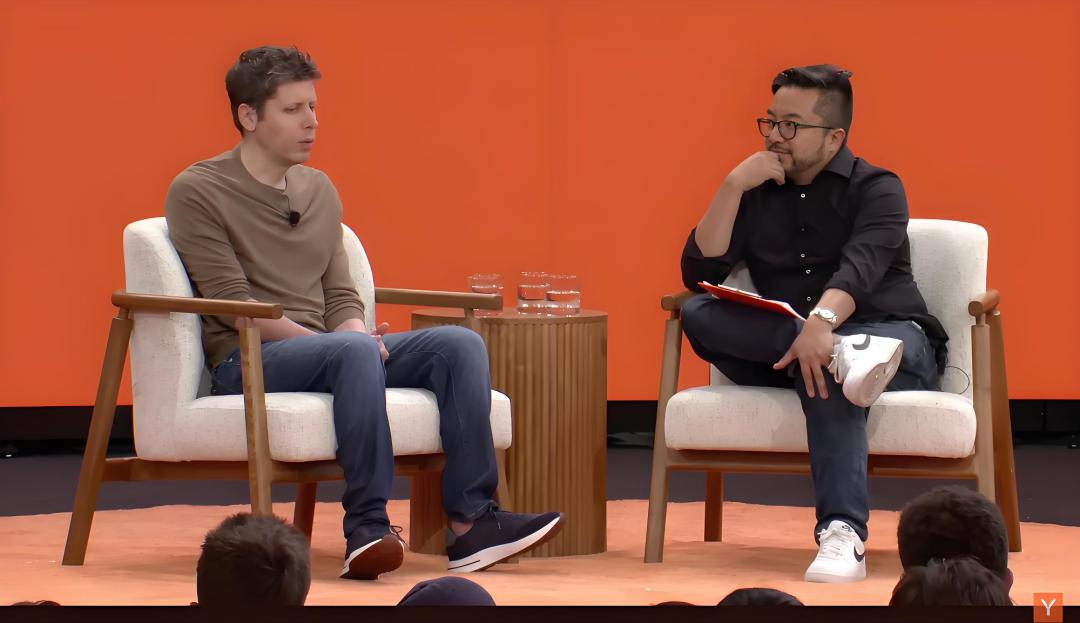
Sam Altman重磅官宣:OpenAI将推出开源模型,GPT5迈向完全多模态(万字完整实录)
3 6 Ke· 2025-06-23 02:22
Group 1 - OpenAI is set to release a powerful open-source model, GPT-5, which will support multiple input modalities including voice, images, code, and video, marking a significant step towards achieving full multimodal capabilities [1][18] - GPT-5 is expected to launch in the summer of this year and will enhance AI technology's accessibility and innovation [1][18] - The ultimate goal for OpenAI is to develop a fully multimodal model capable of deep reasoning, real-time video generation, and extensive code writing [1][18] Group 2 - Current AI models, such as GPT-3, have capabilities that exceed existing product applications, indicating a vast "product overflow" potential for new product development [2] - The cost of using AI models is rapidly decreasing, with GPT-3's costs dropping fivefold in just one week, suggesting a continuing trend of improved price-performance ratios [3][12] - ChatGPT's memory feature is evolving to create a more integrated user experience, allowing it to function as an operating system that connects various data sources [3][15] Group 3 - This year has been termed the "Year of the Agent," with AI agents being described as "Level 3 AGI" capable of performing tasks independently like a junior employee [4] - OpenAI's AGI framework categorizes the development of AGI into five levels, from conversational agents to organizational agents [4] Group 4 - Entrepreneurs are encouraged to seize the current technological transformation as the best time in history for startups, with AI expected to significantly enhance quality of life [5] - The rapid evolution of technology often leads to the downfall of large companies while smaller firms can iterate faster and at lower costs [5][30] Group 5 - OpenAI aims to foster an ecosystem where startups can leverage its platform to create innovative applications rather than merely replicating existing products like ChatGPT [21][22] - The company envisions a future where AI can seamlessly integrate into daily life, functioning as a proactive assistant that understands user needs [14][15]
Should You Buy Nvidia Stock Hand Over Fist Before June 25?
The Motley Fool· 2025-06-22 08:57
Core Viewpoint - Nvidia's upcoming shareholder meeting is unlikely to be a significant catalyst for its stock, but long-term investors may still consider buying shares before the meeting due to the potential growth in the AI sector [1][10]. Company Events - The annual shareholder meeting will primarily focus on electing the board of directors, with expected approval for the nominated slate [4]. - A vote on the advisory approval of executive compensation will take place, although it is non-binding [5]. - The meeting will also address the elimination of supermajority voting provisions, which requires a 66 2/3% shareholder vote to become effective [6]. - Three stockholder proposals will be discussed, including the elimination of the one-year holding period for special meetings and a request for enhanced public reporting on employee demographics [7][8]. Future Catalysts - The next significant event that could impact Nvidia's stock is the fiscal year 2026 second-quarter results scheduled for August 27, 2025, although it may not significantly affect the stock unless earnings estimates are exceeded [9]. - The adoption of AI and advancements in artificial general intelligence (AGI) are expected to provide substantial growth opportunities for Nvidia in the long term [10][11]. Valuation Perspective - Concerns about Nvidia's valuation persist, but if the AI market develops as anticipated, the company's growth could justify its current valuation [12].

Meta tried to buy Ilya Sutskever's $32 billion AI startup, but is now planning to hire its CEO
CNBC· 2025-06-19 23:27
Core Insights - Meta is aggressively investing in AI talent, recently hiring Scale AI founder Alexandr Wang as part of a $14.3 billion investment in the startup [1][6] - The company is also bringing on Daniel Gross, CEO of Safe Superintelligence, and former GitHub CEO Nat Friedman, indicating a strategic move to bolster its AI capabilities [2][4] - Meta's efforts to acquire Safe Superintelligence earlier this year were unsuccessful, as the startup was valued at $32 billion and its founder rebuffed Meta's attempts [3] Investment and Acquisitions - Meta's $14.3 billion investment in Scale AI includes acquiring a 49% stake in the startup while bringing on top engineers [6] - The company is also gaining a stake in NFDG, a venture capital firm co-founded by Gross and Friedman, as part of the hiring transaction [4] Competitive Landscape - The AI talent war is intensifying, with major companies like Meta, Google, and OpenAI competing to develop advanced AI technologies and achieve artificial general intelligence (AGI) [5] - OpenAI has also been aggressive in its hiring, offering substantial signing bonuses to attract talent, indicating a competitive environment for AI professionals [6][7] Key Personnel - Daniel Gross has a background as a successful entrepreneur and AI investor, previously leading machine learning efforts at Apple and co-founding Safe Superintelligence [8] - Nat Friedman has experience as the CEO of GitHub and has co-founded multiple startups, contributing to Meta's strategic hiring [9]

Microsoft-OpenAI Rift May Cap Stock Upside Potential
MarketBeat· 2025-06-18 13:32
Core Viewpoint - Microsoft Corporation (MSFT) stock has reached an all-time high of approximately $478, reflecting a 23% increase over the last three months, but technical indicators suggest a potential short-term pullback [1][2][3] Stock Performance - MSFT stock is currently priced at $478.04 with a 12-month price forecast of $515.68, indicating a potential upside of 7.87% based on 33 analyst ratings [7] - The stock has a P/E ratio of 36.79 and a dividend yield of 0.70% [1] Technical Indicators - The MACD line has crossed below the signal line, indicating a possible shift in momentum while the overall trend remains strong [3] - The RSI reading of 72.96 places the stock in overbought territory, suggesting a potential for short-term consolidation or a mild pullback [4] Partnership with OpenAI - The partnership between Microsoft and OpenAI is showing signs of strain, with both companies becoming competitors, which may limit MSFT stock's growth [6][10] - Microsoft has invested $13 billion in OpenAI, while OpenAI is raising $20 billion to become a for-profit entity, leading to potential conflicts of interest [10][11] Regulatory Concerns - OpenAI's accusations of Microsoft engaging in anticompetitive practices may attract regulatory scrutiny, raising questions about the nature of their partnership [11][13] - The ongoing regulatory environment is focused on technology stocks, with Microsoft not being immune to scrutiny regarding potential antitrust violations [12][13]

Report: OpenAI Executives Discussed Accusing Microsoft of Anticompetitive Behavior
PYMNTS.com· 2025-06-16 23:14
Tensions between longtime partners OpenAI and Microsoft have reportedly reached a point where OpenAI executives have discussed accusing Microsoft of anticompetitive behavior and seeking a federal regulatory review of the terms of their contract. The reported dispute over the intellectual property of Windsurf came about because the agreement between the two companies provides Microsoft with access to all of OpenAI's intellectual property (IP), but because they have competing products for coding, OpenAI does ...

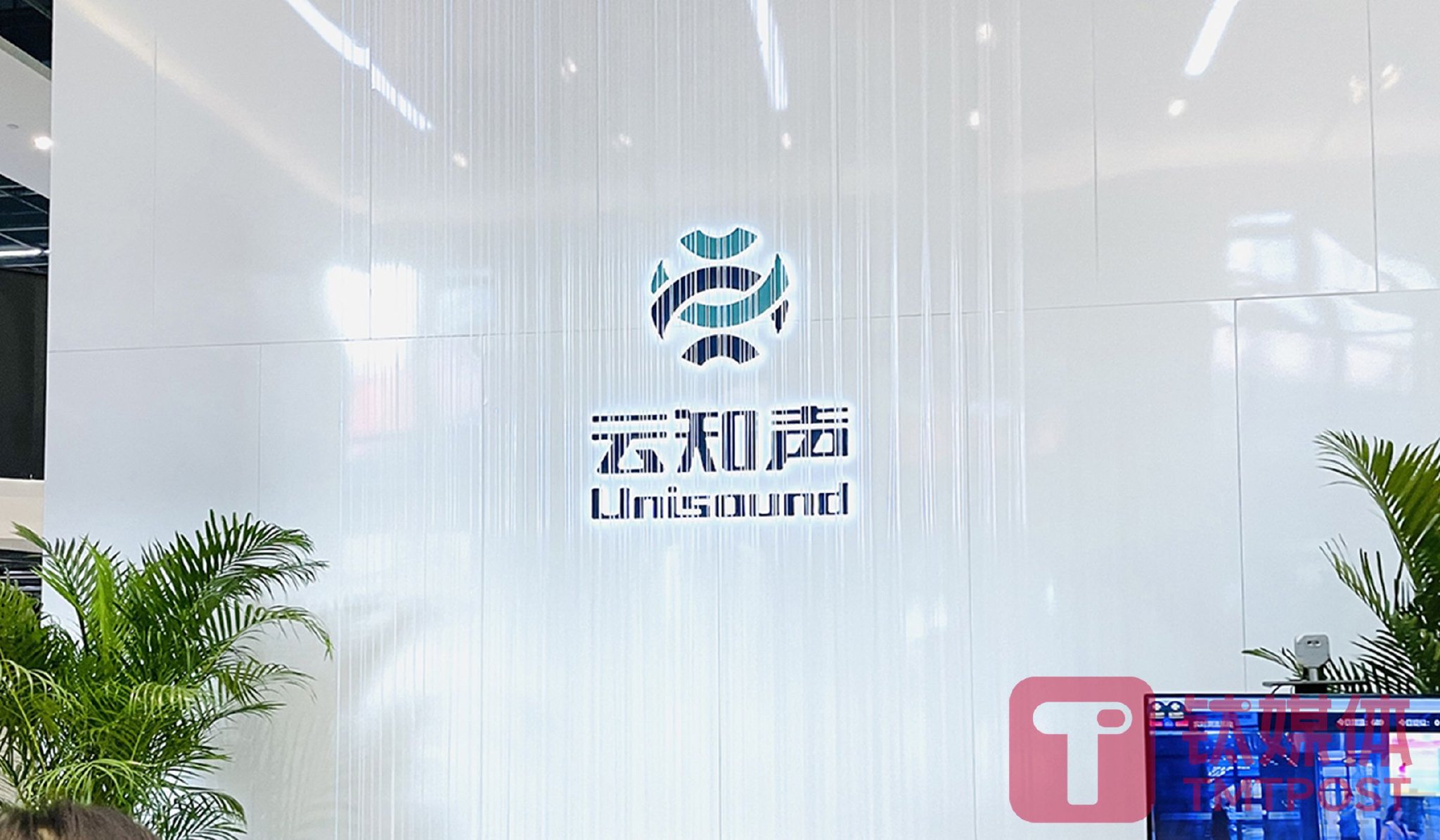
China's Unisound Clears Hong Kong Listing Hurdle, Set to Become First AGI Stock of 2025
Tai Mei Ti A P P· 2025-06-13 05:20
Core Insights - Unisound Intelligent Technology Co., Ltd. has passed its listing hearing with the Hong Kong Stock Exchange, aiming to become the first AGI stock to debut in Hong Kong this year [2][3] - The company specializes in voice intelligence and integrated AI solutions, with a flagship model launched in 2023 featuring 60 billion parameters [4] - Unisound has raised over $340 million through 11 funding rounds, with significant backing from notable investors [8] Company Overview - Founded in 2012, Unisound focuses on AI solutions for healthcare and lifestyle services, ranking as the fourth-largest AI solutions provider in China by 2024 revenue [4][7] - The company is led by CEO Huang Wei, who emphasizes the importance of pursuing challenging innovations in AI [5][6] Financial Performance - Unisound's revenue increased from RMB 601 million in 2022 to RMB 939 million in 2024, reflecting a compound annual growth rate of 25% [9] - Despite revenue growth, the company reported widening net losses from RMB 375 million in 2022 to RMB 454 million in 2024 [9] - R&D expenses rose by 29% year-on-year to RMB 370 million in 2024, contributing to ongoing losses [10] Business Model and Revenue Streams - The lifestyle AI segment is the primary revenue driver, contributing nearly 79% of total revenue in 2024 [11] - A shift in business model is noted, with revenue from system integrators/agents surpassing that from direct users [11] Future Outlook - Proceeds from the IPO will be allocated to scaling AI infrastructure, funding R&D, pursuing international expansion, and investing in new verticals [11] - CEO Huang remains optimistic about the future of AI in China, highlighting the inevitability of large model innovations [12]
VERSES® “Digital Brain” Featured in WIRED and Popular Mechanics
Globenewswire· 2025-06-12 12:48
Core Insights - VERSES AI Inc. has received significant recognition for its AXIOM digital-brain architecture, being featured in WIRED and Popular Mechanics, and acknowledged by ARC-AGI benchmark creator François Chollet [1][2][3] Group 1: AXIOM's Recognition and Features - WIRED describes AXIOM as a "new machine-learning approach" inspired by human brain functions, offering an alternative to traditional artificial neural networks and demonstrating "impressive efficiency" in various video-game environments [2] - François Chollet commended the originality of VERSES' approach, emphasizing its alignment with critical problems in the pursuit of AGI and highlighting the importance of active inference in AI development [3] - Popular Mechanics characterized AXIOM as a potential game-changer in intelligence, noting that the Genius product suite operates on significantly less power compared to existing AI systems, thus enhancing its adaptability and efficiency [7] Group 2: Performance Metrics - AXIOM's Active-Inference engine has shown superior capabilities, outperforming Google DeepMind's DreamerV3 by up to 60%, utilizing 99% less compute power, and learning 39 times faster, as validated by Soothsayer Analytics [6] - The upcoming ARC-AGI 3 benchmark will introduce over 100 novel game worlds to assess AI systems, reflecting a shift towards interactive environments that challenge agents to explore and generalize [5] Group 3: Company Vision and Goals - The CEO of VERSES stated that AXIOM is designed for interactive intelligence, enabling real-time exploration, planning, and learning, which positions the company as a potential market leader in the pursuit of human-level AI [7][9]

Meta Poaches Top Engineers for AGI Team
PYMNTS.com· 2025-06-11 21:27
Core Insights - Meta is actively recruiting top engineers for its artificial general intelligence (AGI) team, indicating a strategic shift towards enhancing its capabilities in AI [1][2][3] Group 1: Recruitment and Team Formation - Meta has confirmed the hiring of Jack Rae from Google DeepMind and is expected to bring in Alexandr Wang and other employees from Scale AI as part of a multibillion-dollar investment [2][4] - The company aims to hire approximately 50 individuals for the AGI team, including a chief scientist to lead the initiative [2] - CEO Mark Zuckerberg has adopted a hands-on management style, personally meeting with AI researchers and engineers to discuss recruitment [3] Group 2: Investment and Financial Strategy - Meta is considering a significant multibillion-dollar investment in Scale AI, which specializes in data labeling services for machine learning [4][5] - Scale AI was valued at $13.8 billion after a funding round that raised $1 billion in spring 2024, with Meta being one of the investors [5] - This potential investment would represent Meta's largest external expenditure on AI, marking a departure from its traditional reliance on internal research [5] Group 3: Future Plans and Vision - Zuckerberg has announced plans for Meta to invest between $60 billion and $65 billion in capital expenditures, with a focus on significantly expanding its AI teams this year [6] - He emphasized that 2025 will be a pivotal year for AI, aiming to drive core products, foster innovation, and enhance American technology leadership [6]