个性化治疗

Search documents
打破院史!这所医院首次在国际四大医学期刊发表论文,全面解析肺癌靶向药的心脏隐忧
生物世界· 2025-11-03 08:30
Core Insights - Lung cancer is the leading cancer globally, with non-small cell lung cancer (NSCLC) accounting for approximately 85% of cases. EGFR mutations are present in 40-50% of East Asian patients and 10-20% of Caucasian patients [2] - EGFR tyrosine kinase inhibitors (TKIs) have significantly improved the prognosis and quality of life for patients with EGFR-mutated NSCLC, with third-generation EGFR TKIs now considered the standard first-line treatment for advanced cases [2] - Despite the benefits, EGFR TKIs are associated with cardiovascular adverse events, which can lead to treatment interruptions or discontinuations. However, systematic evaluations of their cardiovascular impacts have been lacking [2][3] Study Overview - A recent study published in The BMJ analyzed cardiovascular risks associated with different generations of EGFR TKIs in EGFR-mutated NSCLC patients. This research marks a significant achievement for the First Affiliated Hospital of Henan University of Medicine [3][4] Key Findings - The study found that both first and third-generation EGFR TKIs, as well as their combinations with anti-angiogenic drugs, are linked to increased cardiovascular adverse events. The risk associated with third-generation EGFR TKIs is significantly higher than that of first-generation [4] - A network meta-analysis included 89 randomized controlled trials with 29,813 participants, revealing that third-generation EGFR TKIs are associated with a 118% increase in cardiac adverse events compared to placebo, while first-generation EGFR TKIs are linked to a 51% increase [6] - Specific third-generation EGFR TKIs, such as Osimertinib and Lazertinib, showed particularly high cardiac toxicity, with risks increasing by 153% and 184%, respectively. Different third-generation EGFR TKIs exhibit varying toxicity profiles, necessitating individualized treatment choices [6] Combination Therapy Risks - The study highlighted a "cumulative effect" of cardiovascular risks when EGFR TKIs are combined with other drugs. The combination of first-generation EGFR TKIs with anti-angiogenic drugs primarily increases vascular adverse reactions, while third-generation EGFR TKIs combined with anti-angiogenic therapies increase both cardiac and vascular adverse reactions [8] Clinical Implications - For patients with pre-existing heart conditions, careful drug selection is crucial. It may be advisable to avoid high-risk third-generation EGFR TKIs or their combination with anti-angiogenic drugs [10] - Enhanced cardiovascular monitoring is recommended for patients requiring potent treatments, especially if high-risk regimens are necessary. Personalized treatment decisions are essential to balance expected efficacy and potential cardiovascular risks [11] Conclusion - This research provides valuable evidence for clinical guidelines regarding the cardiovascular toxicity of EGFR TKIs, emphasizing the need to balance treatment efficacy with cardiovascular risks. Continuous monitoring and assessment of safety for new EGFR TKIs are critical as they are developed and applied [12]


荷兰研究再次证实!口服司美格鲁肽实现显著降糖和减重
GLP1减重宝典· 2025-10-27 15:53
Core Insights - The article discusses the effectiveness of oral semaglutide in managing type 2 diabetes and supporting weight loss, providing more options for weight loss medications [8][10][12]. Study Results - Participants taking oral semaglutide experienced a significant weight loss of 5.8 kg and a notable reduction in HbA1c levels from 8.6% to 7.3% over the study period [10][11]. - The study involved 187 participants with an average age of 58 years, where 54% were male and 88% were white. The average duration of diabetes was 8.7 years, with an initial average weight of 103.1 kg [10][11]. - At the end of the study, 48% of participants had HbA1c levels below 7%, indicating improved glycemic control [11]. Treatment Satisfaction - A high level of treatment satisfaction was reported, with 26.1% and 55.4% of participants finding semaglutide easy or very easy to take, respectively [11]. - By the end of the study, approximately 79% of participants continued with oral semaglutide treatment, with an average dosage of 10.6 mg [11]. Mechanism of Action - The study highlights the use of a small molecule permeation enhancer, SNAC, which aids in the absorption of semaglutide in the stomach, ensuring it achieves the same glycemic effects as injectable forms [12][14]. Market Implications - The introduction of oral semaglutide is seen as a game-changer, particularly for individuals who prefer oral medications over injections due to needle phobia [14][15]. - The focus is on personalized treatment options based on patient and clinician goals, enhancing the overall treatment experience [15].


研判2025!中国结直肠癌(CRC)药物行业发展背景、市场现状及未来趋势分析:结直肠癌患者数量庞大,对相关药物需求旺盛,带动市场规模迅速增长[图]
Chan Ye Xin Xi Wang· 2025-08-20 01:19
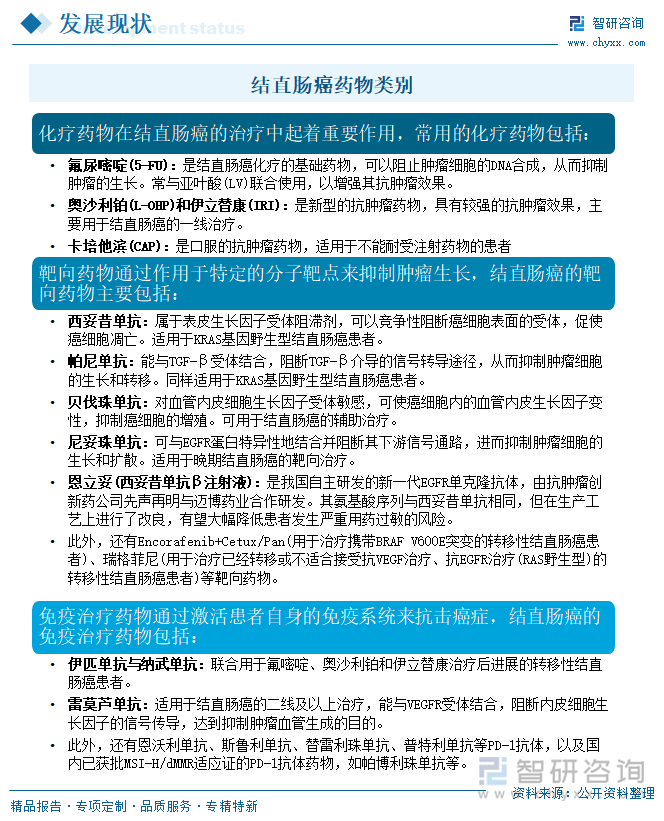
Core Insights - Colorectal cancer (CRC) is the second most common malignant tumor in China, with 517,100 new cases in 2022, accounting for 10.7% of all cancer cases, and 240,000 deaths, representing 9.3% of all cancer deaths [1][12] - The global colorectal cancer drug market is projected to grow from $16.9 billion in 2019 to $25.4 billion by 2024, indicating significant market potential [1][13] - The Chinese colorectal cancer drug market is expected to reach 24.21 billion yuan by 2024, with an 18.5% year-on-year growth [1][16] - The market is characterized by a competitive landscape with multiple companies across different tiers, including leading firms like Junshi Biosciences and others [1][18] Industry Overview - Colorectal cancer drugs include traditional chemotherapy, targeted therapies, and immunotherapies, which are crucial for extending patient survival [2] - The burden of colorectal cancer in China is significant, with over 80% of patients diagnosed at advanced stages, leading to high treatment demands [1][16] - The market is expected to continue growing, with projections of 37.3 billion yuan by 2027 and nearly 60 billion yuan by 2031 [1][20] Competitive Landscape - The colorectal cancer drug industry features a tiered structure: - First tier: Junshi Biosciences - Second tier: Maibao Pharmaceutical, Hutchison China MediTech - Third tier: JAKS Pharmaceuticals, Jinfang Pharmaceutical [1][18] - Over 10 innovative therapies have been approved globally for colorectal cancer treatment, with more in clinical trials [1][18] Future Trends - The market is expected to see a shift towards precision medicine, with targeted and immunotherapies becoming mainstream [1][22] - Domestic innovative pharmaceutical companies are rapidly emerging, enhancing their product lines through independent research and global collaborations [1][23] - Upgraded patient needs will drive innovations in service models, focusing on unmet clinical demands and improving treatment experiences [1][25]

男性30岁后精力断崖式下降?掌控健康的"核心激素"被90%的人忽略了
GLP1减重宝典· 2025-07-24 01:22
Core Viewpoint - The article emphasizes the critical role of testosterone in male health, highlighting its influence on various physiological functions and the consequences of its imbalance throughout a man's life [3][4][6]. Group 1: Testosterone's Role in Male Health - Testosterone is essential from embryonic development to aging, influencing male reproductive system formation, muscle growth, and overall health [4][6]. - After the age of 30, testosterone levels decline by 1%-2% annually, leading to significant physiological differences over time [4][6]. - Approximately one-third of men over 40 experience testosterone deficiency, exacerbated by factors like obesity and insulin resistance [6][7]. Group 2: Consequences of Testosterone Imbalance - Low testosterone levels can lead to a range of health issues, including sexual dysfunction, muscle loss, decreased bone density, and increased risk of depression and cognitive decline [7][8]. - Men with low testosterone are 2-3 times more likely to suffer from depression, and the incidence of Alzheimer's disease is significantly higher among this group [7][8]. - Conversely, excessively high testosterone levels can result in serious health problems, including aggression and fertility issues, often linked to external hormone abuse [7][8]. Group 3: Personalized Treatment Approaches - Modern medicine has shifted towards personalized treatment for testosterone imbalance, moving away from one-size-fits-all solutions [8][9]. - Testosterone replacement therapy (TRT) now includes various administration methods, such as long-acting injections and transdermal gels, tailored to individual patient needs [8][9]. - Advances in diagnostic techniques allow for a more comprehensive assessment of testosterone levels, incorporating free testosterone and other biomarkers for better treatment outcomes [9][10]. Group 4: Systemic Effects of Testosterone - Testosterone interacts with multiple organ systems, enhancing insulin sensitivity, reducing the risk of metabolic syndrome, and providing cardiovascular protection [10][11]. - It plays a crucial role in maintaining bone density and has been shown to reduce the risk of vertebral fractures by 2-3 times in those with long-term testosterone deficiency [10][11]. - Recent theories challenge the notion that high testosterone levels promote prostate cancer, suggesting that maintaining testosterone balance is more beneficial than suppression [10][11]. Group 5: Innovations in Testosterone Management - The integration of artificial intelligence in testosterone treatment is revolutionizing clinical practices, enabling more accurate predictions of treatment responses and potential side effects [11][12]. - Ongoing research aims to clarify the long-term effects of TRT on cardiovascular health and its complex relationship with prostate diseases [11][12]. - The understanding of testosterone has evolved from merely regulating sexual characteristics to being recognized as a central player in overall metabolic health [11][12].

研判2025!中国胰酶肠溶胶囊行业产业链、市场规模、企业分析及发展趋势分析:下游需求增长,拉动行业规模至70亿元以上[图]
Chan Ye Xin Xi Wang· 2025-07-08 01:42
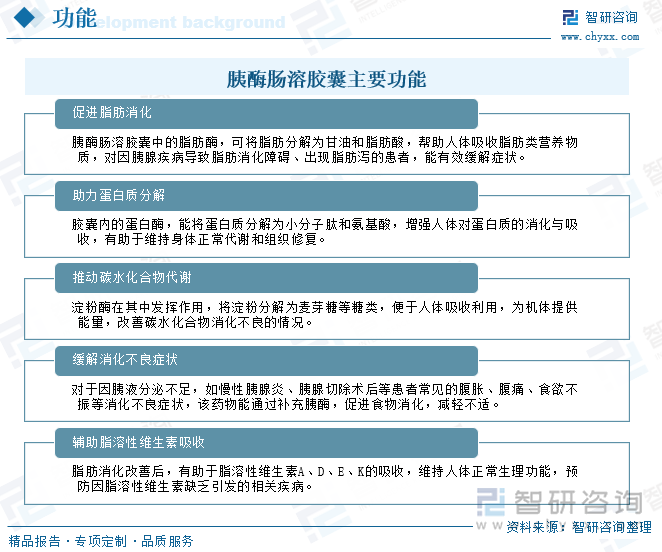
Core Insights - The number of chronic pancreatitis patients has been increasing significantly, drawing attention from the medical community. The causes are complex and cannot be attributed to a single factor, with poor dietary habits playing a crucial role. Long-term high-fat, high-protein diets, excessive alcohol consumption, and frequent consumption of spicy foods are potential triggers for chronic pancreatitis. The condition leads to chronic inflammation and loss of pancreatic function, and enteric-coated pancreatic enzyme capsules can alleviate the adverse effects caused by insufficient pancreatic secretion, thus treating chronic pancreatitis. The rising number of patients directly drives the demand for enteric-coated pancreatic enzyme capsules, with the market size in China projected to reach 7.11 billion yuan in 2024, reflecting a year-on-year increase of 13.94% [1][11]. Industry Overview - Enteric-coated pancreatic enzyme capsules are digestive aids primarily composed of a mixture of various enzymes extracted from pig pancreas, including protease, lipase, and amylase. Their main function is to supplement the body's required enzymes to improve digestive issues caused by enzyme deficiency or insufficient secretion. The capsules promote fat digestion, assist protein breakdown, facilitate carbohydrate metabolism, alleviate digestive discomfort, and aid in the absorption of fat-soluble vitamins. Adverse reactions are rare, with occasional occurrences of diarrhea, constipation, stomach discomfort, nausea, and skin reactions [3][9]. Market Dynamics - The market for enteric-coated pancreatic enzyme capsules includes several brands such as "Demeitong," "Dashutong," "Chongming," and "Jiayi." The primary products are produced by companies located in Chongqing, Sichuan, and Anhui, with a high market concentration. The competitive landscape is characterized by a variety of brands available in pharmacies and hospitals, with four companies holding production licenses [15][16]. Demographic Trends - The population aged 65 and above in China has been steadily increasing, with projections indicating growth from 177.67 million in 2019 to 219.69 million in 2024, representing an increase in the proportion of elderly individuals from 12.6% to 15.6% of the total population. This demographic shift, often linked to declining birth rates and increased life expectancy, correlates with a higher incidence of chronic diseases and gastrointestinal issues, thereby increasing the demand for enteric-coated pancreatic enzyme products [7][20]. Competitive Landscape - The competitive landscape of the enteric-coated pancreatic enzyme capsule industry is becoming more diverse, with numerous companies entering the market. The market is fragmented, with no single company dominating. As the market expands, companies with innovative capabilities, market sensitivity, and brand advantages are expected to stand out [21][22]. Future Trends - The demand for enteric-coated pancreatic enzyme capsules is anticipated to continue growing due to the aging population and rising incidence of digestive system diseases. Additionally, the market is expected to see increased competition and a shift towards personalized and differentiated products, as companies invest in research and development to meet the diverse needs of different patient groups [20][23].
高龄不可怕!陪老年人打好抗癌这一仗
Xin Hua Wang· 2025-06-28 08:50
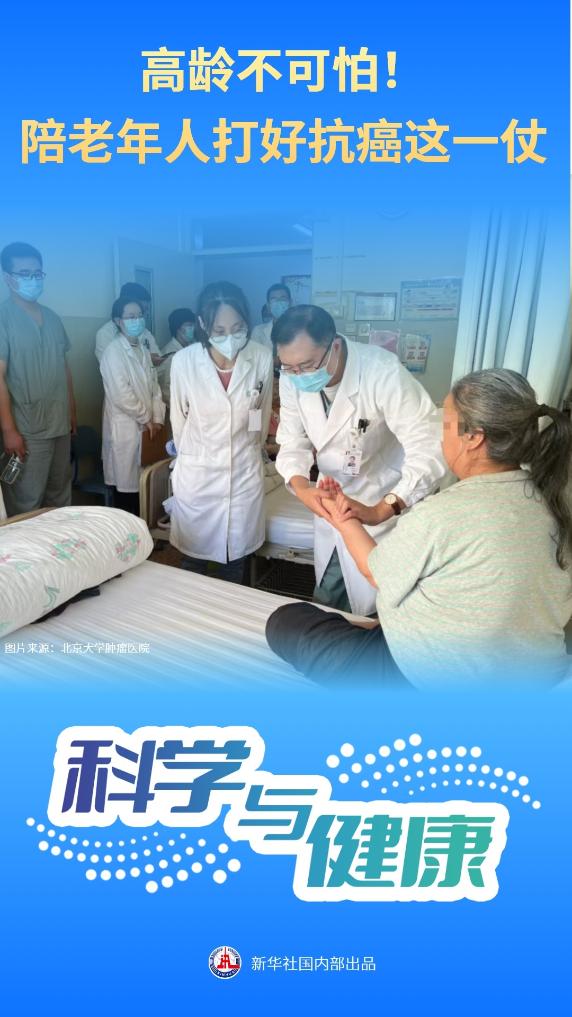
Core Viewpoint - The increasing incidence of cancer among the elderly in China poses a significant challenge for health management, necessitating personalized treatment approaches and early screening initiatives to improve outcomes for this demographic [1][2][10]. Group 1: Cancer Incidence and Characteristics - The proportion of new cancer cases among individuals aged 60 and above in China is 60.7% [1]. - Common malignancies in the elderly include lung cancer and digestive system cancers, accounting for approximately 65% of new cases in this age group [2]. - Factors contributing to cancer in older adults include age-related genetic mutations and the accumulation of carcinogenic factors over time [2][4]. Group 2: Treatment Approaches - There is a tendency among elderly patients to seek unverified remedies or to avoid conventional treatments due to misconceptions about the effects of surgery and chemotherapy [4]. - Personalized treatment plans are essential, taking into account the unique health status and treatment preferences of elderly patients [4]. - Both Western medicine, including targeted therapies and immunotherapy, and traditional Chinese medicine (TCM) play important roles in treating elderly cancer patients [6][8]. Group 3: Quality of Life and Supportive Care - Enhancing the quality of life for cancer patients can lead to improved survival rates [5]. - TCM practices, such as herbal remedies and acupuncture, have been shown to alleviate discomfort during chemotherapy and radiotherapy [8][9]. - Hospitals are developing unique TCM formulations to address specific symptoms associated with cancer treatments [9]. Group 4: Prevention and Early Detection - Early screening and diagnosis are critical for effective cancer management in the elderly [10]. - Initiatives are underway in various regions to provide free cancer screenings for older adults, targeting high-risk populations [10]. - Lifestyle modifications, including balanced nutrition and physical activity, are recommended to enhance the overall health and resilience of elderly individuals [10].
趋势研判!2025年中国抗痛风药物行业产业链、产业环境、市场规模及未来前景分析:高尿酸血症及痛风发病率持续上升,产业规模总体呈现增长态势[图]
Chan Ye Xin Xi Wang· 2025-06-13 01:19
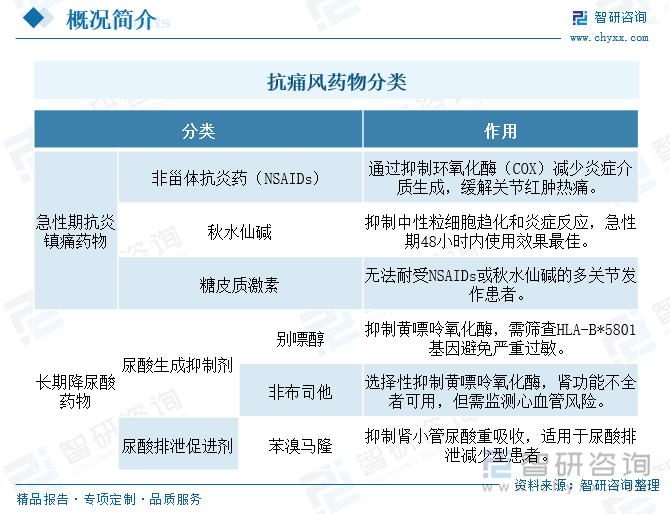
Industry Overview - Gout is a chronic disease caused by purine metabolism disorders, characterized by hyperuricemia and the deposition of urate crystals in joints and tissues, leading to various clinical symptoms [1][2] - The gout medication market in China has grown significantly, with the market size increasing from 700 million yuan in 2015 to 2.2 billion yuan in 2024 [1][10] - The prevalence of hyperuricemia in China is approximately 14%, with a patient population of around 197 million, while gout prevalence ranges from 1% to 3%, affecting approximately 15.5 to 42.29 million people [6][8] Market Dynamics - The gout medication market is primarily driven by the increasing incidence of gout and hyperuricemia due to lifestyle changes and dietary habits [10] - The market is currently experiencing a contraction due to the entry of mainstream gout medications like febuxostat into centralized procurement, but future growth is expected as patient numbers rise [10] - By 2030, the gout medication market in China is projected to exceed 10 billion yuan [10] Product Classification - Gout medications are categorized into acute anti-inflammatory analgesics and long-term urate-lowering drugs, with urate-lowering drugs accounting for about 40% of the global market [2][4] - In the domestic market, traditional drugs like febuxostat and benzbromarone hold a market share of approximately 60% [2] Competitive Landscape - The industry is characterized by intense competition, with generic drugs dominating the market while innovative drugs are rapidly being developed [14] - Major players include Kangyuan Pharmaceutical, Huahai Pharmaceutical, Yipinhong, and Hengrui Medicine, which are focusing on developing new urate-lowering agents to address the limitations of existing medications [14][15] - The introduction of centralized procurement policies has pressured generic drug prices, prompting companies to shift towards high-value innovative drugs [14] Key Companies - Hengrui Medicine is developing a new urate-lowering drug, SHR4640, which has shown significant efficacy and low toxicity, with a market application expected in 2025 [15][18] - Yipinhong is working on AR882, a new urate excretion promoter, which has received FDA support for global clinical trials [15] - Tonghua Dongbao has expanded its product pipeline in the gout treatment area, with two new drugs in clinical trials [16] Development Trends - The industry is shifting from generic to innovative drug development, with URAT1 inhibitors becoming a research focus [20] - Biologics and long-acting therapies are emerging as new growth points, with products like SEL-212 expected to enhance patient compliance and market potential [21] - Personalized treatment and combination therapies are becoming key research directions, aiming to meet unmet clinical needs [22]

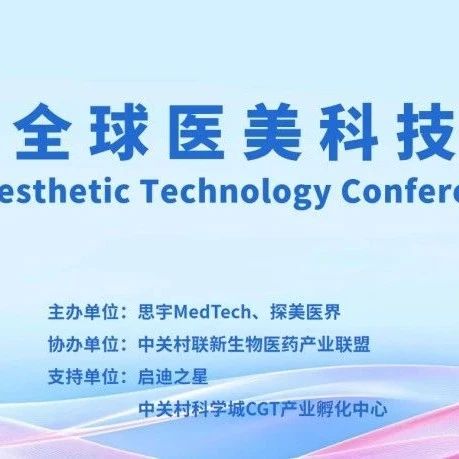
奖项评选延期!医美企业速来!首届全球医美科技大会!
思宇MedTech· 2025-05-20 09:26
Core Viewpoint - The deadline for the 2025 Global Aesthetic Technology Innovation Awards has been extended to May 26, 2025, to allow more time for participants to prepare their submissions and showcase their innovations in the medical aesthetics field [1][2]. Group 1: Event Details - The event will take place on June 12, 2025, at the Beijing Zhongguancun Exhibition Center, with an expected attendance of 500 participants from various sectors including government, hospitals, and investment institutions [1]. - The conference will gather clinical experts, top scientists, technology innovators, and regulatory bodies to discuss cutting-edge developments, commercialization paths, regulatory trends, and market opportunities in the medical aesthetics industry [1][3]. Group 2: Award Categories - The awards include the 2025 Global Aesthetic Technology Innovation Award, aimed at companies and manufacturers that have made significant technological innovations in medical aesthetics [5]. - The 2025 Global Aesthetic Clinical Excellence Award recognizes products or technologies that have achieved notable results in clinical applications, receiving positive feedback from both doctors and patients [6]. - The 2025 Global Aesthetic Industry Service Award honors companies and institutions providing exceptional services in areas such as technology innovation, clinical trials, and production [7]. - The 2025 Global Aesthetic Innovation & Translation Award is for individuals who have made outstanding contributions to innovation in medical aesthetics, promoting products or solutions with industrialization potential [8]. Group 3: Evaluation Process - The evaluation will be conducted through expert reviews and meetings [9]. - The submission phase is open until May 26, 2025, followed by a review and selection process from May 27 to June 2, 2025, with winners notified between June 3 and June 6, 2025 [12].
全球与中国褥疮类药物市场现状及未来发展趋势2025-2031
QYResearch· 2025-04-28 09:30
随着人口老龄化问题的加剧,长期卧床的老年患者、残障患者及重病患者数量增多,导致褥疮的发生率上升。褥疮不仅是一个公共健康 问题,也给医疗系统和患者带来了巨大的负担。因此,治疗褥疮的药物和敷料需求持续增长。 产品种类丰富 目前治疗褥疮的药物主要分为两大类:敷料类和抗生素类药膏。敷料类产品包括水胶体敷料、泡沫敷料、银离子敷料等,主要用于创面 保护和促进愈合;抗生素药膏如莫匹罗星软膏、红霉素软膏等,用于防治创面感染。随着科技进步,越来越多的新型敷料(如生物可降 解敷料)和具有抗菌、促进愈合作用的药物投入市场,治疗效果不断提升。 褥疮类药物是指用于预防、治疗和管理因长时间压力导致的皮肤及皮下组织损伤(即褥疮或压疮)的一类药物和护理产品。这些药物和 产品旨在减轻疼痛、控制感染、促进伤口愈合,并尽量减少并发症的发生。本报告统计范围包括患者中最常用的褥疮敷料和抗生素药 膏。 褥疮类药物行业目前现状分析 市场需求增长 技术创新推动行业发展 新技术和新材料的应用,尤其是水凝胶、泡沫敷料和银离子敷料等高科技产品,使得治疗褥疮的效果更加显著。这些产品具有更好的吸 湿性、抗菌性和创面保护性,改善了患者的使用体验和治疗效果。同时,生物医 ...
全球制药业洞察 | AI或可提升诊断水平,帮助实现肿瘤治疗个性化
彭博Bloomberg· 2025-04-10 03:15
Core Viewpoint - The article discusses the potential of AI to enhance diagnostic capabilities and facilitate personalized cancer treatment, emphasizing the integration of AI with clinical data and emerging biomarkers [3][7]. Group 1: AI in Cancer Diagnosis - AI is increasingly being utilized in the analysis of tissue pathology slides, with advancements in computational power and data transmission speed driving broader applications in diagnostics [4]. - The use of AI in radiology, particularly for prostate cancer, is highlighted as a promising area, aiming to reduce the burden of invasive biopsy procedures [4][7]. Group 2: Personalized Cancer Treatment - The next frontier for AI in cancer treatment involves tracking tumor changes over time to enable personalized therapy, with companies like Tempus and Flatrion Health building large clinical outcome datasets for AI model training [7]. - AI's application in personalized treatment aligns with the recent "Gateway" infrastructure initiative in the U.S., which identifies healthcare as a primary application area for expanded data centers [7]. Group 3: Emerging Biomarkers - Circulating tumor DNA (ctDNA) is identified as a significant emerging biomarker, with potential uses in early detection and tracking treatment responses, although questions remain regarding its clinical implementation [9]. - The expectation is set for ctDNA sequencing to explore potential resistance mechanisms during disease progression, guiding subsequent treatment options [9].