
亚伯拉罕协议

Search documents
国际观察|沙拉访美后,叙利亚会倒向美国吗?
Xin Hua Wang· 2025-11-12 02:34
Core Points - The visit of Syrian leader Bashar al-Assad to the U.S. marks a significant diplomatic event, as he is the first Syrian leader to visit since Syria's independence in 1946. The U.S. extended sanctions waivers during this visit, which is seen as a move to stabilize the Syrian regime and aid its economic recovery [1][2][5] - Analysts suggest that this visit could represent a turning point in Syria's relations with the West, as it seeks international recognition and support while cooperating with the U.S. in combating ISIS [2][3] U.S.-Syria Relations - The U.S. aims to leverage Assad's regime to achieve its strategic interests in the region, particularly in countering Iranian influence and preventing the resurgence of ISIS. The U.S. has maintained a military presence in northeastern Syria under the pretext of fighting ISIS [4][5] - Despite the potential for improved relations, significant uncertainties remain, including the conditions under which sanctions might be lifted and Syria's ongoing reliance on Russian support [5][6] Regional Dynamics - The U.S. sees the improvement of U.S.-Syria relations as a means to facilitate Syria's engagement with Israel and potentially normalize relations under the Abraham Accords, which could yield political and economic benefits for the U.S. [4] - However, challenges persist, such as Syria's complex internal ethnic and sectarian issues, the ongoing economic crisis exacerbated by sanctions, and the influence of external powers in Syrian affairs [6][7]
沙拉访美后,叙利亚会倒向美国吗?
Xin Hua She· 2025-11-11 11:52
Core Points - The visit of Syrian leader Bashar al-Assad to the U.S. marks a significant diplomatic event, as he is the first Syrian leader to visit since Syria's independence in 1946, and it aims to secure U.S. sanctions relief and international recognition for Syria [1][2] - The U.S. extended the sanctions waiver against Syria for an additional 180 days, which is seen as a move to stabilize the Assad regime and facilitate its economic recovery [2][4] - Analysts suggest that this visit could represent a turning point in Syria's relations with the West, potentially leading to greater international recognition and support for the Assad regime [3] U.S. Strategy in the Middle East - The U.S. views Assad's visit as an opportunity to reshape its policy towards Syria and the broader Middle East, particularly in countering Iranian influence and preventing the resurgence of ISIS [4] - The U.S. military presence in Iraq and northeastern Syria is justified by the need to combat ISIS, and the withdrawal of U.S. troops is contingent on Syria demonstrating its capability to manage this threat [4] Challenges in U.S.-Syria Relations - Despite the potential for improved relations, significant uncertainties remain, including the complexities of U.S. sanctions relief and Syria's ongoing reliance on Russian support [5][6] - The relationship between Syria and Israel poses additional challenges, particularly regarding the Golan Heights, which is a sensitive issue for Syrian national identity [6][7] - Assad's ability to consolidate power remains in question due to internal ethnic and sectarian tensions, as well as external influences from various global powers [7]
沙特王储将访美 提前“校准”立场
Xin Hua She· 2025-11-10 08:58
Group 1 - Saudi Crown Prince Mohammed is scheduled to visit the US on November 18, with expectations to meet President Trump, who hopes for quick normalization of relations between Saudi Arabia and Israel [1] - Saudi Arabia maintains its stance that normalization with Israel is contingent upon establishing a credible path for Palestinian statehood, indicating no immediate intention to normalize relations [2][2] - The US is considering a defense cooperation agreement with Saudi Arabia, which may be linked to the normalization of relations with Israel, potentially resulting in a "scaled-down" defense cooperation agreement [4][4] Group 2 - The US government is contemplating Saudi Arabia's request to purchase up to 48 F-35 fighter jets, which would represent a significant shift in US policy regarding military sales in the Middle East [4] - Currently, only Israel has the "special treatment" of being able to purchase F-35s in the region, highlighting the strategic implications of any potential sale to Saudi Arabia [4]

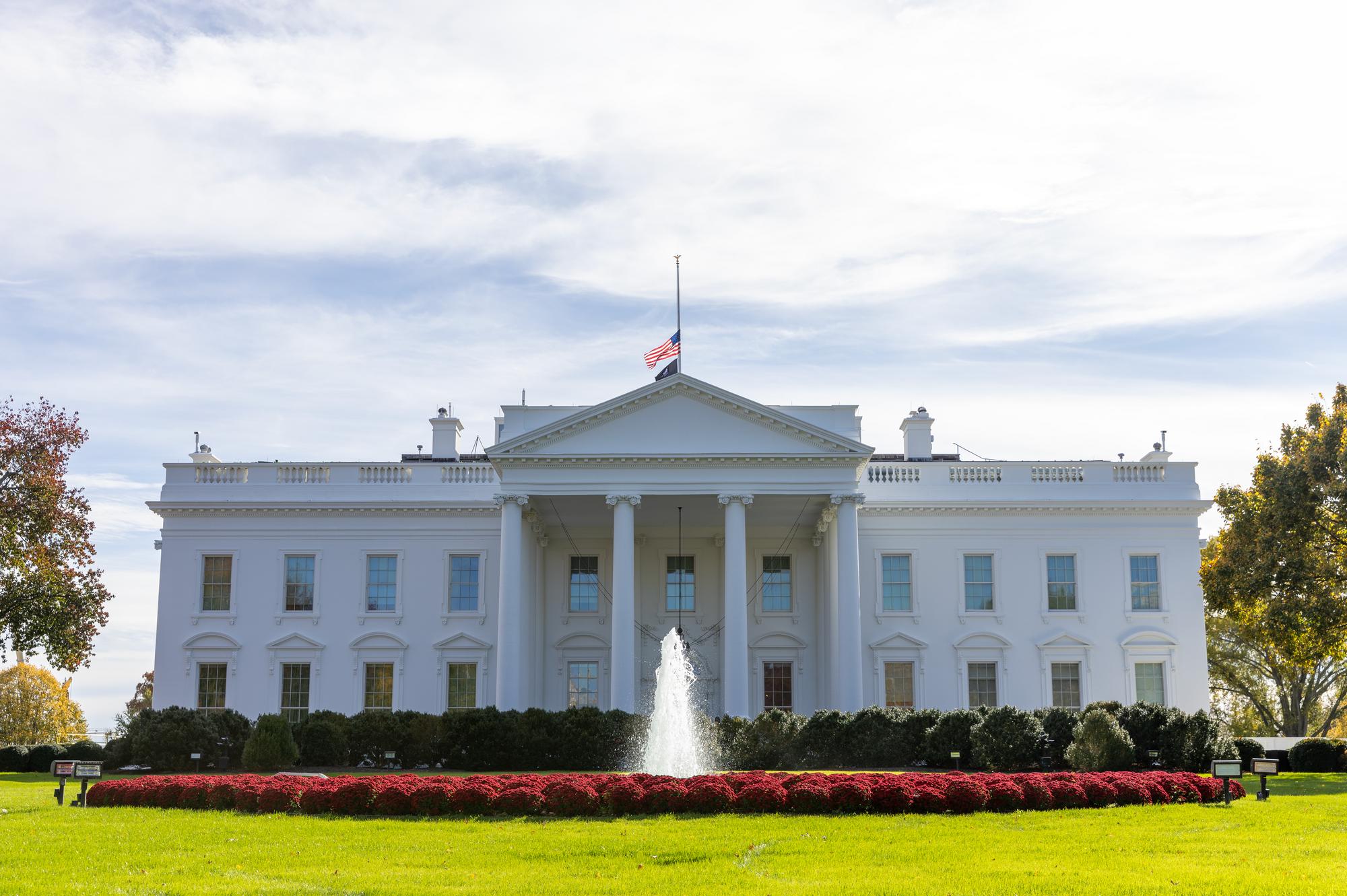
国际观察|沙姆沙伊赫峰会留给“和平”的四个问号
Xin Hua She· 2025-10-15 01:12
Core Points - The summit in Sharm El-Sheikh focused on the first phase of a ceasefire in Gaza, with leaders from Egypt, the US, Qatar, and Turkey signing a document to support the ceasefire agreement [1][3] - Experts express skepticism about the effectiveness of the summit and the ceasefire agreement, highlighting that many questions remain regarding the path to lasting peace in the region [1][5] Group 1: Summit Details - Over 20 leaders attended the summit, including Palestinian President Abbas, but key parties like Hamas and Israeli leaders were absent [3] - US President Trump did not provide specific answers regarding the implementation of the proposed "20-point plan" during the summit [3] - The signed document emphasized a commitment to ending the Gaza conflict but lacked concrete measures, particularly regarding the "two-state solution" [3][5] Group 2: Key Questions Raised - There are concerns about the sustainability of the Gaza ceasefire, as no timeline for Israel's withdrawal from Gaza has been established [5] - The lack of arrangements for the reconstruction of Gaza raises questions about how to address the humanitarian needs of nearly two million displaced individuals [5][7] - The exclusion of Palestinian representatives from post-conflict governance could exacerbate divisions between Gaza and the West Bank, undermining the "two-state solution" [7] - The potential for the ceasefire to affect regional dynamics is uncertain, with fears that a breakdown could escalate conflicts in neighboring countries [7][8] Group 3: US Government's Considerations - The US aims to maintain its dominance in the Middle East, protect Israeli interests, and normalize relations between Arab states and Israel [8][10] - The ongoing Gaza conflict complicates US efforts to foster trust between Arab nations and Israel, particularly as key countries like Saudi Arabia link normalization to Palestinian statehood [10] - Lasting peace in the Middle East requires addressing root issues, with the "two-state solution" being central to any sustainable resolution [10]
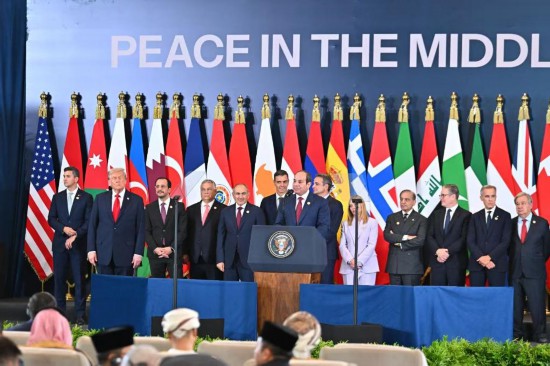
Markets unmoved by Israel's Gaza offensive? BCA's Marko Papic tells us why
Youtube· 2025-09-16 07:14
Group 1 - The Israeli ground offensives have historically not been effective in eliminating Hamas, which is viewed as a persistent ideology rather than just a militant group [2][3] - Domestic political considerations in Israel, particularly under Prime Minister Netanyahu, are influencing the continuation of ground offensives, regardless of their effectiveness [3] - There is currently no indication from major oil-producing countries in the region, such as Saudi Arabia and Iran, of an oil embargo against Israel, which diminishes the potential market impact of the ongoing conflict [4] Group 2 - The normalization of relations between Israel and Gulf states, as outlined in the Abraham Accords, appears to be stalled, with little expectation of significant diplomatic progress [6] - Recent military actions, such as the Israeli strike on Doha, have prompted Gulf leaders to convene for emergency discussions, but concrete collective responses remain unclear [5]
终究还是以色列笑到最后,抵抗之弧濒临瓦解,一场内战或即将爆发
Sou Hu Cai Jing· 2025-09-01 09:50
Group 1 - The article discusses the potential for significant political and military changes in the Middle East, emphasizing the sensitivity and complexity of the current situation [1] - The Lebanese military has received authorization to initiate a sensitive operation aimed at ensuring national security and border stability, although specific operational details remain undisclosed [3] - A U.S.-backed plan aims to disarm Hezbollah and remove weapons from Palestinian refugee camps in Lebanon, which is seen as a key international effort to enhance internal security and facilitate the goal of a unified national armed force [5] Group 2 - Internal factors contributing to the Lebanese government's strong stance include a shift in the armed dynamics within Palestinian refugee camps, where tensions between the military and local armed groups have eased, allowing for a unified national action [5] - The Lebanese government perceives the disarmament of Hezbollah as increasingly feasible due to external pressures, particularly following significant losses Hezbollah suffered during the last conflict with Israel, where approximately 70% of its missile stockpile was destroyed [5] - The changing geopolitical landscape, including the weakening of Iranian support for Hezbollah due to the instability in Syria, further complicates the situation for Hezbollah and enhances the Lebanese government's position [5] Group 3 - The article notes that the only remaining force capable of resisting in the so-called "axis of resistance" is the Houthis, who are now facing increased challenges following significant losses in recent Israeli airstrikes [9] - If the issues surrounding Hamas and Hezbollah are resolved, the Houthis may become the next target for U.S. and allied forces in the region, indicating a potential shift in focus for regional power dynamics [9] - The disintegration of the "axis of resistance" could lead to more Arab nations joining the Abraham Accords, fundamentally altering the balance of power and alliances in the region, while further constraining Iran's strategic space [9]
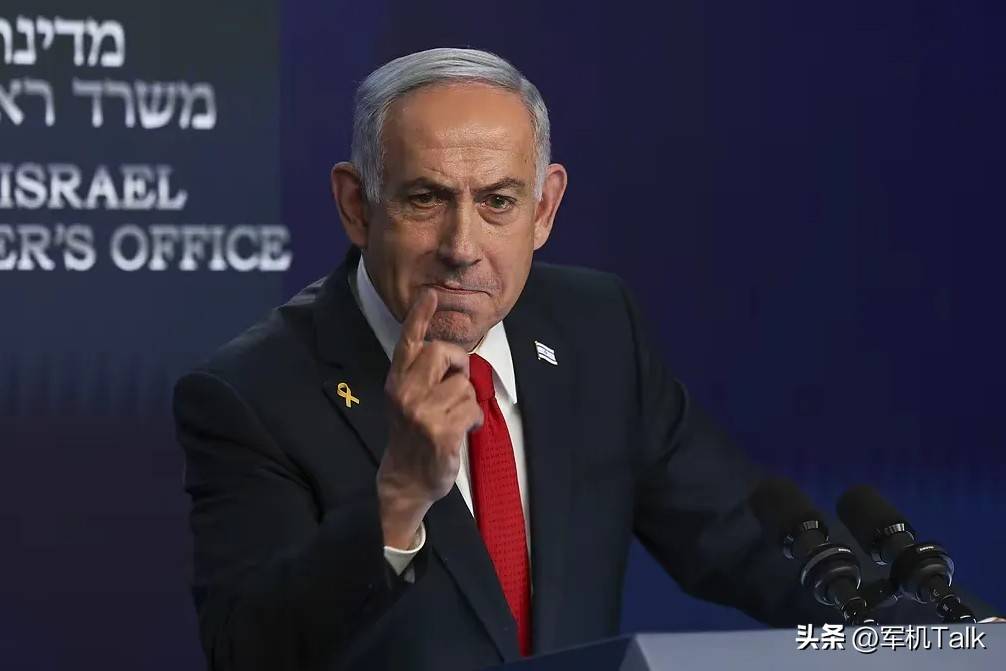
特朗普下“最后通牒”:加沙停火成败或在24小时内揭晓!
Jin Shi Shu Ju· 2025-07-04 08:20
AI播客:换个方式听新闻 下载mp3 音频由扣子空间生成 持续数十年的巴以冲突在2023年10月爆发了最新流血事件。据以色列统计,哈马斯袭击以色列造成1200 人死亡、约250人被劫持为人质。加沙卫生部称,以军随后的军事行动已导致超5.6万巴勒斯坦人死亡, 还引发饥荒危机、加沙全体人口流离失所,并在国际法院和国际刑事法院面临种族灭绝及战争罪指控, 以色列否认这些指控。 今年3月18日,以军空袭导致400多名巴勒斯坦人死亡,此前为期两个月的停火协议破裂。特朗普今年早 些时候曾提议美国接管加沙,被人权专家、联合国和巴勒斯坦人谴责为"种族清洗"提案。 特朗普在回应周四美国媒体关于其在白宫会见沙特国防大臣哈立德·本·萨勒曼(Khalid bin Salman)王子 的报道时,提及亚伯拉罕协议:"这是我们讨论的内容之一,我认为很多国家将加入该协议。"他称近期 美以打击对伊朗造成的损失可能推动协议扩员。 Axios报道显示,在与特朗普会面后,沙特官员与伊朗武装部队总参谋长阿卜杜勒拉希姆·穆萨维 (Abdolrahim Mousavi)通电话。而特朗普与沙特官员的会面发生在以色列总理内塔尼亚胡下周访美之 前。 特朗普周二曾 ...
刚刚!美国签了!特朗普:结束制裁!
券商中国· 2025-07-01 01:58
据央视新闻7月1日消息, 当地时间6月30日,美国总统特朗普签署行政令,终止对叙利亚的制裁。该命令允许 放宽对某些商品的出口管制,并取消对部分外国向叙利亚提供援助的限制。 同一天,一名以色列高级官员表示,以色列和叙利亚正在就一项双边协议进行"高级别磋商"。 另外,叙利亚政权民航部门人士日前宣布,计划在首都大马士革和阿勒颇等地修建数座新机场,恢复更多国际 航线。而在几天之前,世界银行批准提供1.46亿美元贷款以支持叙利亚电力恢复工作。 来看详细报道! 特朗普,又有新动作! 特朗普签令:结束对叙利亚制裁 美国白宫当地时间6月30日发表声明表示,美国总统特朗普当日签署一项行政命令,终止对叙利亚的制裁。 根据行政令,美国将放宽对某些商品出口叙利亚的管制,并免除对叙利亚接受某些外国援助的限制。美国财政 部此前已发布涉及叙利亚当局、叙中央银行和国有企业的往来许可,美国国务院也发布了为期180天的制裁豁 免。 据新华社消息,白宫声明说,美国将支持叙利亚稳定和打击恐怖主义,监督叙"关键优先事项"进展。与此同 时,美国将继续维持对极端组织"伊斯兰国"和其附属组织以及"伊朗代理人"的制裁,评估是否继续把叙利亚列 入"支持恐怖主义 ...
以色列和叙利亚正就双边协议展开“高级别磋商”
news flash· 2025-06-30 15:08
Core Viewpoint - Israel and Syria are engaged in "high-level consultations" regarding a bilateral agreement, focusing on security matters, with no specific outcomes predicted at this time [1] Group 1 - A senior Israeli official confirmed the ongoing discussions between Israel and Syria [1] - The consultations primarily revolve around coordinating security affairs [1] - There is no prediction on whether a comprehensive normalization agreement will be reached between the two countries [1] Group 2 - The Israeli official expressed a desire to expand the "Abraham Accords" and hopes to see Syria join the initiative [1]
白宫新闻秘书莱维特:特朗普敦促叙利亚领导人签署亚伯拉罕协议。
news flash· 2025-05-14 08:33
Core Viewpoint - The White House Press Secretary Levitt stated that Trump is urging Syrian leaders to sign the Abraham Accords, which could lead to normalization of relations between Syria and Israel [1] Group 1 - The Abraham Accords are a series of agreements aimed at normalizing relations between Israel and several Arab nations [1] - Trump's push for Syria to join the Accords indicates a potential shift in Middle Eastern diplomatic relations [1] - The signing of the Accords by Syria could have significant implications for regional stability and economic cooperation [1]