仪式感

Search documents
中国人的时间哲学里藏着独一无二的浪漫
首席商业评论· 2025-09-11 03:37
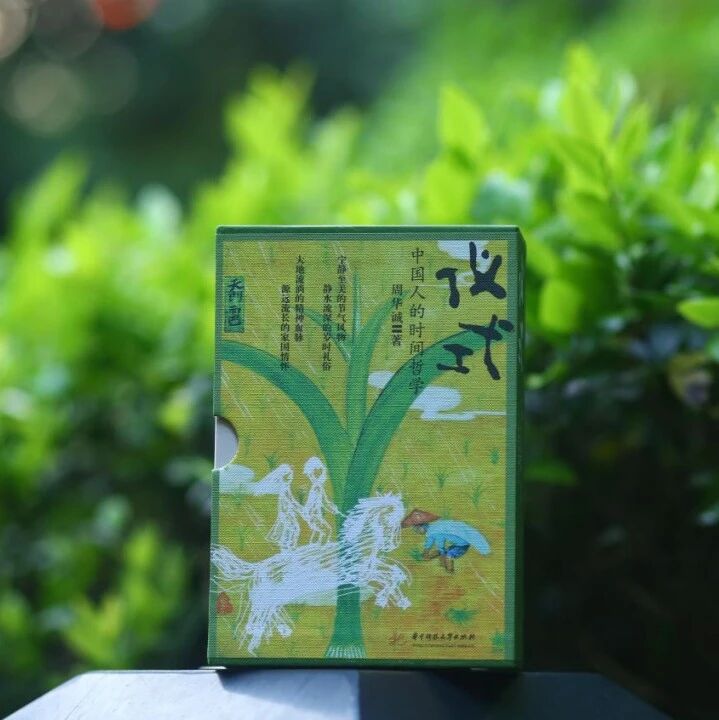
Core Viewpoint - The article emphasizes the significance of rituals in Chinese culture, particularly how they shape the perception of time and daily life, as explored in the book "Ritual: The Philosophy of Time for Chinese People" by Zhou Huacheng [11][41][44]. Group 1: Author and Background - Zhou Huacheng, a writer from Quzhou, Zhejiang, has a diverse background as a farmer, doctor, and journalist, which informs his literary work [6][8]. - His experiences in nature and traditional culture inspire his writing, focusing on the beauty of daily life and forgotten traditions [10][14]. Group 2: Book Overview - "Ritual: The Philosophy of Time for Chinese People" consists of two volumes: "The Beauty of Seasonal Customs" and "The Beauty of Traditional Festivals," highlighting the aesthetics of daily life through the lens of the 24 solar terms and traditional festivals [23][41]. - The book aims to present the daily lives of Chinese people, especially those in Jiangnan, as they navigate through the seasons and rituals [13][21]. Group 3: Cultural Significance - The article discusses how traditional rituals and seasonal customs are integral to Chinese identity, reflecting a deep connection to nature and cultural heritage [22][26]. - It highlights the importance of these rituals in providing meaning and structure to everyday life, allowing individuals to engage with their cultural roots [41][42]. Group 4: Examples of Rituals - Specific examples of rituals associated with the 24 solar terms are provided, such as the practices during "Lichun" (Beginning of Spring) and "Lixia" (Beginning of Summer), showcasing the connection between agricultural activities and cultural celebrations [28][29]. - The article also mentions traditional festivals like the Mid-Autumn Festival, emphasizing the customs and practices that enrich these occasions [31][32]. Group 5: Aesthetic and Design Elements - The book features a thoughtful design that reflects Chinese cultural aesthetics, including illustrations and handcrafted elements that enhance the reading experience [55][57]. - It aims to evoke a sense of nostalgia and appreciation for the simplicity and beauty of life through its presentation [63][66].

立秋第一束奶茶花——李一桐这波操作是文艺复兴还是消费主义陷阱?
Sou Hu Cai Jing· 2025-08-24 04:01
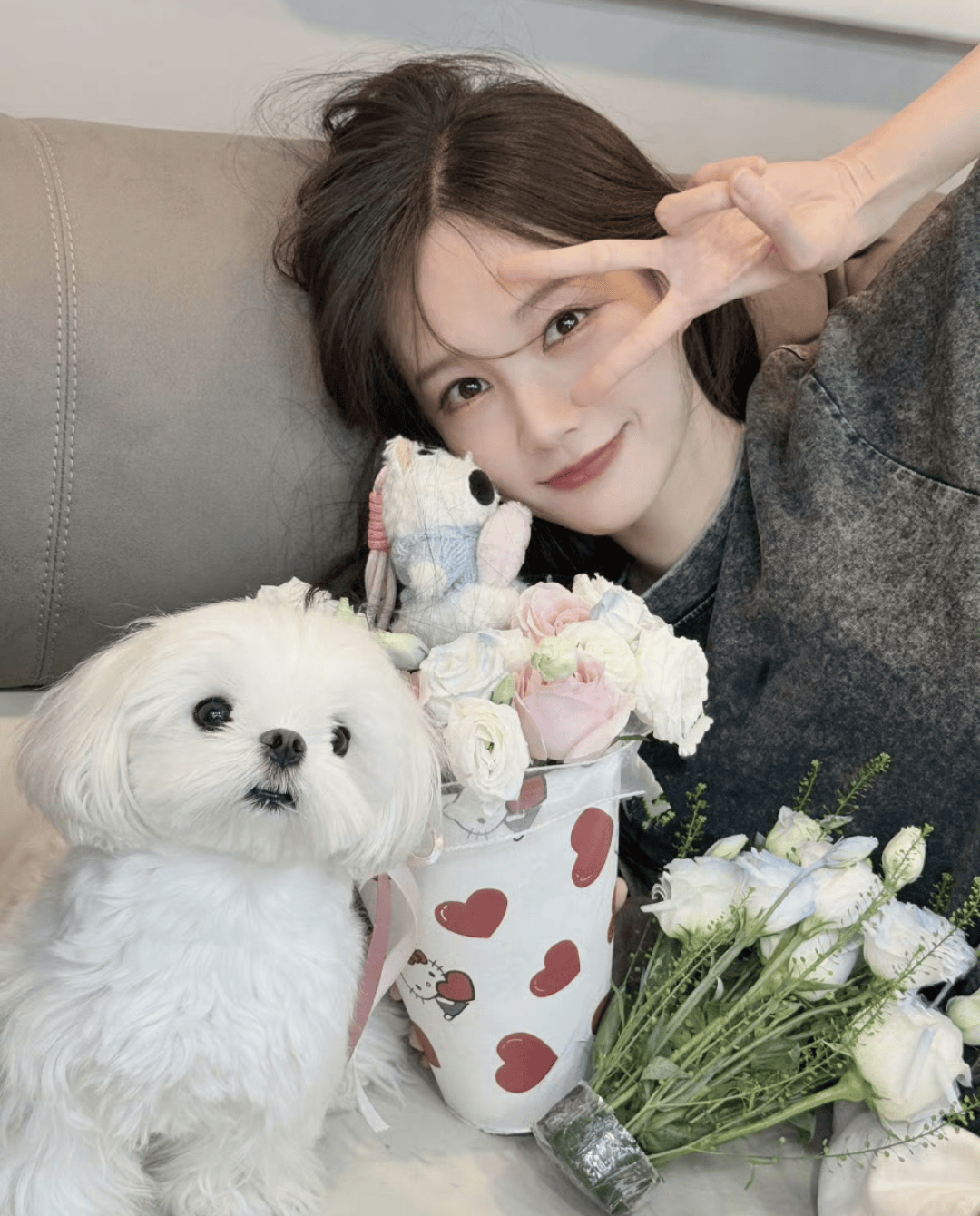
Group 1 - The core idea revolves around the viral trend of milk tea bouquets initiated by Li Yitong, which has sparked both admiration and health concerns among consumers [1][4][6] - The aesthetic appeal of the milk tea bouquet, described as "sweet and cool," has led to widespread imitation across various cities, indicating a significant cultural impact [3][4] - The commercial aspect is highlighted by the simultaneous marketing campaigns from brands, leveraging the trend for promotional activities, showcasing the intersection of celebrity influence and consumer behavior [5][6] Group 2 - Health warnings have emerged regarding the consumption of milk tea, with concerns about high ice content and bacterial contamination, prompting a discussion on the balance between aesthetic experiences and health risks [4][6] - The phenomenon reflects a shift in consumer behavior, where social media trends can rapidly influence purchasing decisions, raising questions about the implications of such trends on public health [4][6] - The event illustrates the power of social media in shaping marketing strategies, as brands capitalize on trending topics to enhance visibility and engagement with consumers [5][6]
2025年豪宅创新的趋势,进化太快了
3 6 Ke· 2025-08-04 02:31
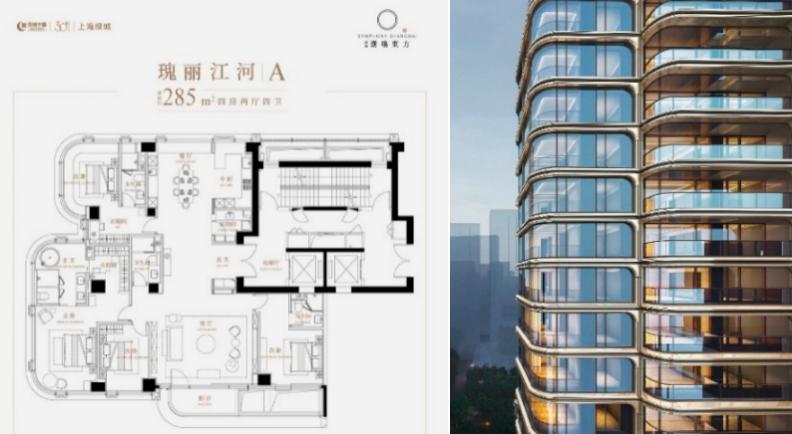
Core Insights - The article discusses the evolving preferences of high-end homebuyers, emphasizing a shift from investment-driven purchases to a focus on long-term living experiences. Buyers are increasingly seeking personalized, comfortable, and aesthetically pleasing living environments that provide a sense of belonging and community [1][20]. Group 1: Product Trends - Trend 1: Personalized Indoor Space - Buyers are now looking for unique living scenarios rather than just standard layouts, prompting developers to create open spaces with fewer structural constraints [1]. - Trend 2: Family-like Property Services - High-quality property management that fosters a sense of community and family is becoming a competitive advantage, with services tailored to enhance residents' daily lives [7]. - Trend 3: Multi-dimensional Landscape - There is a growing demand for properties that integrate nature and art into their design, creating a more immersive living experience [8][9]. - Trend 4: Ritualistic Homecoming - Developers are enhancing the experience of returning home by improving garage aesthetics and functionality, making it a welcoming transition from the outside world [11]. - Trend 5: Sense of Belonging - Luxury properties are increasingly focusing on community dynamics, ensuring that all residents feel a sense of equality and comfort within the space [14]. - Trend 6: Cultural Aesthetics - Homes are now seen as a reflection of personal identity, leading to collaborations with artists to enhance the cultural value of communities [16][18]. Group 2: Market Dynamics - The article highlights that despite some properties having excellent locations and configurations, they may still struggle to sell, while others that meet specific buyer expectations can achieve unexpected sales success [1]. - The shift in buyer mentality towards long-term living and comfort is reshaping the luxury real estate market, indicating a need for developers to adapt to these changing preferences [20].
【数字营销】每个品牌都在强调的“情绪价值”,到底是什么?
Sou Hu Cai Jing· 2025-07-15 04:30
Core Insights - The article discusses the evolving consumer behavior of Generation Z, emphasizing the importance of "emotional value" in their purchasing decisions, which can lead to profitable business opportunities. Group 1: Emotional Value in Consumption - The concept of "emotional value" is becoming increasingly significant across various product categories, including collectibles and everyday items, as consumers seek deeper connections with their purchases [4]. - Consumers exhibit a duality in their spending habits, balancing rational choices with a willingness to pay premiums for items that resonate with their personal preferences, reflecting a regained sense of control over their consumption [5][8]. - The rise of "spiritual consumption" is noted, where young consumers use specific purchases to connect with like-minded individuals rather than to showcase success through expensive items [9]. Group 2: Consumer Behavior Trends - The report highlights that nearly 30% of young consumers engage in spending for emotional healing, indicating a preference for experiences and products that enhance their well-being [23]. - Nostalgia is identified as a powerful emotional driver, with trends showing a resurgence of interest in classic media and products, providing comfort during uncertain times [24]. - The article also points out the significance of "rituals" in consumer behavior, as young people seek small acts that provide a sense of security amidst societal pressures [19].