仪式感

Search documents
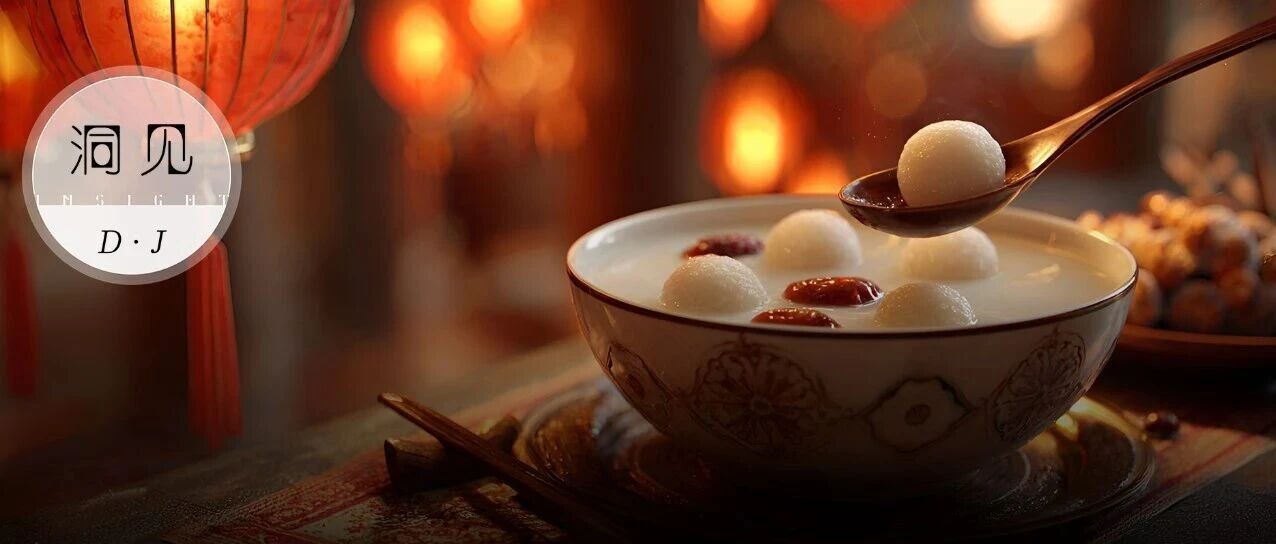
读懂5位名家笔下的元宵节,方知一个家庭越来越好的底层逻辑
洞见· 2026-03-02 12:34
Core Viewpoint - The article emphasizes the importance of family bonding and traditions during the Lantern Festival, highlighting how these elements contribute to a family's happiness and continuity over generations [4][35]. Group 1: Significance of Rituals - Lao She views the Lantern Festival as the climax of the New Year celebrations, where the sense of ritual is most profound, bringing families together in a meaningful way [6][7]. - The act of eating tangyuan (sweet dumplings) symbolizes a reward for life, while enjoying lanterns represents hope for the future, making each moment spent with family a cherished memory [8]. Group 2: Importance of Education and Knowledge - Liang Yusheng focuses on the tradition of guessing lantern riddles, which fosters family interaction and encourages learning, thus embodying the concept of "passing down knowledge" [10][14]. - The atmosphere of reading and learning within a family is more crucial than the number of books owned, as it nurtures a love for knowledge in children [15][16]. Group 3: Role of Fathers - Zhou Guoping highlights the father's role in a child's life, emphasizing that time spent together is more valuable than material gifts, as it builds a child's sense of security [20][21]. - The father's involvement in family activities, especially during festive occasions, significantly enhances the warmth and connection within the family [23]. Group 4: Value of Togetherness - Ba Jin reflects on the fleeting nature of family gatherings, stressing that true appreciation comes from being fully present during these moments, rather than regretting missed opportunities after they pass [24][26]. - The essence of cherishing time together lies in the quality of interactions, which can transform ordinary moments into lasting memories [27]. Group 5: Love and Legacy - Bing Xin discusses the importance of intergenerational love and emotional connections within families, which serve as a foundation for a nurturing environment [28][30]. - The continuity of love and care across generations is vital for a family's growth and stability, ensuring that each member feels valued and supported [35].

(新春走基层)年俗中的“头等大事”:年轻人在悦己仪式感中迎马年
Zhong Guo Xin Wen Wang· 2026-02-09 09:40
Group 1 - The article highlights the increasing trend among young people to engage in self-care rituals, particularly in hairstyling, as they prepare for the upcoming Lunar New Year [1][2] - The salon experiences peak business during the pre-holiday season, indicating a cultural shift towards valuing personal appearance and the associated ritualistic practices [1][2] - Popular hairstyles among young customers include large waves and curls, reflecting a youthful and fashionable aesthetic [2][5] Group 2 - Young women are gravitating towards trendy hair colors such as "milk tea" shades, which are versatile and appealing to various skin tones [5][7] - The concept of hair as a form of personal expression is emphasized, with some customers opting for bold and creative styles, showcasing a blend of individualism and fashion [7] - The salon staff is prepared to cater to diverse customer preferences, balancing mainstream trends with unique requests, indicating a responsive and innovative service approach [7]

2026元旦假期过节方式社媒用户洞察
数说故事· 2026-01-07 02:03
Investment Rating - The report does not explicitly provide an investment rating for the industry analyzed. Core Insights - The report highlights a significant increase in user engagement and diverse behavior patterns on social media platforms during the 2026 New Year's holiday, indicating a strong festive atmosphere and user participation [3][4]. Summary by Sections 1. Overall Social Media Trend Analysis - The discussion around the New Year holiday is predominantly led by Douyin, with its volume and interaction rates significantly higher than other platforms [5][6]. - User sentiment is generally positive, with a net sentiment rate (NSR) steadily increasing as the holiday approaches, reflecting strong anticipation [6][7]. - Travel preferences show a "north-south crossover" trend, with both winter tourism in northern regions and warm-weather escapes in southern areas gaining popularity [6][20]. - The "stay-at-home entertainment" trend has emerged as a leading activity, emphasizing the importance of relaxation and family interaction during the holiday [6][23]. 2. User Behavior Insights - There is a high willingness to travel, with a notable rise in both long-distance and short-distance trips, reflecting a diverse travel landscape [15][16]. - The "reverse tourism" trend, focusing on avoiding crowds and seeking unique experiences, has gained traction, particularly among younger users [18][20]. - Domestic tourism shows a strong "north-south crossover" pattern, with significant growth in bookings for both winter and warm-weather destinations [19][20]. - The inbound and outbound tourism market is expected to see a robust recovery, with daily passenger flow projected to exceed 2.1 million, a 22.4% increase year-on-year [20][23]. 3. Emotional Sentiment Analysis - The overall emotional tone during the New Year holiday is positive, with neutral sentiment content making up the majority at 83.1%, followed by positive sentiment at 15.9% [34][35]. - Key positive sentiment keywords include "happiness," "New Year," and "celebration," indicating users' excitement for the holiday [37][39]. 4. User Profile Analysis - Young users, particularly those born in the 1990s, are the primary drivers of consumption and discussion during the New Year holiday, showing strong growth in spending [44][46]. - The geographic distribution of users indicates that economically developed regions are the main sources of travelers, with a notable "north-south crossover" trend [46][47]. 5. Conclusions and Recommendations - The report suggests that the holiday activities are highly diversified, with a balance between outdoor celebrations and home-based entertainment [50]. - It emphasizes the need for the tourism industry to embrace both the "ceremonial" aspect of celebrations and the "reverse tourism" trend, catering to the demand for unique and cost-effective travel experiences [53]. - The entertainment industry should focus on creating shareable festive experiences, while the retail sector should target the "stay-at-home economy" and "New Year gifting" scenarios [53].
一图盘点2026开年消费4个热点
Xin Lang Cai Jing· 2026-01-04 11:43
Group 1 - The core viewpoint of the article highlights the vibrant recovery of China's economy during the New Year holiday, with significant growth in consumer spending and tourism activities [4][6][7] - The "cross-year travel" search volume increased by 125% year-on-year, indicating a strong interest in travel experiences [6] - Popular winter tourism activities, particularly ice and snow tourism, dominated the holiday, with Harbin's Ice and Snow World being a key attraction [6][7] Group 2 - The New Year holiday marked the first holiday after the implementation of the "national subsidy," leading to a surge in the home appliance market, particularly in smart appliances [7] - Data from Suning.com showed a 110% increase in customer traffic at stores nationwide during the holiday period [7] - The "China shopping" trend gained momentum due to policies like expanded visa-free travel and optimized tax refund processes, further boosting consumer interest [7]

仪式感热潮折射文旅消费转向
Xin Lang Cai Jing· 2025-12-31 23:12
Core Insights - The article emphasizes the importance of creating emotionally resonant and personalized experiences in the tourism industry, particularly through the concept of "ceremony" as a driving force for cultural and tourism consumption [1][5]. Group 1: Understanding the Concept of Ceremony - The concept of "ceremony" transcends mere time marking and has become a significant driver of cultural tourism consumption, reshaping the value logic on both supply and demand sides [1]. - Ceremony is defined as the transformation of abstract time concepts into tangible emotional experiences, providing psychological comfort through collective resonance or personal reflection [1][2]. - The emotional value provided by ceremony is the core competitive advantage that distinguishes it from ordinary tourism products, fulfilling not only the basic need to "see the scenery" but also the spiritual pursuit of "finding resonance" [1][2]. Group 2: Evolving Role of Tourists - Tourists are increasingly becoming co-creators of their ceremonial experiences rather than passive recipients, engaging in activities that reflect their personal narratives [2]. - The personalization of ceremonial experiences allows tourists to transition from being mere observers to active participants, enhancing the emotional significance of these experiences [2][3]. - This shift indicates a broader trend in tourism consumption moving from standardized products to emotionally and personally tailored experiences [2]. Group 3: Strategic Upgrades for the Tourism Industry - The industry should focus on building an open ecosystem of experiences, offering modular products and customizable elements that allow tourists to create their own unique experiences [3]. - Establishing cross-industry value networks is essential, encouraging collaboration with sectors like technology, entertainment, and retail to enhance the immersive and interactive aspects of ceremonies [3][4]. - A commitment to sustainable value orientation is crucial, ensuring that emotional resonance and value recognition take precedence over superficial trends and high traffic [4][5]. Group 4: Innovation and Authenticity - The industry must avoid homogenization by deeply exploring local cultural elements and integrating traditional customs with modern aesthetics to maintain uniqueness [5]. - Respecting genuine emotional needs of tourists is vital, as superficial experiences lacking emotional logic will ultimately be rejected by the market [5]. - The competition in the future of cultural tourism will fundamentally revolve around emotional value, necessitating the creation of warm, meaningful, and personalized ceremonial products to truly engage consumers [5].
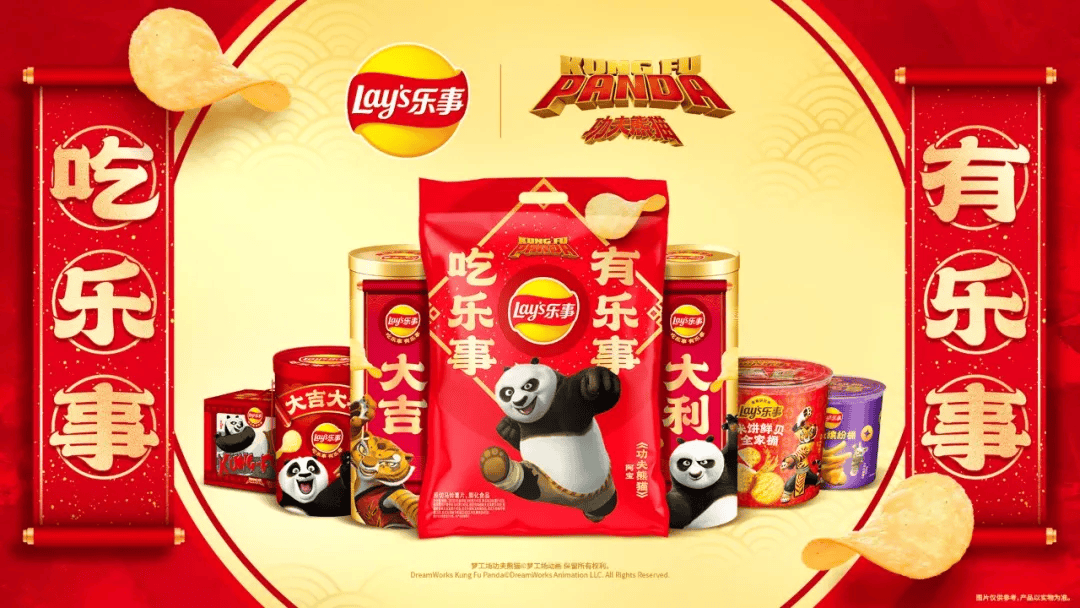
乐事春节新品曝光,马年CNY营销大战再造爆款!
Sou Hu Cai Jing· 2025-12-31 03:12
Core Insights - The article discusses the increasing competition among brands in the lead-up to the Chinese New Year, highlighting various marketing strategies employed to capture consumer attention and drive sales [1][3]. Group 1: Market Trends - The Chinese New Year is a significant holiday and a peak consumption period, with 46.30% of consumers choosing snacks as their preferred gift [3]. - Young consumers are becoming the primary drivers of New Year purchases, with nearly 50% willing to spend more for a sense of "ceremony" during the holiday [3][4]. - The focus on "quality consumption" and "emotional value" is becoming essential for consumers, indicating a shift in purchasing criteria [3]. Group 2: Product Launch - Lays has launched a series of limited-edition products for the Year of the Horse, featuring packaging that incorporates the "Kung Fu Panda" IP to enhance emotional resonance with consumers [4][7]. - The new product line includes various formats such as gift boxes and family-sized packages, catering to different gifting occasions and consumer needs [7]. Group 3: Marketing Strategy - Lays has initiated a comprehensive marketing campaign that includes both online and offline strategies to maximize brand visibility and consumer engagement [6][8]. - The campaign features a themed video and interactive social media hashtags to create buzz around the new products, aiming to convert brand recognition into sales [8]. - In-store displays are designed to enhance the festive atmosphere, encouraging consumers to focus on the new product offerings [8]. Group 4: Brand Positioning - Lays has established a strong market presence by consistently launching themed products and reinforcing its brand message of joy and sharing during the New Year [9][11]. - The brand's ability to connect its products with traditional cultural elements has solidified its position in the minds of Chinese consumers as more than just a snack [9][11]. - Lays' strategic focus on understanding local culture and consumer behavior serves as a model for other brands looking to penetrate the Chinese market [11].

仪式,美妆增长新动力
Xin Lang Cai Jing· 2025-11-28 05:47
Core Insights - The article discusses a shift in the beauty industry from ingredient-focused products to ritual-based care, emphasizing the importance of the care process itself rather than just the end results [1][4][25] - This trend is rooted in cultural practices and aims to provide emotional value and a deeper connection for consumers, moving beyond mere functionality [16][26] Group 1: Shift from Ingredients to Rituals - The beauty industry has seen a rise in "ingredient-focused" and "efficacy-focused" brands, which emphasize high purity and concentration of active ingredients [2][3] - As brands compete on the same ingredient-based dimension, opportunities for differentiation arise through a focus on "ritual logic," transforming products into emotionally valuable care processes [4][16] Group 2: Cultural Integration and Modernization - Brands like indē wild have successfully translated traditional rituals, such as the South Asian Champi head massage, into modern contexts, creating products that resonate with contemporary consumers [7][10] - The success of indē wild's Champi hair oil on platforms like Nykaa demonstrates the commercial effectiveness of integrating cultural rituals into product offerings [10][22] Group 3: Emotional Value and Brand Loyalty - Rituals provide significant emotional value, making products more than just functional items; they become containers for consumer emotions and experiences [19][25] - The emotional connection established through rituals enhances brand loyalty, as consumers are drawn to products that resonate with their personal and cultural narratives [19][25] Group 4: Market Opportunities in China - The Chinese market presents a fertile ground for "ritual-based care," as consumers seek deeper emotional connections and spiritual comfort beyond mere product efficacy [26][29] - Brands must shift from a product-centric approach to a "care-centric" mindset, embedding products within meaningful cultural rituals to enhance emotional resonance [26][29] Group 5: Cultural Translation and Modern Adaptation - Successful brands should focus on cultural translation rather than direct replication of traditional practices, ensuring that rituals are adapted to fit modern lifestyles [29][31] - Simplifying rituals to fit into consumers' busy lives is crucial for market acceptance, transforming lengthy traditional practices into quick, enjoyable experiences [31][32]


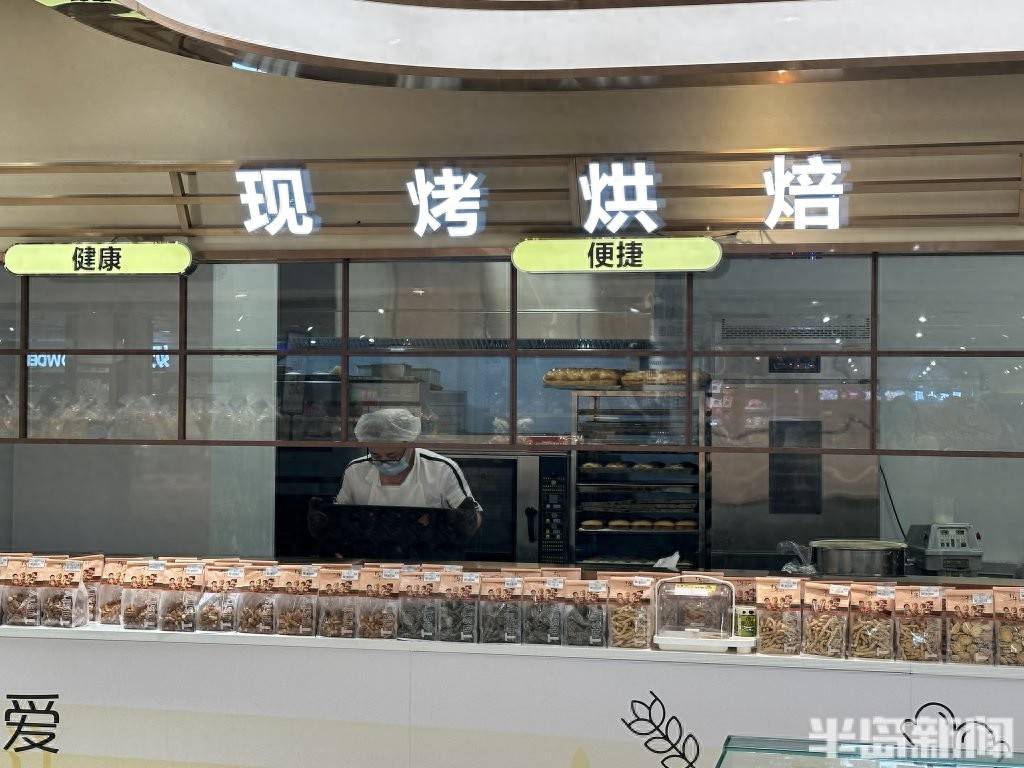
半岛调查|售价动辄30+,面包为何变“贵族”!揭开品牌面包店成本账,原料或非最大成本
Sou Hu Cai Jing· 2025-10-21 02:57
Core Insights - The high-end bread market is experiencing a shift towards premium pricing, with products like fresh toast priced at 45 yuan and signature toast at 32 yuan, leading consumers to express surprise at the rising costs of bread [1][5] - The market is characterized by a focus on quality, health, and social experiences, with increasing competition among similar products driving prices higher [1] Market Overview - A survey of a shopping center revealed eight bakeries offering a range of products priced between 12 yuan and 36 yuan, indicating a robust demand even on weekdays [3] - Popular items include various stuffed toasts, with prices ranging from 28 yuan to 45 yuan, and consistent restocking due to high sales [3] Consumer Behavior - The primary consumers are young professionals and families, particularly women, who are willing to pay a premium for high-quality and healthy ingredients [8] - There is a divide in consumer preferences, with some prioritizing cost-effectiveness and others willing to pay more for perceived value [8][10] Industry Dynamics - The intense competition among bakeries has led to a focus on in-store tasting experiences, with many brands setting up tasting areas to attract customers [11] - The proliferation of similar products has shifted consumer focus from novelty to value for money, with lower-priced options gaining popularity [14] Cost Structure - The cost of producing a 450g milk toast is approximately 16.20 yuan, factoring in direct materials, labor, rent, and other expenses, while larger chains can reduce costs significantly through economies of scale [18] - Smaller bakeries often rely on low-cost strategies, selling basic items at prices as low as 3 yuan, utilizing a "thin profit margin, high volume" approach [20] Market Trends - The market features a mix of national chains, regional brands, and local independent bakeries, with many products designed for social media appeal and gifting [21] - The trend of purchasing bread for social media sharing rather than consumption is prevalent, with consumers often prioritizing the experience of buying and photographing over eating [22]
新华网三评之二:“仪式感”不是浪费的遮羞布
Bei Jing Ri Bao Ke Hu Duan· 2025-10-15 23:44
Core Viewpoint - The article highlights the issue of food waste during festive celebrations, emphasizing that the desire for perfection and social status leads to excessive food ordering and waste, contradicting the true spirit of gatherings [1]. Group 1: Consumer Behavior - Consumers often order excessive dishes to achieve a "perfect" dining experience, leading to significant food waste [1] - The trend of showcasing lavish meals on social media encourages ordering more food than can be consumed, resulting in untouched dishes [1] Group 2: Marketing Practices - Some restaurants promote high-priced set menus under the guise of enhancing social status, which contributes to food waste [1] - The marketing strategies employed by businesses, such as promoting "value" in large set meals, often conflict with the message of food conservation [1] Group 3: Cultural Reflection - The article suggests that true celebration should focus on the joy of togetherness rather than the quantity of food, indicating a need for a cultural shift towards valuing meaningful interactions over ostentatious displays [1]

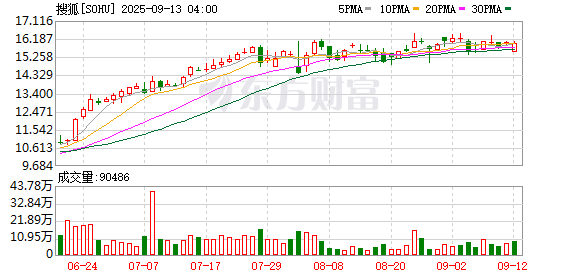
张朝阳:生命的意义在于一种仪式感
Nan Fang Du Shi Bao· 2025-09-15 06:48
Group 1 - The core event involved Sohu's founder Zhang Chaoyang completing a 8.69 km frog swim across the South Australia Island-Paofeng Bay in 5 hours and 18 minutes, serving as a personal challenge and a promotional activity for the upcoming Sohu Video Broadcaster Conference [2][5] - Zhang faced unexpected challenges during the swim, including strong currents and oyster areas, which posed risks of injury, leading to the activation of an emergency plan [4][5] - The swim was part of a broader initiative to promote a healthy lifestyle and physical activity, coinciding with the upcoming 15th National Games in Guangdong, where surfing will be featured [8][10] Group 2 - The Sohu Video Broadcaster Conference, also known as the "Attention Flow Conference," is scheduled for September 21 in Sanya, and will feature various content areas including dance, culture, and sports, aiming to create a social celebration [10] - The event was live-streamed by Sohu Video, with commentary from world champions in water sports, enhancing public engagement and education on swimming techniques [8][10] - Zhang emphasized the importance of setting meaningful goals and the role of scientific thinking in overcoming challenges, promoting a message of resilience and health through sports [5][8]