
传统村落保护

Search documents
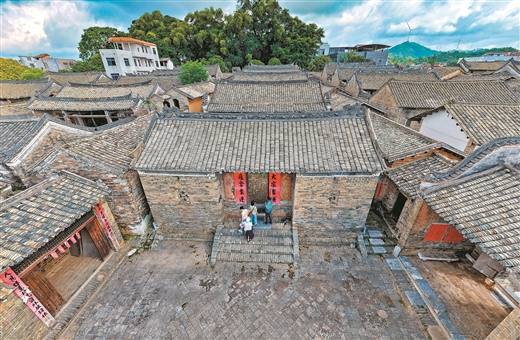
建德新叶村探索传统村落保护之路
Ren Min Ri Bao· 2025-10-29 05:49
Core Viewpoint - The article highlights the successful preservation and revitalization efforts of Xinye Village, a traditional village in Zhejiang, China, showcasing a balance between cultural heritage protection and modern living needs [4][10][12]. Group 1: Historical Significance - Xinye Village, established during the Southern Song Dynasty, is home to 16 ancient ancestral halls, towers, and over 200 traditional residences, recognized as a traditional village in China since 2012 [2][3]. - The village faced significant challenges from urbanization in the late 20th century, leading to the construction of over 100 new houses that threatened its historical layout [4][5]. Group 2: Preservation Efforts - In response to the threats, a comprehensive preservation project was initiated around 2007, involving local government and experts to restore the village's historical integrity [7][8]. - The village established regulations for the protection and renovation of ancient residences, resulting in the removal of several new constructions that obstructed historical views [8][9]. Group 3: Community Involvement - The preservation strategy emphasizes community involvement, with villagers actively participating in cultural heritage protection, such as traditional crafts and performing arts [10][12]. - The village has implemented tailored renovation plans for residents living in ancient buildings, aiming for a dual benefit of heritage conservation and improved living conditions [9][10]. Group 4: Cultural Activities - Xinye Village hosts annual cultural events, such as the "March 3" agricultural experience and folk activities, attracting significant tourist interest, with 12,000 visitors recorded in a single day in 2025 [10][11]. - The introduction of digital technology and skilled craftsmen has enhanced the preservation efforts, allowing for better monitoring and maintenance of the village's architectural heritage [13].


浙江建德新叶村探索传统村落保护之路
Huan Qiu Wang· 2025-10-28 02:03
Core Viewpoint - The article highlights the successful preservation and revitalization of Xinye Village, a traditional village in Zhejiang, China, emphasizing the balance between cultural heritage protection and modern living needs [5][11][12]. Group 1: Historical Background - Xinye Village was established during the Southern Song Dynasty and contains 16 ancient structures and over 200 traditional houses, recognized as a traditional village in China since 2012 [3]. - The village faced significant challenges from urbanization in the late 20th century, leading to the construction of over 100 new houses that threatened its historical layout [5][6]. Group 2: Preservation Efforts - In response to the threats, a comprehensive preservation project was initiated around 2007, involving local government and experts to restore the village's historical integrity [8][9]. - The village established regulations for the protection and renovation of ancient houses, resulting in the removal of several new constructions that obstructed historical views [9]. Group 3: Community Involvement - The preservation strategy involved engaging the local community, making villagers both the subjects and active participants in the protection of their cultural heritage [12]. - Villagers have initiated projects to revive traditional crafts and performances, such as wood carving and Kunqu opera, enhancing cultural continuity [12]. Group 4: Cultural Events and Tourism - Xinye Village hosts annual cultural events, such as the "March 3" agricultural experience, attracting significant tourist interest, with 12,000 visitors recorded in a single day in 2025 [12]. - The integration of digital technology in heritage protection has improved monitoring and preservation efforts, ensuring the village's historical architecture is well-maintained [15].

四川这座千年村落何以吸引世界目光?
Si Chuan Ri Bao· 2025-10-19 01:26
Core Viewpoint - The village of Jikayi in Danba County, Garze Tibetan Autonomous Prefecture, Sichuan, has been selected as one of the "Best Tourism Villages" by the United Nations World Tourism Organization for 2025, marking it as the first village in Garze and the second in Sichuan to receive this honor [3][4]. Cultural Heritage - Jikayi village is located in the core area of the cultural corridor of the Tibetan, Qiang, and Yi ethnic groups, rich in historical significance with human habitation dating back 5,000 years [3][5]. - The village features numerous ancient watchtowers, known as "Qiang towers," which are built using a unique construction technique that enhances their seismic resistance and thermal insulation [3][4]. Tourism Development - The ancient towers serve not only as cultural symbols but also as a significant attraction for tourists, with a growing number of visitors drawn to the village for its scenic beauty and cultural heritage [4][5]. - The local government has implemented measures to promote sustainable tourism, encouraging local residents to operate homestays rather than allowing external investors to build modern structures that could compromise the village's traditional architecture [6][7]. Local Entrepreneurship - Since the village's recognition, the number of homestays has increased from about 20 to over 60, with 95% of these businesses operated by local residents [6][7]. - Local initiatives include training programs for e-commerce, hospitality management, and culinary skills, as well as financial support for villagers looking to start their own businesses [6][7]. Preservation Efforts - The local government has established regulations to protect the traditional architecture and cultural heritage of the village, ensuring that any new constructions adhere to the traditional aesthetic [7].
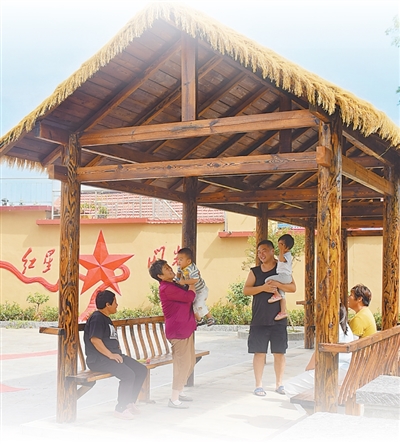
沂河灵秀处 古村展新颜(文化中国行·走进传统村落)
Ren Min Ri Bao· 2025-10-07 21:51
Core Viewpoint - The article highlights the preservation and revitalization of traditional villages in Yishui County, Shandong Province, focusing on the cultural heritage and tourism development opportunities presented by these efforts [6][10][14]. Group 1: Traditional Villages and Heritage - Yishui County is home to six traditional Chinese villages and numerous provincial-level traditional residential protection projects, with plans for concentrated protection and utilization in 2024 [6][10]. - Wangzhuang Village features unique traditional architecture, including "dry-insert stone houses" and "fish scale tiles," showcasing local building techniques and materials [9][10]. - The village has undergone significant restoration efforts, with over 30 million yuan invested to improve infrastructure while preserving traditional aesthetics [10]. Group 2: Tourism Development - Wangzhuang Village plans to convert idle traditional houses into guesthouses to boost tourism, involving local residents in the design process to maintain cultural authenticity [10]. - Guanding Village is notable for its proximity to the Qi Great Wall, with ongoing preservation efforts and community involvement in maintaining cultural heritage [11][12]. - Guaiya Village leverages its historical resources, such as the ancient Jiwang Crag, to develop diverse tourism projects, enhancing visitor experiences through immersive performances and local cuisine [14].
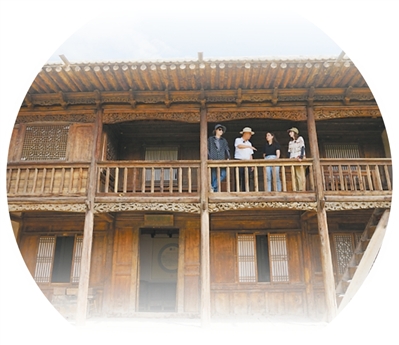
连片保护激活古村动能(走进传统村落)
Ren Min Ri Bao· 2025-10-06 22:01
Core Insights - Yulong County in Yunnan Province is focusing on the protection and revitalization of traditional villages, with 24 villages listed in the national traditional village directory, aiming for a harmonious development of cultural heritage and rural revitalization [2][3][12] Group 1: Traditional Villages - Shitou City Village, a historical site for over 1300 years, showcases the local wisdom of using stone for construction, with its unique geography contributing to the preservation of its traditional architecture [4][5] - The village has been recognized as a provincial cultural heritage site and has seen an increase in tourist visits, with a focus on outdoor adventure and cultural experiences [4][12] - The local government is investing in infrastructure improvements and encouraging residents to maintain the traditional architectural style while also utilizing the space for tourism [5][12] Group 2: Cultural Heritage and Craftsmanship - Baisha Village is part of the UNESCO World Heritage site of Lijiang Ancient Town, known for its traditional Naxi copper craftsmanship, which is vital for local culture and trade [6][7] - The preservation of traditional crafts is supported by local policies, with initiatives to engage younger generations in these skills through experiential learning [8][12] Group 3: Rural Tourism Development - Nanyao Village is developing rural tourism by leveraging its traditional architecture and local customs, attracting visitors seeking authentic rural experiences [10][11] - The village is strategically positioned to benefit from surrounding attractions, enhancing its tourism potential through resource collaboration with nearby villages [11][12] - In 2024, Yulong County expects to receive 22.99 million tourists, a 73% increase from the previous year, with a projected tourism revenue of 23.7 billion yuan, reflecting a 62% growth [12]

云南玉龙推动风貌保护、文化传承与乡村振兴“同频共振” 连片保护激活古村动能(走进传统村落)
Ren Min Ri Bao· 2025-10-06 21:56
Core Insights - Yulong County in Yunnan Province has a rich cultural heritage, with 24 villages listed as traditional villages in China, and aims for integrated development of cultural preservation and rural revitalization [1][11] Group 1: Cultural Heritage and Preservation - Shitou City Village, a historical site for over 1300 years, showcases the architectural wisdom of the Naxi people, utilizing local stone for construction [3][4] - The village has maintained its traditional appearance due to its unique geography and historical self-sufficiency, with a focus on preserving cultural values [3][4] - The local government has implemented regulations to protect traditional architectural styles, leading to Shitou City being recognized as a provincial cultural heritage site [3][4] Group 2: Traditional Crafts and Economic Impact - Baisha Village is known for its traditional Naxi copper craftsmanship, which plays a significant role in local culture and trade [4][5] - The revival of traditional crafts is supported by local policies and educational initiatives, creating new market opportunities for artisans [7][11] - The integration of cultural heritage into tourism has led to increased visitor engagement and economic benefits for the region [4][11] Group 3: Rural Tourism Development - Nanyao Village is developing rural tourism by leveraging its traditional architecture and local customs, attracting visitors seeking authentic experiences [8][10] - The village's strategic location allows it to benefit from surrounding attractions, enhancing its tourism potential [10][11] - Yulong County aims to create a coordinated tourism model that promotes ecological health and cultural experiences across multiple traditional villages [11]
枕山环水处 精巧篱笆楼(走进传统村落)
Ren Min Ri Bao· 2025-10-02 22:13
Core Viewpoint - The article highlights the cultural and architectural significance of the "Lifalo" (篱笆楼) in Mengda Dazhuang Village, emphasizing its historical roots, unique construction techniques, and the efforts to preserve this traditional building style [11][13]. Group 1: Cultural Significance - Mengda Dazhuang Village is home to the Salar ethnic group, with a history dating back over 800 years, showcasing traditional architecture and cultural heritage [10]. - The Lifalo is recognized as a national intangible cultural heritage, reflecting the unique lifestyle and agricultural practices of the Salar people [11][12]. Group 2: Architectural Features - The Lifalo is a typical three-courtyard building, constructed with a wooden frame and walls made from woven branches, providing strong ventilation and a unique aesthetic [12][13]. - The building's design includes a two-story structure with living spaces on the upper level and livestock on the lower level, adapted to the local environment [13]. Group 3: Preservation Efforts - There are fewer than 10 ancient Lifalos remaining in the village, prompting calls for preservation and innovation in construction techniques to maintain their cultural value [13]. - Local authorities emphasize the importance of protecting and promoting the Lifalo, balancing traditional methods with modern aesthetics to attract interest and participation in preservation efforts [13].
中国经济信心说丨忘不了的“乡愁”,如何成乡村振兴“流量担当”
Yang Shi Xin Wen Ke Hu Duan· 2025-08-29 07:41
Core Insights - Traditional villages in China have become significant contributors to rural revitalization, attracting over 293 million visitors and generating approximately 34.213 billion yuan in consumption in the first half of the year [1][3] Group 1: Traditional Village Protection and Development - The initiative to protect traditional villages began in 2012, aiming to preserve cultural heritage for future generations, with 556,000 traditional buildings and nearly 6,000 intangible cultural heritage items included in the protection list [3] - Various regions are implementing unique strategies for the protection and revitalization of traditional villages, such as the "style approval" for renovations in Guizhou and the establishment of electronic archives for ancient buildings in Anhui [3][4] - Balancing protection and innovation is crucial, as traditional villages must integrate cultural heritage with modern elements to ensure sustainable development [3] Group 2: Challenges and Innovative Solutions - The process of protecting and utilizing traditional villages faces challenges like funding shortages and unclear property rights, necessitating innovative mechanisms involving government investment, market operations, and social capital [4] - Examples of innovative approaches include Anhui's creation of a property trading platform for ancient residences and Fujian's local regulations for protecting traditional architecture [4] Group 3: Cultural and Economic Impact - Traditional villages serve as carriers of cultural nostalgia and are valuable economic resources, with successful examples like Shaanxi's food museum and Jiangxi's village running events attracting significant attention [6] - The transformation of traditional villages into popular tourist destinations demonstrates their potential for economic growth and cultural revival, contributing to the overall revitalization of rural areas [6]
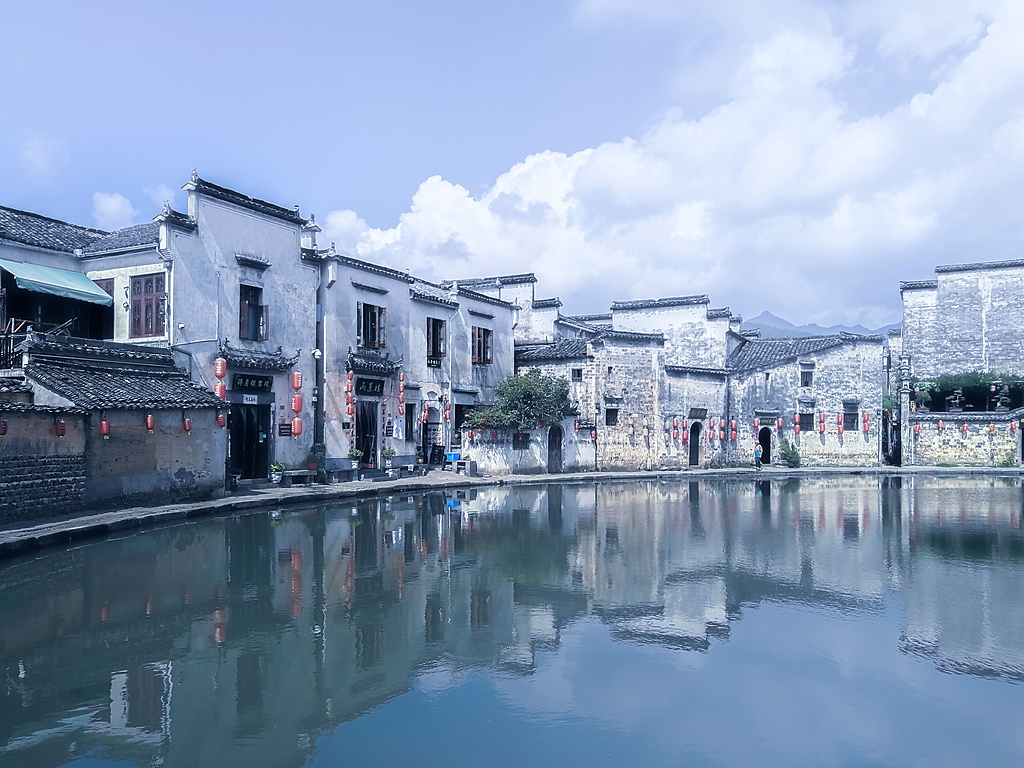
平陆运河风物志㊶丨大芦“三古”韵悠长
Guang Xi Ri Bao· 2025-08-23 02:46
Core Viewpoint - Dalu Village in Lingxian County, Guangxi, is a well-preserved historical village with rich cultural heritage, showcasing ancient architecture and a strong emphasis on education and family values, which has contributed to its sustained prosperity over nearly 500 years [1][4][5] Group 1: Historical Significance - Dalu Village features the largest and most complete collection of Ming and Qing dynasty residences in Guangxi, with a population of over 5,000 and a harmonious coexistence of 15 surnames [1] - The village is known for its "three ancient" elements: ancient houses, ancient trees, and ancient couplets, which reflect its historical depth and cultural significance [1][2] Group 2: Architectural Features - The village includes nine ancestral houses and one ancestral hall built by the Lao family over 350 years, surrounded by artificial lakes that enhance the aesthetic and functional aspects of the residences [2] - The architectural layout of the ancestral homes, such as the Huoe Ear Building, reflects strict social norms and cultural values, emphasizing the importance of hierarchy and propriety in daily life [1][4] Group 3: Cultural Heritage - Dalu Village is renowned for its 305 pairs of couplets, earning it the title of "the first village of couplets in Guangxi," which encapsulates the wisdom and teachings of the local scholars over centuries [4] - The tradition of rewriting couplets during festivals fosters a sense of community and continuity of cultural values among the villagers [4] Group 4: Modern Developments - In 2024, Lingxian County will be recognized as a national traditional village protection demonstration area, with Dalu Village set to become a cultural exchange hub along the Belt and Road Initiative [5] - Plans for the future include the establishment of a digital museum, guesthouses, and an ASEAN traditional village exchange center, aiming to enhance cultural dialogue and tourism [5]
我省有效保护1000多个传统村落和传统建筑组群 提前完成“十四五”目标
Xin Hua Ri Bao· 2025-08-21 23:07
Core Viewpoint - Jiangsu province has successfully completed its goal of protecting 1,000 provincial traditional villages and architectural groups ahead of schedule, showcasing a model for balancing preservation and development in traditional village revitalization [1][2][4] Group 1: Traditional Village Protection - Jiangsu has implemented legal frameworks for traditional village protection since 2017, focusing on preserving historical buildings and architectural styles [1][2] - The province has identified and protected 624 provincial traditional villages and 381 traditional architectural groups, achieving full coverage in 76 agricultural counties [2][4] Group 2: Infrastructure and Living Environment - Traditional villages are being enhanced with modern infrastructure while maintaining their historical character, aiming to meet contemporary living standards [3][4] - Significant investments have been made in village infrastructure, such as the construction of roads, sewage systems, and community facilities, to improve living conditions [3][5] Group 3: Financial Support and Innovation - Jiangsu province has secured 1.92 billion yuan in special funds for the protection and development of traditional villages, alongside innovative financial services like "Su Xiang Loan" [5] - Agricultural banks have provided substantial credit support, totaling nearly 27 billion yuan, for historical preservation and environmental improvements [5] Group 4: Tourism and Economic Development - Traditional villages are being transformed into tourist attractions, with significant visitor numbers and revenue generation, exemplified by Mingyue Bay village attracting over 800,000 visitors annually [6][7] - The integration of cultural activities and tourism in traditional villages has led to over 2,800 events attracting more than 12 million visitors, generating 715 million yuan in rural tourism revenue [7]