
军国主义

Search documents
视频丨日本有识之士要求高市撤回错误言论
Yang Shi Xin Wen Ke Hu Duan· 2026-01-30 05:38
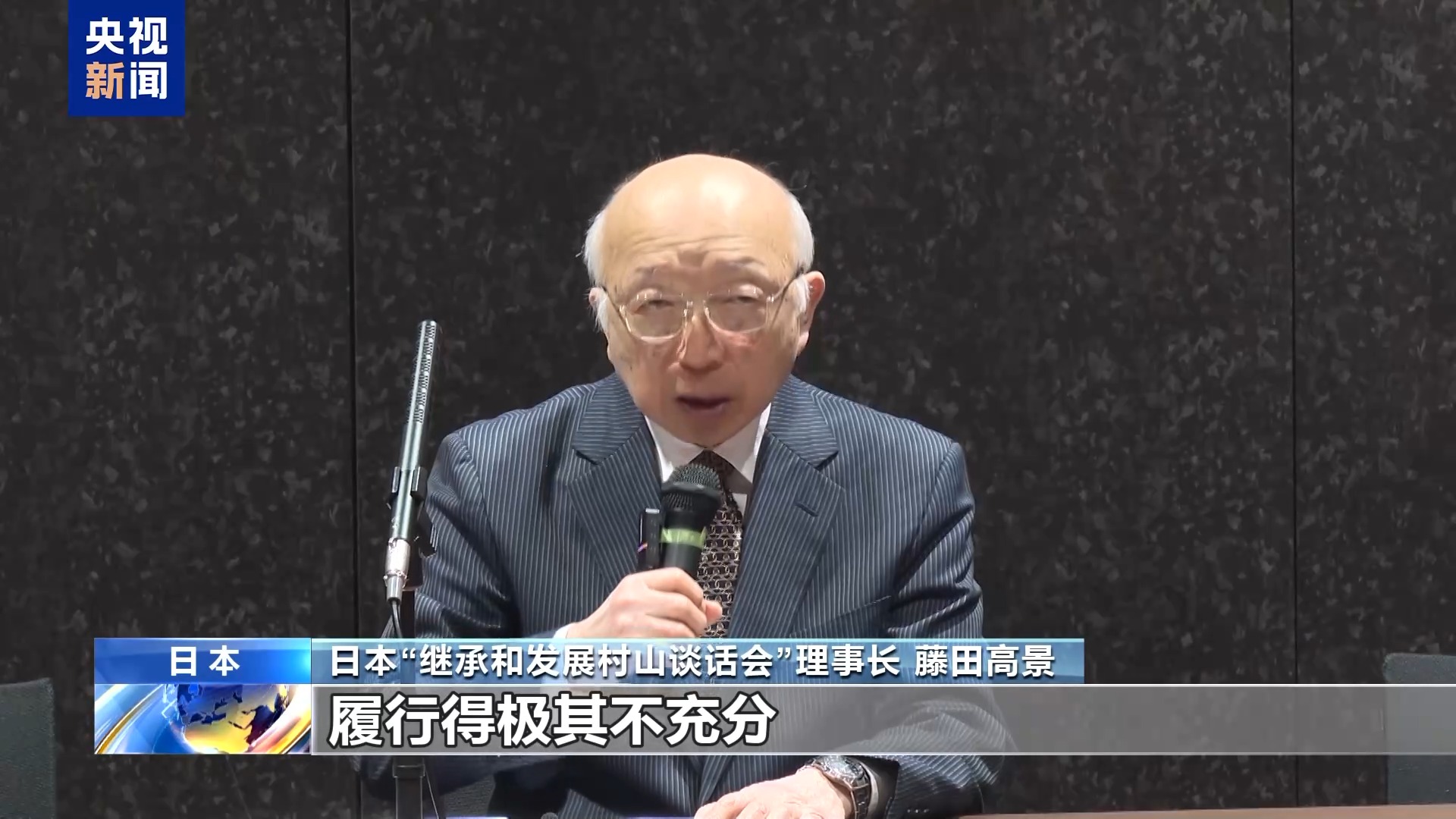
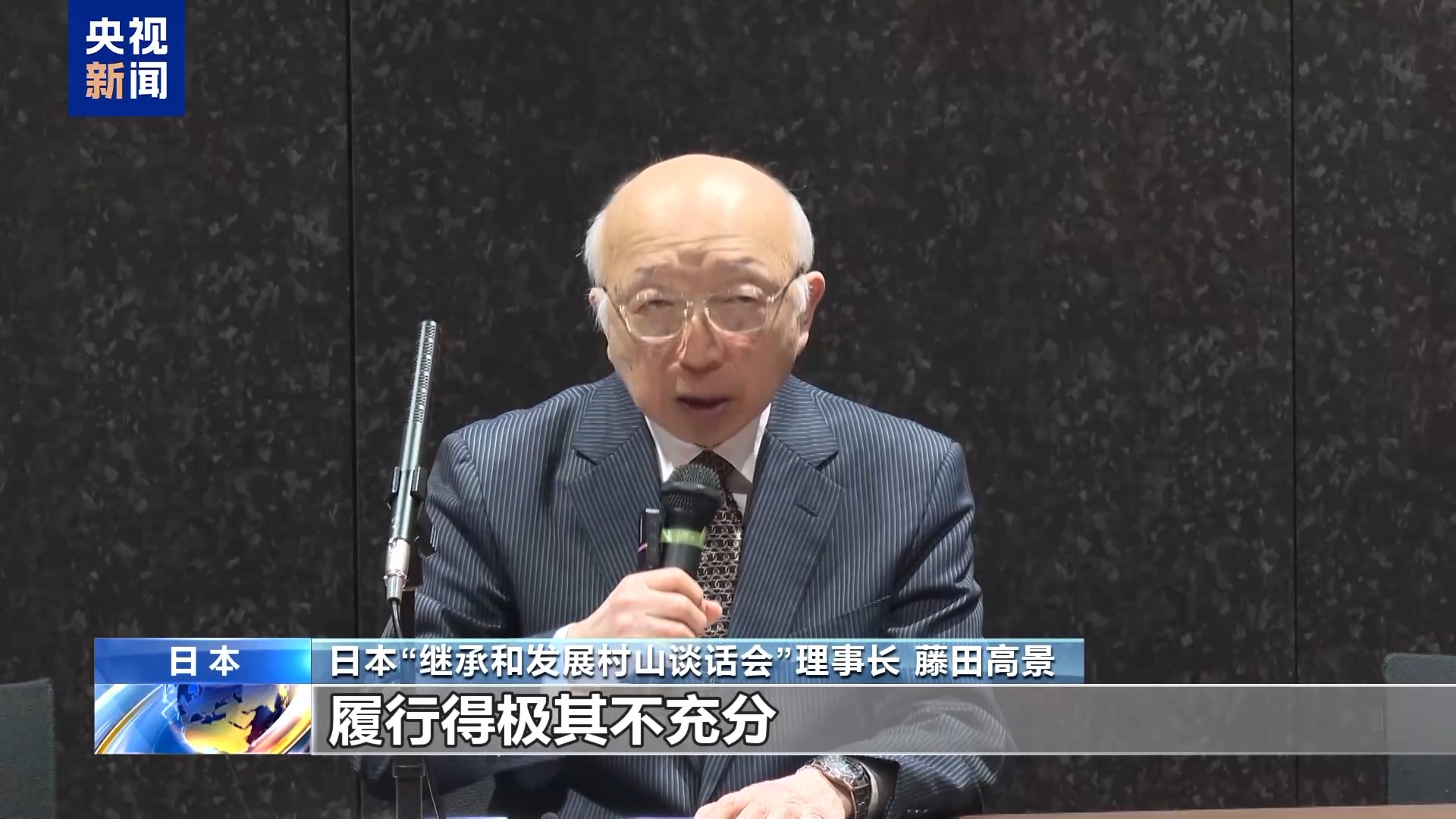
当地时间1月29日,日本"继承和发展村山谈话会"在东京举行集会。与会人士指出,台湾问题属于中国内政,要求日本首相高市早苗尽快撤回错误言论。 0:00 与会人士表示,高市早苗的错误涉台言论严重偏离日本战后坚持的和平路线。 日本"继承和发展村山谈话会"理事长 藤田高景:日本对过去侵略中国的战争以及殖民统治所应承担的责任履行得极其不充分,我认为,我们必须依靠日本 民主的力量,迫使高市首相撤回其所谓"存亡危机事态"的相关言论。 日本前首相 鸠山由纪夫:台湾问题是中国的内政,对于内政问题,我们一贯的原则就是绝不加以干涉,这完全违背了《中日联合声明》的宗旨,但她还是 发表了与之相悖的言论,结果导致日中关系被严重破坏。像这样的首相,大家真的可以继续让她执政下去吗? 集会参加者:战争绝对不能发生,尤其是在东亚地区。日本本来就是发动过侵略战争的国家,更应该站在深刻反省的立场上去推动和平。从这个角度看,我 也去过中国、韩国和朝鲜,那里至今仍能看到日本侵略留下的伤痕。大家都在努力抚平这些创伤,追求共同生存与相互肯定。在这样的情况下,唯独日本却 明显想要推动战争,这一点我认为无论如何都不能被容许。 责编:王瑞景、张振 集会参加者:这 ...

日本有识之士要求高市撤回错误言论
2 1 Shi Ji Jing Ji Bao Dao· 2026-01-29 23:37
当地时间1月29日,日本"继承和发展村山谈话会"在东京举行集会。与会人士指出,台湾问题属于中国内政,要求日本首相高市早苗尽快撤回错误言论。 集会参加者:这完全是背弃了1972年日中邦交正常化时所作的承诺,背弃了对中国的承诺,高市首相的发言极不负责。 从拟取消对武器出口的5种类型限制、为武器出口大幅"松绑"到推动修改"无核三原则"的讨论,集会参加者认为,必须警惕高市政权的扩军野心。 日本法政大学前总长 田中优子:军国主义者打算做什么呢?不断提高防卫费支出,然后用国债来填补,结果就是我们的债务不断增加,而日元贬值也无法 停止,也就是说经济问题必然会爆发。日中之间这种紧张的关系,势必会对经济造成重大影响。 与会人士表示,高市早苗的错误涉台言论严重偏离日本战后坚持的和平路线。 日本"继承和发展村山谈话会"理事长 藤田高景:日本对过去侵略中国的战争以及殖民统治所应承担的责任履行得极其不充分,我认为,我们必须依靠日本 民主的力量,迫使高市首相撤回其所谓"存亡危机事态"的相关言论。 与会人士指出,高市早苗的错误言论严重违反国际关系准则、违背中日四个政治文件精神。 日本前首相 鸠山由纪夫:台湾问题是中国的内政,对于内政问题, ...
蒋百里对日本军国主义必败的战略预判
Xin Lang Cai Jing· 2026-01-28 21:00
蒋百里的家庭背景为其观察日本提供了独特的视角。他的夫人蒋佐梅(佐藤屋登)是日本人,但其子女 皆受中国传统教育。长女蒋昭在抗战中服务于红十字会,三女蒋英是音乐教育家,同时也是"中国航天 事业奠基人"钱学森的夫人。正是这种跨越国界的家庭生活,让他比同时代许多知识分子更深入、更复 杂地洞察日本的民族性格与其内在局限性。 1901年,蒋百里经浙江求是书院派遣,留学日本成城学校学习。其间,他在梁启超主编的《新民丛报》 上发表《军国民之教育》一文。该文实为蒋百里翻译日本民友社《青年丛书》中《武备教育》的内容, 反映了当时中国知识界救亡图存的急切心理。这是他思考中国救亡之道的出发点,但该时期并非其思想 成熟期,其言说感性多于理性,对军国主义的思想内核尚缺乏深刻认识。 1903年,他在《浙江潮》发表《真军人》一文,痛感于清末中国与明治日本之间的国力悬殊,希望通过 提倡军人精神与军事化教育来振奋国民精神、改变社会风气。这种初级阶段的认知,是近代中国知识分 子在遭遇强权欺凌时,试图以"同样的武器"武装自己的典型心态。 (来源:团结报) 转自:团结报 □ 王 鼎 吕 程 蒋百里,名方震,字百里,浙江海宁人,是中国近代史上极具影响力 ...
中国常驻联合国副代表:日本是“国际秩序破坏者”
Xin Hua She· 2026-01-28 01:26
Group 1 - The core viewpoint is that Japan has become an "international order destroyer" due to its actions and statements regarding historical events and territorial issues, particularly concerning Taiwan [1][2] - China emphasizes that Taiwan's return to China is a significant outcome of World War II and a crucial part of the post-war international order, which Japan's current stance undermines [1] - Japan's historical aggression during World War II and its failure to fully acknowledge its past crimes are highlighted as reasons for its current classification as an "aggressor" [1][2] Group 2 - Japan's leadership is accused of promoting militarization and military expansion, posing new threats to regional and global peace [2] - The Chinese side urges Japan to reflect deeply on its actions, cease provocations, and take concrete steps to restore trust with China and the international community [2] - Four critical questions are posed to Japan regarding its commitment to international law and its historical responsibilities, emphasizing the need for Japan to acknowledge its past and clarify its stance on Taiwan [3]
中方敦促国际社会防止日本再走军国主义老路邪路
Jin Rong Jie· 2026-01-19 22:16
据新华社报道,中国常驻联合国代表团临时代办孙磊19日在联合国防止及惩治危害人类罪问题全权代表 会议筹备委员会第一届会议上发言,敦促国际社会共同捍卫包括东京审判在内的二战胜利成果,维护以 国际法为基础的国际秩序,防止日本再走军国主义的老路和邪路。 ...
视频丨多国人士:高市错误言论违背历史事实 危害地区稳定
Yang Shi Xin Wen Ke Hu Duan· 2026-01-15 13:52
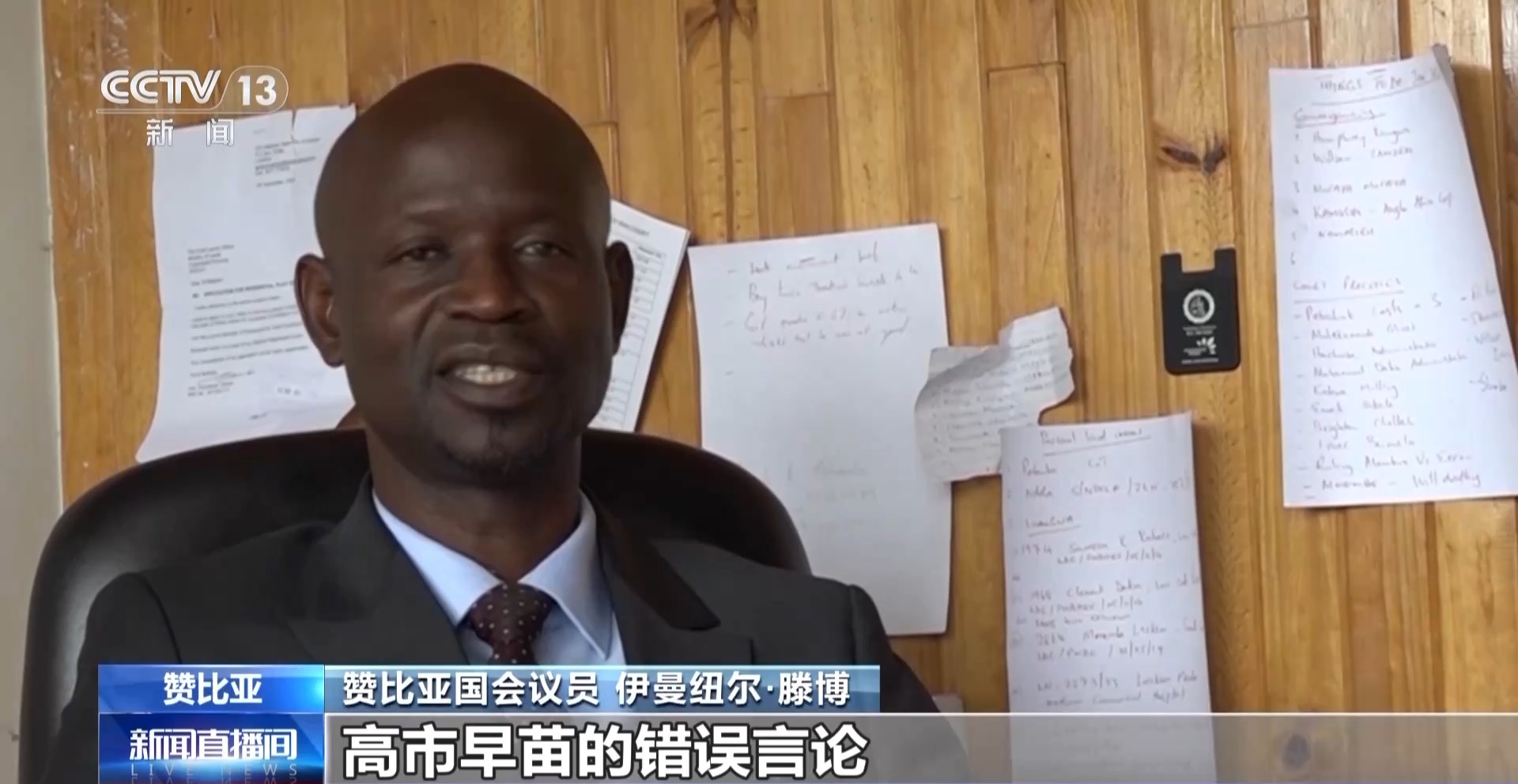
Group 1 - The international community is responding rationally and objectively to the erroneous statements made by Japanese Prime Minister Sanae Takaichi, emphasizing that adherence to the One China principle is a universal consensus [1][3][7] - Various countries, including Lesotho and Senegal, have reiterated their commitment to the One China principle, stating that Taiwan is part of China and calling for respect for historical facts and international relations [3][7] - Criticism from Zambia highlights that Takaichi's statements are seen as a provocation and a threat to international peace, suggesting that Japan's rhetoric signals a resurgence of militarism [5][9] Group 2 - Brazilian political science professor Cristina Pescequillo argues that Japan's historical revisionism is part of a broader trend that aligns with far-right conservative forces, potentially leading to increased global instability [9] - The statements from various international figures indicate a growing concern over Japan's political motivations, which are perceived as undermining established cooperative relationships amid political disagreements [9]
多国人士:高市错误言论违背历史事实 危害地区稳定
Xin Lang Cai Jing· 2026-01-15 09:08
Group 1 - The international community is responding rationally and objectively to the erroneous remarks made by Japanese Prime Minister Sanae Takaichi, emphasizing that adherence to the One China principle is a common consensus among nations [1][3][5] - Lesotho's Minister of Information, Communications, Technology and Innovation, Mohlohi, stated that individual politicians' remarks should respect historical facts and the basic principles of international relations, reaffirming Lesotho's commitment to the One China principle [1] - Zambian MP Emmanuel Tembo described Takaichi's comments as provocative and a threat to international peace, urging the Japanese government to retract these statements [3] Group 2 - Senegalese journalist Amadou Diop highlighted that the One China principle is a universal consensus, including Senegal's recognition of Taiwan as part of China, and called for Japan to cease its provocative actions [5] - Cristina Pescequillo, an associate professor of international politics at the Federal University of São Paulo, argued that Japan's historical revisionism is part of a broader trend that aligns with far-right conservative forces, contributing to global instability [7] - The erroneous remarks from Japan are seen as politically motivated and detrimental to the cooperative relationships that have been gradually established amid political differences [7]
日媒称高市早苗正考虑解散众议院以获得更大优势 国际人士表示高市错误言论危害国际秩序
Yang Guang Wang· 2026-01-11 03:06
Group 1 - Japanese Prime Minister Kishi Sanae is considering dissolving the House of Representatives ahead of the upcoming parliamentary session on January 23, with elections likely to be held in mid-February [1] - The opposition leader of the Constitutional Democratic Party, Noda Yoshihiko, has stated that if the House is dissolved, they will prepare to respond decisively and aim to become the largest party in the Diet [1] - Concerns have been raised regarding Kishi's controversial remarks, which are seen as a dangerous indication of Japan's potential return to militarism, prompting calls for her to retract her statements and apologize [1] Group 2 - International observers have criticized Kishi's remarks as a blatant interference in China's internal affairs, posing risks to regional and international order [2] - The Director of the International Relations Department of the Uruguayan Labor Ministry, Leonardo Bataglia, described Japan's comments as provocative, emphasizing that Japan, as a defeated nation in World War II, should not revive militaristic ambitions [2] - There is a strong support for China's stance against any external interference in its internal matters [2]
社评:日本最应算清的,是地区和平这本大账
Huan Qiu Shi Bao· 2026-01-08 12:35
Group 1 - The Chinese Ministry of Commerce announced strengthened export controls on dual-use items to Japan, which has led to significant concerns in Japan regarding potential impacts on key industries such as semiconductors and electric vehicles [1][2] - Japan's government has reacted strongly, claiming that China's measures are unacceptable and demanding a withdrawal, while media analyses focus on the economic implications without addressing the underlying political issues [1][3] - The export controls are seen as a legitimate exercise of China's sovereign rights to protect national security and fulfill international obligations, contrasting Japan's previous actions in imposing export controls on China without factual basis [1][2] Group 2 - Japan's military expansion and aggressive defense budget plans, including the development of offensive weapons, are viewed as direct threats to regional stability and have increased the risk of dual-use items being repurposed for military applications [2] - The current crisis in Japan's foreign and economic policy is attributed to the government's short-sighted approach, particularly regarding Taiwan, which has led to a precarious situation that requires immediate corrective actions [3] - The Nikkei index's significant drop following China's export control announcement serves as a warning about the consequences of Japan's recent foreign defense policies, emphasizing the need for a shift away from militarization [3]
环球时报社评:日本最应算清的,是地区和平这本大账
Xin Lang Cai Jing· 2026-01-07 15:06
Group 1 - The Chinese Ministry of Commerce announced strengthened export controls on dual-use items to Japan, which has led to significant concerns in Japan regarding potential impacts on key industries such as semiconductors and electric vehicles [1][2] - Japan's initial response included strong criticism of China's measures, labeling them as unacceptable and expressing regret, while also demanding a withdrawal of the controls [1][3] - The Japanese media and economists are analyzing the potential GDP loss due to these measures, indicating a focus on economic implications rather than the broader political context [1][3] Group 2 - Japan's recent military expansion and aggressive defense budget increases, including the development of offensive weapons, have raised concerns about the risks associated with the potential militarization of key materials, including rare earth elements [2] - China's export controls are specifically targeting military users and purposes in Japan, reflecting a stance on national security and regional stability [2] - The Japanese government's militaristic policies are seen as the root cause of its current diplomatic and economic challenges, suggesting a need for a shift in approach to avoid further crises [3]