创新升级

Search documents
研发投入持续加大 创新药进入收获期
Xin Hua Wang· 2025-08-12 05:48
Core Viewpoint - The domestic pharmaceutical industry is entering a harvest period for innovative drugs, driven by increased R&D investment and improved regulatory efficiency [1][3]. Group 1: Clinical Trials and New Drug Approvals - In 2022, the total number of drug clinical trial registrations in China reached 3,410, marking a 1.5% year-on-year increase, the highest in history [1]. - The number of new drug clinical trials registered in 2022 was 1,974, with chemical drugs accounting for over 50% and biological products around 40% [2]. - A total of 21 innovative drugs were approved in 2022, representing 76.2% of the total, with chemical drugs making up 52.4% of these approvals [2]. Group 2: R&D Investment Trends - Leading companies such as Heng Rui Medicine and Fosun Pharma reported R&D expenditures exceeding 2 billion yuan, while smaller biotech firms generally spent less than 1 billion yuan [4]. - The pharmaceutical industry is experiencing a qualitative upgrade in innovation, with increased R&D spending and improved project quality [4]. Group 3: Internationalization and Market Dynamics - There has been a notable increase in overseas licensing transactions by domestic pharmaceutical companies, indicating a growing emphasis on independent R&D capabilities [5]. - The Shanghai pilot program aims to expand the commercial insurance coverage for innovative drugs, which could be replicated nationwide, benefiting long-term development for innovative companies [6]. Group 4: Regulatory Environment and Market Opportunities - The National Medical Products Administration has tightened approval standards for drugs, which may raise the bar for new drug development and promote genuine innovation [4]. - As healthcare policies improve, products with proven efficacy are expected to gain more market opportunities, while globally competitive products may benefit from overseas licensing and sales [6].


大摩:未来医药在创新升级、制造升级及消费升级方面均有较大发展潜力 医药长期投资逻辑稳固
Zhi Tong Cai Jing· 2025-07-24 13:15
Group 1 - Morgan Stanley's fund manager Wang Dapeng expresses optimism about the pharmaceutical industry, highlighting its potential for innovation, manufacturing, and consumption upgrades [1][3] - The second quarter report shows a strong performance in the equity market, with a focus on A-share and Hong Kong stock innovative drugs, benefiting from better-than-expected business development in representative innovative drug companies [2][3] - The top ten holdings of the fund as of June 30, 2025, include companies like Innovent Biologics and BeiGene, accounting for 79.90% of the fund's net asset value, an increase of over 11 percentage points from the previous quarter [2] Group 2 - The pharmaceutical sector is expected to benefit from a stable growth trend in medical insurance and supportive policies for innovative drug payments, leading to a return to endogenous growth [3] - Policy support includes increased pensions and healthcare subsidies, as well as ongoing normalization of centralized procurement and industry restructuring, which are expected to favor the development of innovative drugs [3] - Long-term growth in the pharmaceutical industry is anticipated due to factors such as an aging population, rising income levels, and increased health awareness, with expected growth rates surpassing GDP growth [3]


新华时评丨稳中向好,为全球注入信心——中国发展增益世界之稳定性
Xin Hua She· 2025-07-21 09:20
Group 1 - China's economy showed a stable performance in the first half of the year, with a year-on-year growth of 5.3%, contributing significantly to global economic recovery [1][2] - China is a major trade partner for over 150 countries and has maintained its position as the world's largest manufacturing country for 15 consecutive years, ensuring the stability of global supply chains [2][3] - The number of newly established foreign-invested enterprises in China increased by 10.4% in the first five months of this year, indicating a positive trend in foreign investment [3] Group 2 - China plays a crucial role in global economic governance by promoting green finance, digital economy, and multilateral trade order, providing quality public goods to the world [3][4] - The Asian Infrastructure Investment Bank (AIIB) has expanded its membership from 57 founding members to 110 over the past ten years, facilitating over $200 billion in infrastructure investments [3] - China's commitment to open cooperation and innovation is seen as a way to enhance global economic growth and stability, aligning with the expectations of countries worldwide [4]
奇瑞尹同跃:呼吁政府增加对创新、品牌等考核
news flash· 2025-07-11 05:27
Core Viewpoint - The automotive industry is currently experiencing a shift away from internal competition, with companies like Chery participating in price wars and internal competition. The industry must focus on upgrading brand, management, innovation, and service [1] Group 1: Industry Insights - The chairman of Chery, Yin Tongyue, emphasized the need for the automotive industry to evolve beyond mere sales volume and speed, advocating for improvements in brand, management, innovation, and service [1] - Yin called for the government to enhance assessments and guidance in these areas, urging patience for companies undergoing upgrades [1] Group 2: International Expansion - There is a growing trend of automotive companies seeking to expand into overseas markets. Yin urged for collaboration among the government, associations, and media to create a sustainable and orderly approach for companies venturing abroad [1]
中国外贸的韧性,美国早就该看明白了
Sou Hu Cai Jing· 2025-05-07 14:17
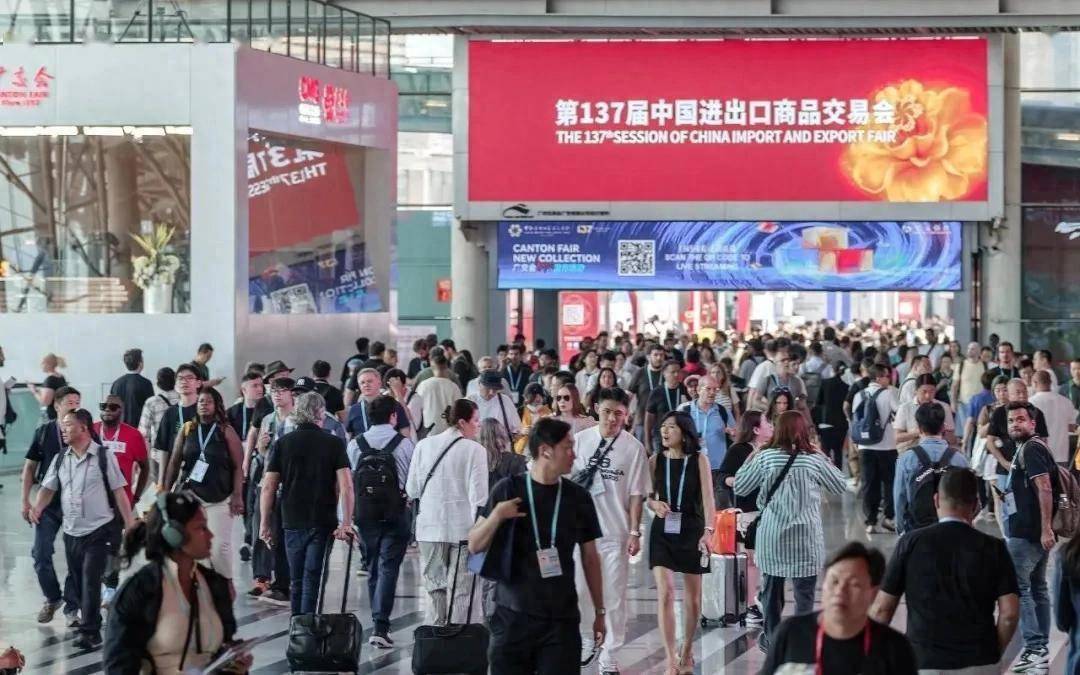
Core Viewpoint - The resilience of China's foreign trade is highlighted despite the challenges posed by U.S. tariffs, showcasing a robust industrial system and innovative capabilities that allow for high-quality development and market diversification [1][3][33] Group 1: Impact of Tariffs - U.S. tariffs have led to increased domestic prices, burdening American consumers, as acknowledged by former President Trump [3][5] - American retailers, including major brands like Nike, are seeking tariff exemptions, indicating the negative impact of tariffs on U.S. businesses [5][7] - Research from prestigious institutions shows that the self-harming effects of the tariff war on the U.S. economy far exceed its impact on China [5][7] Group 2: China's Industrial Strength - China's unique industrial system, characterized by a complete and diverse manufacturing base, has allowed it to withstand tariff pressures [9][11] - The country has maintained its position as the world's largest manufacturing nation for 15 consecutive years, with a comprehensive range of industries [9][12] - The seamless integration of supply chains, as demonstrated at trade fairs like the Canton Fair, is a significant advantage for Chinese exports [9][20] Group 3: Innovation and Green Transition - Innovation is a key driver of China's foreign trade, with the country ranking 11th in the global innovation index and investing heavily in R&D [12][16] - The shift towards green and low-carbon products is evident, with a significant number of eco-friendly products showcased at international trade events [14][16] - Chinese products are increasingly recognized for their technological advancements, making tariffs less impactful [14][16] Group 4: Global Market Engagement - The 137th Canton Fair attracted over 280,000 foreign buyers from 219 countries, reflecting international confidence in Chinese trade despite U.S. tariffs [18][20] - The fair generated a transaction volume of $25.44 billion, with over 60% of deals coming from Belt and Road Initiative countries, highlighting the importance of global partnerships [18][20] - The enthusiasm of international buyers contrasts sharply with the hesitance of some U.S. purchasers, indicating a shift in market dynamics [20][22] Group 5: Brand Development and Entrepreneurial Spirit - The transformation from "Made in China" to "Created in China" signifies a shift in mindset among Chinese exporters towards brand ownership and market control [24][30] - Entrepreneurs are adapting to challenges by seeking new markets and opportunities, demonstrating resilience and innovation in the face of adversity [26][28] - The diversification strategy adopted by many companies is proving effective, with some expecting overall growth despite declines in U.S. exports [28][30] Group 6: Conclusion - The resilience of China's foreign trade is a result of its industrial strength, innovative capacity, market diversification strategies, and entrepreneurial spirit [33] - The ongoing challenges from unilateralism and protectionism highlight the need for open cooperation and global partnerships [33]