医疗旅游

Search documents
「中国旅游三件套」,在外网杀疯了
3 6 Ke· 2026-01-28 01:17
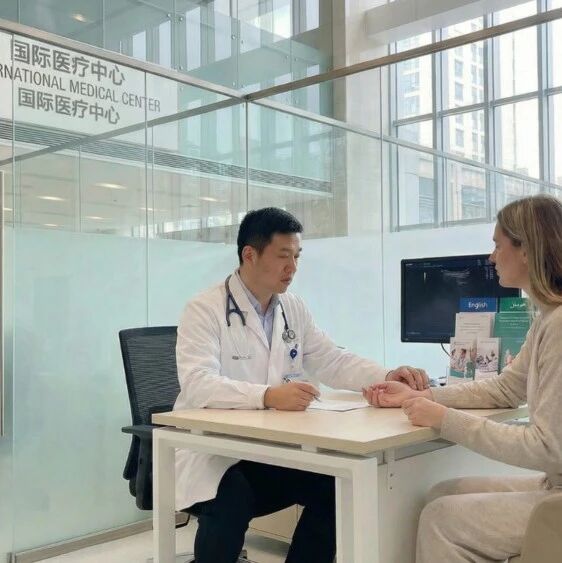
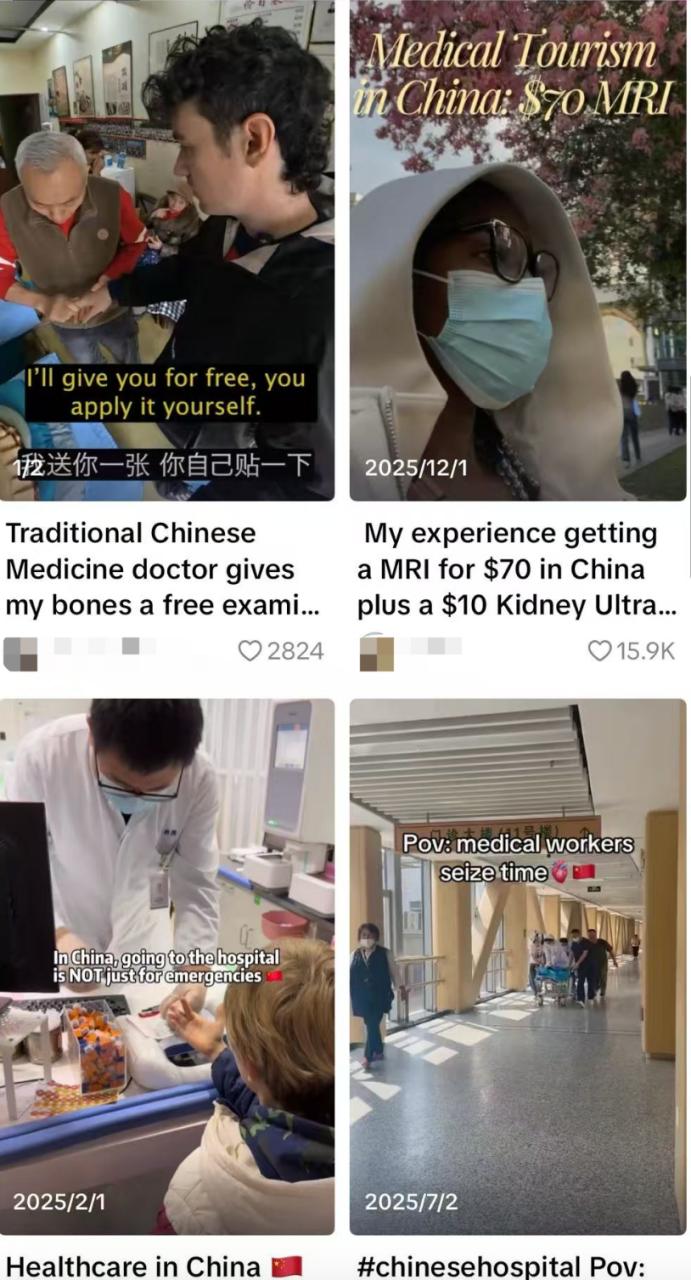
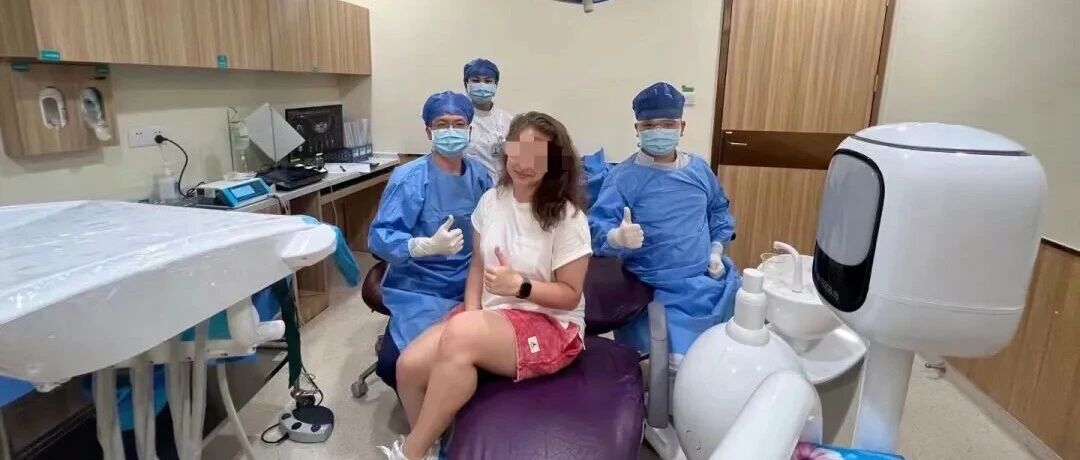
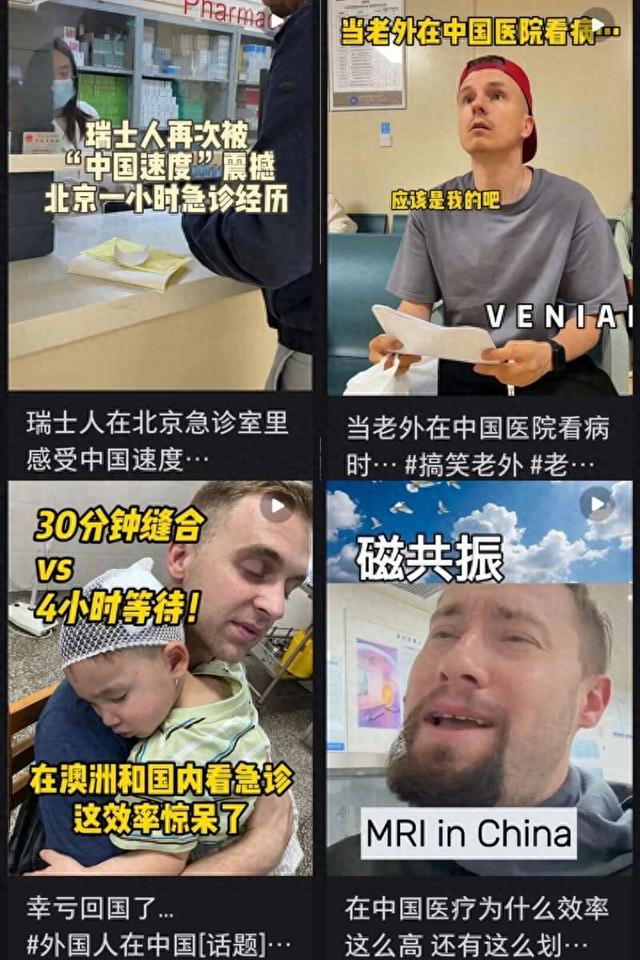
来中国旅行,过去一年的外网流量密码。 外网的「中国旅游三件套」,甚至经历过两次迭代。 最开始,外网博主们来中国的必打卡项目还是:线上支付、高铁速度、酒店机器人。 这半年,老外的中国旅游新三件套变成了:牙医、眼科、中医理疗。 TikTok的"Medical Tourism(医疗旅游)"的标签下,大批外国人摩拳擦掌准备到中国看病。 而他们的必打卡目的地,也新增了一个三甲医院。 2024年,深圳为境外人士提供诊疗服务77万人次,其中包括港澳人士64万人次,其余的则来自美国、加拿大、日本等国家。 上海13家指定医院接诊外籍患者近27万,同比增长15%。 据国家卫生健康委员会2025年度涉外医疗服务报告显示:国内重点涉外医院全年接诊国际患者达128万人次,较三年前增长73.6%。 来中国边旅游边看病,正在成为一种风靡外网的新潮流。 01 新一批来中国旅游的外国人 涌入三甲医院? 老外来中国看病的主要原因,是便宜。 TikTok爆火的来华就医分享视频评论区,讨论的核心永远都是: "去中国看病,要花多少钱?" 外网流传的来华就医视频里,中国的医疗费用都被换算成了美元。 这让中外医疗费用的对比,显得格外鲜明。 在中国收75. ...

傅晟:向实现世界一流医疗旅游目的地目标稳步迈进
Xin Lang Cai Jing· 2026-01-27 16:54
Core Insights - The article highlights the significance of the Boao Lecheng International Medical Tourism Pilot Zone as China's only "medical special zone," serving as a key window for high-level openness and quality development of Hainan Free Trade Port [1] Group 1: Medical Tourism Growth - In the past year, medical tourism in Lecheng surpassed 860,000 visits, marking a year-on-year increase of 109% [1] - Medical revenue exceeded 8.39 billion yuan, reflecting a year-on-year growth of 51.5% [1] - Over 9,300 international patients from 14 countries and regions visited Lecheng, with a sixfold increase in numbers post-border reopening, indicating a trend of seeking medical treatment in China [1] Group 2: Innovation in Medical Technology - Lecheng introduced over 100 types of global innovative drugs, medical devices, special medical foods, and health products last year [1] - Notable advancements include the introduction of China's first boron neutron capture therapy system, which targets tumor cells precisely without harming healthy tissue, offering new hope for cancer patients [1] Group 3: Future Aspirations - By 2025, Lecheng aims to become a world-class medical tourism destination and a platform for medical technology innovation, facilitating domestic patients to receive care without going abroad and attracting international visitors for health services [1]
老外:“走,去中国看病划算”
经济观察报· 2026-01-26 14:07
来中国看病的外国人远没有到"扎堆"的地步。经济观察报记者 走访了多家头部医院的国际部,几乎没有看到外国人。有学者 指出,国际医疗旅游还在萌芽期。 作者: 刘晓诺 等 封图:受访者供图 1月17日,英国人Sabrina在上海做过视力检查后,来到西安参观了她30年前就想看的兵马俑,终 得一窥2200年前的中国。 得益于签证政策放宽,Sabrina在1月初首次来华旅游,第一站是复旦大学附属耳鼻喉医院。 Sabrina想做近视手术,在英国看过两次门诊都不满意,想听中国医生的建议。 中国医院让她印象最深的是诊疗效率。 "在英国,如果我们没有预约就去医院,可能要等好几个小时甚至好几个月,才能见到医生,这取 决于我们离失明有多接近。每次预约都在不同的日期,我们每次都要回答大约30个问题,大部分 是重复的,还要一遍遍做同样的血液、尿液、血压检查。"她说。 Sabrina到复旦大学附属耳鼻喉医院时,是上午11点,还有余号,医护人员很快帮她挂了号、做检 查,当天17点她就可以离开医院了。医生建议她先不做手术,并把检查资料都给了她,以便她日 后咨询英国医生。 此后,Sabrina继续旅行。除了西安,她还去了丽江和香格里拉,实现了她 ...
新消费派丨936万人次外国游客入境上海,如何“愿意来、留得住、还想来”?
Xin Hua Cai Jing· 2026-01-22 14:36
Core Insights - Shanghai's inbound tourism market is expected to experience a significant growth milestone in 2025, with an estimated 9.36 million inbound tourists, representing a 40% year-on-year increase [1] Group 1: Growth Drivers - The implementation of visa-free policies is a key driver for the growth of inbound tourism in Shanghai, with 3.286 million foreign travelers entering through visa exemptions, accounting for 58% of total inbound travelers [2] - The overall inbound and outbound passenger flow at Shanghai ports reached 42.846 million, a 17.9% increase year-on-year, with foreign tourists accounting for 5.661 million, reflecting a 39.7% growth [2] - Online travel platform data shows that overseas users' flight bookings to Shanghai have increased by nearly six times, solidifying Shanghai's position as the top inbound tourism destination [2] Group 2: Visitor Demographics - The number of South Korean tourists reached 909,100, a staggering increase of 103.62% year-on-year, while Russian tourists totaled 385,100, up 59.23% [3] - Tourists from Thailand, Indonesia, and Italy also saw significant growth rates of 70.16%, 62.13%, and 52.43% respectively, indicating a diverse visitor demographic [3] - Traditional source countries like Singapore, Malaysia, and Australia maintained steady growth, with visitor increases exceeding 30% [3] Group 3: Experience and Cultural Integration - Foreign tourists are increasingly seeking immersive local experiences, moving beyond traditional tourist spots to engage with Shanghai's unique culture and lifestyle [4][5] - The integration of high-end brands and cultural experiences is creating new consumption patterns, enhancing the appeal of Shanghai as a global tourism hub [4] - Medical tourism is emerging as a popular segment, with foreign visitors attracted by China's efficient healthcare system and cost-effectiveness [5][6] Group 4: Market Challenges and Recommendations - Despite rapid growth, Shanghai's inbound tourism faces challenges such as digital barriers, cultural differences, and talent shortages [7] - Recommendations include optimizing payment and transportation services for foreign visitors, enhancing tourism products with cultural elements, and improving the training and evaluation of tour guides [8] - These measures aim to create a positive cycle of inbound tourism, encouraging visitors to return and recommend Shanghai as a destination [8]
海南产经新观察:博鳌乐城现代化医疗新城“加速跑”
Zhong Guo Xin Wen Wang· 2026-01-22 01:11
2026年是"十五五"规划开局之年,也是海南自贸港全面实施封关运作开局之年。乐城将有哪些新动向? 中新网海南琼海1月21日电(记者 符宇群)海南博鳌乐城国际医疗旅游先行区(下称"乐城")是中国唯一 的"医疗特区"。琼海市市长陈明21日介绍,"十四五"时期,乐城高水平医疗机构增至39家,真实世界数 据及其医保创新应用在全国率先试点,累计引进552种国际创新药械和特医保健食品,园区累计营收突 破230亿元。 海南省琼海市第十六届人民代表大会第七次会议21日开幕,陈明在作政府工作报告时说,过去五年,默 沙东、诺华等多家全球头部药械企业落子乐城,园区接待医疗旅游突破200万人次,其中海外医疗消费 回流超90万人次。 2025年,琼海与乐城加快一体化融合发展,助力乐城"加速跑"。共同出台乐城国际医疗旅游试行管理办 法,实施"打造示范窗口23条举措"。海南省药械审评服务中心乐城分中心揭牌,特许药械、特医保健食 品新增超百种,20个生物医学新技术项目获批转化应用,"国际创新药械'三医协同'可信数据空间"入选 全国试点。全省首家外商独资医院落地。国际商业医疗保险破题,乐城特药险覆盖人群突破1.13亿人 次。 在医旅发展方面, ...
琼启新程海涌潮头
Xin Lang Cai Jing· 2026-01-21 17:29
Group 1 - The Hainan Free Trade Port has officially started operations, with Qionghai City launching a series of key projects to inject strong momentum into the first year post-closure [2][9] - A total of 72 projects have been signed, started, and put into production, with a total investment exceeding 30 billion yuan, covering various sectors including public services, ecological protection, infrastructure, and industrial development [8][9] - The Wenpo Community Agricultural Market project is nearing completion, with 90% of construction finished, expected to be operational before the Spring Festival, providing a comprehensive service hub for local residents [2] Group 2 - The Boao Lecheng International Medical Tourism Pilot Zone is gaining popularity among foreign patients, who appreciate the speed and cost-effectiveness of medical services available there [4][5] - Lecheng has introduced 553 licensed products, including 187 drugs and 353 medical devices, facilitating access to international medical resources for over 200,000 patients [7] - The recent approval of the Elecsys® pTau181 blood test for Alzheimer's disease marks a significant advancement in early diagnosis capabilities within the region [6] Group 3 - The construction of the Wenchang New Bridge, a key rural road project, is expected to alleviate traffic congestion and improve accessibility during flood seasons for 24,000 residents [3] - The recent capital connection meeting aims to support high-quality development for potential listed companies in the biopharmaceutical sector, leveraging the opportunities presented by the Hainan Free Trade Port [5][6] - The focus on diverse projects, including health industry parks and smart transportation centers, reflects a strategic approach to enhance the industrial structure and urban functionality in Qionghai [8][9]

在韩国,整形为何令人难以抗拒?
Di Yi Cai Jing· 2026-01-21 02:58
Core Insights - South Korea has transformed into a prosperous nation with a redefined standard of beauty, leading to a booming cosmetic surgery industry driven by consumerism and societal pressures [1][10]. Group 1: Industry Overview - The Gangnam district in Seoul is a hub for cosmetic surgery, housing approximately 400 out of 538 plastic surgery clinics in South Korea as of 2020 [2]. - The number of medical tourists visiting South Korea for cosmetic procedures has increased significantly, from about 60,000 in 2009 to nearly 500,000 by 2019, marking an eightfold growth over a decade [4]. - The Korean cosmetic surgery market is characterized by competitive pricing, with procedures like Botox costing as low as $30, significantly cheaper than in the U.S. [6][11]. Group 2: Cultural Impact - The Korean entertainment industry serves as a major advertisement for cosmetic surgery, with fans traveling to South Korea to undergo procedures to resemble their favorite stars [5]. - A significant portion of the population supports cosmetic surgery, with surveys indicating that 70% of South Koreans do not view it as taboo, and one-third of women aged 19 to 39 have undergone procedures [7][8]. Group 3: Trends in Cosmetic Procedures - The most common procedures include non-surgical options like Botox and fillers, followed by double eyelid surgery and nose jobs, reflecting a shift towards a more holistic approach to facial aesthetics [10]. - The popularity of jawline surgery, or V-line surgery, has surged, with a focus on creating a delicate jawline as a standard of beauty, influenced by media and celebrity endorsements [11]. Group 4: Psychological Aspects - While cosmetic surgery can enhance external appearance, its impact on overall psychological well-being is minimal, with potential for addiction to the pursuit of perfection leading to mental health issues [12].

免签来华,当天拍片当天拿报告!外国人为啥抢着来中国看病?
Xin Lang Cai Jing· 2026-01-20 15:49
中国青年报客户端讯(中青报·中青网记者 王梓)谁能想到?2026年中国入境游最火的打开方式,居然 是"看病+旅游"。 社交媒体 截图 2026年开年,中国入境游迎来强劲开局。数据显示,多地旅游目的地客流均呈现显著增长,元旦假期外 国人出入境82.8万人次,同比暴涨29.8%;其中,免签入境的有29.2万人次,增幅高达35.8%。美国旅游 行业媒体"旅行与旅游世界"网站近日报道称,在免签政策红利加持与国际连通性不断提升的双重推动 下,中国的旅游格局正经历深刻转型,中国作为全球旅游目的地的吸引力日益增强。 以前老外来华,是"冲故宫、逛外滩、炫美食",现在不一样了,许多人拖着行李箱直奔医院——在北京 的三甲、广东的中医院、上海国际医学中心,持护照候诊的外国人并不鲜见。"边治病边旅游"的中国医 疗旅游,已经火出圈。 中国一些医院针对外国人推出的套餐,直接把老外看懵了。这性价比,放在全球都难找对手。难怪外国 网友又在小红书上"对账":这体验太"Crazy"! 在许多发达国家,患者经常被高昂的费用和漫长的等待时间所困扰。一个核磁共振检查排队一个月,一 个择期手术等待半年,并不罕见。而在中国,特别是顶尖的公立医院里,"中国 ...
全球每年超2000万人出国看病
第一财经· 2026-01-20 14:48
Core Viewpoint - The international medical tourism market is rapidly growing, with China emerging as a new destination due to its rich medical resources and clinical experience, despite facing competition from other Asian countries [3][5][6]. Global Medical Tourism Landscape - The global medical tourism market is expected to grow from $102.6 billion in 2019 to $272.7 billion by 2027, with a compound annual growth rate (CAGR) of 15% to 25% [4]. - The market is characterized by two main groups: middle-income individuals seeking cost-effective care and high-net-worth individuals seeking top-tier medical services [3][4]. China's Position in Medical Tourism - China has traditionally been a source country for medical tourists but is now seeing a rise in inbound medical tourism due to advancements in specialized medical fields and increased openness [5][6]. - The competition primarily comes from other Asian countries, which have established cross-border medical frameworks and attract patients through cost advantages and comprehensive service offerings [6][7]. Supply-Side Capabilities - Chinese hospitals, particularly public ones, require policy support and significant investment to develop international medical services [7]. - The establishment of the Boao Lecheng International Medical Tourism Pilot Zone in Hainan has been a significant step in promoting medical tourism in China [8]. Growth in Patient Numbers - In 2024, Hainan is expected to receive 41.37 million medical tourists, a 36.8% increase year-on-year [8]. - Major cities like Beijing and Shanghai are also seeing growth in international medical services, with Shanghai reporting 30.55 million international medical service visits in the first half of 2024 [8]. Cost-Effectiveness and Accessibility - China offers significant cost advantages for high-end medical treatments compared to the US and UK, with treatments costing significantly less [9][10]. - The availability of experienced medical professionals and advanced treatment options enhances China's attractiveness as a medical tourism destination [10]. Target Market Segmentation - China should focus on two main groups for medical tourism: high-net-worth individuals from developing countries with lower medical standards and overseas Chinese who are price-sensitive [11][12]. Challenges to Overcome - Key challenges include the need for improved medical visa processes, accessibility of innovative drugs and medical devices, and enhancing the soft skills of healthcare providers [14][15][16]. - There is a lack of international brand recognition for Chinese hospitals, which hampers their ability to attract foreign patients compared to countries like Malaysia and Thailand [17][18].

2026年第一个火的搞钱赛道:带老外来中国看病
虎嗅APP· 2026-01-16 13:34
Core Viewpoint - The article discusses the increasing trend of foreign patients traveling to China for medical treatment, driven by the efficiency and affordability of the Chinese healthcare system, as well as the recent relaxation of visa policies for foreign visitors [7][10][30]. Group 1: Medical Tourism Growth - Major cities in China are witnessing a surge in foreign patients seeking medical care, with hospitals in Beijing, Shanghai, and Guangzhou reporting an influx of international visitors [4][6]. - The relaxation of visa policies has significantly contributed to this trend, with China implementing unilateral visa exemptions for 75 countries and expanding transit visa exemptions to 55 countries by July 2025 [9][10]. - Official data indicates that the number of foreign visitors entering China surpassed 40 million, marking a 27.2% year-on-year increase [10]. Group 2: Patient Experiences and Perceptions - Foreign patients have shared positive experiences regarding the efficiency of the Chinese medical system, often highlighting quick diagnosis and treatment compared to their home countries [8][9]. - For instance, a British patient reported receiving comprehensive medical care within four days in China, contrasting sharply with the lengthy wait times in the UK [8]. - The cost of treatment in China is significantly lower than in Western countries, with examples showing treatments costing $1,500 annually in China compared to $25,000 quarterly in the US for similar conditions [9]. Group 3: Emerging Business Opportunities - The rise in foreign patients has led to new business opportunities in the medical tourism sector, with individuals offering services such as translation and patient accompaniment [11][12]. - Entrepreneurs are beginning to establish businesses that connect foreign patients with Chinese healthcare providers, indicating a growing market for medical tourism [18][19]. - The article notes that while the current market is still in its early stages, there is optimism about its potential for growth, especially as awareness of China's healthcare capabilities increases [27][29]. Group 4: Economic Implications - The Chinese government is actively promoting international medical tourism as a strategy to reduce the travel service trade deficit, which reached over 1.5 trillion yuan in 2024 [30][31]. - The article suggests that attracting foreign patients for medical services can help balance the financial outflow caused by Chinese citizens traveling abroad for healthcare [30][34]. - Data shows that foreign spending in China on travel services has increased by 51.3% in 2025, indicating a positive trend for the country's economy [40].