
国家紧急状态

Search documents
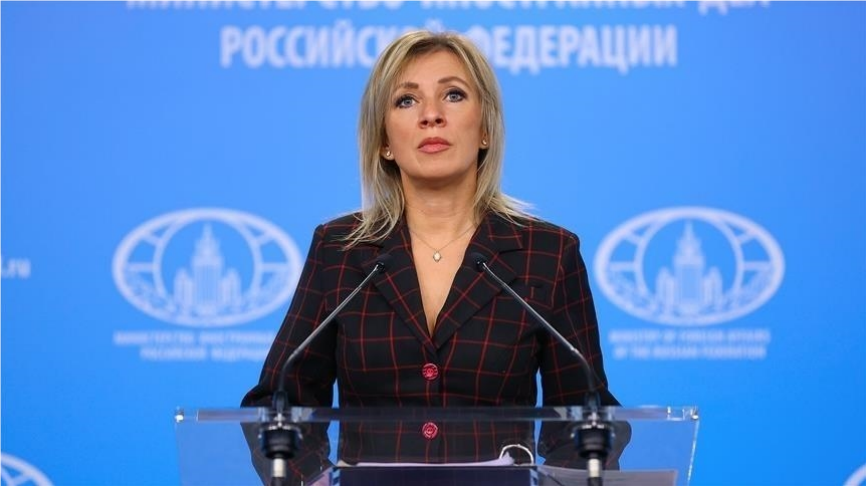
扎哈罗娃:俄罗斯强烈谴责美国针对古巴采取的非法限制措施
Huan Qiu Wang· 2026-01-31 09:39
Group 1 - The core viewpoint of the article is that Russia strongly condemns the United States' hostile actions against Cuba, viewing the declaration of a national emergency as an escalation of pressure tactics [1][3] - Russia's stance is that unilateral sanctions against sovereign independent nations violate international law and the UN Charter, and they denounce the illegal restrictions imposed on Cuba [3] - The U.S. President signed an executive order threatening to impose tariffs on goods from countries supplying oil to Cuba, which has led to Cuba declaring an "international emergency" [3] Group 2 - The relationship between Cuba and the U.S. is currently highly tense, with recent military actions against Venezuela indicating a potential focus on Cuba as the next target [3]

关税突发!特朗普宣布国家紧急状态
Jing Ji Ri Bao· 2026-01-30 03:25
Group 1 - The U.S. President Trump signed an executive order declaring a national emergency, threatening to impose tariffs on goods from countries supplying oil to Cuba [1] - Trump announced plans to reopen Venezuelan airspace after discussions with Venezuelan interim president Delcy Rodriguez, allowing U.S. citizens to travel to Venezuela safely [1] - Major U.S. oil companies are expected to conduct on-site inspections in Venezuela following the announcement [1] Group 2 - Venezuela confirmed the resumption of commercial flights between Venezuela and the U.S., resulting from the conversation between Rodriguez and Trump [2] - The commercial airspace between the two countries will be "immediately reopened" [2] Group 3 - Trump threatened to impose a 50% tariff on Canadian aircraft due to the country's refusal to certify certain U.S. business jets, which he deemed unfair treatment of U.S. companies [3][4] - The U.S. will suspend the certification of Bombardier's Global series and all Canadian-made aircraft until the Gulfstream jets receive full certification [3]
【环球财经】美国威胁对向古巴提供石油的国家加征关税
Xin Hua Cai Jing· 2026-01-30 01:10
Group 1 - The core point of the news is that President Trump has declared a national emergency regarding Cuba, threatening to impose tariffs on goods from countries that provide oil to Cuba, citing national security concerns [1] - The executive order will take effect on January 30, with the U.S. Departments of Commerce, State, and Treasury responsible for identifying countries supplying oil to Cuba and recommending tariff measures [1] - Trump has indicated that Cuba may be the next target for U.S. action following military strikes on Venezuela, and has pressured Cuba to reach an agreement to avoid a situation of "zero oil, zero funds" [1] Group 2 - Cuba has condemned the U.S. attempts to overthrow its government as a "barbaric attack" and has conducted national defense exercises in response [2] - Cuban citizens in Havana held traditional torch parades to denounce U.S. imperialism and aggression, emphasizing their anti-imperialist stance [2]
特朗普宣布国家紧急状态
第一财经· 2026-01-29 23:59
Core Viewpoint - The article discusses the declaration of a national emergency by U.S. President Trump, which threatens to impose tariffs on countries providing oil to Cuba [1] Group 1 - The U.S. government is taking a strong stance against countries that supply oil to Cuba, indicating potential trade tensions [1] - The executive order signed by President Trump is a significant move that could impact international relations and trade dynamics in the region [1]
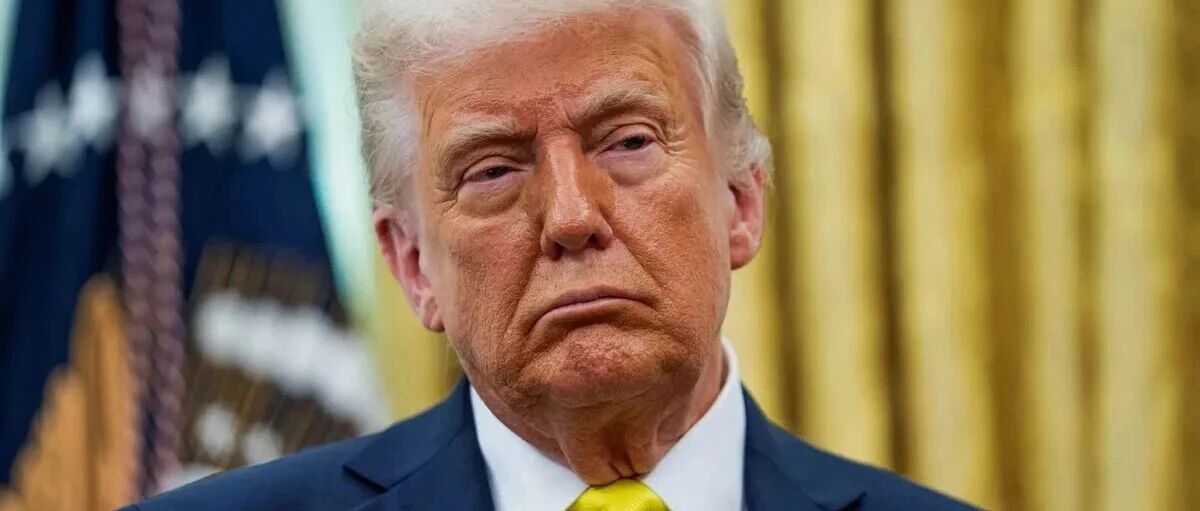
美国威胁对向古巴提供石油的国家征收关税
Xin Lang Cai Jing· 2026-01-29 23:15
Core Viewpoint - The article discusses President Trump's signing of an executive order declaring a national emergency and establishing a procedure to impose tariffs on goods from countries that sell or provide oil to Cuba [1] Group 1 - The executive order aims to impose tariffs on goods from countries that engage in oil trade with Cuba [1] - The White House statement indicates that the order is a response to threats against U.S. national security and foreign policy objectives [1] - There is a possibility for modification of the executive order if Cuba or affected countries take significant actions to address the threats or align with U.S. objectives [1]
关税突发!美国刚刚宣布
中国基金报· 2026-01-15 00:07
Group 1 - The U.S. White House announced a 25% import tariff on certain semiconductors, semiconductor manufacturing equipment, and derivatives starting from January 15 [1] - The U.S. Supreme Court did not make a ruling on the legality of the tariffs imposed by the Trump administration, leaving the case unresolved [2] - The Trump administration's tariffs were implemented under the International Emergency Economic Powers Act without Congressional approval, leading to legal challenges [2]
出大事了,特朗普宣布国家紧急状态,政府遭起诉,面临数千亿赔偿
Sou Hu Cai Jing· 2026-01-14 05:37
Core Viewpoint - The Trump administration is facing a complex array of domestic and international challenges, including legal battles over tariff policies, conflicts with state governments, and military actions in Venezuela, which have drawn widespread condemnation from the global community [1][3][19]. Domestic Issues - The Trump administration's tariff policy, enacted through an executive order bypassing Congress, has led to numerous legal challenges questioning its legality [5][19]. - A warning issued by Trump regarding potential financial repercussions from unfavorable Supreme Court rulings has intensified tensions between the executive and judicial branches [7][19]. - The administration's handling of immigration enforcement has sparked public outrage, leading to lawsuits from Democratic-led states like Minnesota and Illinois against the federal government [9][19]. Judicial and Federal Relations - The relationship between the Trump administration and the Federal Reserve has become strained, particularly following a subpoena issued to Fed Chairman Jerome Powell, which was perceived as political pressure [11][19]. - The ongoing power struggle between the executive branch and the judiciary, along with the involvement of bipartisan senators, complicates the situation further [19]. International Actions - The Trump administration's military intervention in Venezuela, aimed at seizing control of its oil resources, has faced significant international backlash, being labeled as an illegal invasion [13][15]. - Despite the lack of support from major oil companies for investment in Venezuela, Trump has insisted that U.S. oil firms should engage directly with the government rather than the Venezuelan authorities [17][19]. Broader Implications - The administration's approach, characterized by a preference for unilateral action over legal frameworks, raises concerns about the potential erosion of constitutional checks and balances in the U.S. [20][22]. - The ongoing domestic and international crises could lead to a significant shift in the global order and legal systems if the current trajectory continues [20][22].
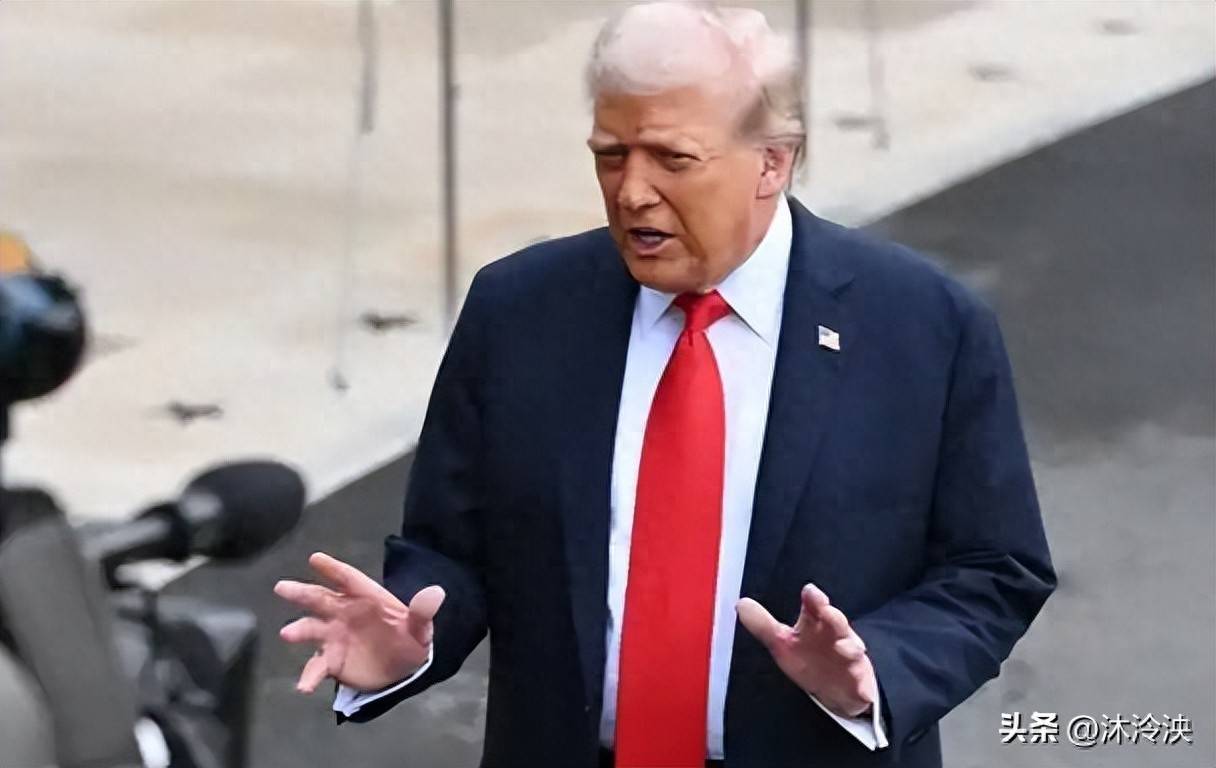
为了石油收入,特朗普再度滥用“国家紧急状态”
Xin Hua Cai Jing· 2026-01-12 00:11
Core Viewpoint - The U.S. government, under President Trump, has declared a national emergency to protect Venezuelan oil revenues stored in U.S. Treasury accounts from being seized or subjected to legal proceedings, aiming to support U.S. foreign policy objectives in Venezuela [1][5] Group 1: National Emergency Declaration - President Trump signed an executive order to prevent the seizure of Venezuelan oil revenues, which he claims is crucial for stabilizing Venezuela's economy and politics [1] - The executive order ensures that the funds will be used within Venezuela to promote peace, prosperity, and stability [1] - The order states that the threats of seizure or legal proceedings primarily originate from outside the U.S., and that Venezuelan oil revenues held by the U.S. government are protected from private creditor claims [1] Group 2: Oil Investment and Corporate Response - Trump met with executives from about 20 oil companies, urging them to invest $100 billion in Venezuela to significantly increase oil production, but received little commitment from them [1] - Most oil companies did not publicly promise to invest quickly, and Trump expressed a desire for U.S. oil companies to deal directly with the U.S. government rather than negotiating with Venezuelan officials [1] Group 3: Historical Debt and Corporate Claims - Several companies, including ExxonMobil and ConocoPhillips, have longstanding claims against Venezuela, with ConocoPhillips stating it is owed $12 billion [4] - Trump indicated a willingness to forgive these debts, suggesting a fresh start without holding past losses against the companies [5] Group 4: Use of Emergency Powers - Trump has frequently declared national emergencies for various purposes, including military actions and economic policies, far exceeding the frequency of previous presidents [6] - Experts criticize the misuse of emergency powers to advance economic and foreign policy goals, arguing that many situations do not constitute true emergencies [6] Group 5: Trump's Global Authority Perspective - Trump has articulated a view that his moral standards and will are the only constraints on his exercise of power globally, dismissing the need to adhere to international law [7] - He believes that national strength should dictate actions in international conflicts rather than legal frameworks [7]
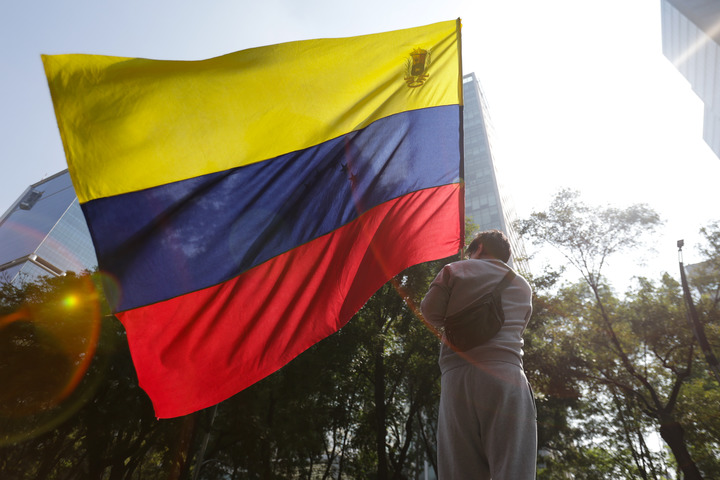
强调国家局势平稳,呼吁民众保持团结,委内瑞拉代总统:一定救回马杜罗
Huan Qiu Shi Bao· 2026-01-11 22:55
Group 1 - The U.S. State Department issued a security alert for Venezuela, urging American citizens to leave the country due to safety concerns and the inability of the U.S. government to provide emergency assistance [1] - Armed militia groups in Venezuela are reportedly setting up roadblocks to search for evidence of American citizens or supporters [1] - Venezuela's government responded by stating that the U.S. claims of insecurity are unfounded and aimed at creating a false perception of risk, asserting that the country is in a state of "complete peace and stability" [3] Group 2 - Venezuelan Vice President Rodriguez emphasized the importance of national unity to facilitate the return of President Maduro and his wife, who are under U.S. control, while also exploring a strategy to ease relations with the U.S. to avoid further isolation [3] - Maduro's son confirmed that both he and his wife are in good condition and called on supporters to remain strong, highlighting the ongoing protests by Maduro's supporters in the capital [4] - President Trump signed an executive order declaring a national emergency to protect Venezuelan oil revenues stored in U.S. Treasury accounts from being seized or entangled in legal proceedings [4][5] Group 3 - The executive order aims to ensure that Venezuelan oil remains under U.S. control, with warnings from oil executives that the ongoing instability in Venezuela may deter private investment and reconstruction efforts [5] - The Trump administration's priority is to encourage U.S. oil companies to invest in Venezuela and assist in rebuilding the country's infrastructure following years of political turmoil and sanctions [5]
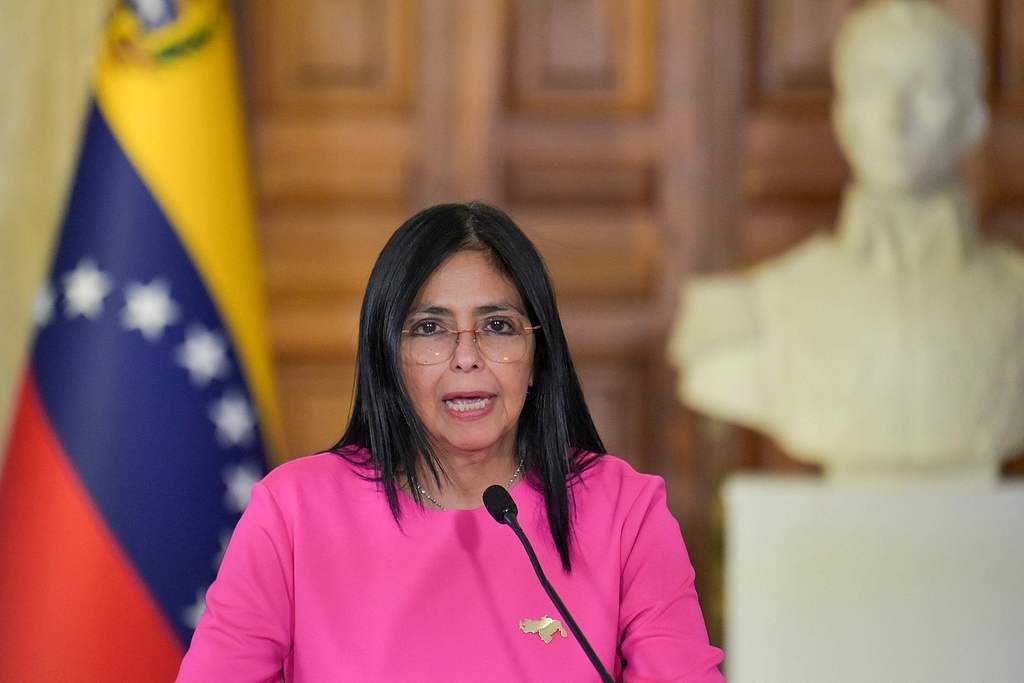
特朗普再次滥用国家紧急状态
Xin Lang Cai Jing· 2026-01-11 10:02
Core Viewpoint - President Trump has declared a national emergency to protect Venezuelan oil revenues stored in U.S. Treasury accounts from being seized or entangled in legal proceedings [1] Group 1: Government Actions - Trump signed an executive order on September 9 to enter a national emergency [1] - The emergency declaration aims to safeguard Venezuelan oil income from potential legal issues [1] Group 2: Oil Industry Response - Trump met with executives from about 20 oil companies, urging them to invest $100 billion in Venezuela to significantly increase oil production [1] - Most oil companies did not publicly commit to immediate investment, indicating a lack of enthusiasm for the proposal [1] - Trump expressed a desire for U.S. oil companies to engage directly with the government rather than negotiating with Venezuelan officials [1] Group 3: Historical Context - Since the beginning of his second term, Trump has declared multiple national emergencies for various purposes, including military actions at the southern border and tariffs on trade partners [1]