
基因技术

Search documents
北京:“小巨人”企业数量增长超1000家
Bei Jing Qing Nian Bao· 2025-11-27 02:04
Core Insights - Beijing's small and medium-sized enterprises (SMEs) have shown significant progress in high-quality development, with the number of "little giant" enterprises increasing by over 1,000 [1][2] Group 1: SME Development - As of September 2024, there are 2.212 million active SMEs in Beijing, an increase of 133,000 compared to the same period last year, representing a year-on-year growth of 6.4% [2] - The number of newly established enterprises from January to September 2024 reached 235,000, a year-on-year increase of 22.3%, averaging over 850 new SMEs per day [2] - The number of specialized and innovative SMEs has increased more than tenfold since the beginning of the 14th Five-Year Plan, with over 12,000 national-level specialized "little giant" enterprises [2][3] Group 2: Economic Indicators - The SME development index for September 2024 was 98.7, reflecting a 3.8-point increase from the same month last year, with significant improvements in funding and employment indices [2] - Scale above SMEs in Beijing totaled 44,000, achieving a total profit of 329.48 billion yuan, a year-on-year increase of 13.5% [2] Group 3: Innovation and R&D - Specialized and innovative enterprises have an average R&D investment exceeding 18 million yuan, with about 40% focusing on future industries such as AI and genetic technology [3] - In the preliminary evaluation for the 2025 National Science and Technology Awards, 26 specialized and innovative enterprises participated in 24 projects, accounting for approximately 10% of the total national projects [3] Group 4: Financing and Investment - As of September 2024, there are 476 listed companies in Beijing, with 180 specialized and innovative enterprises, making up 37.8% of the total listed companies [3] - The balance of inclusive small and micro loans from financial institutions in Beijing reached 1.1 trillion yuan, a year-on-year increase of 12.3%, with the average interest rate for new loans at 3.99%, down 21 basis points year-on-year [3]
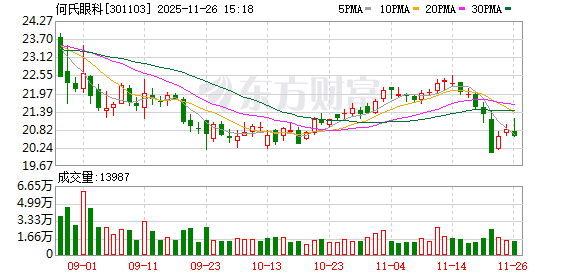
何氏眼科以AI+公益赋能推动创新成果普惠应用
Zheng Quan Ri Bao· 2025-11-26 07:17
Group 1 - The event "China-Europe Biopharmaceutical Industry Innovation Cooperation Matchmaking Conference - China-Italy Eye Health Innovation Cooperation Special Session" was held in Beijing, organized by NICTC and the Naples service office of Zhongguancun Enterprises in Italy, with participation from various eye care and technology institutions from China and Italy [2] - He Eye Hospital, a technology-driven listed company, aims to create a comprehensive ecosystem for eye health, focusing on global innovation and serving the Chinese public [2][3] - The collaboration with Italian partners will focus on key areas such as refractive cataract, myopia prevention in youth, and dry eye treatment, promoting the transformation of international innovative technologies into products and clinical applications [2][3] Group 2 - Adaptica's Professor Ksenija Ili introduced a new product developed in collaboration with He Eye Hospital, which will provide public eye health services to youth and underdeveloped regions through AI screening devices [3] - He Eye Hospital has been dedicated to eye health for 30 years, combining technological innovation with public service to create a new ecosystem for eye health, recognized for its sustainable and replicable "three-tier eye health service model" [3] - The successful hosting of the China-Italy Eye Health Innovation Cooperation Special Session marks an important step for He Eye Hospital in promoting international eye health cooperation and contributing to the "Healthy China" initiative [3]

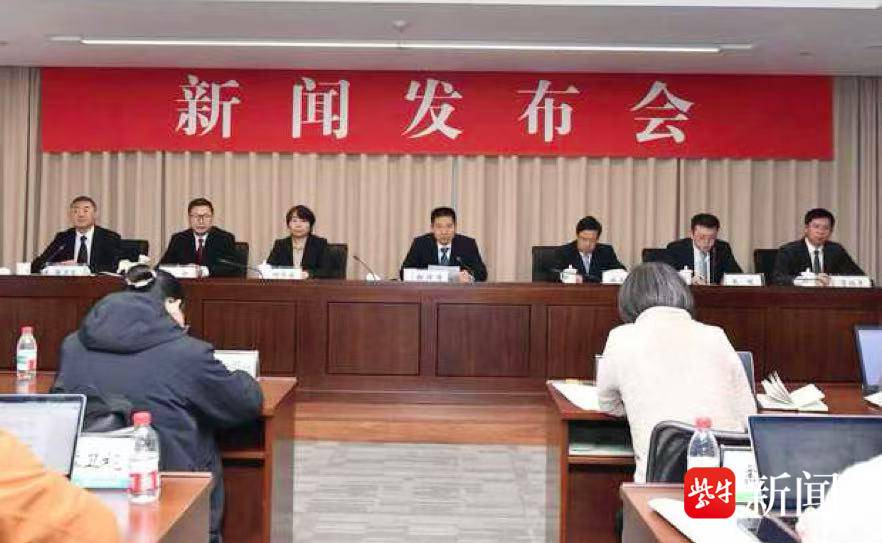
知识产权保护水平和全社会满意度全国居首!江苏全力推进知识产权保护高地建设
Yang Zi Wan Bao Wang· 2025-11-14 13:12
Core Viewpoint - Jiangsu Province has established itself as a leader in intellectual property (IP) protection, achieving the highest score in national assessments and creating a comprehensive "1+13+N" rapid collaborative protection system, which supports its economic development and innovation capabilities [1][3]. Group 1: Achievements in IP Protection - Jiangsu has been recognized as excellent in the central IP protection assessment for five consecutive years, with its score for 2024 ranking first in the nation [1]. - The province has developed a unique IP protection system that includes 13 regional units, with Nanjing and Suzhou listed among the top 15 in the World Intellectual Property Organization's "Global Top 100 Innovation Clusters" [1][3]. Group 2: Initiatives and Investments - Since 2021, Jiangsu has initiated the construction of IP protection highlands, nurturing 11 construction units, including national-level units in Nanjing, Suzhou, and Nantong [3]. - The provincial government has invested a total of 140 million yuan to support local cities and counties in building IP protection highlands and innovating protection mechanisms [3]. Group 3: Legal and Administrative Enhancements - The province has significantly increased its administrative capacity for IP protection, handling 17,000 patent infringement cases during the "14th Five-Year Plan" period, nearly three times the number from the previous five years [3]. - Jiangsu is actively enhancing its "1+13+N" rapid collaborative protection system, focusing on efficient services for innovation through quick authorization, confirmation, and rights protection [3]. Group 4: International and Sectoral Support - Jiangsu is improving its overseas IP protection service system, establishing a comprehensive service framework to support enterprises in international markets and export activities [4]. - The province is implementing the "Protect New" initiative to strengthen IP protection rules in emerging fields such as artificial intelligence and big data, while also enhancing the influence of regional brands through geographical indications [4].
科创板累计IPO募资规模达9346亿
2 1 Shi Ji Jing Ji Bao Dao· 2025-11-06 08:15
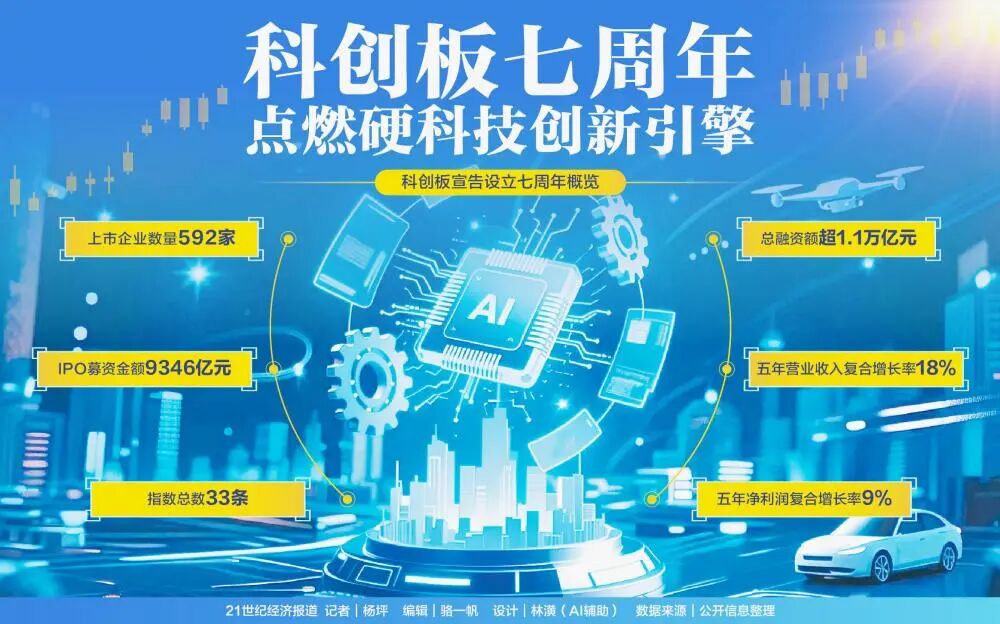
Core Insights - The establishment of the Sci-Tech Innovation Board (STAR Market) has significantly enhanced China's capital market's ability to support technological innovation, with 592 listed companies and total fundraising exceeding 1.1 trillion yuan by October 2025 [1][3] - The STAR Market has demonstrated strong growth, with a compound annual growth rate (CAGR) of 18% in revenue and 9% in net profit for listed companies over the past five years [3][4] - The board has successfully fostered a vibrant ecosystem for hard technology, with over 80% of companies in emerging industries such as new-generation information technology and biomedicine [4][5] Company Performance - As of 2025, 22 out of 57 unprofitable companies listed on the STAR Market have achieved profitability, indicating a positive trend in financial performance [3] - The integrated circuit sector has over 120 listed companies, with revenue and net profit growth of 27% and 83% respectively in the first three quarters of 2025 [4] - In the biopharmaceutical sector, 21 out of 22 companies have received approval for 48 drugs/vaccines, contributing significantly to the innovation landscape [4] R&D Investment - The total R&D investment by STAR Market companies reached 1,680 billion yuan in 2024, more than three times their net profit [5] - In the first three quarters of 2025, R&D investment amounted to 1,133.45 billion yuan, a year-on-year increase of 9.01% [5] - The average number of invention patents per company on the STAR Market is 230, with 30% of companies having products or projects that are industry-first [5][6] Ecosystem Development - The STAR Market has created a virtuous cycle of "technology-industry-capital," enhancing the efficient allocation of innovative resources [7] - Over 60% of the founding teams of STAR Market companies consist of scientists or industry experts, fostering a strong innovation culture [7] - The market has seen a significant increase in cash dividend proposals, with a total of 38.8 billion yuan in dividends planned for 2024 [8] Institutional Innovation - The STAR Market has pioneered various institutional innovations, including diverse listing standards and mechanisms for rapid financing, which serve as a model for other markets [9] - Recent reforms have expanded the scope of the STAR Market to include more cutting-edge fields, enhancing its inclusivity [9] - The growth of the STAR Market's "growth layer" has accelerated, with companies showing revenue growth of 35.09% and a median R&D intensity of 44.34% [9] Future Outlook - The Shanghai Stock Exchange aims to further leverage the STAR Market as a testing ground for identifying high-quality tech companies, particularly in emerging fields like artificial intelligence and aerospace [10]
科创板七周年:募资超万亿 点燃硬科技创新引擎
2 1 Shi Ji Jing Ji Bao Dao· 2025-11-05 10:37
Core Insights - The Science and Technology Innovation Board (STAR Market) has successfully gathered 592 listed companies by October 2025, with a cumulative IPO fundraising scale of 934.6 billion yuan and total financing exceeding 1.1 trillion yuan, becoming a key force in nurturing new productive forces and upgrading the modern industrial system [1][2] - Over the past five years, STAR Market companies have shown strong growth, with a compound annual growth rate of 18% in operating income and 9% in net profit attributable to shareholders, indicating robust growth potential [2][3] - The STAR Market has established a virtuous cycle ecosystem of "technology - industry - capital," effectively promoting the efficient allocation of innovative resources and attracting talent and investment [6][8] Group 1: Financial Performance - By October 2025, the STAR Market has raised a total of 934.6 billion yuan through IPOs, with total financing surpassing 1.1 trillion yuan [1] - The compound annual growth rates for operating income and net profit attributable to shareholders for STAR Market companies are 18% and 9%, respectively, since 2019 [2] - In the integrated circuit sector, 119 disclosed companies reported a revenue growth of 27% and a net profit growth of 83% year-on-year for the first three quarters of 2025 [3] Group 2: Industry Focus and Innovation - The STAR Market has maintained a focus on "hard technology," with over 80% of listed companies in emerging industries such as new-generation information technology, biomedicine, and high-end equipment manufacturing [3] - The STAR Market has seen significant advancements in key technologies, with companies like He Yuan Bio and Guo Dun Quantum achieving breakthroughs in innovative drugs and semiconductor technologies [4] - As of 2025, STAR Market companies have formed over 130,000 invention patents, with an average of 230 patents per company, showcasing a strong emphasis on innovation [4][5] Group 3: Ecosystem and Market Dynamics - The STAR Market has successfully attracted over 60% of its founding teams from scientific and engineering backgrounds, fostering a culture of innovation [6] - Approximately 90% of STAR Market companies received venture capital investment before going public, indicating strong investor confidence [6] - The STAR Market has developed a comprehensive index system with 33 indices, and the total scale of STAR Market-related index tracking products exceeds 330 billion yuan [6][7] Group 4: Regulatory and Institutional Innovations - The STAR Market has pioneered various institutional innovations, including multi-dimensional listing standards and a small-scale rapid financing mechanism, providing valuable lessons for other market segments [8] - Recent reforms, such as the "1+6" initiative, have further enhanced the inclusivity of the STAR Market, allowing for the expansion of standards to cover cutting-edge fields like artificial intelligence [8] - The Shanghai Stock Exchange aims to leverage the STAR Market's role as a "testing ground" to better identify high-quality technology enterprises and support their listing [9]
一边是机器人,一边是人类!辩论大赛上演
Bei Jing Ri Bao Ke Hu Duan· 2025-11-02 10:56
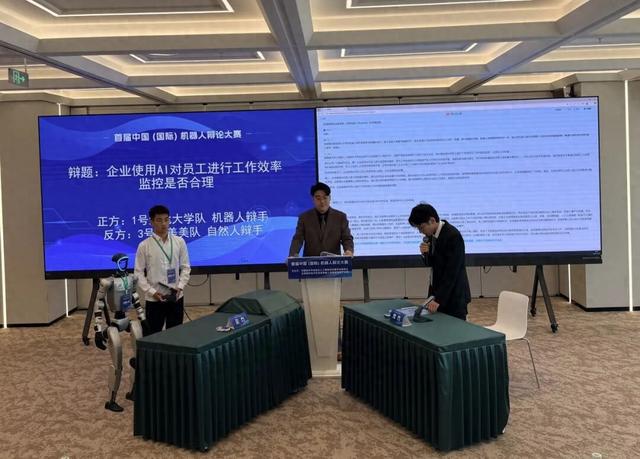
Core Viewpoint - The first China (International) Robot Debate Competition is showcasing the capabilities of robots in argumentation, highlighting advancements in AI and its implications for various sectors, including business and law [1][9]. Group 1: Competition Overview - The competition features 10 teams from universities and companies, engaging in debates on topics such as the appropriateness of AI monitoring employee efficiency [1]. - The event is taking place in Beijing's Yizhuang area, emphasizing the integration of AI in human activities [1]. Group 2: Robot Performance - The robot "Sirius" from Hubei University demonstrated improved debate skills, with enhanced response speed and accuracy in summarizing arguments [3]. - Robots are noted for their ability to remain unaffected by emotional pressure, maintaining composure throughout the debate [5]. Group 3: Technical Challenges - Issues such as speech recognition inaccuracies due to environmental factors were observed, indicating areas for future improvement in AI training datasets [3]. - Robots displayed strong logical reasoning and response capabilities, although they occasionally faced challenges in maintaining coherent speech during debates [7]. Group 4: Future Implications - The competition serves as a scientific experiment to test AI technology and its integration into humanities and social sciences [9]. - Future events will focus on practical applications of robots in sectors like hotel services and healthcare, aiming to accelerate the development of the robotics industry [10].

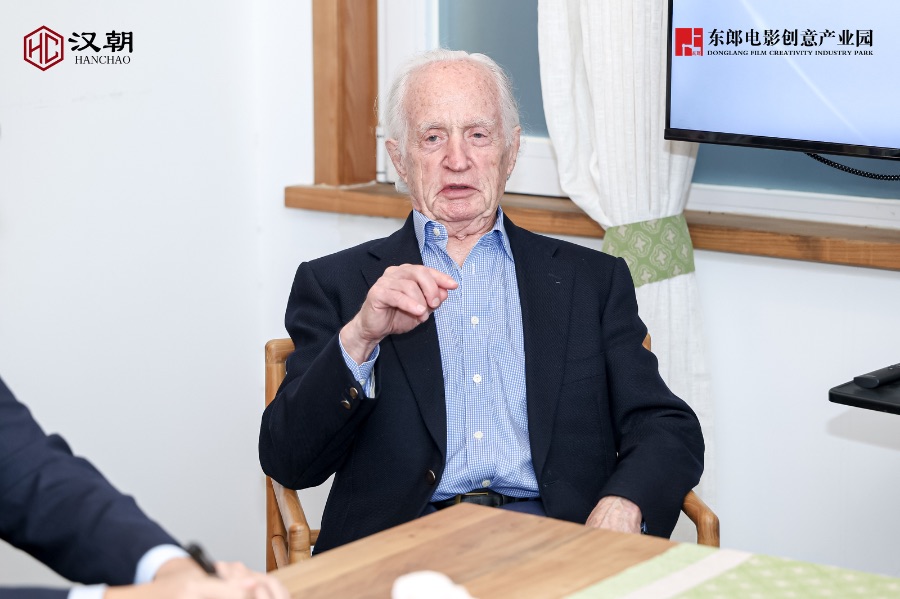
专访诺贝尔奖得主马里奥·卡佩奇:中国政府对科研支持力度更大
2 1 Shi Ji Jing Ji Bao Dao· 2025-10-22 11:57
Core Insights - Cell and gene technology is becoming a crucial area of innovation in biomedicine, offering new possibilities for human health, but its development is constrained by policy direction, financing environment, and ethical norms [1][4] - Mario Capecchi, a Nobel laureate, emphasizes the foundational role of genes in biological research while acknowledging the significant influence of environmental factors [1][4] - Capecchi praises China's leading achievements in gene therapy and highlights the government's strong support for scientific research, contrasting it with the declining scientific enthusiasm in the U.S. due to policy changes [4][5] Group 1: Scientific Exploration and Challenges - Capecchi encourages researchers to contribute to future advancements, stressing the importance of overcoming challenges in scientific exploration, particularly in gene modification [2][6] - He notes that scientific research is a continuous process that often involves failure, and researchers must learn to coexist with change and setbacks [6][7] - Capecchi believes that the significance of data in research is sometimes overstated, advocating for practical assessments of experimental outcomes rather than relying solely on complex data analysis [6][7] Group 2: Market and Economic Aspects - The global cell and gene therapy market was valued at $5.8 billion in 2022 and is projected to grow to $23.33 billion by 2028, with a compound annual growth rate (CAGR) of 26.4% [7] - In China, the CGT market reached approximately 3.38 billion yuan in 2023, a 113.64% increase from the previous year, with expectations to grow to 8.84 billion yuan in 2024 and 18.63 billion yuan in 2025 [7] - Capecchi highlights the importance of reducing drug prices to ensure accessibility for patients, noting that market competition will drive down costs as demand increases [6][7]
申长雨:新时代知识产权强国建设的宏伟蓝图
Ren Min Ri Bao· 2025-09-27 02:42
Group 1 - The issuance of the "Intellectual Property Power Construction Outline (2021-2035)" marks a significant strategic design for the future development of intellectual property in China, emphasizing the importance of building a strong intellectual property nation [1][2] - China's ranking in the Global Innovation Index has improved from 35th in 2013 to 12th in 2021, indicating its rapid progress and solid foundation for becoming a strong intellectual property nation [2] - The construction of a strong intellectual property nation is essential for modernizing the national governance system, promoting high-quality development, and enhancing the overall competitiveness of the economy [3][4] Group 2 - The Outline sets forth the overall requirements for building a strong intellectual property nation, emphasizing the need for adherence to Xi Jinping's thoughts and the importance of strengthening intellectual property protection [5] - The development goals include achieving significant results by 2025, with stricter protection and higher social satisfaction, and establishing a strong intellectual property nation by 2035 [6] - Key tasks for implementing the Outline include establishing a comprehensive intellectual property legal system, creating a supportive environment for international business, and enhancing public services related to intellectual property [7][8]

股市必读:新开源(300109)9月5日董秘有最新回复
Sou Hu Cai Jing· 2025-09-07 18:48
Core Viewpoint - The company is focusing on a dual-platform development strategy of "Fine Chemicals + Precision Medicine," with the fine chemicals segment as the foundation and precision medicine as a new growth engine, aiming for long-term growth support [2]. Group 1: Company Performance and Strategy - The company reported a stock price of 18.96 yuan, up 3.44% with a trading volume of 144,900 shares and a turnover of 271 million yuan as of September 5, 2025 [1]. - The precision medicine segment has not yet achieved profitability, but there is a clear trend of reduced losses, with future plans to focus on cell therapy and gene technology [2]. - The company is collaborating with its investee companies, such as Huada Bio and Yongtai Bio, to integrate technology and resources, accelerating the transformation of research results into profit [2]. Group 2: Product Development and Market Position - Yongtai Bio's EAL (activated lymphocytes) injection has received acceptance for conditional listing application by the National Medical Products Administration, currently in the normal approval process [2]. - The company’s PVP (Polyvinylpyrrolidone) annual production capacity is approximately 20,000 tons, with applications in new energy (15%), medicine (35%), food (10%), and other industrial and cosmetic fields (40%) [2]. - PVP prices have stabilized after a significant drop compared to previous years, and the company expects an increase in average prices as the product structure upgrades and the proportion of high-end products rises [2][3]. Group 3: Financial Insights - The company's operating costs increased by 11.41% year-on-year to 367.23 million yuan, primarily due to increased sales volume [2]. - On September 5, 2025, the net outflow of main funds was 12.51 million yuan, while retail investors saw a net inflow of 8.79 million yuan [3].

上交所举办 科创板六周年线上路演活动
Jin Rong Shi Bao· 2025-08-26 02:35
Group 1 - The event "Focusing on SSE - 6th Anniversary of Sci-Tech Innovation Board" was held to enhance international investors' understanding of the Sci-Tech Innovation Board and its representative listed companies, with nearly 50 institutions from major markets participating [1][2] - Over the past six years, the Sci-Tech Innovation Board has implemented a series of institutional innovations, becoming the preferred listing venue for domestic "hard technology" companies, with over 80% of listed companies in emerging industries such as new generation information technology, biomedicine, and high-end equipment manufacturing [1][2] - The introduction of the "1+6" policy measures by the China Securities Regulatory Commission aims to further deepen reforms and enhance the demonstration effect of the Sci-Tech Innovation Board [2] Group 2 - The Sci-Tech Innovation Board has made significant achievements in guiding capital towards "hard technology" enterprises and has seen a rich development of index and ETF categories, playing an important role in attracting incremental funds and supporting key core technology innovations [2] - Founders and CEOs of four Sci-Tech Innovation Board companies engaged in deep discussions with industry analysts, sharing the unique value of the board in fostering hard technology innovation [2] - The entrepreneurs expressed that the Sci-Tech Innovation Board provides strong support for corporate financing and development, anticipating that reforms like "1+6" will further enhance support for technology enterprises and industrial transformation [2]