
意定监护

Search documents
上海46岁独身女子身后事无人管?民政部门回答来了
Xin Lang Cai Jing· 2025-12-20 08:46
Core Viewpoint - The article discusses the management of estates for individuals without heirs, highlighting the role of the civil affairs department in handling such cases and clarifying common misconceptions about inheritance and estate management [1][4]. Group 1: Role of Estate Manager - An "estate manager" is defined under the Civil Code to ensure reasonable distribution and effective management of the estate, protecting the rights of heirs [1]. - If there is no will executor, heirs must elect an estate manager; if no heirs exist or they renounce inheritance, the civil affairs department or village committee will take on this role [1]. Group 2: Responsibilities of Civil Affairs Department - The civil affairs department, once appointed as the estate manager, is responsible for inventorying the estate, preventing damage, managing debts, and distributing the estate according to court rulings [2]. - The process for the civil affairs department to become an estate manager involves a court application by interested parties, who may have obligations or claims related to the deceased [3]. Group 3: Misconceptions about Inheritance - It is clarified that estates will not be directly claimed by the state; the civil affairs department will manage the estate and distribute it based on court decisions before any remaining assets are declared ownerless and transferred to the state [4]. Group 4: Funeral Arrangements - The Shanghai Municipal Funeral Management Regulations specify that if a deceased person has no close relatives, their workplace or the local community committee will handle funeral arrangements [5]. - If a distant relative is willing to take on the funeral arrangements, they can do so; otherwise, the deceased's workplace or community committee will assume this responsibility [6]. Group 5: Estate Distribution and Burial Expenses - The civil affairs department cannot directly use estate assets to purchase burial plots; however, interested parties can seek court approval for reimbursement of reasonable funeral expenses from the estate [6]. Group 6: Designated Guardianship - The concept of "designated guardianship" allows individuals to appoint a guardian in writing, who will take over responsibilities if the individual loses their capacity to act [7]. - This arrangement can cover various responsibilities, including personal care, financial management, and handling posthumous affairs [7].
养老“三件套”:遗嘱、生前预嘱和意定监护如何操作
第一财经· 2025-12-20 07:28
Core Viewpoint - The article emphasizes the increasing need for designated guardianship (意定监护) in the context of an aging population, rising singlehood, and the phenomenon of "lonely deaths," highlighting the importance of legal arrangements for elder care and asset distribution [1][5][7]. Group 1: Need for Designated Guardianship - The number of elderly individuals requiring designated guardianship is rising due to factors such as aging, singlehood, and children living abroad, leading to a potential increase in cases of individuals lacking guardianship [7][19]. - Cases of elderly individuals, such as a 90-year-old woman and a 70-year-old woman, illustrate the practical need for designated guardianship to manage healthcare and asset distribution [5][6]. - Statistics indicate that by 2024, China's population aged 60 and above will reach 310 million, accounting for 22% of the total population, with significant numbers of elderly living alone [6][7]. Group 2: The "Three Essentials" for Elderly Care - Experts recommend that individuals establish a legal framework consisting of designated guardianship, wills, and advance medical directives to ensure their wishes are respected in healthcare and asset management [9][10]. - Designated guardians can be family members or trusted individuals, and the legal documentation should be notarized to ensure its validity [9][12]. - Advance medical directives allow individuals to specify their preferences for medical treatment in critical situations, thereby guiding their designated guardians in making healthcare decisions [10][11]. Group 3: Cost and Accessibility of Designated Guardianship - The cost of basic designated guardianship services is relatively low, typically around 500 yuan per month, with higher fees for specialized needs [15][16]. - Concerns about financial exploitation by guardians are addressed, emphasizing that designated guardianship organizations do not typically manage large sums of money, and legal frameworks exist to protect individuals' assets [15][16]. - Public awareness of designated guardianship remains low, and there is a need for increased education and professional organizations to support this service [19][21]. Group 4: Challenges and Future Directions - The implementation of designated guardianship faces challenges, including societal stigma and a lack of public knowledge about the concept [19][21]. - The Shanghai government is actively working to establish a formal mechanism for designated guardianship to better protect the rights of the elderly [21][22]. - Future efforts will focus on enhancing legal protections and increasing the availability of designated guardianship services to meet the needs of an aging population [21].

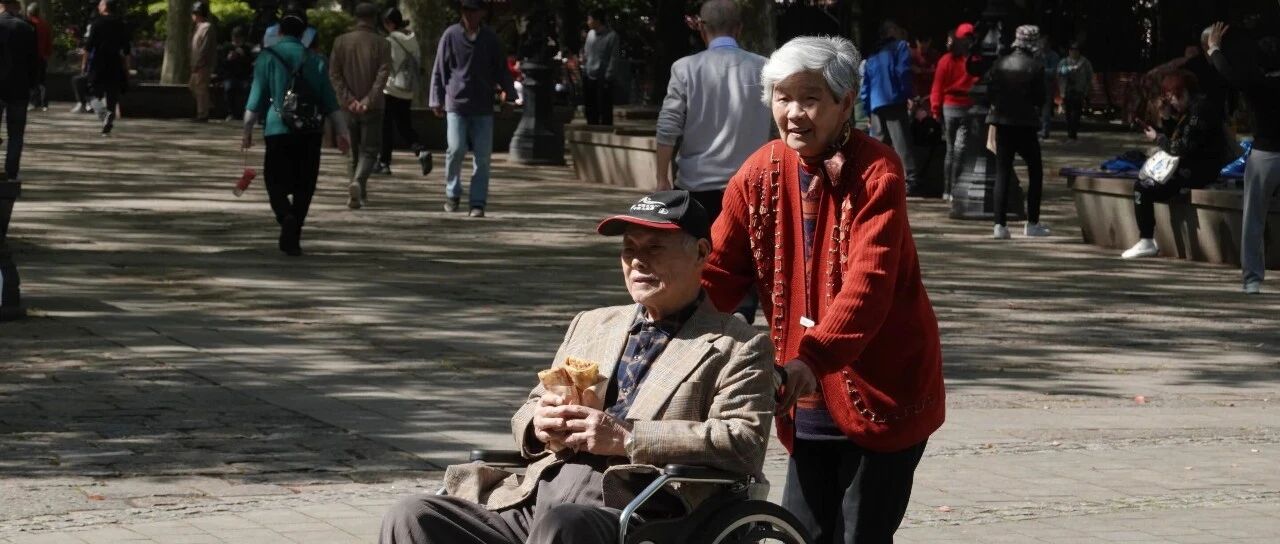
老有所依|意定监护如何收费?养老“三件套”吸引无伴侣无子女者关注
Di Yi Cai Jing· 2025-12-20 06:33
Core Insights - The increasing aging population and changing family structures have made designated guardianship, wills, and advance directives essential for ensuring a secure old age [1][9][19] Group 1: Designated Guardianship - Designated guardianship is becoming increasingly necessary due to the rise in elderly individuals without children or close relatives, leading to potential issues in care and inheritance [4][6] - Cases of elderly individuals, such as a 90-year-old woman without children, highlight the need for designated guardianship to manage healthcare and inheritance matters [4][5] - The number of inquiries regarding designated guardianship has surged, particularly following high-profile cases of "lonely deaths" [1][5] Group 2: Legal Framework and Recommendations - Experts recommend that individuals create legal documents for designated guardianship, wills, and advance directives to ensure their wishes are respected in healthcare and inheritance matters [9][10] - The designated guardian can be a trusted individual or organization, and the process should be formalized through notarization to ensure legal validity [10][11] - Establishing advance directives allows individuals to specify their medical treatment preferences in case of incapacitation, thus alleviating potential conflicts for guardians [10][18] Group 3: Financial Aspects and Public Perception - The cost of basic designated guardianship services is relatively low, typically around a few hundred yuan per month, which makes it accessible for many elderly individuals [14][15] - There is a general skepticism among the elderly regarding the involvement of designated guardianship organizations in financial matters, leading to hesitance in establishing such arrangements [14][15] - Public awareness of designated guardianship remains low, and there is a need for increased education and outreach to encourage more individuals to consider these legal arrangements [18][19] Group 4: Challenges and Future Directions - The implementation of designated guardianship faces challenges, including a lack of public understanding and the limited number of professional organizations offering these services [18][19] - The Shanghai government is actively working to establish a more robust framework for designated guardianship to protect the rights of the elderly, with plans for further development in the coming years [19]

彷徨的中年人开始立遗嘱,需要注意什么?
第一财经· 2025-12-19 11:47
Core Viewpoint - The case of a 46-year-old single woman, Ms. Jiang, who passed away without heirs, has sparked widespread social concern regarding the handling of her estate, highlighting the need for clearer policies on inheritance for individuals without immediate family [2]. Group 1: Legal and Social Implications - Ms. Jiang's case is the first publicly handled estate case in China involving a single deceased person without heirs, which may influence future policy development [2]. - There is a growing trend among middle-aged individuals to seek legal advice on wills and guardianship, indicating a shift in awareness regarding personal estate planning [2][3]. - The concept of "intended guardianship" is applicable to all adults, not just the elderly, suggesting a need for broader public education on this legal provision [2]. Group 2: Will and Estate Planning - The process of drafting a will is straightforward, and individuals as young as their 30s are considering it to ensure their assets are passed on to their children or designated guardians [3]. - It is essential for single individuals, especially those without close relatives, to establish intended guardianship to ensure their wishes are respected in case of incapacitation [3][4]. - A well-structured will should include specific details about asset distribution, including burial arrangements, to facilitate the process for executors and avoid disputes [4]. Group 3: Challenges in Estate Execution - The refusal of authorities to allow Ms. Jiang's distant relative to use her estate for burial expenses highlights the lack of clear standards for what constitutes reasonable expenses in estate management [4][5]. - Establishing a designated executor or estate manager in a will can help clarify the use of assets and resolve potential disputes regarding expenses [5].

46岁上海独身女子离世,远亲无法用其遗产为她买墓地?民政部门:类似案例属首次出现
Mei Ri Jing Ji Xin Wen· 2025-12-19 08:44
Core Viewpoint - The case of Ms. Jiang highlights the challenges faced by individuals without close relatives in managing their affairs after death, particularly regarding inheritance and funeral arrangements, raising questions about the adequacy of current legal frameworks and social support systems [22][23]. Group 1: Medical Situation - Ms. Jiang, a 46-year-old woman living alone in Shanghai, was diagnosed with a brain hemorrhage and required surgery after being unable to move due to dizziness [1][3]. - After two months of treatment, her condition initially improved, but she experienced a sudden decline after being transferred to a private rehabilitation hospital [8][10]. Group 2: Family and Legal Issues - Ms. Jiang had no immediate family, as both her parents had passed away, and she had no spouse or children, leading to complications in her medical and legal affairs [8][20]. - The lack of a close relative meant that her estate would be managed by the civil affairs department, raising concerns about how her funeral expenses could be covered [13][20]. Group 3: Funeral Arrangements and Inheritance - There is no clear legal framework regarding the use of a deceased person's estate for their own funeral expenses, leading to disputes over whether Ms. Jiang's friends and distant relatives could use her funds for her memorial service [15][22]. - The civil affairs department indicated that any expenses for funeral arrangements must be within a reasonable range, but the criteria for what constitutes "reasonable" are not well-defined [17][23]. Group 4: Societal Implications - The case reflects a growing trend of single individuals without close family ties, highlighting the urgent need for policies that address their rights and needs in end-of-life situations [19][22]. - Legal experts suggest that the government should consider establishing emergency assistance funds to support individuals in similar situations, as the aging population and declining birth rates may lead to more cases like Ms. Jiang's [19][20].

“孤独死”者的遗产归谁
第一财经· 2025-12-17 04:41
Core Viewpoint - The article discusses the increasing prevalence of "lonely deaths" in society, particularly among individuals without spouses or children, and emphasizes the importance of establishing legal frameworks such as wills, advance directives, and designated guardianship to manage their affairs posthumously [3][4][9]. Group 1: The Issue of "Lonely Deaths" - The case of a 46-year-old woman, who passed away without heirs, highlights the complexities surrounding the inheritance of assets for individuals without direct relatives [3]. - As societal trends shift towards late marriage, childlessness, and an aging population, the number of individuals facing "lonely deaths" is expected to rise, raising questions about who will manage their affairs [3][4]. Group 2: Legal Frameworks for Inheritance - Many individuals in China do not establish wills or advance directives, leading to complicated inheritance issues for those who die without direct heirs [4]. - According to the Civil Code, the first order of heirs includes spouses, children, and parents, while distant relatives like cousins typically have no inheritance rights [4]. Group 3: Importance of Advance Directives and Guardianship - The concept of designated guardianship allows individuals to choose trusted persons to manage their affairs if they lose the capacity to do so themselves, which is particularly relevant for the growing number of older adults without immediate family [5][6]. - There is a lack of awareness and understanding of designated guardianship among the public, with over 60% of respondents unaware of the system [6]. Group 4: Government Initiatives - The Shanghai government is working on implementing a designated guardianship system, which will provide guidelines and support for older adults to establish such arrangements [8]. - The proposed system aims to create a consultation service and establish a framework for the appointment of guardians, ensuring that older adults can make informed decisions about their care and assets [8].

独身女子“孤独死”后遗产难买墓地?意定监护与遗嘱很必要|乐言商业
Di Yi Cai Jing· 2025-12-17 04:11
Core Viewpoint - The phenomenon of "lonely death" is becoming increasingly common due to trends such as late marriage, childlessness, and aging, raising concerns about inheritance and posthumous arrangements [1][2][7] Group 1: Inheritance Issues - The case of Ms. Jiang, who died without direct heirs, highlights the complexities of inheritance for "lonely death" cases, where distant relatives may face challenges in claiming the estate [1][2] - According to the Civil Code, the first-order heirs include spouses, children, and parents, while distant relatives like cousins do not have inheritance rights, complicating matters for those without immediate family [2][5] Group 2: Importance of Wills and Advance Directives - Many individuals in China avoid discussing death, leading to a lack of wills or advance directives, which complicates inheritance for those without direct heirs [2][5] - Establishing wills or advance directives is deemed necessary, especially for those without spouses or children, to protect their interests and reduce disputes after death [2][5] Group 3: Designated Guardianship - The concept of designated guardianship allows individuals to appoint trusted persons to manage their affairs if they lose capacity, which is crucial for the growing number of childless elderly [4][5] - There is a lack of awareness and trust in designated guardianship, with over 60% of respondents unaware of the system, indicating a need for education and legal frameworks to support it [5][6] Group 4: Government Initiatives - The Shanghai government is promoting the implementation of a designated guardianship system, providing guidelines and support for establishing such arrangements [6] - The initiative aims to create a consultation service mechanism and standardize the process for appointing guardians, effective from January 1, 2026 [6]
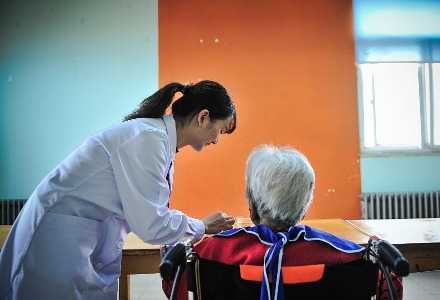
应对长寿时代挑战 存钱养老观念亟须升级
Jin Rong Shi Bao· 2025-12-10 02:03
Core Insights - The article emphasizes the need for a comprehensive retirement planning approach that addresses financial, health, housing, and inheritance dimensions due to the increasing longevity risk faced by individuals [1][2]. Financial Dimension - The financial aspect focuses on balancing "future lifespan" with "asset lifespan" through diversified asset allocation, ensuring that asset consumption does not outpace life expectancy [2]. - The current low-interest environment has led to a scarcity of safe investment options, pushing individuals towards riskier financial products [1]. Health Dimension - The goal is to extend healthy life expectancy to align closely with natural lifespan, which requires both basic health insurance and proactive personal health management [2]. - This creates new opportunities for the integration of insurance and health management services [2]. Housing Dimension - Early planning for retirement living arrangements and care resources is essential, as many quality elderly care facilities are in high demand [2]. - Assessing and modifying existing housing for suitability for elderly residents is also crucial [2]. Inheritance Dimension - Inheritance planning involves not only wealth transfer but also arrangements for elder care and asset management oversight [2]. - The concept of "designated guardianship" is highlighted, allowing elderly individuals to appoint guardians for their care and financial matters, which is currently underutilized [2]. Age-Specific Planning - Different age groups should focus on varying aspects of retirement planning, with an emphasis on starting early, saving more, and diversifying assets [3]. - Regular financial health check-ups are recommended for all age groups to adjust planning according to changing family and economic conditions [3]. - Risk tolerance generally decreases with age, necessitating a more conservative asset allocation strategy [3].
“重阳敬老·法护银龄”金融养老与意定监护公益讲座在通州顺利举办
Zheng Quan Ri Bao Wang· 2025-10-29 13:50
Core Insights - The event "Respect for the Elderly: Financial Elderly Care and Intended Guardianship" focused on the innovative financial legal tool of "special needs trust" [1][2] - The introduction of the first national case of real estate trust in Tongzhou District aims to enhance the quality of life for vulnerable groups, particularly the elderly and disabled [1] - The collaborative model of "finance + law + united front" is seen as a replicable solution to the challenges of elderly care and assistance in society [2] Group 1 - The event highlighted the importance of "special needs trust" as a financial tool for asset protection and stable cash flow for beneficiaries [1] - The presentation by Dr. Lin Wei emphasized the role of real estate in trust structures to ensure long-term care for individuals with disabilities [1] - Experts from various organizations provided insights on legal practices and financial operations related to intended guardianship and special needs trusts [1] Group 2 - The initiative is viewed as a model for high-quality development aimed at improving and safeguarding people's livelihoods [2] - The collaborative approach is intended to address the societal challenges of elderly care and assistance effectively [2]
中粮信托走进通州养老驿站,共探养老规划新路径
Cai Fu Zai Xian· 2025-10-09 05:11
Core Insights - The event focused on promoting new concepts in elderly wealth planning and guardianship, aiming to enhance the quality of life for senior citizens [1][2] - The initiative was led by the Tongzhou District government, highlighting the importance of collaboration between government, community, and professional institutions in elderly care [2] Group 1: Event Overview - The event titled "Entrust the Future, Enjoy Silver Age" was held in Tongzhou District, Beijing, featuring a public lecture on elderly wealth planning and guardianship [1] - Various professionals shared insights on topics such as elderly wealth protection, guardianship, legal oversight, and notarized elderly services [1] Group 2: Key Presentations - Dr. Lin Wei, Assistant to the District Mayor, introduced a unique trust service using real estate as trust property, showcasing the role of trusts in elderly care [1] - Chen Yahui, Deputy Director of the Beijing Law Wei Silver Age Research and Service Center, emphasized the significance of the guardianship system in protecting the rights of the elderly [1] - Deng Ting, head of the Wealth Management Headquarters' Elderly Care Trust Business at Zhongguo Trust, presented practical cases of elderly trusts, explaining how they meet comprehensive planning needs [1] Group 3: Legal and Notary Services - Tao Yi, Director of Beijing Yingke (Tongzhou District) Law Firm, and Li Qing, a notary from Beijing Chang'an Notary Office, discussed the critical roles of legal and notary services in elderly planning [1] Group 4: Community Engagement - The event included an interactive session where seniors actively engaged with the speakers, fostering a lively atmosphere [2] - The initiative aims to continue similar activities in the future to promote high-quality elderly services and ensure a happy life for more seniors [2]