教育理念

Search documents
【劳动者故事】年轮缓缓不急不喧
Xin Lang Cai Jing· 2025-12-27 18:41
Core Viewpoint - The article reflects on the challenges and transformations in the educational environment of a rural school, emphasizing the importance of understanding and nurturing students' emotional and psychological needs rather than merely enforcing discipline [1][2][3][4][5][6]. Group 1: Educational Environment - The rural school environment is described as beautiful and expansive, yet the challenges faced by students and teachers are significant due to the lack of parental involvement and support [1]. - Students are depicted as struggling with discipline and focus, often exhibiting chaotic behavior in the classroom, which reflects their home situations [1][2]. Group 2: Teacher-Student Relationships - A pivotal moment occurs when a student expresses feelings of hopelessness, leading to a deeper connection between the teacher and the student, highlighting the role of empathy in education [2]. - The teacher learns to shift focus from correcting behavior to understanding the underlying issues affecting students, fostering a more supportive atmosphere [3][6]. Group 3: Parental Involvement - The article illustrates various interactions with parents, showcasing the challenges of communication and the need for collaboration to support students' education [4][5]. - Parents are portrayed as overwhelmed by their own struggles, which impacts their ability to support their children effectively [5]. Group 4: Educational Philosophy - The narrative emphasizes a philosophy of education that prioritizes emotional growth and understanding over strict discipline, likening the process of education to the natural growth of trees [6]. - The teacher adopts a more flexible and nurturing approach, allowing students to take responsibility for their learning and fostering a sense of community within the classroom [6].
在昆明丑小鸭,观察“问题学生”和他们的家长
经济观察报· 2025-12-23 02:52
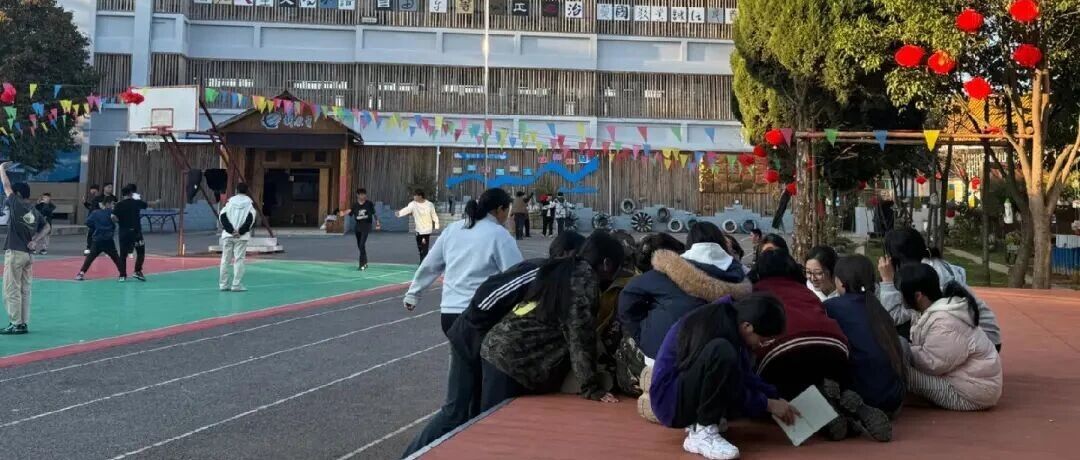
Core Viewpoint - The article discusses the unique educational approach of "Ugly Duckling School," which aims to transform "problematic children" into well-adjusted students through a supportive and autonomous environment [1][4]. Group 1: School Background and Student Demographics - "Ugly Duckling School" is located in Yiliang County, Yunnan, with a student population of over 80, primarily consisting of children labeled as "problematic" by their parents [2][3]. - Since its establishment in 2011, the school has enrolled over 3,000 students, charging approximately 40,000 yuan per semester [3][4]. Group 2: Student Experiences and Issues - Many students arrive with various issues such as rebellion, depression, and gaming addiction, often after being pressured by their parents to attend [2][6]. - A significant number of students previously attended prestigious schools but struggled with academic pressure, leading to mental health issues like depression [7][11]. Group 3: Changes in Student Issues Over Time - The nature of student problems has shifted from behavioral issues to mental health concerns, with a notable increase in depression and anxiety among students since 2020 [11][12]. - Research indicates that 16.4% of adolescents face varying degrees of depression risk, with 4.7% classified as severely depressed [11]. Group 4: Educational Philosophy and Practices - The school emphasizes autonomy, allowing students to make decisions regarding activities and fostering self-identity [15][17]. - There are no strict dress codes or regulations on hairstyles, and students engage in various activities that promote creativity and self-expression [17][18]. Group 5: Parental Expectations and School Response - Parents often express a desire for the school to "fix" their children within a short timeframe, reflecting a misunderstanding of the educational process [26][28]. - The school aims to improve students' self-identity and life skills, but acknowledges that lasting change requires parental involvement and support [26][28].

在昆明丑小鸭,观察“问题学生”和他们的家长
Jing Ji Guan Cha Bao· 2025-12-22 10:34
Core Viewpoint - The article discusses the unique educational approach of "Ugly Duckling School," which caters to students labeled as "problematic" by their parents, focusing on mental health and personal development rather than traditional academic success [1][2][12]. Group 1: School Background and Student Demographics - "Ugly Duckling School" has enrolled over 3,000 students since its establishment in 2011, primarily from first-tier cities, with current enrollment of about 80 students [2][5]. - The school charges approximately 40,000 yuan per semester (around 5,600 USD) and offers summer camps [2][5]. - Many students are sent to the school due to issues like rebellion, depression, and gaming addiction, often at the behest of parents who feel unable to manage their children [2][3]. Group 2: Student Experiences and Mental Health Issues - Students like 12-year-old Du Lin exhibit various emotional and behavioral challenges, including anxiety and difficulty in social interactions, often exacerbated by parental pressure [3][4]. - A significant increase in students with depression and anxiety has been noted since 2020, with estimates suggesting that about 70% of new students may suffer from these issues [6][7]. - A study by Tsinghua University indicated that 16.4% of adolescents face varying degrees of depression risk, highlighting a growing concern for youth mental health [6]. Group 3: Educational Philosophy and Practices - The school emphasizes autonomy and self-identity, allowing students to make decisions regarding activities and personal expression, which helps mitigate the negative psychological impacts of being labeled as "problematic" [9][10]. - The school has no strict dress code or library borrowing requirements, promoting a relaxed environment where students can engage in various activities [10][11]. - A points system has been implemented to encourage positive behavior, allowing students to earn privileges through good conduct and academic performance [10]. Group 4: Teacher and Parental Involvement - Teachers at "Ugly Duckling School" often face challenges due to the unique needs of the students, with many leaving due to the mismatch between their expectations and the reality of teaching "problematic" students [7][8]. - Parents frequently express concerns about their children's experiences at the school, with some resorting to deceptive tactics to enroll their children [6][12]. - The school's founder, Zhan Dazhong, believes that the existence of such schools is a reflection of the pressures of the traditional education system, which often overlooks individual student needs [12][20].
柔软比坚硬更有力量
Qi Lu Wan Bao· 2025-11-05 16:30
Core Idea - The article emphasizes the importance of presenting vulnerability in education, suggesting that a soft approach can foster respect and responsibility among students rather than relying on strict rules and hard materials [4][5]. Group 1: Classroom Management - The initial attempts at managing classroom supplies with a wooden container and later a metal box failed due to students' disregard for the items, leading to damage and a lack of genuine respect [2][3]. - The introduction of a fragile glass beaker as a container for chalk resulted in a surprising change in student behavior, as they became more cautious and respectful towards it [3][4]. Group 2: Educational Philosophy - The experience with the glass beaker led to a realization that true respect and care come from understanding the consequences of one's actions, rather than from fear of punishment [4]. - The subsequent activity involving caring for a plant reinforced the idea that students learn more effectively through experience and emotional connection rather than through strict discipline [5].

少和孩子生气吧,看完你就知道原因了(深度好文,别后悔太晚才看到)
Jing Ji Guan Cha Bao· 2025-10-30 10:21
Core Viewpoint - The article emphasizes the importance of parents managing their emotions and reducing anger towards their children, highlighting that children's misbehavior is often a result of their developmental stage rather than intentional defiance [2][3][7]. Group 1: Understanding Child Behavior - Children's disobedience is linked to the underdevelopment of their prefrontal cortex, which is responsible for self-control and emotional regulation, maturing around the age of 25 [2]. - Misbehavior such as spilling food or procrastination can stem from developmental limitations like poor hand coordination or lack of time awareness [3]. Group 2: The Shortness of Parent-Child Bonding Time - The emotional connection between parents and children diminishes as children grow, with significant bonding years being limited to early childhood [4][6]. - A calculation of time spent together shows that children rely on their parents less as they age, emphasizing the need for nurturing relationships during formative years [6]. Group 3: Consequences of Parental Anger - Frequent yelling can lead to children developing anxiety and low self-esteem, as they may internalize the belief that they are not good enough [7][10]. - The cycle of anger can exacerbate issues, creating a negative feedback loop where fear leads to further mistakes, which in turn leads to more anger from parents [11]. Group 4: Strategies for Parents - Parents are encouraged to use techniques such as the "pause method" to take a moment before reacting in anger, allowing for a more rational response [15][17]. - Practicing empathy by recalling their own childhood experiences can help parents understand their children's behavior better [18][19]. - Keeping an emotional diary can help parents identify the root causes of their anger, preventing them from projecting their frustrations onto their children [20][22]. - Accepting imperfection in parenting and communicating openly with children about feelings can foster a healthier relationship [24][26]. Group 5: Conclusion - The essence of education lies in the quality of the parent-child relationship, which should be characterized by patience and understanding rather than anger [27].
杨振宁先生3个儿女不学物理,却个个成才:他的教育治愈了我的鸡娃焦虑
洞见· 2025-10-23 12:20
Group 1 - The article highlights the educational philosophy of Yang Zhenning, emphasizing the importance of interest and talent in determining a child's path to success [10][20][22] - Yang Zhenning's children pursued diverse fields rather than following in his footsteps, showcasing the value of individual interests and strengths [6][8] - The article outlines three key parental strategies for fostering children's growth: recognizing their strengths, allowing them to make choices, and accepting mistakes [22][23][24] Group 2 - The concept of "permeation method" in education is discussed, which involves gradually deepening knowledge through exposure and practice rather than forced learning [25][27] - The article stresses the significance of cultivating good habits in children, such as reading and time management, as foundational elements for future success [28][29] - It emphasizes that a stable parental core is crucial for effective education, highlighting the need for parents to manage their emotions and maintain a calm demeanor [31][33][36] Group 3 - The article discusses the importance of developing a well-rounded personality in children, which is essential for their future resilience and adaptability [40][42] - It outlines three aspects for parents to focus on in nurturing a child's character: instilling positive values, leading by example, and providing unconditional love [46][49] - The article concludes that effective parenting involves patience and a focus on the child's unique growth trajectory rather than adhering to rigid standards [50][52]

为教育管理团队“充电”!新疆疏附帅诚江名校长工作室举行集体研修活动
Nan Fang Nong Cun Bao· 2025-10-22 10:31
Core Points - The article discusses a collective training activity held by the Shuafu County Principal Shai Chengjiang Work Studio, focusing on guiding concepts and capacity enhancement for educational management teams [2][3] - The training aims to inject new momentum into the high-quality development of education in Shuafu County [3][22] Group 1: Training Activity Overview - The collective training activity took place at Shuafu County Second Middle School, emphasizing the cultivation of expert-type educational management teams [2][3] - The Shai Chengjiang Principal Work Studio was established in February 2024, aiming to promote advanced educational concepts and effective management models from Guangzhou [4][5] - The training included various segments to create a platform for learning and exchange among studio members [6][7] Group 2: Key Presentations and Insights - Principal Shai Chengjiang delivered a keynote lecture titled "The Model of a Good Principal - A Practitioner of True Education," analyzing the core qualities and practical paths of effective school leadership [8][9] - The lecture emphasized the importance of adhering to educational principles and innovating management methods, providing both theoretical depth and practical guidance [10] Group 3: Impact and Future Directions - The event featured a certificate awarding ceremony, formally recognizing new members of the Shuafu County Shai Chengjiang Principal Work Studio [20][21] - The training not only provided learning opportunities but also solidified the foundation for building an expert educational management team in Shuafu County, contributing to local educational development [22][23] - Future training content will be tailored to the individual needs of teachers, fostering an open and inclusive environment for sharing ideas and experiences [24][25][26]

广东表彰新一批特级教师、南粤优秀教师和优秀教育工作者
Nan Fang Ri Bao Wang Luo Ban· 2025-09-12 07:45
Core Points - The Guangdong province held a conference to honor outstanding teachers, recognizing a total of 2,344 individuals for their contributions to education [1] Group 1: Teacher Recognition - The conference highlighted the achievements of special-grade teachers, excellent teachers from Nanyue, and outstanding education workers, showcasing their dedication and impact on students [1] - Representatives from different educational backgrounds shared their experiences, emphasizing the importance of nurturing students' physical and mental well-being through education [1][2] Group 2: Educational Philosophy - Yang Jiandi, a physical education teacher, emphasized the role of sports in building confidence and resilience among students, leading to an 18% improvement in student fitness rates at her school [1] - Tan Yongjia, a vocational education teacher, focused on helping students understand that different paths in life do not equate to failure, integrating real-world challenges into the classroom [2] - Zhang Dongmei, dean of the School of Pharmacy at Jinan University, shared her educational philosophy using traditional Chinese medicine metaphors, stressing the importance of moral integrity, ambition, and innovation in education [3]
教育没有标准答案:有香味的花,不止玫瑰;能飞翔的鸟,不止雄鹰
洞见· 2025-07-30 12:34
Core Viewpoint - The article emphasizes the importance of respecting children's individual interests and allowing them to explore their passions without excessive correction or pressure from parents [7][12][51]. Group 1: Child Development and Education - The story of an 11-year-old boy, Yin Ran, who is passionate about studying insects, illustrates the value of nurturing a child's interests rather than forcing them into conventional academic paths [5][10]. - The article highlights that children should be allowed to make mistakes and learn from them, as this fosters their creativity and self-confidence [15][19][28]. - A Harvard study indicates that frequent interruptions and corrections from parents can hinder children's development in language, logic, and creativity [18]. Group 2: Parenting Approaches - The narrative discusses the detrimental effects of overly strict educational plans, as seen in the experience of a parent who imposed rigorous learning schedules on their child, leading to a lack of interest in studies [32][36]. - The article advocates for a balanced approach to parenting, where parents provide support and encouragement while allowing children to grow at their own pace [46][48]. - It stresses that education should be about nurturing a child's natural growth rather than imposing rigid standards [50][72]. Group 3: Individuality and Potential - The article references the "Walah Effect," which suggests that children can reach their full potential when they find their unique strengths and interests [64]. - It emphasizes that every child has a unique growth trajectory, and parents should focus on providing a supportive environment rather than trying to mold them into a specific image [69][71]. - The piece concludes that true parental love involves trust and the freedom for children to explore their paths, ultimately leading to their unique achievements [67][73].
父母吃不了高级的苦,就得吃孩子平庸的苦
洞见· 2025-07-24 12:08
Core Viewpoint - The article emphasizes the importance of parental involvement and self-discipline in child-rearing, suggesting that parents must endure various forms of hardship to positively influence their children's development [8][72]. Group 1: Types of Hardships - There are two types of hardships in parenting: consumption-type, which involves a lot of effort with little result, and harvest-type, where parents improve themselves and consequently foster significant changes in their children [8][10]. - Parents who do not practice self-discipline will struggle to instill self-control in their children, as children often mirror their parents' behaviors [13][20]. - The "pickled vegetable effect" illustrates that children absorb the environment they are in, meaning if parents lack self-discipline, children are unlikely to develop it [14][15][17]. Group 2: Planning and Guidance - Parents often focus on trivial matters while neglecting significant life decisions for their children, which can hinder their future success [30][32]. - Research indicates that children from families with clear planning and guidance tend to have better outcomes compared to those who lack such support [38][40]. - The absence of parental planning can lead to confusion and aimlessness in children, as they may not know how to navigate their futures [45][46]. Group 3: Persistence and Success - Success is rarely instantaneous; it requires consistent effort and perseverance from both parents and children [51][70]. - The story of a student who excelled academically due to his mother's long-term commitment to his education highlights the impact of sustained parental involvement [52][56]. - Parents should maintain their educational values and support their children through challenges, as this fosters resilience and determination [62][66]. Group 4: Conclusion - The essence of education is a collaborative journey between generations, where the hardships parents choose to endure shape the future of their children [72][73].