日中关系

Search documents
日本公布解密档案:承认台湾问题事关中日关系根基
Xin Lang Cai Jing· 2025-12-24 15:44
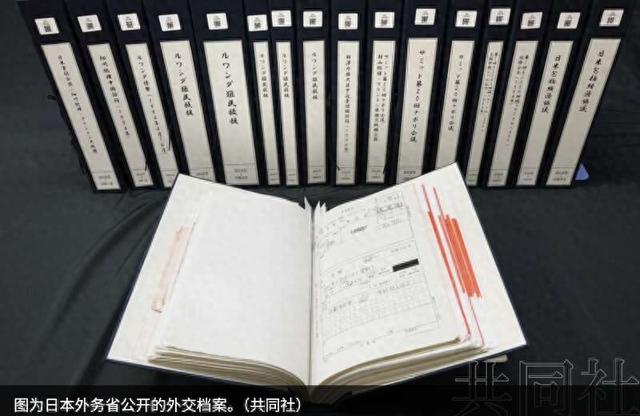
Group 1 - The core viewpoint of the article highlights Japan's Foreign Ministry's acknowledgment that its relationship with Taiwan is a sensitive issue that could destabilize Sino-Japanese relations if mishandled [1][3] - The released diplomatic documents consist of 17 volumes totaling over 6,800 pages, primarily covering records from the cabinets of Prime Ministers Hosokawa Morihiro, Hata Tsutomu, and Murayama Tomiichi around 1994 [3] - The documents reveal that during Hata's visit to China in January 1994, he clearly stated Japan's opposition to the "two Chinas" policy, indicating Japan's diplomatic stance on Taiwan [3] Group 2 - The current tense state of Sino-Japanese relations has led to increased attention from Taiwanese media regarding Japan's historical documents related to China and Taiwan [3] - The Chinese Foreign Ministry has repeatedly urged Japan to reflect on its historical responsibilities and adhere to the one-China principle, calling for Japan to retract its erroneous statements and cease interference in China's internal affairs [3]

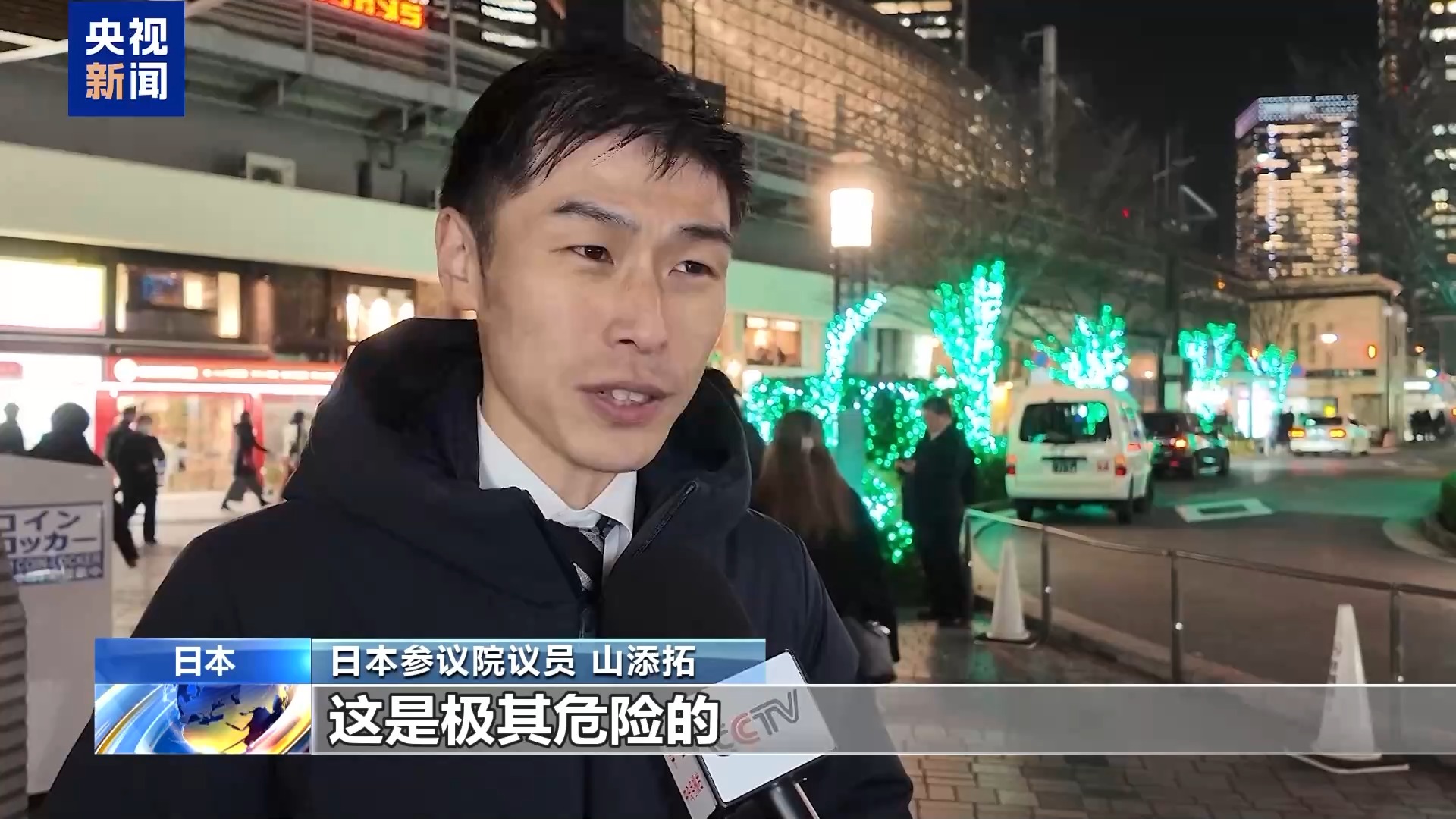
视频丨日本政界人士:高市错误言论动摇日中关系基础 极度危险
Yang Shi Xin Wen Ke Hu Duan· 2025-12-23 11:44
Group 1 - Japanese Prime Minister Sanae Takaichi's remarks regarding Taiwan have drawn strong criticism from various Japanese political figures, highlighting a significant discontent within the political landscape [1][3] - Senator Takaichi's statement equating "Taiwan's situation" with "Japan's situation" suggests that Japan could be drawn into conflict even without direct attacks, which poses a serious threat to Japan's principle of pacifism [3][5] - The comments are seen as undermining the political foundation established during the normalization of Japan-China relations in 1972, which emphasized respect for China's stance on Taiwan [5][10] Group 2 - The current Japanese government's military expansion is viewed as a violation of the pacifist constitution, raising concerns about its implications for Japan's security policy [6][8] - Senator Takaichi emphasized that Japan's constitution, particularly Article 9, prohibits the possession of offensive military capabilities, which contradicts the government's current military strategies [8][10] - The government is criticized for using the pretext of a deteriorating security environment to justify military expansion, which is seen as a departure from Japan's post-war commitment to peace [10]
日本政界人士:高市错误言论动摇日中关系基础 极度危险
Yang Shi Xin Wen Ke Hu Duan· 2025-12-23 07:49
Core Viewpoint - Japanese Prime Minister Sanae Takaichi's remarks regarding Taiwan have drawn strong criticism from various Japanese political figures, highlighting concerns over Japan's peace principles and its relationship with China [1][3]. Group 1: Political Reactions - Japanese Senator Taku Yamazoe criticized Takaichi's statements, asserting that equating "Taiwan's issues" with "Japan's issues" could lead Japan into war even without direct attacks, undermining Japan's peace constitution [1][3]. - Yamazoe emphasized that Takaichi's comments violate the political consensus established during the normalization of Japan-China relations in 1972, which included respect for China's stance on Taiwan [3][5]. Group 2: Constitutional Concerns - Yamazoe pointed out that Japan's constitution, particularly Article 9, emphasizes a defensive posture, making the idea of possessing offensive capabilities, such as long-range missiles, constitutionally problematic [5][7]. - The current government's military expansion efforts, justified by claims of a deteriorating security environment, are seen as dangerous and contrary to Japan's post-war commitment to peace [5][7]. Group 3: Historical Context - Yamazoe highlighted that Japan's post-war path is rooted in reflecting on its wartime actions and the suffering caused to other nations, with Article 9 embodying this reflection [7]. - He argued that using the rationale of security threats to justify military buildup disregards historical facts and undermines Japan's commitment to peace [7].
如何看待日中关系?美国国务卿鲁比奥最新表态
Zhong Guo Xin Wen Wang· 2025-12-22 07:40
Core Viewpoint - The U.S. Secretary of State, Rubio, expressed confidence in maintaining a strong partnership with Japan while also seeking productive cooperation with China [1] Group 1: U.S.-Japan Relations - The U.S. views Japan as a very close ally, and the long-standing tensions between Japan and China are seen as a dynamic factor that needs to be balanced in the Asia-Pacific region [1] - Rubio emphasized the commitment to a strong and stable partnership with Japan, indicating that this relationship will not hinder efforts to find constructive ways to engage with China [1] Group 2: U.S.-China Relations - Rubio stated that the U.S. must maintain a relationship with China, recognizing it as a wealthy and powerful country that plays a significant role in geopolitics [1] - He highlighted the necessity of finding areas for cooperation, acknowledging that both countries will face tensions but should act responsibly to seek collaborative opportunities [1]
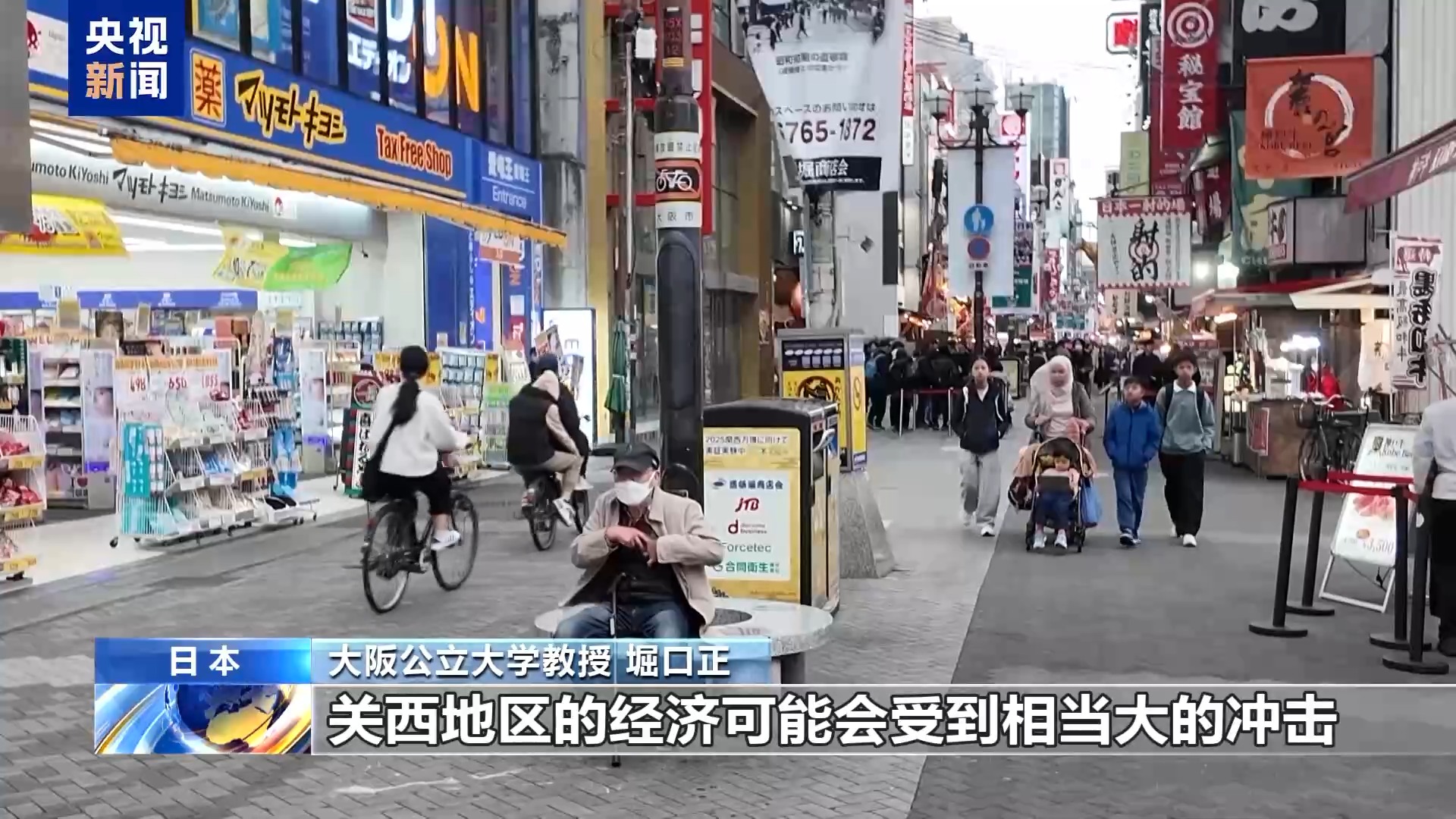
日本学者:高市错误言论冲击关西地区经济
Yang Shi Xin Wen· 2025-12-22 00:39
Group 1 - The recent erroneous remarks by Japanese Prime Minister Sanae Takaichi have sparked criticism domestically, particularly affecting the tourism industry and economy in the Kansai region, which is closely tied to Chinese tourists and Japan-China trade [1][3] - Following Takaichi's comments, there has been a noticeable decline in the number of tourists arriving from China since November, which could significantly impact the tourism-related sectors in Kansai, including accommodation, transportation, and local products [3][5] - The Kansai region has a strong economic relationship with China, especially in IT and electronic components, and prolonged issues stemming from Takaichi's remarks could lead to substantial economic repercussions for the area [5][7] Group 2 - Chinese students represent a significant portion of international students in Japan, with over 100,000 coming annually, accounting for approximately 30-40% of all international students. Deteriorating Japan-China political relations may reduce the willingness of Chinese students to study in Japan, adversely affecting higher education and bilateral exchanges [5][7] - The professor emphasizes the importance of Takaichi demonstrating respect for Japan-China relations, suggesting that such an attitude could not only improve bilateral relations but also contribute to peace in East Asia and globally [7]
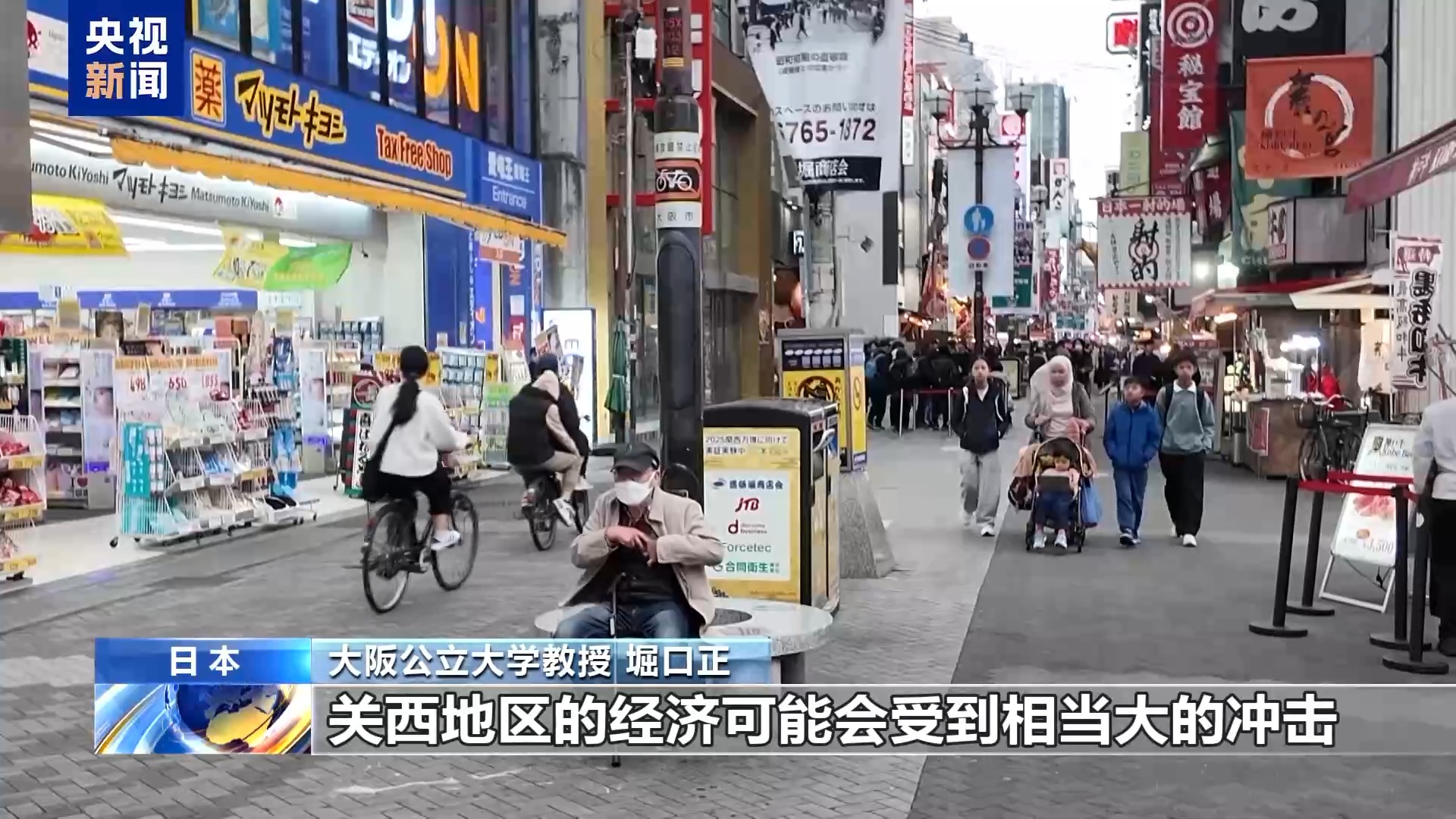
视频丨日本学者:高市错误言论冲击关西地区经济
Yang Shi Xin Wen Ke Hu Duan· 2025-12-21 23:38
Group 1 - The recent erroneous remarks by Japanese Prime Minister Sanae Takaichi have sparked criticism domestically, particularly affecting the tourism industry and economy in the Kansai region, which is closely linked to Chinese tourists and Japan-China trade [1][3] - Since November, there has been a noticeable decline in the number of tourists from China to Osaka, which is heavily focused on the tourism industry. If this situation persists, sectors related to tourism in Kansai, such as accommodation, transportation, and local products, will face significant impacts [3][5] - The Kansai region has maintained strong trade relations with China, particularly in IT and electronic components. Continued issues stemming from Takaichi's remarks could lead to substantial economic repercussions for the region [5][7] Group 2 - Chinese students represent a significant demographic in Japanese higher education, with over 100,000 students annually, accounting for approximately 30-40% of all international students in Japan. Deteriorating Japan-China political relations may reduce the willingness of Chinese students to study in Japan, adversely affecting higher education and bilateral exchanges [5][7] - The potential decline in Chinese students' willingness to study in Japan could hinder the long-term development of Japan-China friendly relations, emphasizing the need for Takaichi to demonstrate respect for these relations to foster peace in East Asia and globally [7]
急着求见特朗普,“高市早苗要和中国打时间差”
Xin Lang Cai Jing· 2025-12-21 09:21
Group 1 - The Japanese government is coordinating Prime Minister Fumio Kishida's visit to the U.S. to meet President Trump in spring 2024, aiming to solidify U.S.-Japan relations before Trump's visit to China in April [1][3] - Proposed dates for Kishida's visit include early January, during the opening of the regular Diet session on January 23, or after the budget approval for the fiscal year 2026 in March [1] - There are discussions within Japan about potentially meeting during the World Economic Forum in Davos in January, but Kishida's aides prefer a formal bilateral visit to discuss economic security cooperation [1] Group 2 - Kishida expressed a desire to meet Trump "as soon as possible," against the backdrop of deteriorating Japan-China relations, particularly following Kishida's controversial remarks regarding Taiwan in November [2] - In a recent phone call, Trump warned Kishida not to complicate U.S.-China relations, which left Kishida feeling quite low after the conversation [2] - Japan's Defense Minister and the U.S. Defense Secretary expressed serious concerns over radar issues, but Trump did not take a clear stance, which was perceived as being cautious of China [2]
日本政要和市民举行集会呼吁高市撤回错误言论
Yang Shi Xin Wen Ke Hu Duan· 2025-12-18 02:22
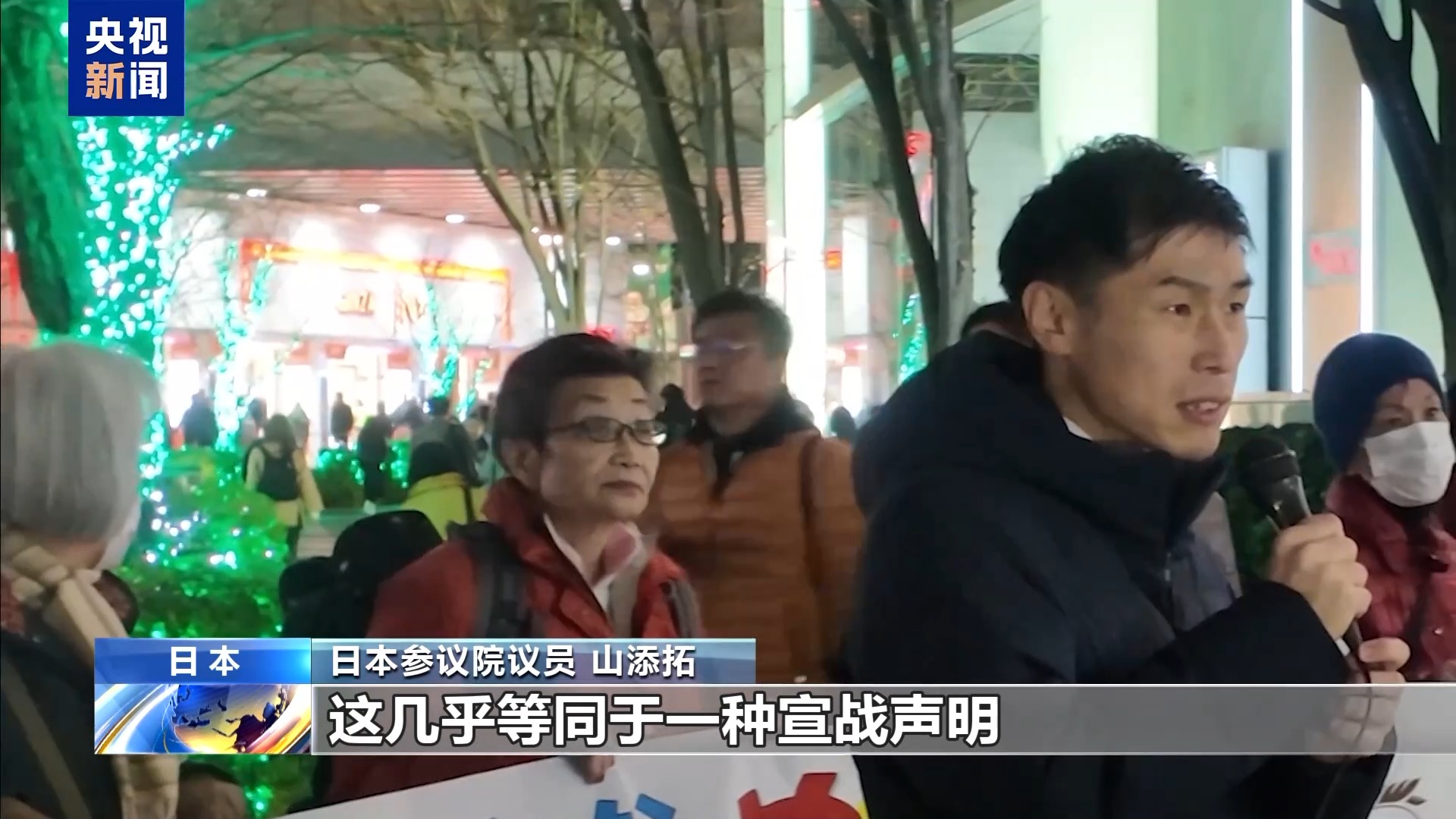
日本首相高市早苗近期发表涉台错误言论引发日本国内持续抗议浪潮。而日本防卫支出屡创历史新高,也引发民众的警惕和反对。17日晚,日本社民党党首 福岛瑞穗、参议院议员山添拓以及部分民众在东京闹市区举行集会,反对扩充军备,要求高市早苗撤回涉台错误言论。 集会现场,多名政界人士和市民对高市早苗涉台错误言论提出严厉批评,认为相关言论严重背离日本政府以往立场,破坏日中关系基础,甚至将日本推向军 事冲突的风险之中。 日本参议院议员 山添拓:这几乎等同于一种宣战声明。这不仅践踏了迄今为止日中之间达成的各种共识,而且无论是日本还是中国,一旦真的发生那样的 事情,都会造成巨大的伤亡。在明知这一点的情况下,仍然发表如此轻率的言论,而且内容还与政府此前一贯的表态不一致,已经成为严重问题,至今也没 有撤回,我认为这实在是过于自以为是了。这不仅会对经济造成影响,甚至可能引发军事冲突。我认为高市应该尽快撤回相关发言。如果做不到这一点,我 认为当前由自民党和维新会组成的高市政权,已经没有资格来掌舵日本的未来。 集会参与者:日本增加防卫预算 忽视民生令人气愤 围绕日本政府不断扩大的防卫支出,集会参与者表示,在当前物价持续上涨、民众生活压力加大的 ...
小泽一郎再批高市:她到底意欲何为?
Xin Lang Cai Jing· 2025-12-13 07:16
报道指出,美国总统特朗普此前一直避免就紧张局势不断升级的日中关系公开表态,这被认为是美国重 视与中国经济关系的表现。(编译/陈曦) 责任编辑:张恒星 参考消息网12月13日报道据日本《日刊体育》网站12月13日报道,日本立宪民主党籍众议员小泽一郎13 日在社交平台X上发文,对日本首相高市早苗涉台错误言论予以批判。 报道称,小泽一郎在推文中说:"高市首相似乎根本没有想过要如何解决现在的问题,她到底意欲何 为?" 报道称,小泽一郎表示:"美国很冷静,这无可厚非,(因为)此次事件显然就是高市'任性暴走'导致 的对立激化。" 报道称,小泽一郎在推文中说:"高市首相似乎根本没有想过要如何解决现在的问题,她到底意欲何 为?" 报道称,小泽一郎表示:"美国很冷静,这无可厚非,(因为)此次事件显然就是高市'任性暴走'导致 的对立激化。" 报道指出,美国总统特朗普此前一直避免就紧张局势不断升级的日中关系公开表态,这被认为是美国重 视与中国经济关系的表现。(编译/陈曦) 参考消息网12月13日报道据日本《日刊体育》网站12月13日报道,日本立宪民主党籍众议员小泽一郎13 日在社交平台X上发文,对日本首相高市早苗涉台错误言论予以批 ...
视频丨日本媒体人:高市早苗须公开撤回错误言论并慎重反省
Yang Shi Xin Wen Ke Hu Duan· 2025-12-12 02:35
Group 1 - The core viewpoint is that Prime Minister Sanna Takashi's recent erroneous statements have drawn criticism from Japanese media, indicating a need for public retraction and careful reflection on her part [2] - Akihito Okamoto, former editor-in-chief of "Sekai" magazine, emphasizes that Takashi's statements not only represent her personal views but also impact the Japanese public and Japan's relations with neighboring countries, necessitating a cautious approach [2] - Okamoto argues that Japan, having renounced the right to wage war in its constitution, should not be preparing for military actions, and using historical and political excuses to expand military spending is detrimental [4] Group 2 - Okamoto urges Takashi to enhance her understanding of the constitution, history, and the history of Japan-China relations, advocating for a more prudent attitude in handling foreign relations and security policy to avoid unnecessary risks and disputes [4] - He expresses hope that Takashi will seriously study history, law, and the longstanding Japan-China relationship, and base her statements on thorough consideration and reflection [6]