
生态文明理念

Search documents
特稿|在绿水青山间追求共同现代化——中国推动共建清洁美丽世界的全球回响
Xin Hua Wang· 2025-10-18 22:21
Group 1 - The core viewpoint emphasizes China's commitment to ecological civilization and sustainable development, showcasing its efforts to harmonize economic growth with environmental protection [1][3][8] - The "14th Five-Year Plan" period has seen significant improvements in China's ecological environment, with PM2.5 concentration in cities decreasing by 16.3% compared to 2020, and the proportion of good water quality in surface water reaching 90.4% [3][6] - China has received numerous global honors in ecological conservation, reflecting international recognition of its green development philosophy and practices [3][4] Group 2 - Various regions in China, such as Hangzhou and Inner Mongolia, are implementing innovative ecological projects that enhance local environments and economies, demonstrating the practical application of the "green development" concept [2][4] - China's ecological governance is characterized by practical actions rather than mere rhetoric, as evidenced by successful collaborations in environmental management with countries like Mauritania and Tanzania [5][6] - The country is actively participating in global ecological governance, committing to significant reductions in greenhouse gas emissions and increasing the share of non-fossil energy consumption [6][7] Group 3 - China's renewable energy sector is the largest and fastest-growing globally, contributing to a quarter of the world's new green area and establishing a complete renewable energy industry chain [7][8] - The nation is fostering South-South cooperation on climate change, signing numerous memorandums with developing countries to enhance their capacity to address climate challenges [7][8] - The overarching goal is to build a clean and beautiful home for humanity, aligning with the vision of a shared future for all life on Earth [8]
在绿水青山间追求共同现代化——中国推动共建清洁美丽世界的全球回响
Xin Hua She· 2025-10-18 15:53
Group 1 - The core viewpoint emphasizes China's commitment to ecological civilization and sustainable development, showcasing its efforts to harmonize economic growth with environmental protection [1][3][8] - During the 14th Five-Year Plan period, China's ecological environment quality has improved significantly, with PM2.5 concentration in cities decreasing by 16.3% compared to 2020, and the proportion of good water quality reaching 90.4% [3][6] - China has received numerous global honors in the field of ecological environment, reflecting international recognition of its green development philosophy and practices [3][4] Group 2 - The article highlights successful ecological projects in various regions, such as the green protective belt in the Taklamakan Desert and the transformation of energy sectors in Inner Mongolia [2][4] - China's ecological governance is characterized by practical actions rather than mere rhetoric, as evidenced by its collaborative efforts with developing countries to address environmental challenges [5][6] - The article discusses China's role in global ecological governance, emphasizing its commitment to multilateralism and cooperation in addressing climate change [6][7] Group 3 - By 2035, China aims to reduce greenhouse gas emissions by 7%-10% from peak levels and increase the share of non-fossil energy consumption to over 30% [6][7] - China has established the world's largest and fastest-growing renewable energy system, contributing significantly to global green development [7][8] - The article concludes with a call for international collaboration towards building a community of shared future for mankind, emphasizing the importance of sustainable development [8]
聚焦文旅融合与生态保护:巴中通江法院发布环境资源白皮书 司法赋能再添新举措
Zhong Guo Jing Ji Wang· 2025-10-15 19:59
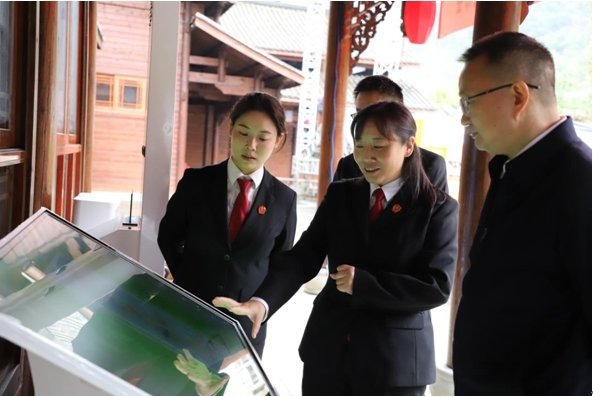
Core Viewpoint - The event held by the Tongjiang People's Court aims to enhance the integration of cultural tourism and ecological protection through judicial support, establishing a new collaborative development model of "ecological justice + cultural tourism empowerment" [1] Group 1: White Paper Release - The "Environmental Resource White Paper" released by the Tongjiang People's Court serves as a systematic review of its performance since the implementation of centralized jurisdiction for environmental resource cases in July 2022 [1] - The white paper outlines typical judicial cases, innovative mechanisms, and phased achievements during the centralized jurisdiction period, illustrating the deep implementation of the concept "lucid waters and lush mountains are invaluable assets" in the judicial field [1] Group 2: Public Engagement and Education - The launch of a series of environmental resource promotional activities includes multimedia display screens in the core scenic area of Guangwushan-Nuoshuihe, integrating knowledge dissemination, case display, and AI interaction [3] - This innovative promotional model aims to transform rigorous legal texts into visual and easily understandable content, allowing visitors to learn about ecological law while enjoying the natural scenery, achieving a "learning while touring" effect [3] Group 3: Judicial Innovations and Future Plans - The Tongjiang People's Court has developed a comprehensive ecological judicial protection system through innovative mechanisms, including standardized case handling and the establishment of a cross-departmental collaboration mechanism [5] - Future plans include continuous optimization of judicial services to provide more precise and effective judicial support for the high-quality development of cultural tourism in Bazhong City [5]

吉林省第二届生态环境相关政策解读大会成功举办
Zhong Guo Huan Jing Bao· 2025-10-14 01:44
Core Viewpoint - The conference aimed to enhance communication between the government and enterprises regarding ecological environment policies, fostering corporate responsibility in pollution control and promoting the construction of a beautiful Jilin [1] Group 1: Event Overview - The second ecological environment policy interpretation conference in Jilin Province was successfully held in Changchun City [1] - The event attracted over 400 participants, including leaders from development zones, industrial parks, and key polluting enterprises across the province [1] Group 2: Focus Areas - The conference focused on key areas such as project application policies in the environmental resource sector, environmental access, enforcement, and guidelines for corporate participation in environmental protection [1] - The aim was to assist enterprises in reducing costs and improving efficiency while promoting high-level ecological protection and high-quality economic development in Jilin Province [1] Group 3: Engagement and Feedback - The event featured volunteer services from 20 volunteers from Northeast Normal University, organized by the Green Jilin Ecological Environment Volunteer Service Team [1] - Participants expressed appreciation for the opportunity to engage directly with experts in the ecological environment field, indicating that such interactions would significantly aid their future development [1]
如何推动生态环境志愿服务文化建设?
Zhong Guo Huan Jing Bao· 2025-10-09 01:49
Core Viewpoint - The "Beautiful China, Volunteer with Me" ecological environment volunteer service implementation plan (2025-2027) aims to promote a societal atmosphere that values ecological civilization through volunteer services, guiding the public to become active disseminators and practitioners of ecological civilization concepts [1] Summary by Relevant Sections Functions of Ecological Environment Volunteer Service Culture Construction - The construction of ecological environment volunteer service culture integrates value transmission, resource integration, behavioral norms, and spiritual cohesion, helping elevate volunteer actions from individual behaviors to social trends [2] - Value guidance and education function: The culture subtly incorporates concepts like "Lucid waters and lush mountains are invaluable assets" into public life, encouraging participants to deepen their understanding through ecological practices, transforming more people from "bystanders" to "actors" [2] - Social mobilization and resource integration function: This culture effectively gathers diverse forces from enterprises, social organizations, communities, and the public, creating a broad and responsive environmental action network that complements government governance [2] - Emotional cohesion and spiritual motivation function: Volunteers build deep emotional connections during service, gaining a sense of belonging, achievement, and spiritual satisfaction, which serves as a stronger internal motivation than material rewards, reinforcing the societal foundation for pursuing green development [2] Paths for Ecological Environment Volunteer Service Culture Construction - Strengthening value guidance and cultivating ecological culture: Integrate ecological civilization concepts into national education and public communication systems, creating a systematic ecological ethics education framework, and innovating communication methods through public service ads and short videos [3] - Improving institutional systems and enhancing support levels: Implement specific policies detailing volunteer rights, responsibilities, and support mechanisms, establish a "volunteer service time bank," and strengthen grassroots volunteer service station construction [3] - Promoting project innovation and focusing on effective experiences: Advance brand building to create impactful and sustainable projects, such as "Guarding the Mother River" and "Endangered Species Rescue Action," while designing engaging and meaningful experiences for different groups [3] Promoting Social Collaboration and Encouraging Public Participation - Encourage enterprises to fulfill social responsibilities by integrating unique volunteer services with their main business, such as logistics companies promoting packaging recycling and internet companies developing environmental software, to establish a collaborative and interactive volunteer service system [4]
呼伦贝尔自然博物馆正式开馆
Nei Meng Gu Ri Bao· 2025-10-06 01:15
Core Points - The Hulunbuir Natural Museum officially opened on October 3 after two years of renovation, attracting numerous visitors to experience the natural beauty of Hulunbuir [1] - The museum is located in the Xishan Nature Reserve of Hailar District, covering a total area of 16,646 square meters, with an exhibition area of 7,000 square meters [1] - The main theme of the museum is "Ecological Picture Scroll of Northern Frontier, Beautiful Hulunbuir," featuring eight display units including ecology, geology, forestry, insects, grasslands, wetlands, and snowfields [1] Exhibition Highlights - The museum houses 2,440 specimens in fields such as geology, biology, and paleontology, including 455 specimens of 159 species of nationally protected and "three have" protected animals like moose, golden eagles, and snowy owls [1] - Each exhibition hall has distinct features: the Ecology Hall showcases seven major ecological systems of Hulunbuir, the Geology Hall traces geological changes over billions of years through fossils, and the Forest Hall focuses on the ecological resources of the Daxing'anling cold temperate coniferous forest [1] - The Wetland and Snowfield Halls display biodiversity and natural wonders in different ecological scenarios, while the surrounding area includes ancient larch forests and natural lakes, providing habitats for rare bird species [1] Educational and Tourism Role - The Hulunbuir Natural Museum serves as a platform for specimen collection, science education, and tourism services, aiming to convey ecological civilization concepts through vivid exhibitions [1] - It offers new options for family exploration and tourist sightseeing, enhancing the region's appeal as a destination [1]
探访吴忠利通区清水沟:从“臭水沟”到“幸福河”
Zhong Guo Xin Wen Wang· 2025-09-23 01:38
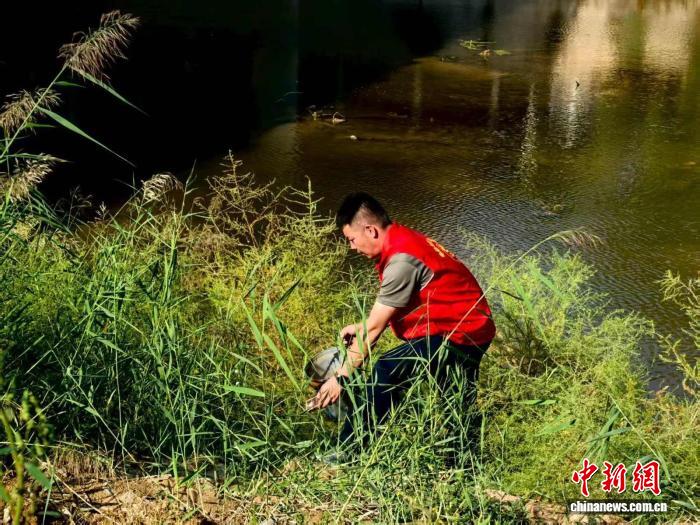
Core Viewpoint - The transformation of the Qingshui River in Litong District, Ningxia, from a polluted waterway to a clean ecological area exemplifies the successful implementation of ecological civilization and river governance initiatives [1][3][4] Group 1: Environmental Restoration Efforts - Since 2017, Litong District has initiated a comprehensive governance project for the Qingshui River, targeting pollution sources decisively [3] - The project involved the removal of 72 households and 61,000 square meters of illegal structures, the closure of 29 farms, and the clearance of 32,000 tons of waste [3] - A total of 25.8 kilometers of riverbed was dredged, and 32.7 kilometers of riverbank was reinforced, with a total afforestation area of 935 acres [3] Group 2: Pollution Control Measures - A joint enforcement mechanism involving river chiefs, prosecutors, and police was established to address industrial wastewater, agricultural runoff, and river discharge outlets [3] - Seven pollution outlets were blocked, and upgrades were made to a domestic sewage treatment plant and an industrial park sewage treatment plant, achieving Grade A discharge standards [3][4] - An artificial wetland was constructed at the river's mouth to enhance water purification through a combination of traditional wetland methods and advanced treatment systems [3] Group 3: Water Quality Improvement - Monitoring data indicates that from 2018 to 2021, the Qingshui River maintained a surface water quality of Grade IV or above, with further improvement to Grade III in 2022, eliminating black and odorous water issues [4] - The river has transformed into a scenic area with clear water and green banks, contributing to local real estate and recreational developments, thus becoming a "happy river" for residents [4] Group 4: Community Engagement and Future Plans - The governance model includes 23 river chiefs and 32 cleaners, integrating river management with employment support by hiring 343 safety patrol workers, prioritizing low-income individuals [4] - Future plans aim to transition river governance from engineering-focused to systematic and refined approaches, enhancing community satisfaction and safety [4]
“两山”理念的文化实践:一座省级博物馆如何点“绿”成“金”
Zhong Guo Xin Wen Wang· 2025-08-29 04:02
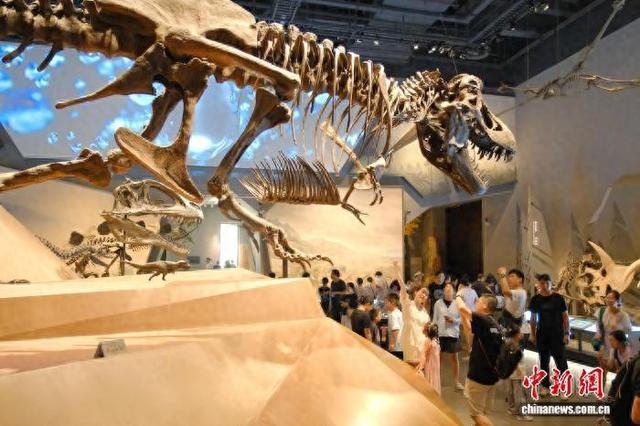
Core Viewpoint - The establishment of the Zhejiang Natural Museum Anji Pavilion represents a significant cultural strategy shift, promoting equal access to public cultural services and enhancing regional development through ecological education and tourism [3][4]. Group 1: Cultural and Ecological Impact - The Anji Pavilion, opened in December 2018, has become a cultural landmark in the Yangtze River Delta, attracting over 740 million visitors and generating approximately 7.5 billion yuan in local tourism revenue in its first year [4]. - The pavilion's design integrates with the natural landscape, creating an immersive experience that emphasizes the harmony between humans and nature, aligning with the "Two Mountains" concept [3][6]. Group 2: Educational Initiatives - The museum has launched innovative educational programs, such as the "Green Water and Green Mountains Study Camp," which engage students in biodiversity protection and sustainable resource use through hands-on learning experiences [6][8]. - A notable project involved recruiting "island breeding bird monitors," which successfully raised public awareness about ecological conservation and transformed passive education into active community engagement [6]. Group 3: Regional Collaboration and Resource Sharing - The "Big Museum and Small Museum" model aims to enhance collaboration between the provincial museum and local rural museums, fostering resource sharing and expanding the reach of scientific education [8][9]. - The museum is also exploring new pathways for cultural resource transformation through the development of creative products and IPs, aiming to promote ecological industry growth in the province [9].
东航云南“动植物王国”特色航班启航——万米高空邂逅生物多样性
Zhong Guo Min Hang Wang· 2025-08-18 03:50
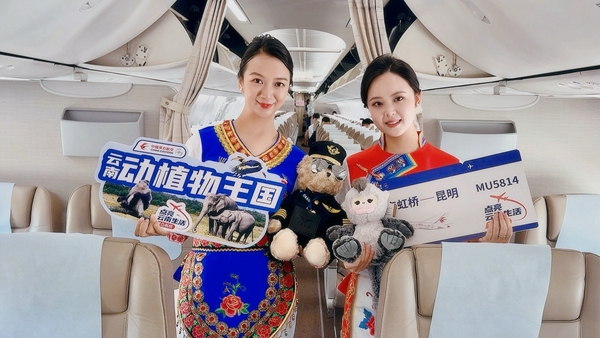
Group 1 - Eastern Airlines launched a themed flight "Animal and Plant Kingdom" from Shanghai to Kunming on August 15, showcasing Yunnan's ecological resources and promoting a unique cultural tourism experience [1] - The flight features flight attendants in traditional Bai costumes and offers passengers a warm welcome, enhancing the travel experience [1] - The cabin is decorated with Yunnan's biodiversity elements, including toys and souvenirs that reflect the region's ecological symbols, particularly aimed at engaging children [3] Group 2 - An "in-flight ecological classroom" was introduced, where flight attendants interacted with passengers through quizzes about Yunnan's wildlife, creating an engaging and educational atmosphere [6] - Passengers expressed excitement about the flight, describing it as a lively "in-flight ecology lesson" that heightened their anticipation for their upcoming trip to Yunnan [6] - Upon arrival at Kunming Changshui International Airport, passengers received a "Yunnan Special Surprise Gift Bag" containing local tea and travel guides, enhancing the welcoming experience [9] Group 3 - Since April 18, Eastern Airlines Yunnan has been operating regular "Light Up Yunnan Life" themed flights on various routes, aiming to enhance passenger experience [10] - Future flights will include a series of themed activities to further integrate Yunnan's natural and cultural charm, attracting more visitors to the region [10] - Eastern Airlines Yunnan is committed to innovating service formats to create immersive travel experiences for passengers [10]

“有喜事,来种树”!茂名博贺镇三十余位船长共同种下“开渔林”
Nan Fang Nong Cun Bao· 2025-08-15 14:05
Core Viewpoint - The article highlights the initiative "Have Joy, Plant Trees" launched in Maoming's Boge Town, where over thirty ship captains participated in planting trees to promote ecological civilization and celebrate the fishing season [8][12][25]. Group 1: Event Details - The "Have Joy, Plant Trees" activity was initiated on August 15, 2025, in conjunction with the opening of the South China Sea (Maoming Boge) Fishing Festival [8]. - The event involved local leaders, fishing committee secretaries, and ship captains planting purple orchid trees near the coastal highway [9][11]. - This marks the first time Boge Town has organized a tree-planting event prior to the fishing festival [11]. Group 2: Ecological Significance - The initiative aims to integrate tree planting with life events and traditional customs, fostering a societal trend of "planting trees to express feelings and passing on greenery" [15][16]. - Boge Town's deputy secretary emphasized the importance of protecting both marine and terrestrial ecosystems, aiming to create a "green wall" for returning fishermen and a better future for the next generation [12][13]. - The event aligns with Maoming's ecological development strategy, promoting the idea that "increasing greenery is increasing advantages, and planting trees is planting the future" [25]. Group 3: Historical Context - The practice of tree planting in Boge Town dates back to the 1950s when locals planted Casuarina trees to combat sandstorms, establishing a legacy of harmonious coexistence with nature [22]. - The current initiative represents a modern expression of this ecological guardianship, combining traditional fishing celebrations with environmental stewardship [24].
